
-
Read 582
-
0
-
Part 48
Completed, First published Mar 02, 2026
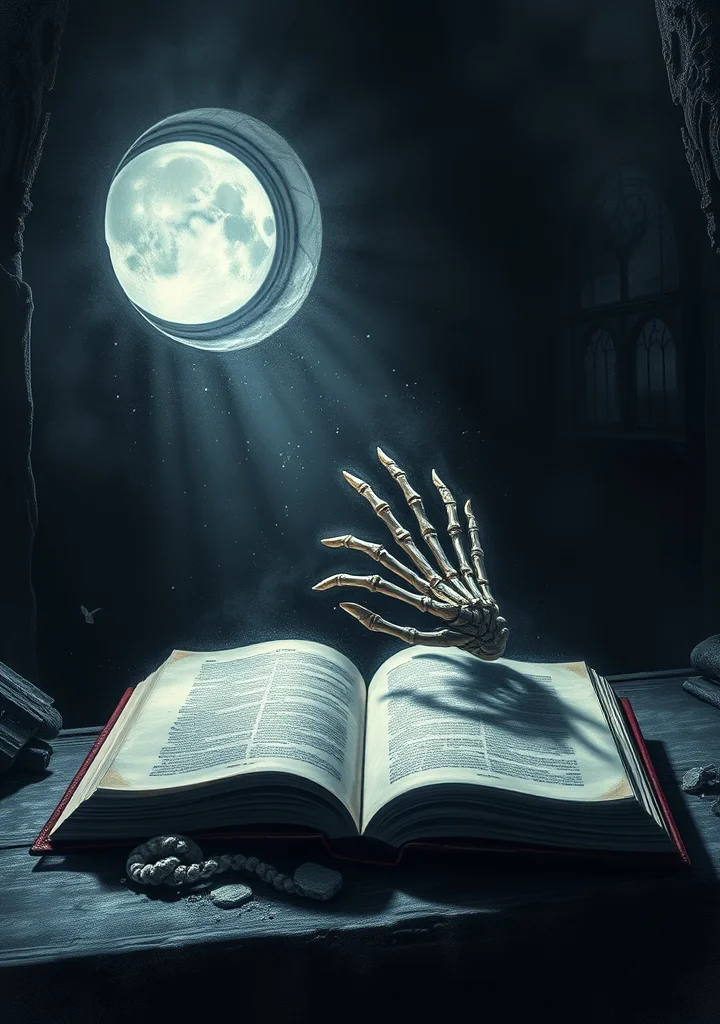
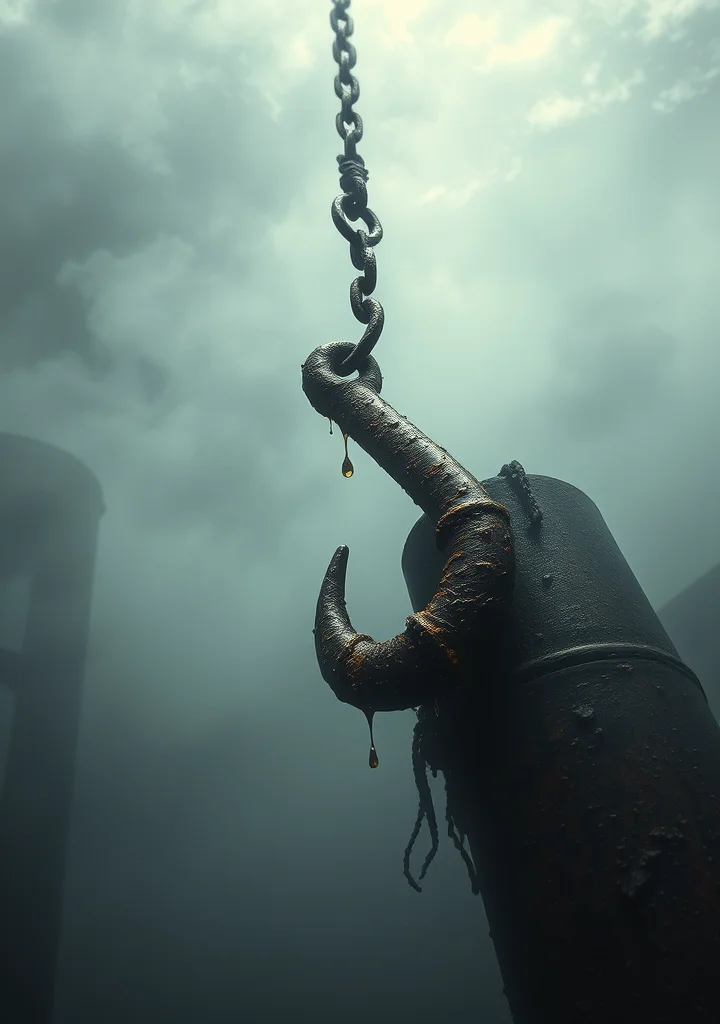
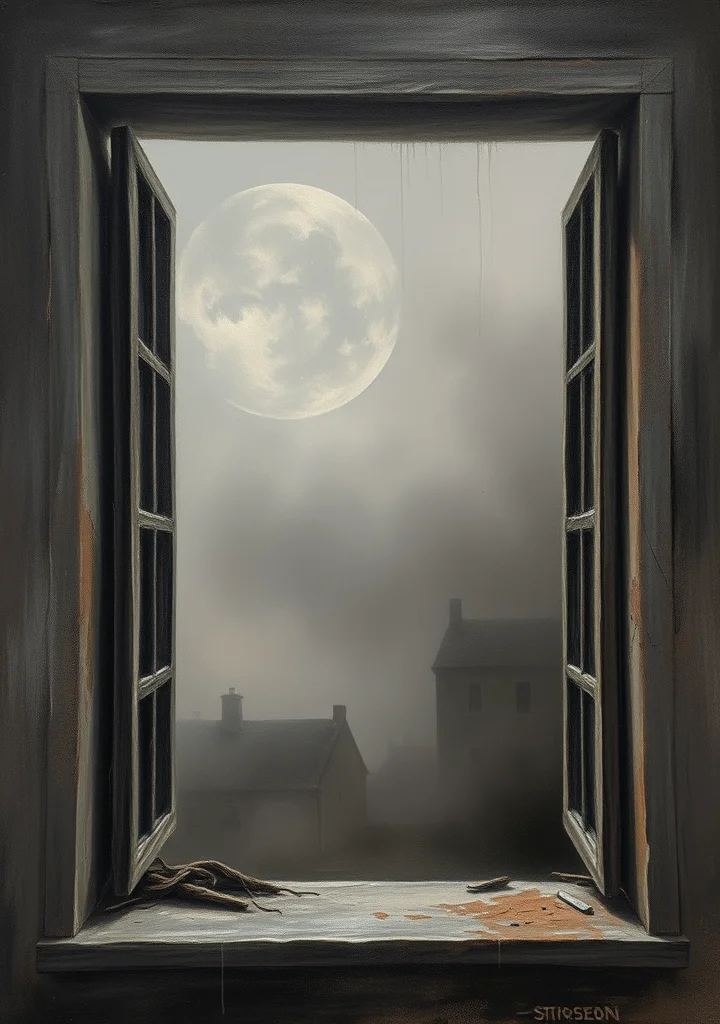
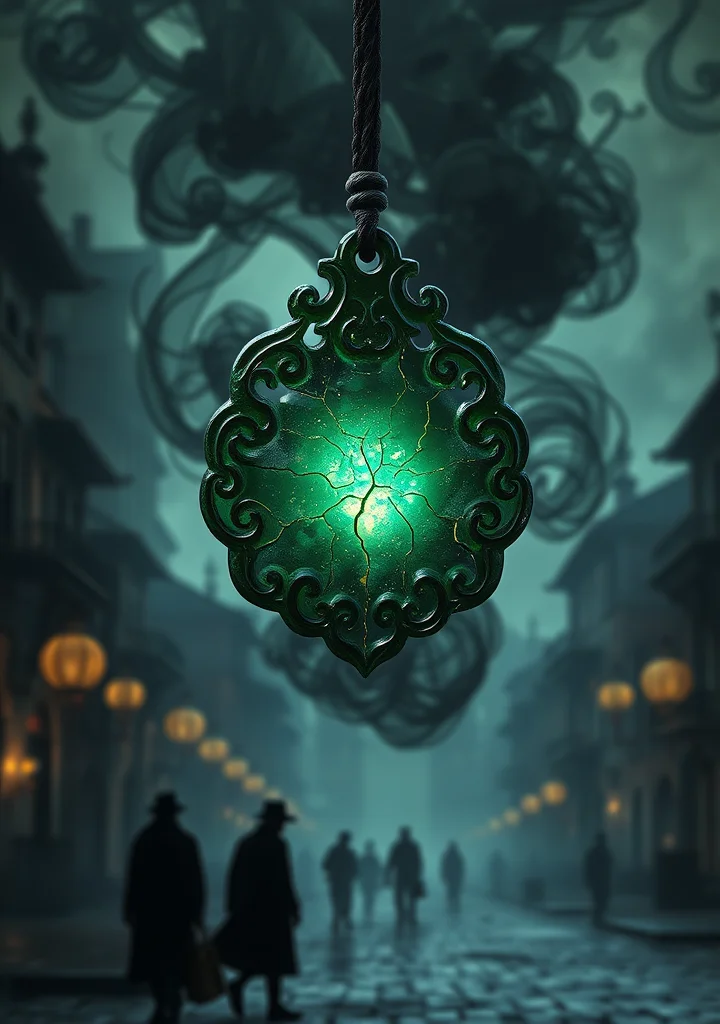
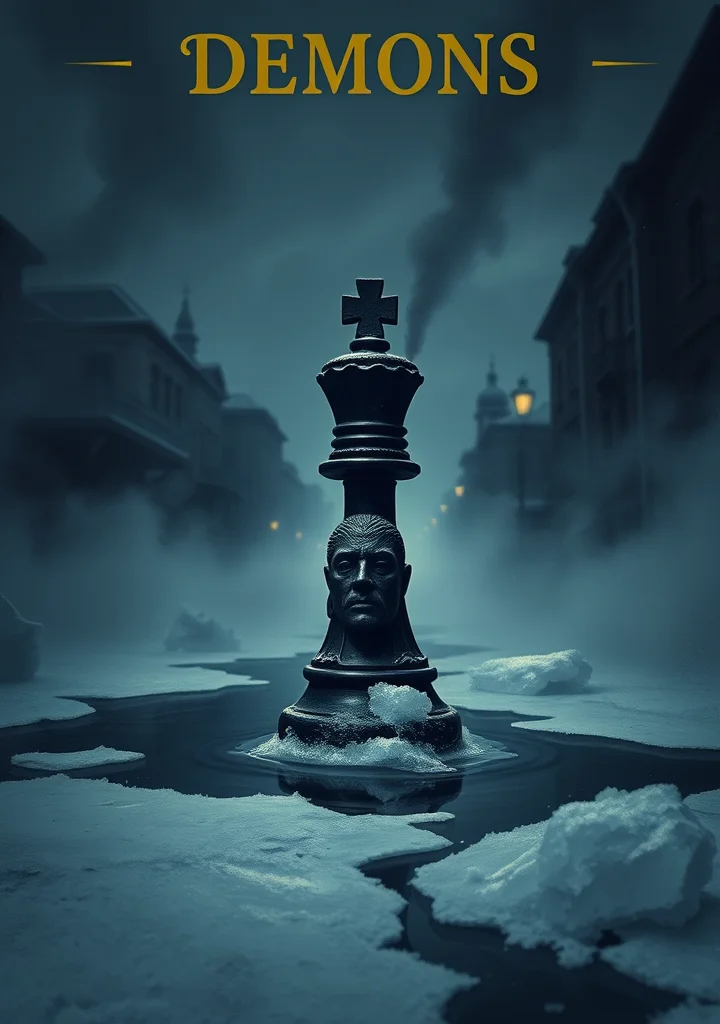
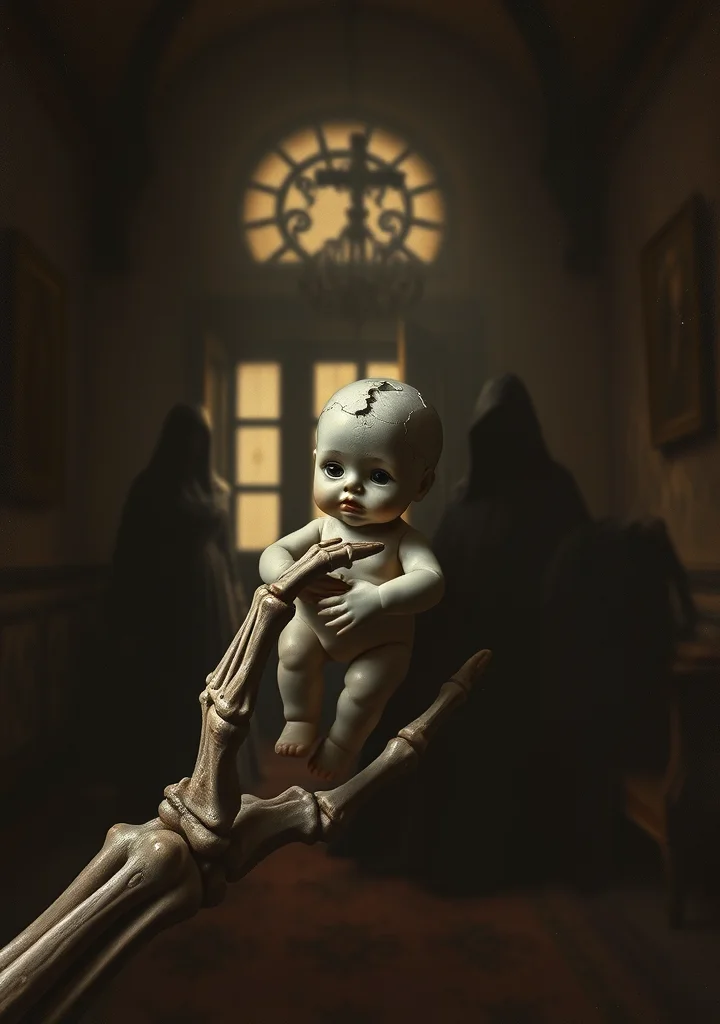
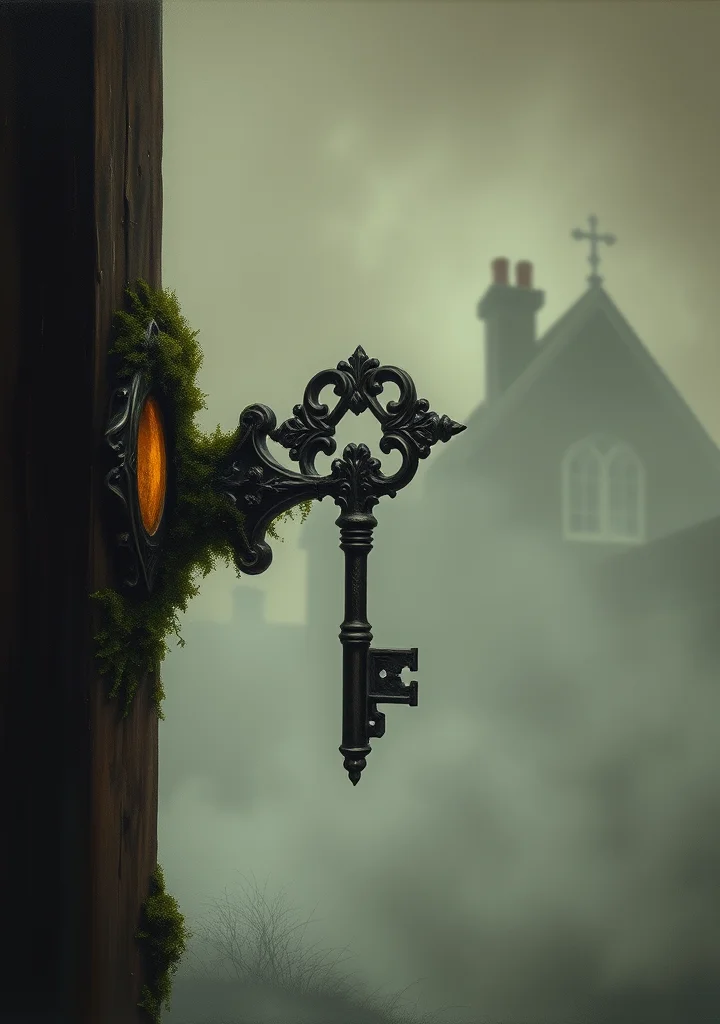
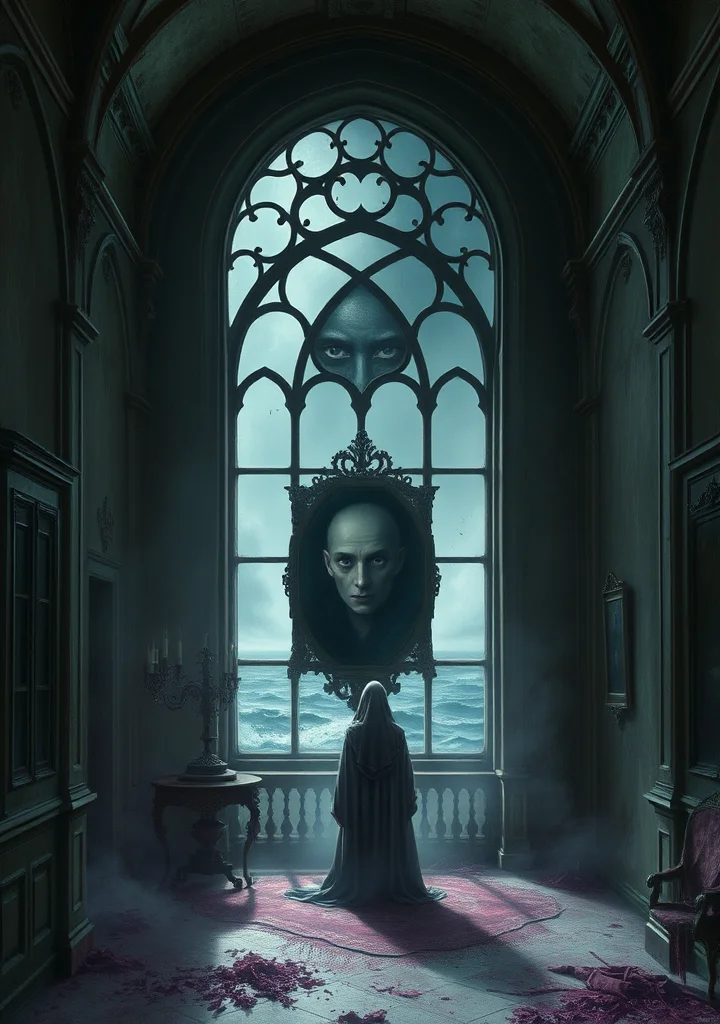
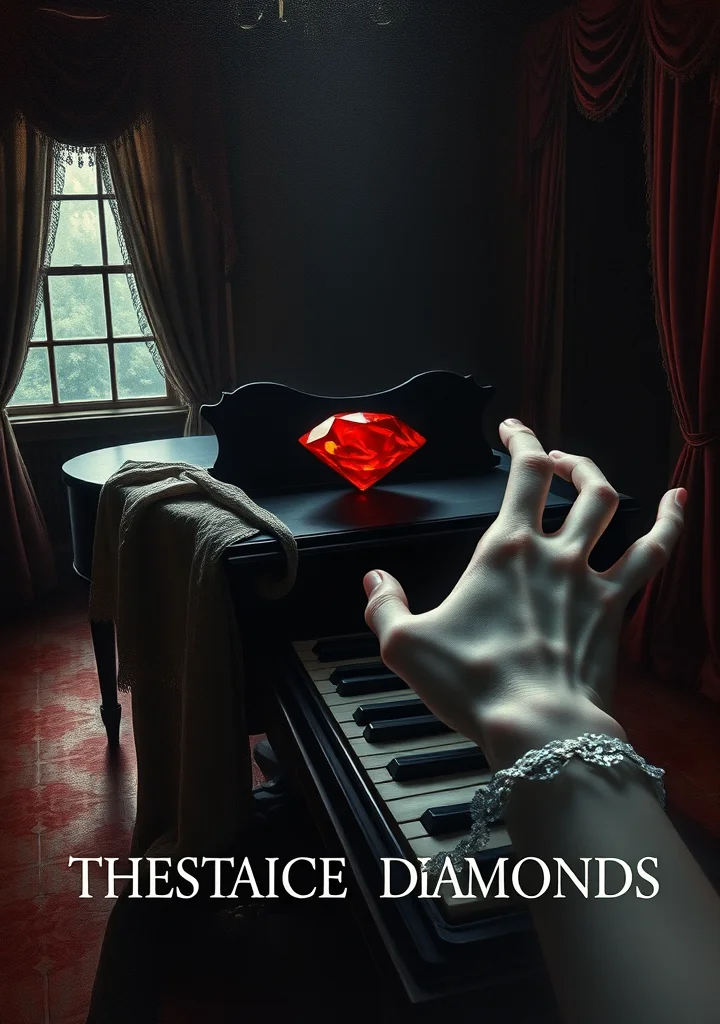
The air hangs thick with brine and regret within the crumbling fortress of Bellarion, a man built of shadow and stolen grace. Sabatini weaves a tale not of triumph, but of slow, creeping decay – a nobleman’s gilded cage built upon the bones of piracy and the salt-rot of a cursed inheritance. Every stone of Bellarion’s estate whispers of betrayal, each echoing corridor haunted by the ghosts of his fortune’s origins. A melancholic fog clings to the coast, mirroring the suffocating opulence that drowns Bellarion in gilded sorrow. He is fortunate only in the hollow way his enemies envy his ruin. The novel breathes with the damp chill of forgotten vaults, the scent of jasmine masking the stench of old blood, and a creeping dread that stems not from monstrous villains, but from the exquisite, suffocating weight of a life purchased with deeds best left buried. Expect not swashbuckling adventure, but a descent into the velvet darkness of a man haunted by the price of his prosperity, where every stolen coin rings with the screams of the drowned. It is a story steeped in the scent of decay, a portrait of a man whose gilded existence is merely a beautiful tomb.
Copyright: Public Domain
This license allows anyone to use your story for any purpose, including printing, selling, or adapting it into a film freely.
This license allows anyone to use your story for any purpose, including printing, selling, or adapting it into a film freely.
Chapter List
-
« Bellarion the Fortunate »📖 Continue Reading
-
« I »
-
« II »
-
« III »
-
« IV »
-
« V »
-
« VI »
-
« VII »
-
« VIII »
-
« IX »
-
« X »
-
« XI »
-
« XII »
-
« XIII »
-
« XIV »
-
« I »
-
« II »
-
« III »
-
« IV »
-
« V »
-
« VI »
-
« VII »
-
« VIII »
-
« IX »
-
« X »
-
« XI »
-
« XII »
-
« XIII »
-
« XIV »
-
« XV »
-
« XVI »
-
« XVII »
-
« XVIII »
-
« I »
-
« II »
-
« III »
-
« IV »
-
« V »
-
« VI »
-
« VII »
-
« VIII »
-
« IX »
-
« X »
-
« XI »
-
« XII »
-
« XIII »
-
« XIV »
-
« XV »
48
-
« Bellarion the Fortunate »
-
« I »
-
« II »
-
« III »
-
« IV »
-
« V »
-
« VI »
-
« VII »
-
« VIII »
-
« IX »
-
« X »
-
« XI »
-
« XII »
-
« XIII »
-
« XIV »
-
« I »
-
« II »
-
« III »
-
« IV »
-
« V »
-
« VI »
-
« VII »
-
« VIII »
-
« IX »
-
« X »
-
« XI »
-
« XII »
-
« XIII »
-
« XIV »
-
« XV »
-
« XVI »
-
« XVII »
-
« XVIII »
-
« I »
-
« II »
-
« III »
-
« IV »
-
« V »
-
« VI »
-
« VII »
-
« VIII »
-
« IX »
-
« X »
-
« XI »
-
« XII »
-
« XIII »
-
« XIV »
-
« XV »
More like this