
Discourses
  • 492
  • 0
  • 103
  • Reads 492
  • 0
  • Part 103
Completed, First published Mar 02, 2026

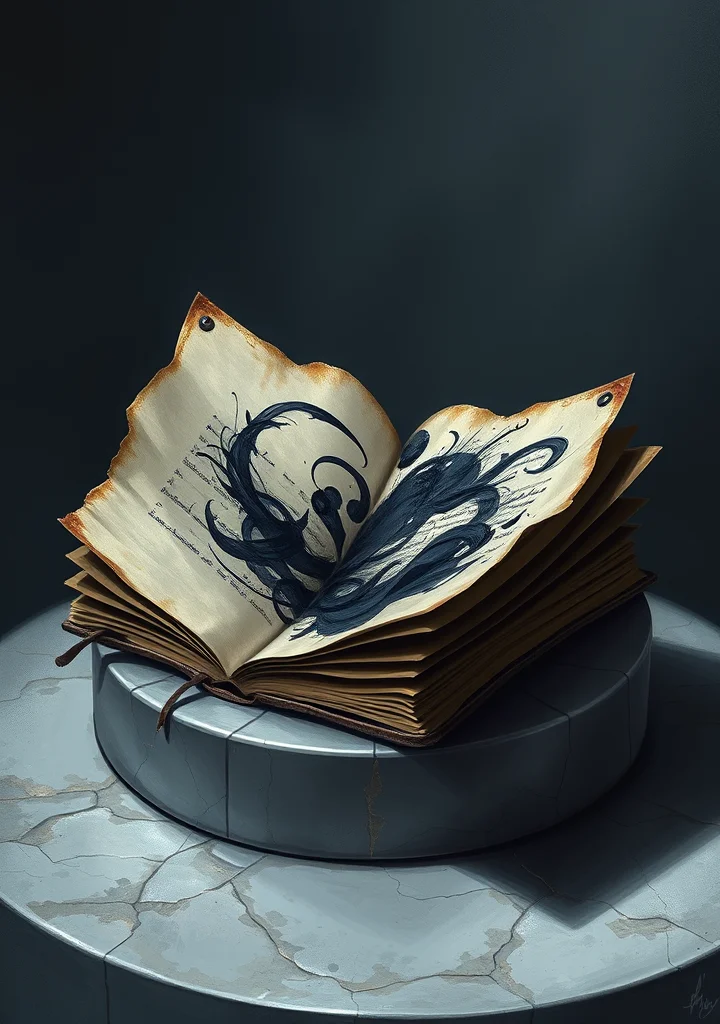
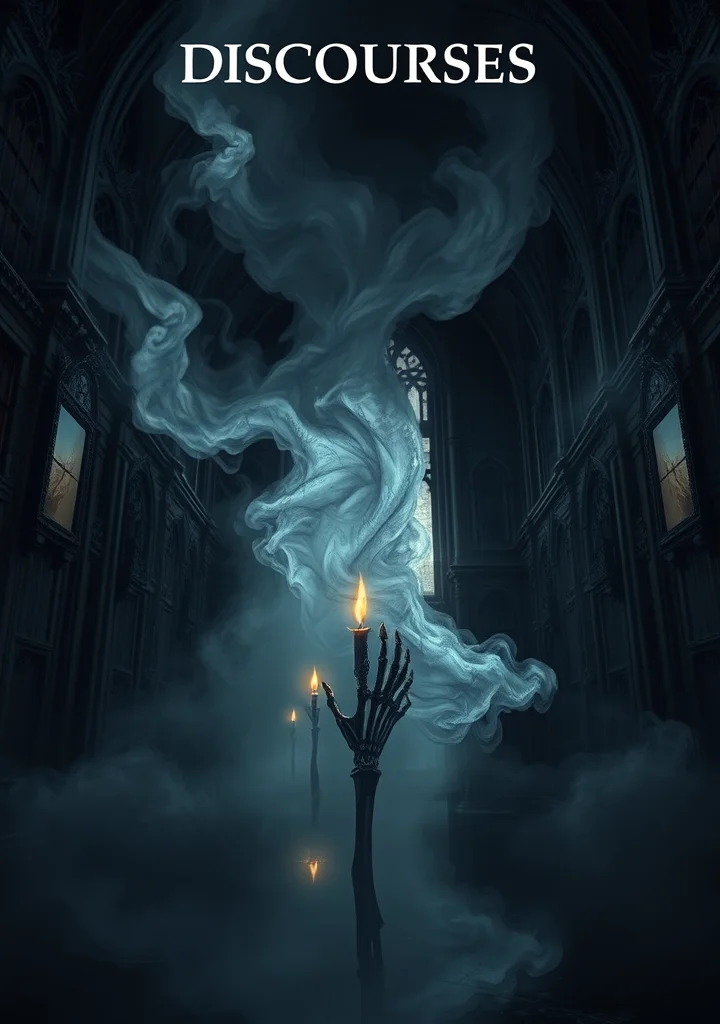
The crumbling estate of the mind—that is where *Discourses* unfolds. Not within stone and mortar, but within the echoing chambers of reason, shadowed by the long, skeletal fingers of despair. A perpetual twilight descends upon these inner halls, lit only by the flickering embers of stoic resolve. Each chapter is a descent further into the labyrinth of self, where the ghosts of ambition and the specters of grief haunt every corridor. A cold wind whispers through the broken windows of perception, carrying fragments of forgotten arguments and the brittle sighs of those who sought virtue in a world choked with ash. The narrative isn’t a story *told*, but a slow excavation—a chipping away at the calcified layers of habit and illusion. The air hangs heavy with the scent of resignation, and the weight of duty. Every observation is a cold stone underfoot, a testament to the enduring, bleak beauty of acceptance. There is no escape, only a further sinking into the austere elegance of the ruins within. One walks these halls not to find solace, but to understand the precise geometry of its decay. A silence so profound it threatens to swallow the reader whole, leaving only the echo of a fractured will.
Copyright: Public Domain
This license allows anyone to use your story for any purpose, including printing, selling, or adapting it into a film freely.
Chapter List

103

Recommended for you
24 Part
The salt-crusted stones of Sardinia bear witness to a grief older than the granite they’re carved from. Here, where the wind tastes of brine and regret, a woman named Agata is not merely unbound from her marriage, but *unmade* by it. The aftermath isn’t freedom, but a slow, creeping dissolution into the landscape’s own desolate heart. Her house, once a haven, becomes a hollow echo of her former life, each room breathing with the ghost of a husband lost to the sea and a daughter consumed by a feverish, silent grief. Days bleed into nights under a bruised, plum-colored sky, mirroring Agata’s descent into a melancholic trance. The scent of myrtle and decay clings to everything, a suffocating sweetness that masks the bitterness of her solitude. The villagers whisper of curses and ill-omens, claiming the house itself mourns alongside Agata, absorbing her sorrow into its very foundations. But there’s a deeper current beneath the surface - a haunting awareness of the sea's cold embrace, a primal fear that her husband’s fate isn’t merely watery oblivion, but a claiming by something ancient and hungry. It’s a world where the lines between the living and the dead blur with the rising mist, and Agata’s unraveling is less a story of heartbreak than a surrender to the island's shadowed dominion. Every creak of the floorboards, every cry of the seabirds, feels like a warning – a chilling promise that even in letting go, she is irrevocably bound to the ghosts of her past.


30 Part
A creeping dread clings to the damp stone of Blackwood Manor, where whispers of a forgotten inheritance and a family fractured by shadow weave through the halls. The narrative unfolds not as a grand spectacle, but as a slow unraveling, a descent into the suffocating secrets held within a provincial life. Old man Harwood, a man of routine and quiet despair, finds himself unwillingly entangled in the affairs of others—a vanished solicitor, a resentful ward, and a legacy stained with avarice. The air is thick with the scent of decaying roses and unshed tears. Each chapter feels like a turning of a key in a rusted lock, revealing another shadowed alcove in the manor’s heart. It isn't the horror of what *happens*, but the suffocating weight of what is *known*—the stifled resentments, the furtive glances, the unspoken accusations that fester within the household. The story is told in fragments, overheard conversations and half-remembered incidents, mirroring the fractured memories of those caught within the manor's orbit. Rain lashes against the windows, mirroring the tempest brewing within Harwood’s breast. The middle of things, he comes to realize, is not a position of neutrality, but a vortex—a point where all the dark currents converge. The ending isn't a resolution, but a settling of dust on the things that were always there, waiting for the shadows to lengthen and claim their due. A quiet, insidious despair permeates the pages, leaving the reader with the chilling sensation of being watched from the darkened corners of Blackwood Manor long after the book is closed.
15 Part
A suffocating mist clings to the crumbling stone of Wollaston’s world, a landscape haunted by the ghosts of reason abandoned. This is not a tale of spectral apparitions, but of a rot within the very bone of existence, where the boundaries between the natural world and the fracturing psyche dissolve. The narrative unfolds like a slow poisoning, tracing the decay of a man’s faith not through divine revelation, but through the cold, clinical dissection of the world’s mechanics. Every wildflower dissected, every star’s trajectory charted, feels less a discovery and more an incision – revealing not the hand of God, but the gaping void where devotion once resided. A pervasive dread settles not in grand, theatrical horrors, but in the meticulous observation of decay. The prose mirrors the era’s obsession with precision, yet each measured sentence feels like a tightening noose. Sunlight here is not a promise of warmth, but a harsh glare exposing the barrenness of a landscape stripped of all comfort. It is a study in isolation, not of hermits in remote cabins, but of a consciousness slowly entombed within the suffocating rationality of its own design. The silence isn’t emptiness, but the stifled scream of a soul observing its own extinction. The air itself tastes of ash and the scent of dried herbs, hinting at a morbid alchemy where the pursuit of natural law becomes a ritual of self-annihilation. One reads not to understand a religion, but to witness the unraveling of one man’s mind as he methodically charts his descent into the barren, unforgiving wilderness of a godless universe.
19 Part
Dust motes dance in the perpetual twilight of Caradoc Hall, a crumbling Welsh manor steeped in forgotten lore. The scent of damp stone and decaying velvet clings to Elara, a woman adrift between worlds, drawn to the estate by a legacy of whispers and shadowed inheritance. Not a ghost hunt, but something colder – a pull from the very stones, a resonance with a history that refuses to stay buried. The Hall breathes with the echoes of its former mistress, a woman named Wynne, who vanished into the hills with a silver key and a secret pact with the land. Each chamber Elara explores is a tightening spiral of unease, mirroring the labyrinthine corridors of her own fractured memory. The estate’s ancient guardian, a taciturn man named Rhys, offers only glimpses of the past, his eyes holding the same grey melancholy as the rain-lashed landscape. But the key isn't merely a relic; it’s a conduit. It unlocks not doors, but seams in time, drawing Elara into a spectral existence where Wynne’s disappearance isn't a tragedy, but a deliberate surrender to something ancient and hungry beneath the hills. The air grows thick with the scent of peat and something else – something floral and cloying, like the perfume of a corpse. Shadows lengthen, not with the setting sun, but with the rising dread of a truth woven into the very foundations of Caradoc Hall. It’s a place where the veil between worlds thins to gossamer, where the living are haunted by the ghosts of those who chose to become something *other* than human, and where Elara must unravel the key’s mystery before she too is claimed by the timeless hunger of the Welsh wilderness.