
-
Read 1.7K
-
0
-
Part 153
Completed, First published Mar 02, 2026
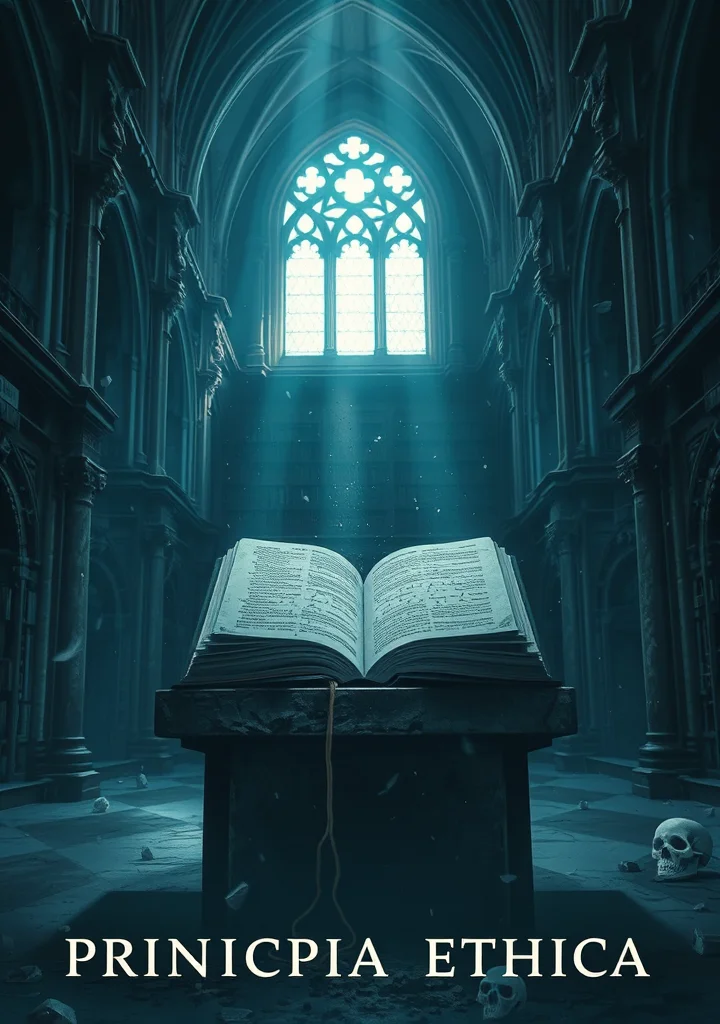
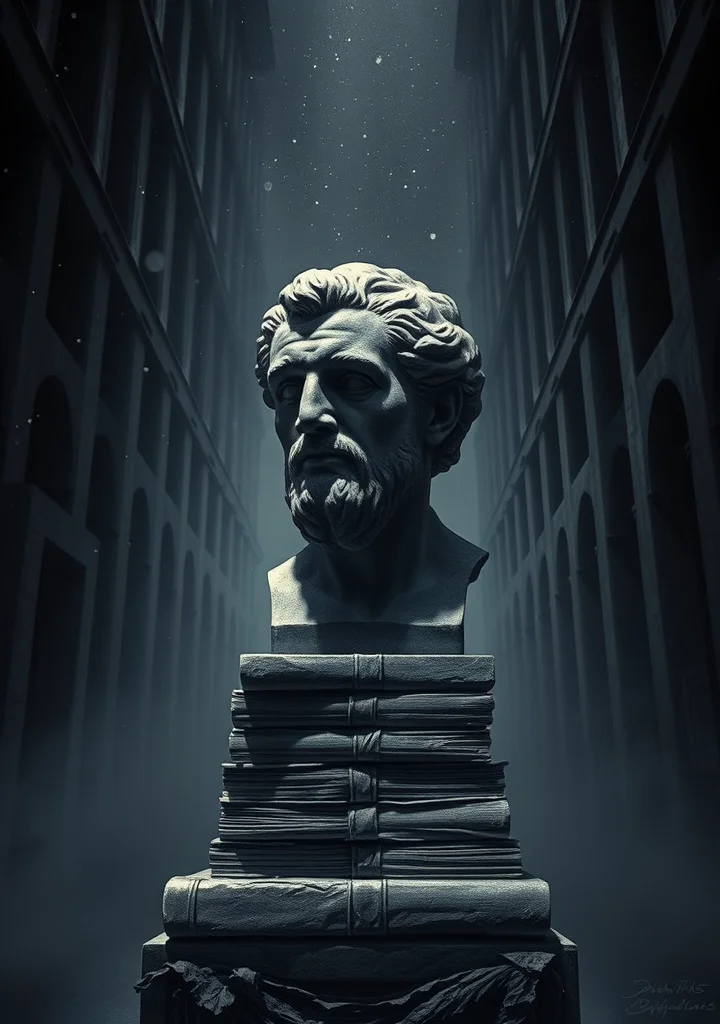
Dust motes dance in the perpetual twilight of a mind unraveling. Here, within the architecture of reason, shadows lengthen as the very foundations of certainty crumble. The air hangs thick with the scent of beeswax and cold logic, a mausoleum built of thought where the echoes of doubt reverberate through labyrinthine corridors. Each proposition is a chipped stone in a crumbling edifice, and every proof a spectral hand reaching from the void. A chilling stillness permeates these pages, not of peace, but of the abyss staring back from the mirror of self. The world outside bleeds away, replaced by the stark, geometrical prison of the self, where the only escape is a deeper descent into the echoing chambers of the soul. The author’s voice, though meticulous, is laced with a desperate, haunted precision – a man dissecting not just the world, but the very instrument of perception, and finding only bone and hollow resonance within. It is a landscape of intellectual ice, where the warmth of belief has long since frozen over, leaving only the brittle fragments of a fractured god. The silence here is not empty, but pregnant with the unspeakable weight of a universe stripped bare of illusion.
Copyright: Public Domain
This license allows anyone to use your story for any purpose, including printing, selling, or adapting it into a film freely.
This license allows anyone to use your story for any purpose, including printing, selling, or adapting it into a film freely.
Chapter List
-
« Philosophical Works »📖 Continue Reading
-
« Discourse on the Method of Rightly Conducting One’s Reason and of Seeking Truth in the Sciences »
-
« Prefatory Note by the Author »
-
« Discourse on the Method »
-
« PartI »
-
« PartII »
-
« PartIII »
-
« PartIV »
-
« PartV »
-
« PartVI »
-
« Meditations on the First Philosophy »
-
« Chapter_13 »
-
« Preface to the Reader »
-
« Synopsis of the Six Following Meditations »
-
« Meditations on the First Philosophy »
-
« MeditationI »
-
« MeditationII »
-
« MeditationIII »
-
« MeditationIV »
-
« MeditationV »
-
« MeditationVI »
-
« Selections from thePrinciples of Philosophy »
-
« Letter of the Author to the French Translator of thePrinciples of PhilosophyServing for a Preface »
-
« Chapter_25 »
-
« Selections from thePrinciples of Philosophy »
-
« Chapter_28 »
-
« Chapter_29 »
-
« Chapter_30 »
-
« Chapter_31 »
-
« Chapter_32 »
-
« Chapter_33 »
-
« Chapter_34 »
-
« Chapter_35 »
-
« Chapter_36 »
-
« Chapter_37 »
-
« Chapter_38 »
-
« Chapter_39 »
-
« Chapter_40 »
-
« Chapter_41 »
-
« Chapter_42 »
-
« Chapter_43 »
-
« Chapter_44 »
-
« Chapter_45 »
-
« Chapter_46 »
-
« Chapter_47 »
-
« Chapter_48 »
-
« Chapter_49 »
-
« Chapter_50 »
-
« Chapter_51 »
-
« Chapter_52 »
-
« Chapter_53 »
-
« Chapter_54 »
-
« Chapter_55 »
-
« Chapter_56 »
-
« Chapter_57 »
-
« Chapter_58 »
-
« Chapter_59 »
-
« Chapter_60 »
-
« Chapter_61 »
-
« Chapter_62 »
-
« Chapter_63 »
-
« Chapter_64 »
-
« Chapter_65 »
-
« Chapter_66 »
-
« Chapter_67 »
-
« Chapter_68 »
-
« Chapter_69 »
-
« Chapter_70 »
-
« Chapter_71 »
-
« Chapter_72 »
-
« Chapter_73 »
-
« Chapter_74 »
-
« Chapter_75 »
-
« Chapter_76 »
-
« Chapter_77 »
-
« Chapter_78 »
-
« Chapter_79 »
-
« Chapter_80 »
-
« Chapter_81 »
-
« Chapter_82 »
-
« Chapter_83 »
-
« Chapter_84 »
-
« Chapter_85 »
-
« Chapter_86 »
-
« Chapter_87 »
-
« Chapter_88 »
-
« Chapter_89 »
-
« Chapter_90 »
-
« Chapter_91 »
-
« Chapter_92 »
-
« Chapter_93 »
-
« Chapter_94 »
-
« Chapter_95 »
-
« Chapter_96 »
-
« Chapter_97 »
-
« Chapter_98 »
-
« Chapter_99 »
-
« Chapter_100 »
-
« Chapter_101 »
-
« Chapter_102 »
-
« Chapter_103 »
-
« PartII »
-
« Chapter_105 »
-
« Chapter_106 »
-
« Chapter_107 »
-
« Chapter_108 »
-
« Chapter_109 »
-
« Chapter_110 »
-
« Chapter_111 »
-
« Chapter_112 »
-
« Chapter_113 »
-
« Chapter_114 »
-
« Chapter_115 »
-
« Chapter_116 »
-
« Chapter_117 »
-
« Chapter_118 »
-
« Chapter_119 »
-
« Chapter_120 »
-
« Chapter_121 »
-
« Chapter_122 »
-
« Chapter_123 »
-
« Chapter_124 »
-
« Chapter_125 »
-
« Chapter_126 »
-
« Chapter_127 »
-
« Chapter_128 »
-
« Chapter_129 »
-
« PartIII »
-
« Chapter_131 »
-
« Chapter_132 »
-
« Chapter_133 »
-
« PartIV »
-
« Chapter_135 »
-
« Chapter_136 »
-
« Chapter_137 »
-
« Chapter_138 »
-
« Chapter_139 »
-
« Chapter_140 »
-
« Chapter_141 »
-
« Chapter_142 »
-
« Chapter_143 »
-
« Chapter_144 »
-
« Chapter_145 »
-
« Chapter_146 »
-
« Chapter_147 »
-
« Chapter_148 »
-
« Chapter_149 »
-
« Chapter_150 »
-
« Chapter_151 »
-
« Chapter_152 »
-
« Chapter_153 »
-
« Chapter_154 »
-
« Chapter_155 »
153
-
« Philosophical Works »
-
« Discourse on the Method of Rightly Conducting One’s Reason and of Seeking Truth in the Sciences »
-
« Prefatory Note by the Author »
-
« Discourse on the Method »
-
« PartI »
-
« PartII »
-
« PartIII »
-
« PartIV »
-
« PartV »
-
« PartVI »
-
« Meditations on the First Philosophy »
-
« Chapter_13 »
-
« Preface to the Reader »
-
« Synopsis of the Six Following Meditations »
-
« Meditations on the First Philosophy »
-
« MeditationI »
-
« MeditationII »
-
« MeditationIII »
-
« MeditationIV »
-
« MeditationV »
-
« MeditationVI »
-
« Selections from thePrinciples of Philosophy »
-
« Letter of the Author to the French Translator of thePrinciples of PhilosophyServing for a Preface »
-
« Chapter_25 »
-
« Selections from thePrinciples of Philosophy »
-
« Chapter_28 »
-
« Chapter_29 »
-
« Chapter_30 »
-
« Chapter_31 »
-
« Chapter_32 »
-
« Chapter_33 »
-
« Chapter_34 »
-
« Chapter_35 »
-
« Chapter_36 »
-
« Chapter_37 »
-
« Chapter_38 »
-
« Chapter_39 »
-
« Chapter_40 »
-
« Chapter_41 »
-
« Chapter_42 »
-
« Chapter_43 »
-
« Chapter_44 »
-
« Chapter_45 »
-
« Chapter_46 »
-
« Chapter_47 »
-
« Chapter_48 »
-
« Chapter_49 »
-
« Chapter_50 »
-
« Chapter_51 »
-
« Chapter_52 »
-
« Chapter_53 »
-
« Chapter_54 »
-
« Chapter_55 »
-
« Chapter_56 »
-
« Chapter_57 »
-
« Chapter_58 »
-
« Chapter_59 »
-
« Chapter_60 »
-
« Chapter_61 »
-
« Chapter_62 »
-
« Chapter_63 »
-
« Chapter_64 »
-
« Chapter_65 »
-
« Chapter_66 »
-
« Chapter_67 »
-
« Chapter_68 »
-
« Chapter_69 »
-
« Chapter_70 »
-
« Chapter_71 »
-
« Chapter_72 »
-
« Chapter_73 »
-
« Chapter_74 »
-
« Chapter_75 »
-
« Chapter_76 »
-
« Chapter_77 »
-
« Chapter_78 »
-
« Chapter_79 »
-
« Chapter_80 »
-
« Chapter_81 »
-
« Chapter_82 »
-
« Chapter_83 »
-
« Chapter_84 »
-
« Chapter_85 »
-
« Chapter_86 »
-
« Chapter_87 »
-
« Chapter_88 »
-
« Chapter_89 »
-
« Chapter_90 »
-
« Chapter_91 »
-
« Chapter_92 »
-
« Chapter_93 »
-
« Chapter_94 »
-
« Chapter_95 »
-
« Chapter_96 »
-
« Chapter_97 »
-
« Chapter_98 »
-
« Chapter_99 »
-
« Chapter_100 »
-
« Chapter_101 »
-
« Chapter_102 »
-
« Chapter_103 »
-
« PartII »
-
« Chapter_105 »
-
« Chapter_106 »
-
« Chapter_107 »
-
« Chapter_108 »
-
« Chapter_109 »
-
« Chapter_110 »
-
« Chapter_111 »
-
« Chapter_112 »
-
« Chapter_113 »
-
« Chapter_114 »
-
« Chapter_115 »
-
« Chapter_116 »
-
« Chapter_117 »
-
« Chapter_118 »
-
« Chapter_119 »
-
« Chapter_120 »
-
« Chapter_121 »
-
« Chapter_122 »
-
« Chapter_123 »
-
« Chapter_124 »
-
« Chapter_125 »
-
« Chapter_126 »
-
« Chapter_127 »
-
« Chapter_128 »
-
« Chapter_129 »
-
« PartIII »
-
« Chapter_131 »
-
« Chapter_132 »
-
« Chapter_133 »
-
« PartIV »
-
« Chapter_135 »
-
« Chapter_136 »
-
« Chapter_137 »
-
« Chapter_138 »
-
« Chapter_139 »
-
« Chapter_140 »
-
« Chapter_141 »
-
« Chapter_142 »
-
« Chapter_143 »
-
« Chapter_144 »
-
« Chapter_145 »
-
« Chapter_146 »
-
« Chapter_147 »
-
« Chapter_148 »
-
« Chapter_149 »
-
« Chapter_150 »
-
« Chapter_151 »
-
« Chapter_152 »
-
« Chapter_153 »
-
« Chapter_154 »
-
« Chapter_155 »
More like this