
-
Read 1.5K
-
0
-
Part 90
Completed, First published Mar 02, 2026
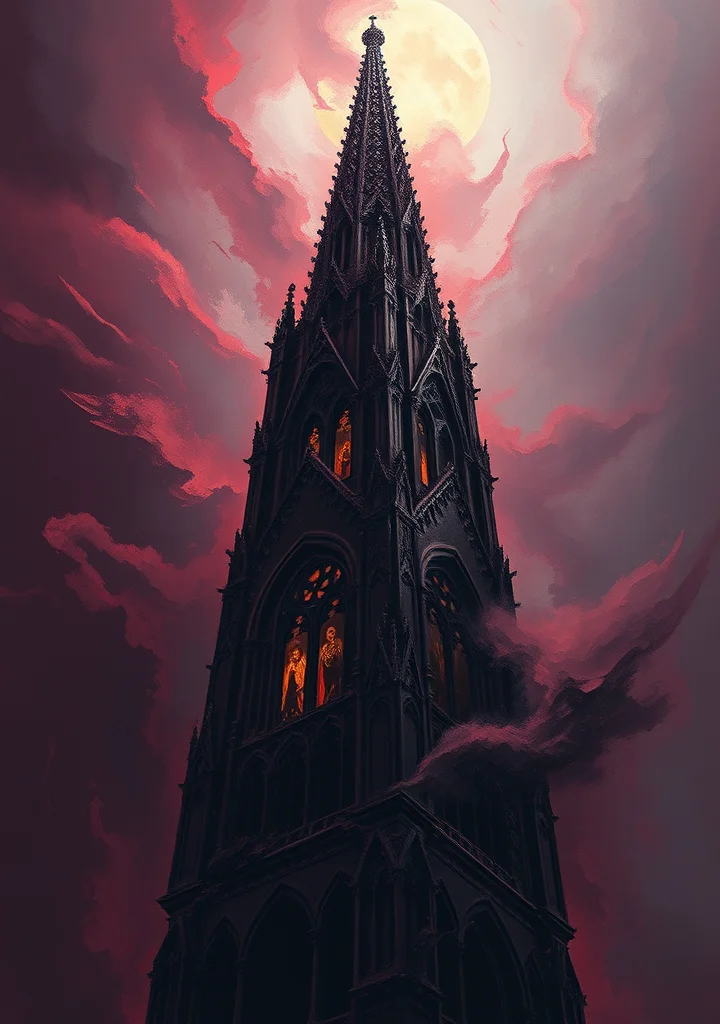
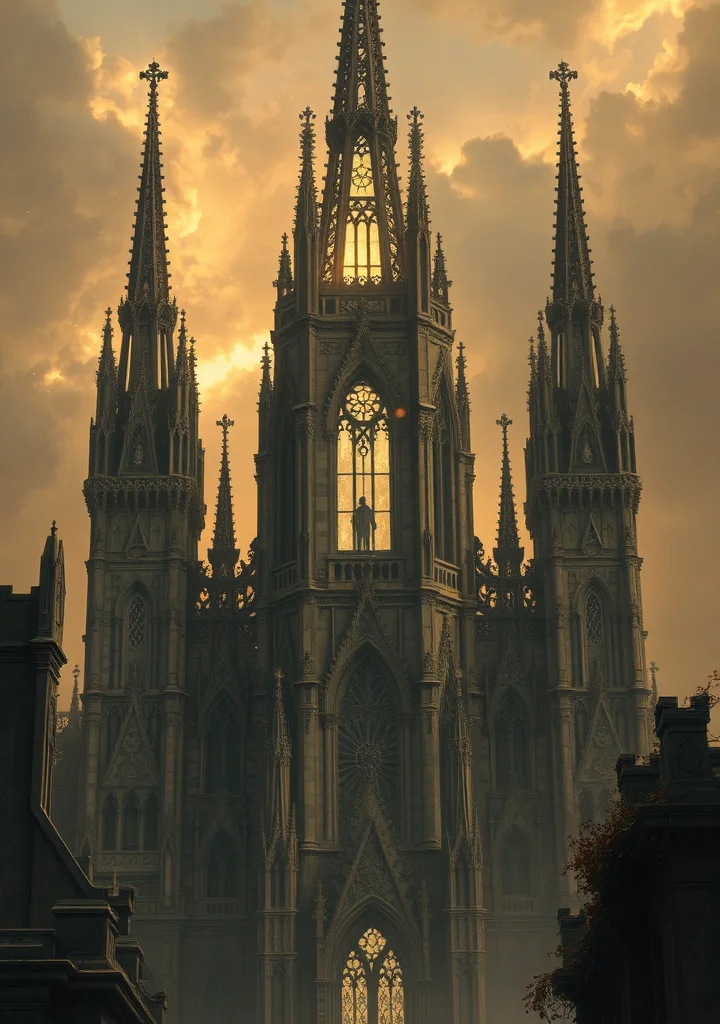
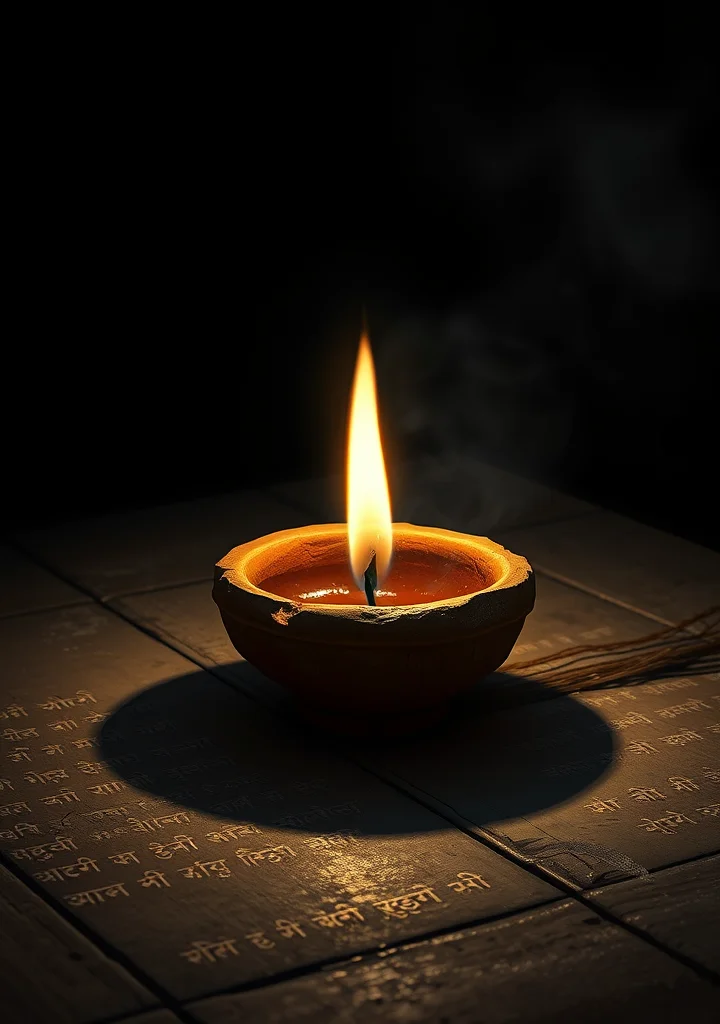
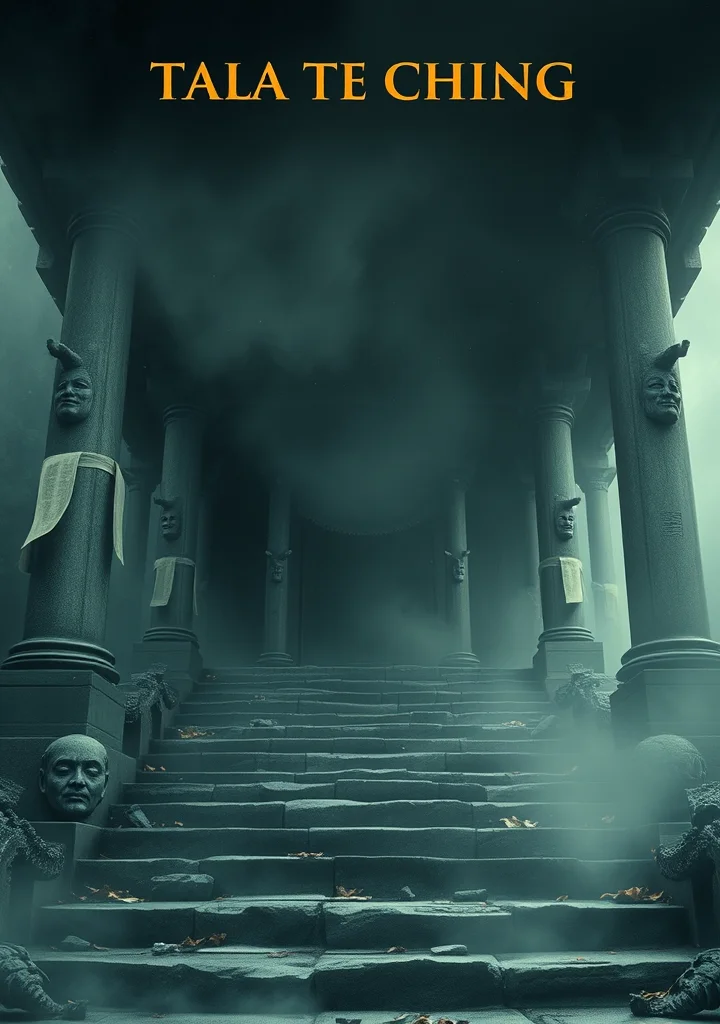
A creeping fog clings to the jade-worn paths of forgotten temples. The air tastes of ash and the murmur of ancestors. Within the crumbling scrolls, a silence breathes – not emptiness, but a weight of knowing. This is not a story of heroes or villains, but of dissolution and becoming, a slow unraveling of the self into the vast, echoing void. Each verse is a fractured reflection glimpsed in a tarnished mirror, revealing not what *is*, but what *unwinds*.
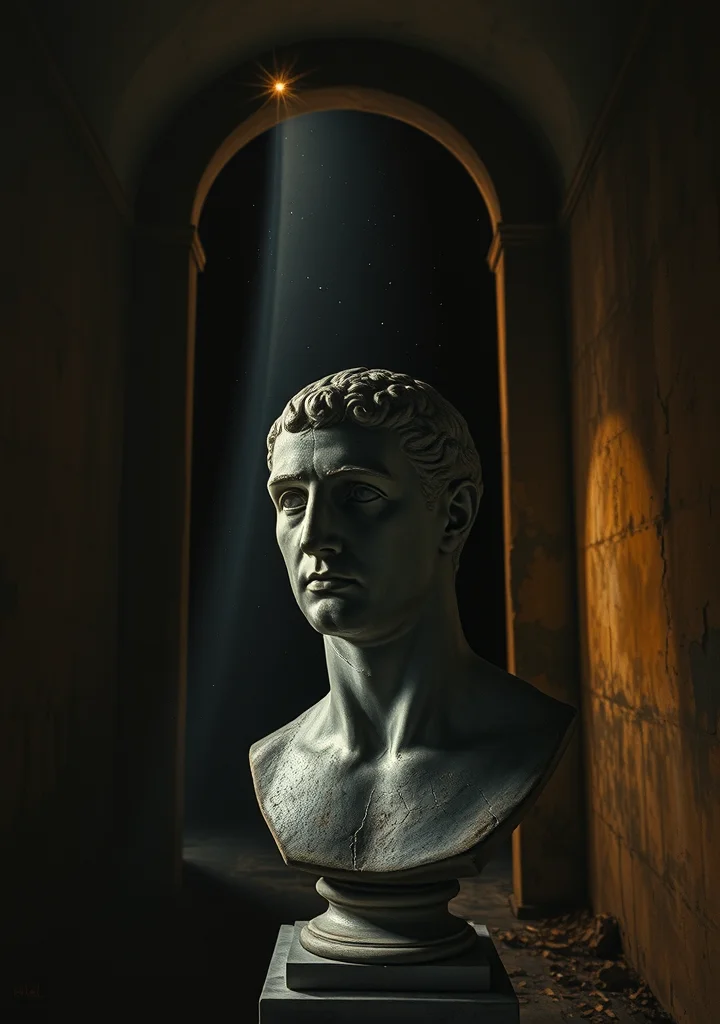
The narrative is a descent into the heart of stillness, a pilgrimage to the threshold where form dissolves into the formless. Shadows lengthen, obscuring the boundaries between dream and waking, between the tangible and the ethereal. A sense of inevitable decay pervades, not of ruin, but of release. The world bleeds into a grey monochrome, punctuated only by the cold, silver gleam of lunar logic.
The prose is a labyrinth of paradoxes, each utterance a crumbling stone in a forgotten edifice. It speaks of the nameless origin, the unseen currents that shape all things. A loneliness echoes within its pages, a profound isolation born not of solitude, but of the understanding that all things return to the source, and the source remains eternally, terrifyingly, alone. It is a haunting, a lament for the inevitable unraveling of existence, delivered in whispers carried on the wind through empty halls.
Copyright: Public Domain
This license allows anyone to use your story for any purpose, including printing, selling, or adapting it into a film freely.
This license allows anyone to use your story for any purpose, including printing, selling, or adapting it into a film freely.
Chapter List
-
« Tao Te Ching »📖 Continue Reading
-
« Preface by James Legge »
-
« Was Taoism Older ThanLaozi? »
-
« The Texts of theTao Te ChingandChuang-Tzŭ Shu, as Regards Their Authenticity and Genuineness, and the Arrangement of Them »
-
« What Is the Meaning of the NameTao? And the Chief Points of the Belief in Taoism »
-
« Accounts ofLaoziandChuang-TzŭGiven bySsŭ-Ma Chʽien »
-
« Tao Te Ching »
-
« PartI »
-
« I »
-
« II »
-
« III »
-
« IV »
-
« V »
-
« VI »
-
« VII »
-
« VIII »
-
« IX »
-
« X »
-
« XI »
-
« XII »
-
« XIII »
-
« XIV »
-
« XV »
-
« XVI »
-
« XVII »
-
« XVIII »
-
« XIX »
-
« XX »
-
« XXI »
-
« XXII »
-
« XXIII »
-
« XXIV »
-
« XXV »
-
« XXVI »
-
« XXVII »
-
« XXVIII »
-
« XXIX »
-
« XXX »
-
« XXXI »
-
« XXXII »
-
« XXXIII »
-
« XXXIV »
-
« XXXV »
-
« XXXVI »
-
« XXXVII »
-
« PartII »
-
« XXXVIII »
-
« XXXIX »
-
« XL »
-
« XLI »
-
« XLII »
-
« XLIII »
-
« XLIV »
-
« XLV »
-
« XLVI »
-
« XLVII »
-
« XLVIII »
-
« XLIX »
-
« L »
-
« LI »
-
« LII »
-
« LIII »
-
« LIV »
-
« LV »
-
« LVI »
-
« LVII »
-
« LVIII »
-
« LIX »
-
« LX »
-
« LXI »
-
« LXII »
-
« LXIII »
-
« LXIV »
-
« LXV »
-
« LXVI »
-
« LXVII »
-
« LXVIII »
-
« LXIX »
-
« LXX »
-
« LXXI »
-
« LXXII »
-
« LXXIII »
-
« LXXIV »
-
« LXXV »
-
« LXXVI »
-
« LXXVII »
-
« LXXVIII »
-
« LXXIX »
-
« LXXX »
-
« LXXXI »
90
-
« Tao Te Ching »
-
« Preface by James Legge »
-
« Was Taoism Older ThanLaozi? »
-
« The Texts of theTao Te ChingandChuang-Tzŭ Shu, as Regards Their Authenticity and Genuineness, and the Arrangement of Them »
-
« What Is the Meaning of the NameTao? And the Chief Points of the Belief in Taoism »
-
« Accounts ofLaoziandChuang-TzŭGiven bySsŭ-Ma Chʽien »
-
« Tao Te Ching »
-
« PartI »
-
« I »
-
« II »
-
« III »
-
« IV »
-
« V »
-
« VI »
-
« VII »
-
« VIII »
-
« IX »
-
« X »
-
« XI »
-
« XII »
-
« XIII »
-
« XIV »
-
« XV »
-
« XVI »
-
« XVII »
-
« XVIII »
-
« XIX »
-
« XX »
-
« XXI »
-
« XXII »
-
« XXIII »
-
« XXIV »
-
« XXV »
-
« XXVI »
-
« XXVII »
-
« XXVIII »
-
« XXIX »
-
« XXX »
-
« XXXI »
-
« XXXII »
-
« XXXIII »
-
« XXXIV »
-
« XXXV »
-
« XXXVI »
-
« XXXVII »
-
« PartII »
-
« XXXVIII »
-
« XXXIX »
-
« XL »
-
« XLI »
-
« XLII »
-
« XLIII »
-
« XLIV »
-
« XLV »
-
« XLVI »
-
« XLVII »
-
« XLVIII »
-
« XLIX »
-
« L »
-
« LI »
-
« LII »
-
« LIII »
-
« LIV »
-
« LV »
-
« LVI »
-
« LVII »
-
« LVIII »
-
« LIX »
-
« LX »
-
« LXI »
-
« LXII »
-
« LXIII »
-
« LXIV »
-
« LXV »
-
« LXVI »
-
« LXVII »
-
« LXVIII »
-
« LXIX »
-
« LXX »
-
« LXXI »
-
« LXXII »
-
« LXXIII »
-
« LXXIV »
-
« LXXV »
-
« LXXVI »
-
« LXXVII »
-
« LXXVIII »
-
« LXXIX »
-
« LXXX »
-
« LXXXI »
More like this