
-
Read 249
-
0
-
Part 15
Completed, First published Mar 02, 2026
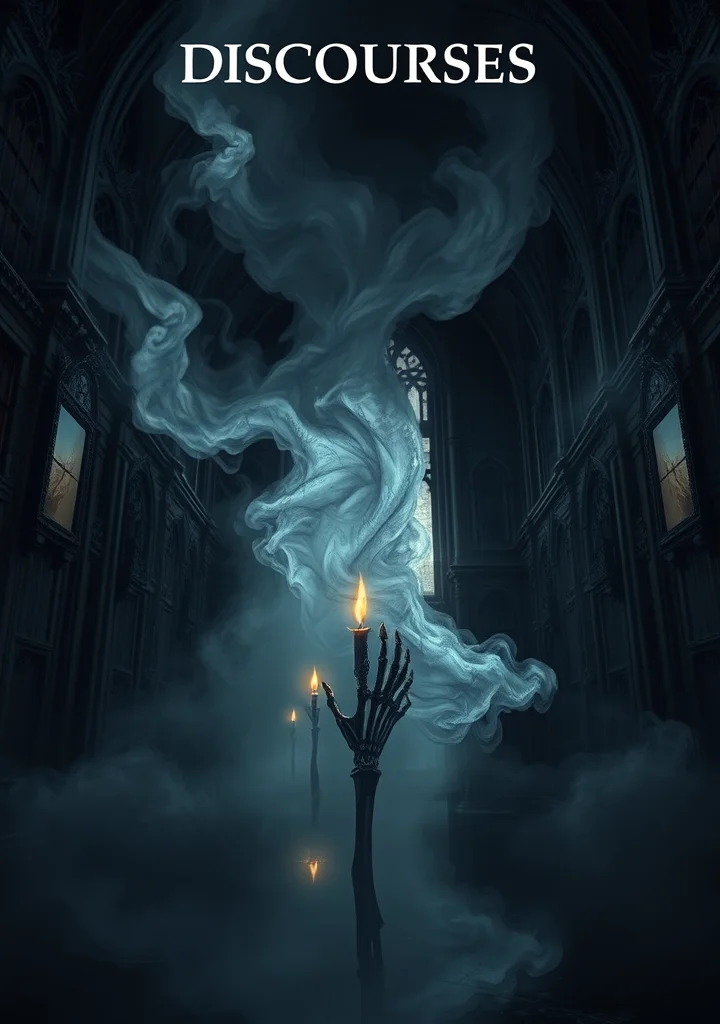
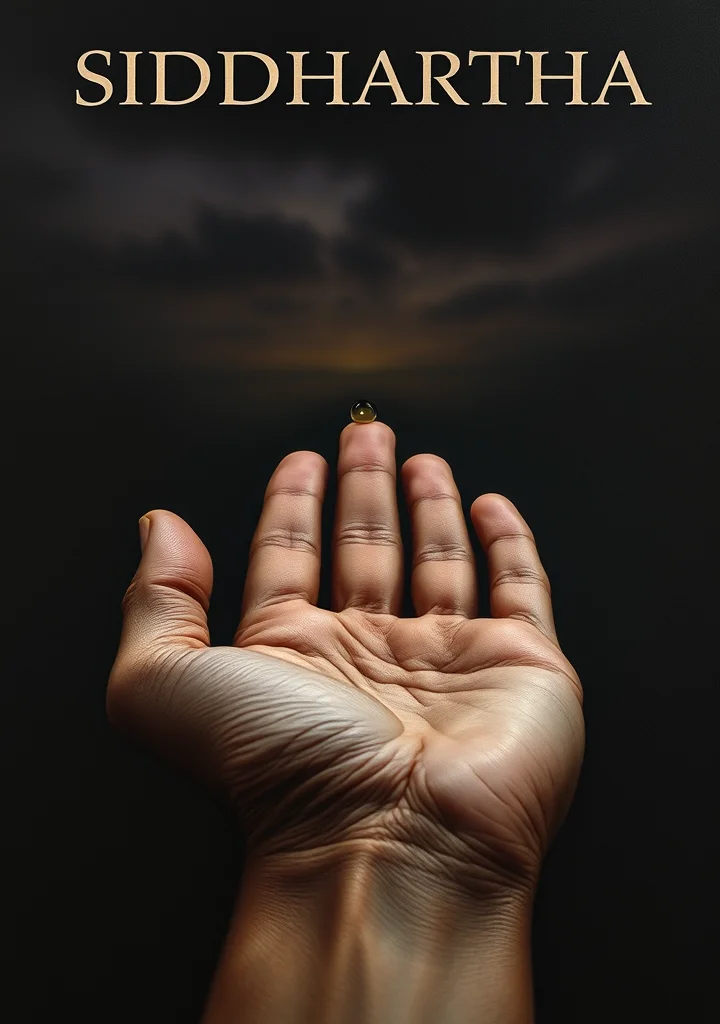
A river breathes secrets into the twilight. Not of ghosts or ghouls, but of something older, something woven into the very silt and shadow. This is a journey not through haunted houses, but through haunted selves. The scent of jasmine and decay clings to Siddhartha’s path, a fragrance both intoxicating and suffocating as he sheds the husk of his former life.
The world bleeds into a muted palette of ochre and grey, mirroring the erosion of certainty within him. Each encounter—the ascetic, the courtesan, the ferryman—feels less a conversation and more a slow, deliberate unraveling. A weight settles with the river’s current, a melancholy that isn’t sorrow, but *absence*.
There are no screams here, no rattling chains, only the hushed murmur of surrender. The narrative coils like mist, obscuring the boundaries between dream and waking, self and void. It is a descent into stillness, a hauntingly beautiful surrender to the inevitability of what is lost and what remains—a hollow echo resonating in the chambers of a life willingly emptied. The light, when it falls, feels like a lament.
Copyright: Public Domain
This license allows anyone to use your story for any purpose, including printing, selling, or adapting it into a film freely.
This license allows anyone to use your story for any purpose, including printing, selling, or adapting it into a film freely.
More like this