
-
Read 463
-
0
-
Part 26
Completed, First published Mar 02, 2026
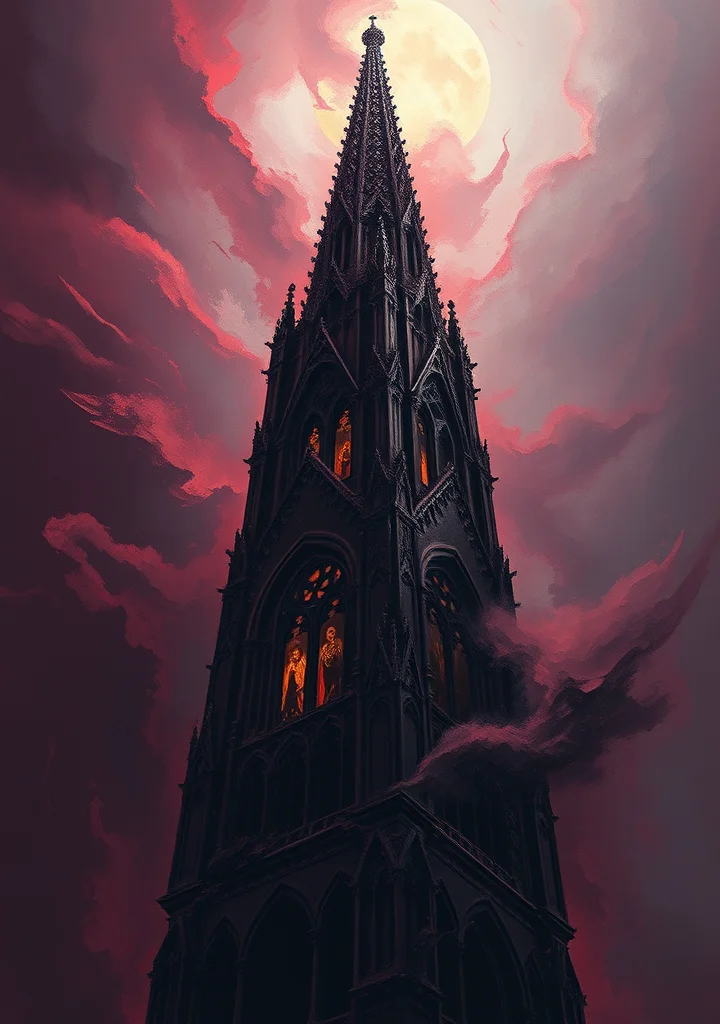
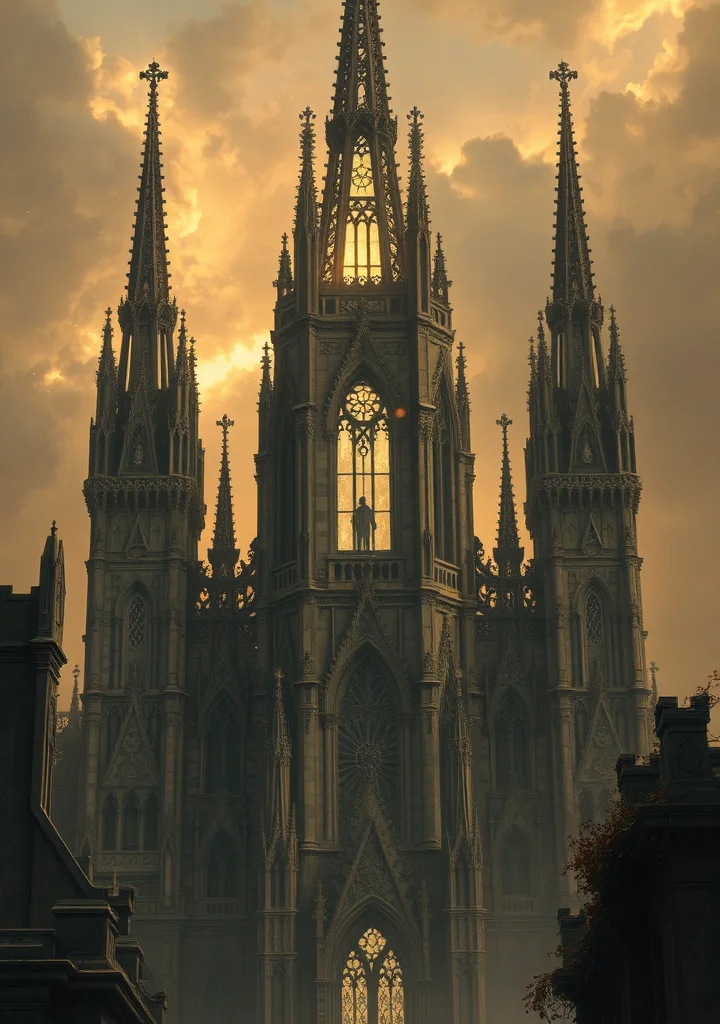
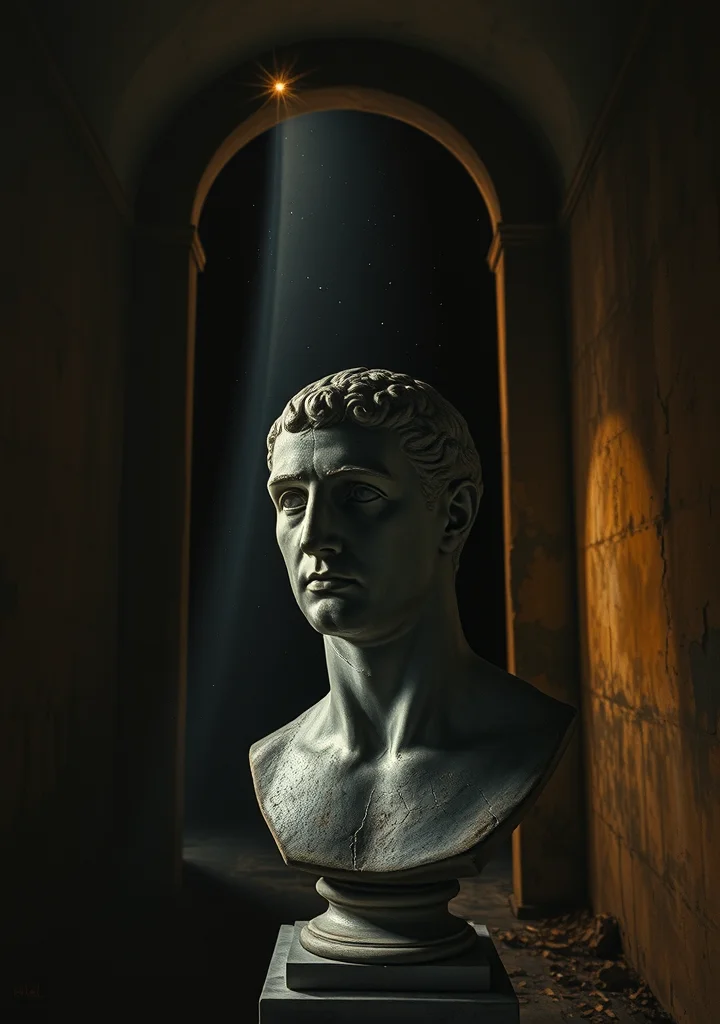
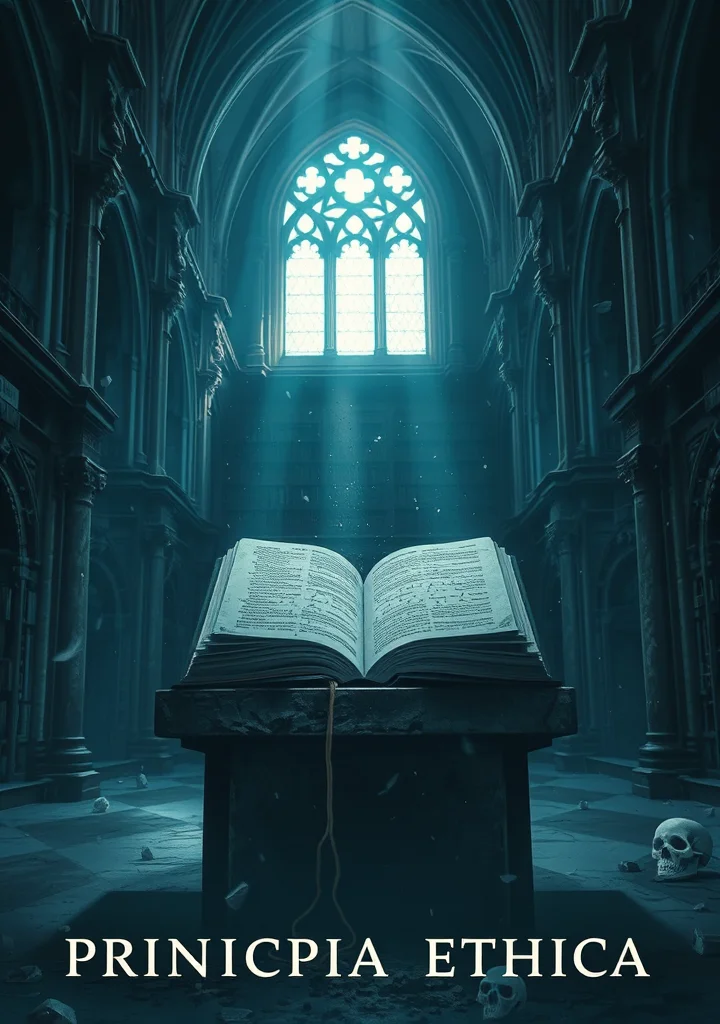
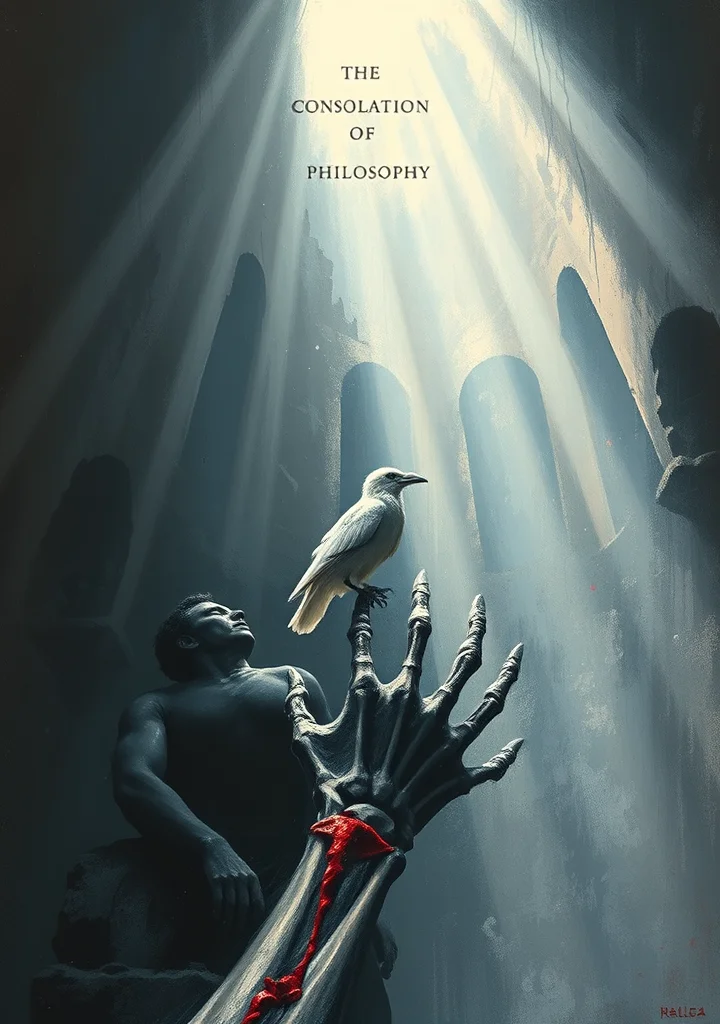
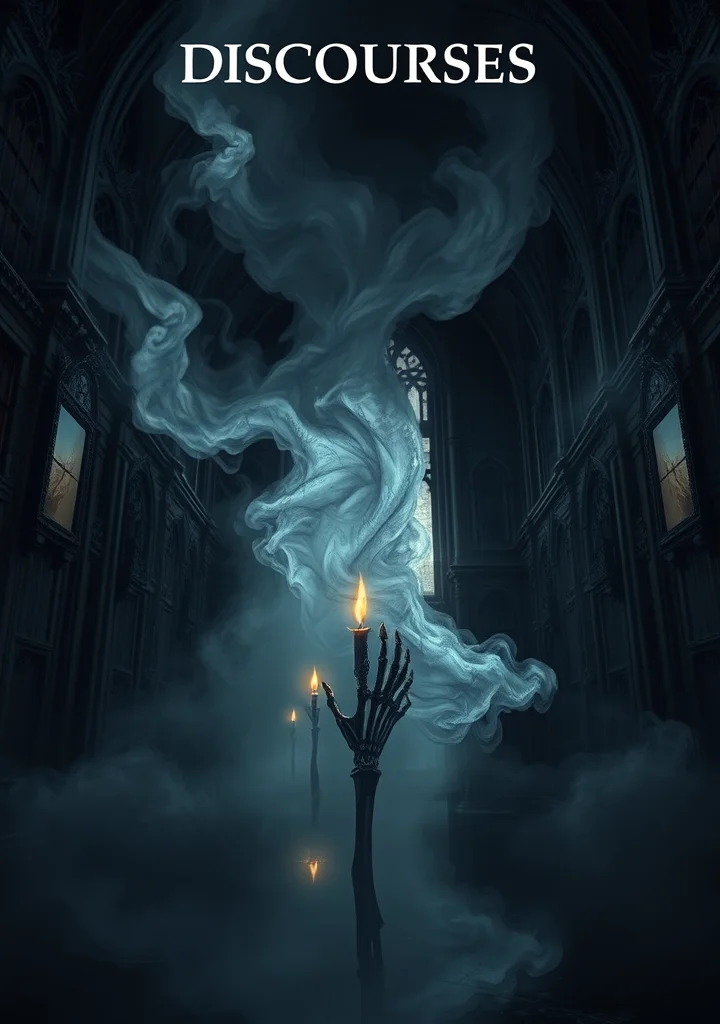
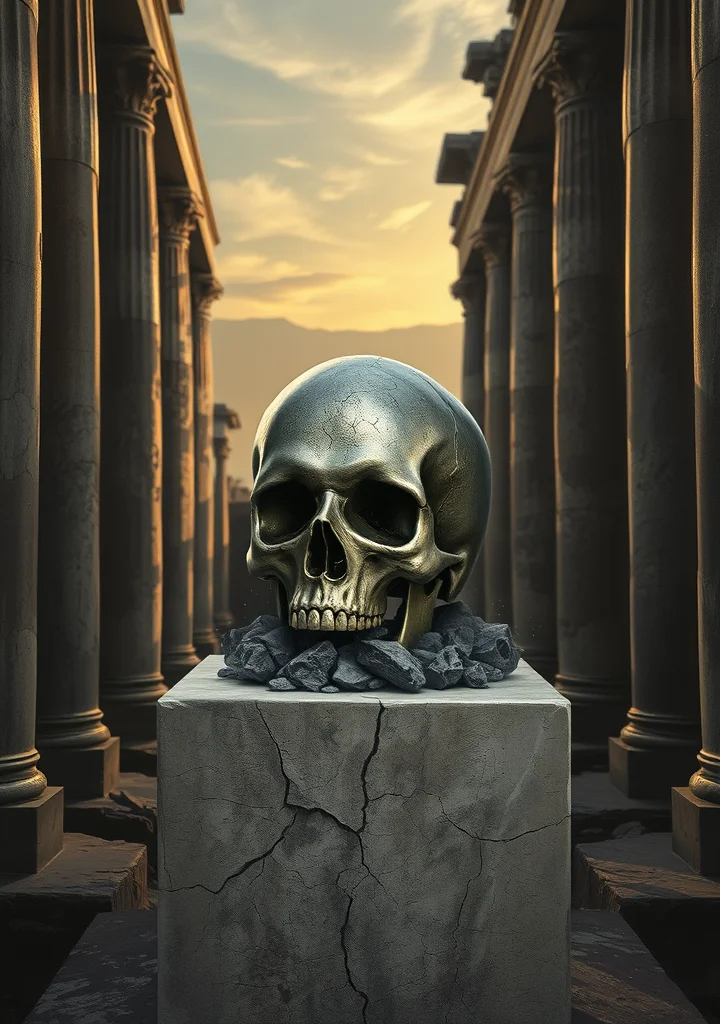
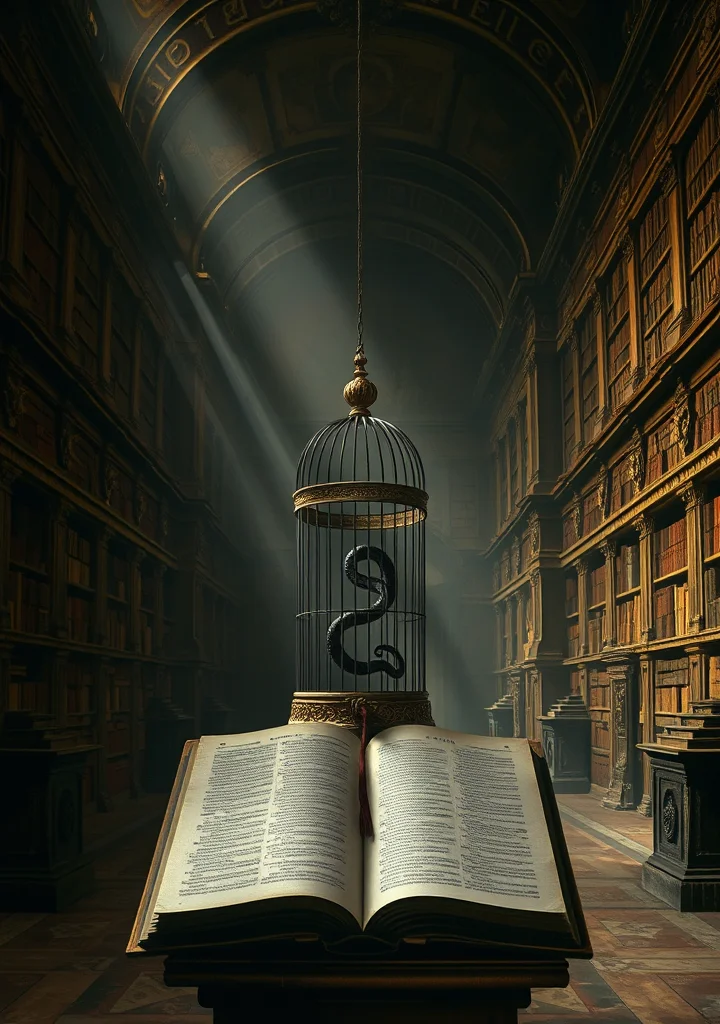
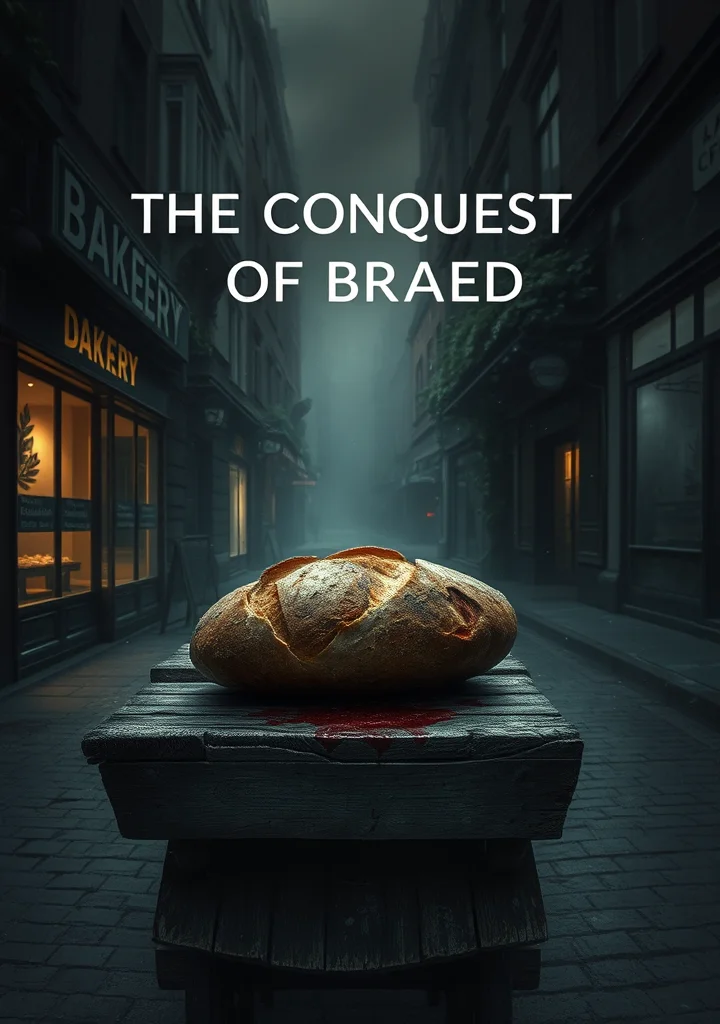
A creeping fog, not of the moor, but of the mind. Within the crumbling manor of reason, shadows lengthen with each questioning breath. This is a landscape haunted by the ghosts of certainty, where every stone of logic is slick with doubt. The narrative unfolds as a slow excavation of the self, uncovering not solid foundations, but a labyrinth of habit and association. A chill permeates the halls of perception; one feels watched, not by God or devil, but by the relentless machinery of the brain itself, dissecting experience into fragmented, spectral forms. The prose, though elegant, carries the scent of decay – a beautiful unraveling of belief. Expect no warmth here. Only the echoing chambers of a consciousness adrift, charting the barren shores of unknowable truths. The deeper one delves, the more the walls seem to press inward, suffocating beneath the weight of what *cannot* be known. A stillness descends, heavy with the implication that the self is not a fixed entity, but a phantom limb, reaching for a vanished world. The air tastes of ash and the lingering scent of extinguished fires.
Copyright: Public Domain
This license allows anyone to use your story for any purpose, including printing, selling, or adapting it into a film freely.
This license allows anyone to use your story for any purpose, including printing, selling, or adapting it into a film freely.
Chapter List
More like this