
-
Read 1.2K
-
0
-
Part 127
Completed, First published Mar 02, 2026
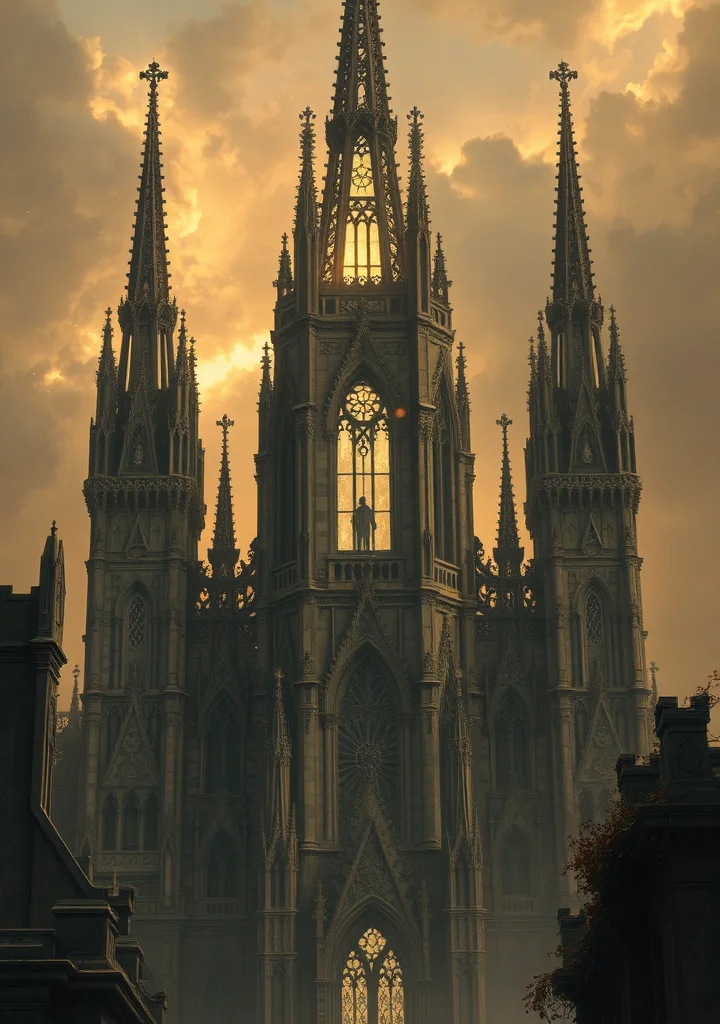
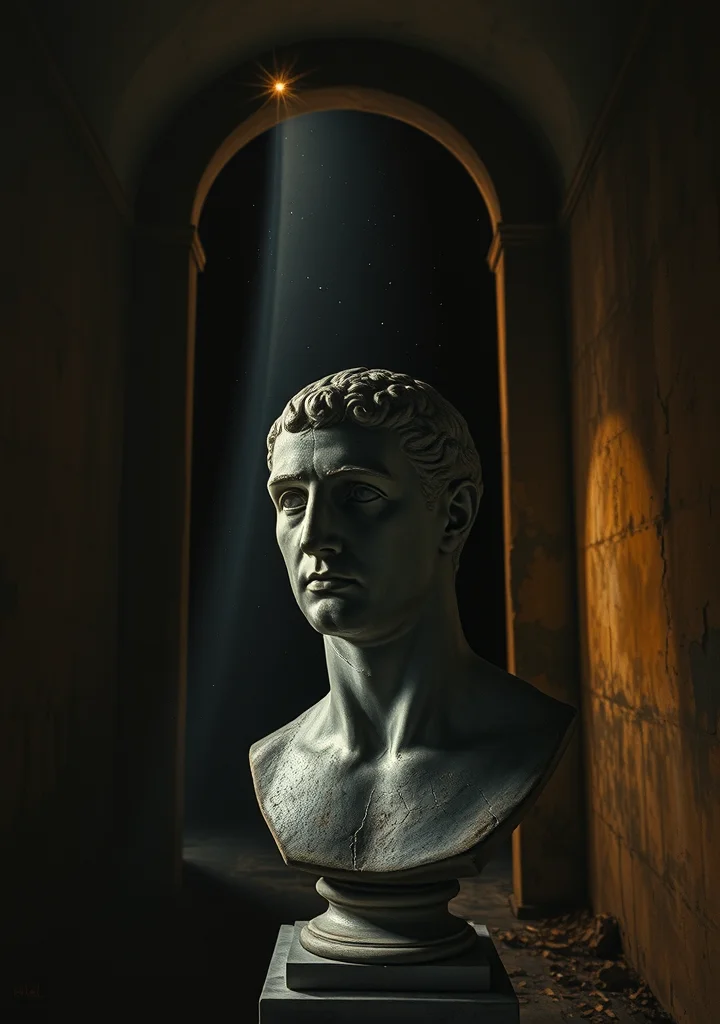
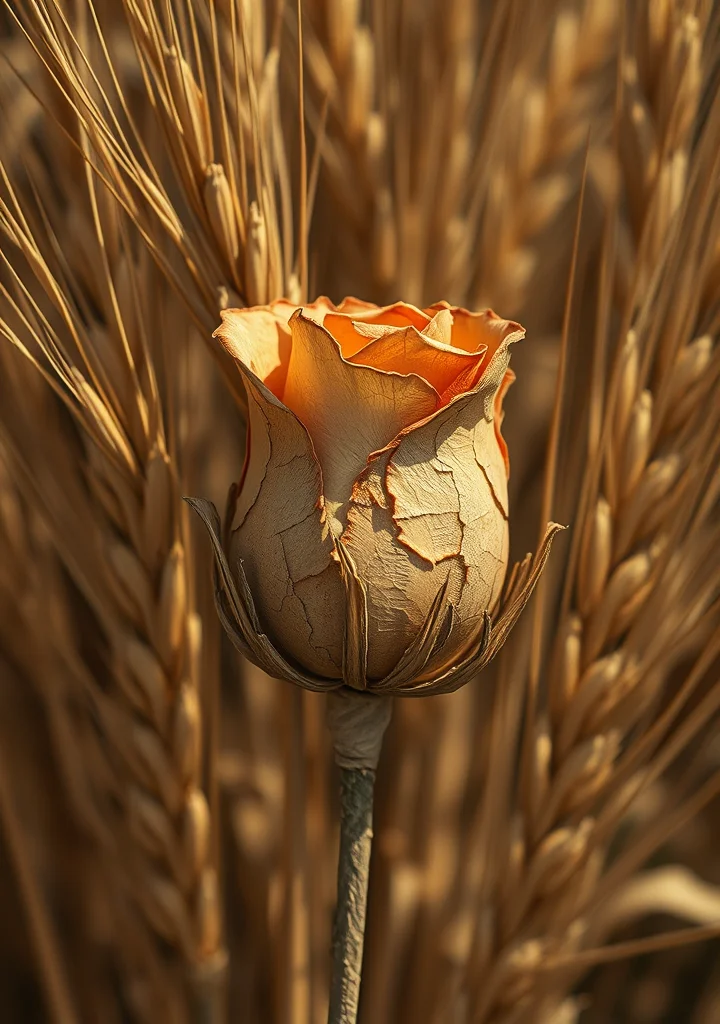
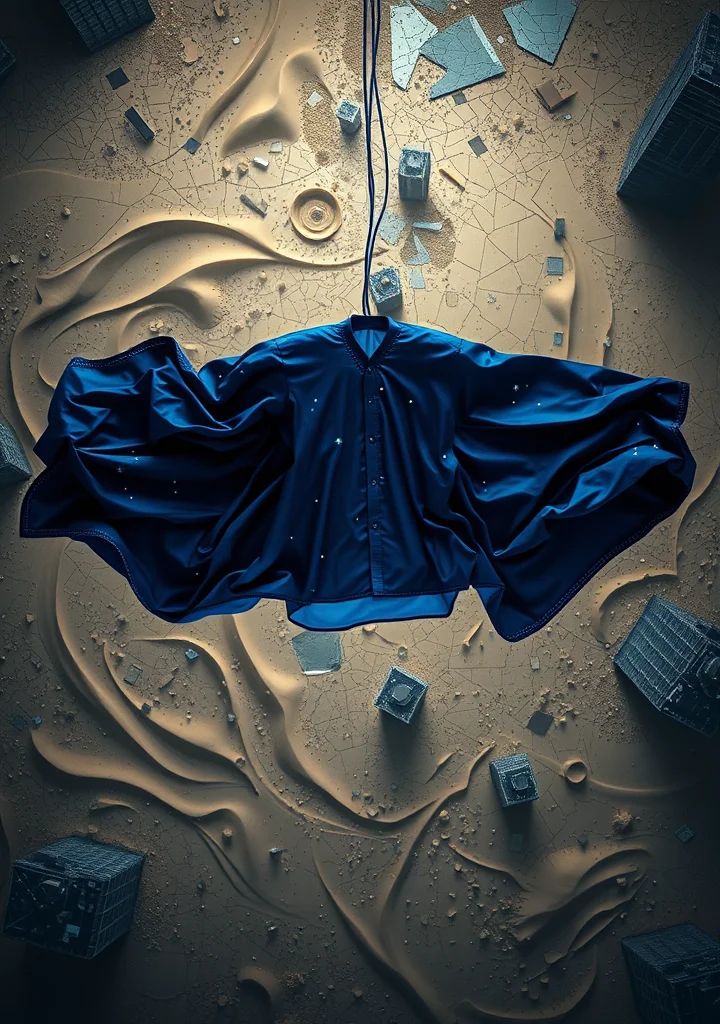
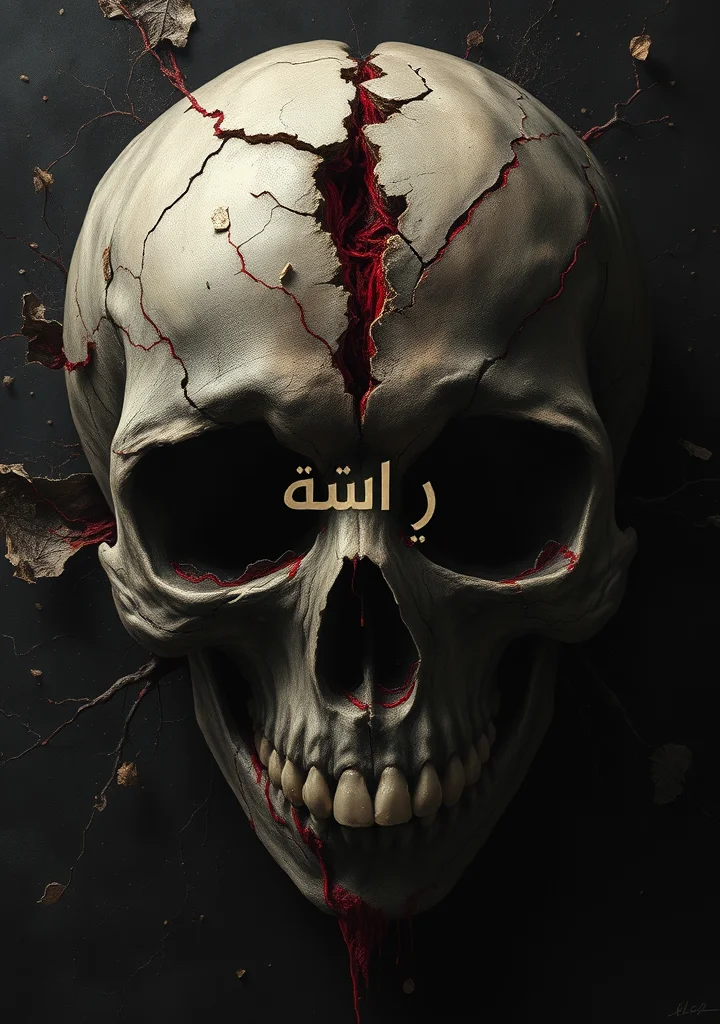
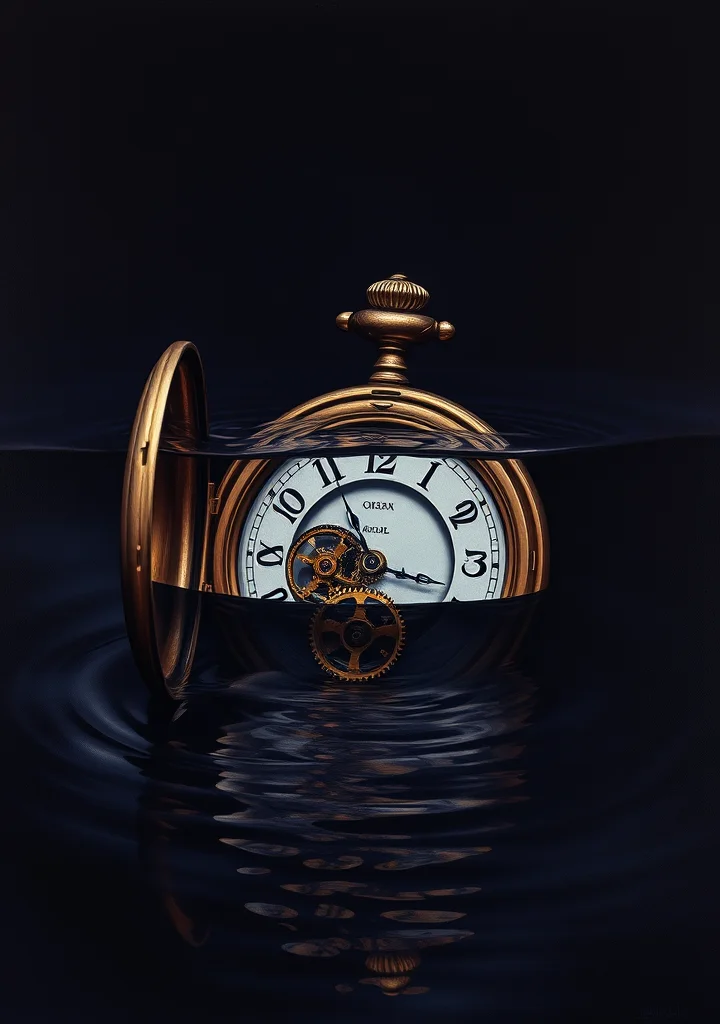
Dust motes dance in the perpetual twilight of sun-bleached marble, echoing the hushed debates within. A chill permeates these dialogues, not of stone, but of fractured minds wrestling with shadows of morality. Each question posed is a crumbling archway leading to a labyrinth of regret, each answer a phantom limb reaching for lost virtue. The very air tastes of ash and forgotten oaths, clinging to the tongue like the residue of ancient grief.
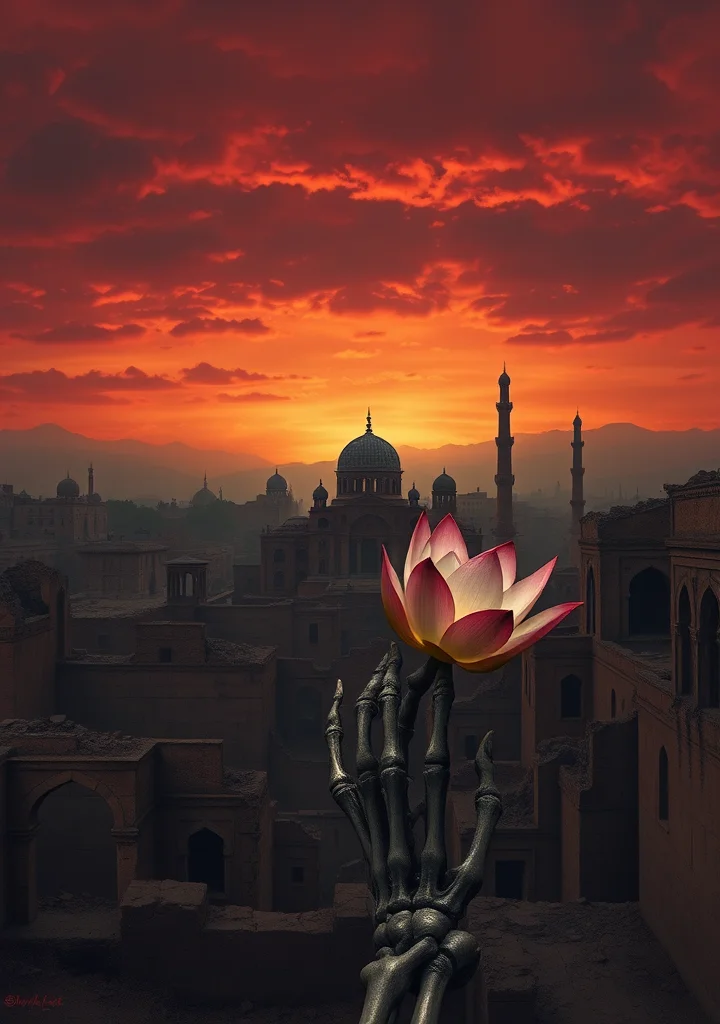
These are not celebrations of reason, but spectral gatherings in the ruins of belief. Voices—once vibrant, now hollowed by centuries—argue over the fragments of a broken world. The scent of cypress and decay rises from the text, mingling with the stale breath of men dissecting their own souls.
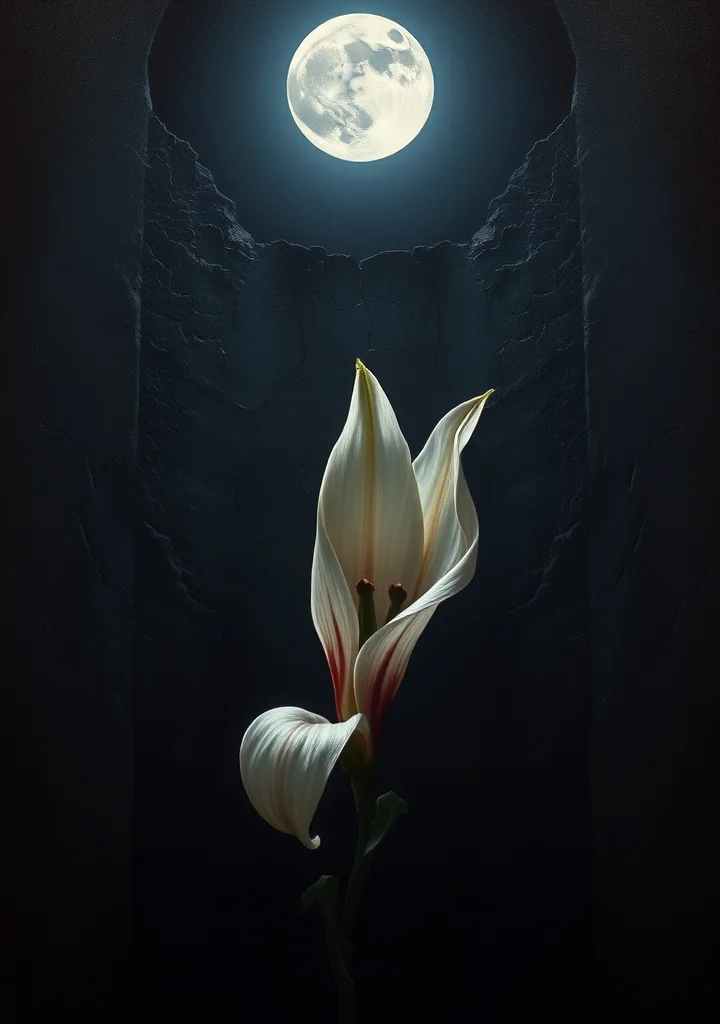
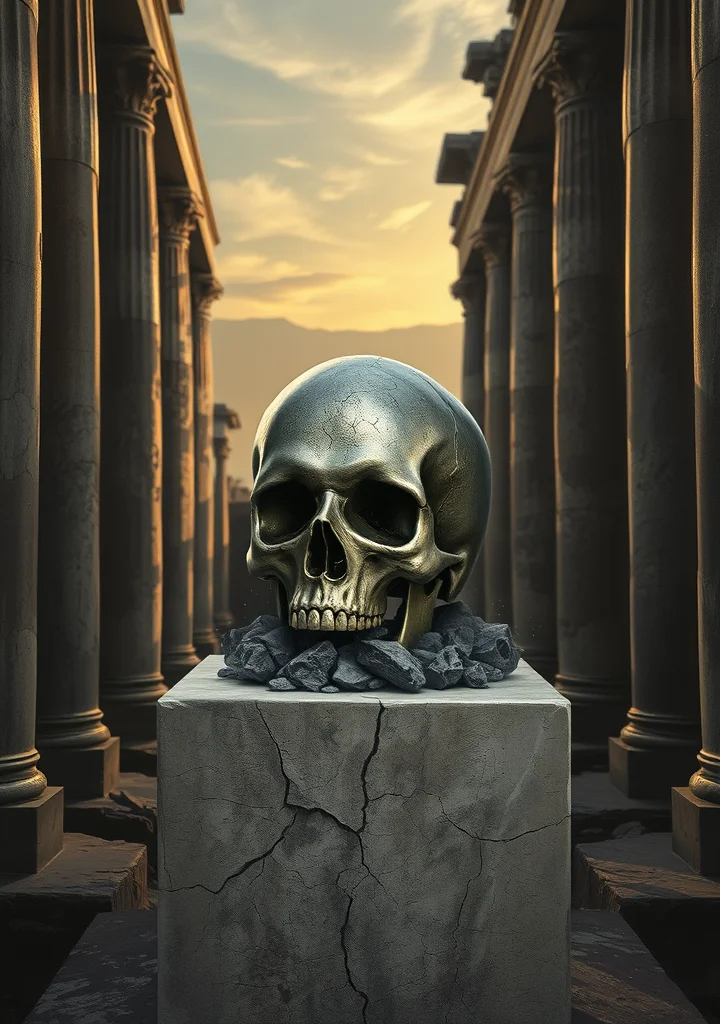
A sense of inescapable consequence haunts every exchange. The gardens of Academus bloom with poisonous blossoms, their beauty masking a rot that seeps into the bones. The dialogues unfold not as instruction, but as an unraveling—a slow, deliberate dismantling of certainty, leaving only the echoing void where clarity once stood. Even silence is a confession, a testament to the futility of chasing light in a realm already consumed by darkness.
Copyright: Public Domain
This license allows anyone to use your story for any purpose, including printing, selling, or adapting it into a film freely.
This license allows anyone to use your story for any purpose, including printing, selling, or adapting it into a film freely.
Chapter List
-
« Dialogues »📖 Continue Reading
-
« Chapter_3 »
-
« Preface to the First Edition »
-
« Preface to the Second and Third Editions »
-
« Note »
-
« Charmides »
-
« Introduction »
-
« Charmides »
-
« Chapter_11 »
-
« Lysis »
-
« Introduction »
-
« Some Questions Relating to Friendship »
-
« Lysis »
-
« Chapter_16 »
-
« Laches »
-
« Introduction »
-
« Laches »
-
« Chapter_20 »
-
« Protagoras »
-
« Introduction »
-
« Protagoras »
-
« Chapter_24 »
-
« Euthydemus »
-
« Introduction »
-
« Euthydemus »
-
« Chapter_28 »
-
« Cratylus »
-
« Introduction »
-
« Cratylus »
-
« Chapter_32 »
-
« Phaedrus »
-
« Introduction »
-
« On the Decline of Greek Literature »
-
« Phaedrus »
-
« Chapter_37 »
-
« Ion »
-
« Introduction »
-
« Ion »
-
« Chapter_41 »
-
« Symposium »
-
« Introduction »
-
« Symposium »
-
« Chapter_45 »
-
« Meno »
-
« Introduction »
-
« On the Ideas of Plato »
-
« Meno »
-
« Chapter_50 »
-
« Euthyphro »
-
« Introduction »
-
« Euthyphro »
-
« Chapter_54 »
-
« Apology »
-
« Introduction »
-
« Apology »
-
« Crito »
-
« Introduction »
-
« Crito »
-
« Chapter_61 »
-
« Phaedo »
-
« Introduction »
-
« Phaedo »
-
« Chapter_65 »
-
« Gorgias »
-
« Introduction »
-
« The Myths of Plato »
-
« Gorgias »
-
« Chapter_70 »
-
« Chapter_74 »
-
« Introduction and Analysis »
-
« §I »
-
« §II »
-
« §III »
-
« §IV »
-
« §V »
-
« §VI »
-
« §VII »
-
« §VIII »
-
« Timaeus »
-
« Chapter_96 »
-
« Critias »
-
« Introduction and Analysis »
-
« Critias »
-
« Chapter_100 »
-
« Parmenides »
-
« Introduction and Analysis »
-
« Parmenides »
-
« Chapter_104 »
-
« Introduction and Analysis »
-
« Chapter_107 »
-
« Theaetetus »
-
« Chapter_109 »
-
« Sophist »
-
« Introduction and Analysis »
-
« Sophist »
-
« Chapter_113 »
-
« Statesman »
-
« Introduction and Analysis »
-
« Statesman »
-
« Chapter_117 »
-
« Philebus »
-
« Introduction and Analysis »
-
« Philebus »
-
« Chapter_121 »
-
« Excursus on the Relation of the Laws of Plato to the Institutions of Crete and Lacedaemon and to the Laws and Constitution of Athens »
-
« Chapter_127 »
-
« Appendix »
-
« AppendixI »
-
« Lesser Hippias »
-
« Introduction »
-
« Lesser Hippias »
-
« Chapter_145 »
-
« First Alcibiades »
-
« Introduction »
-
« First Alcibiades »
-
« Chapter_149 »
-
« Menexenus »
-
« Introduction »
-
« Menexenus »
-
« Chapter_153 »
-
« AppendixII »
-
« Second Alcibiades »
-
« Chapter_156 »
-
« Eryxias »
-
« Introduction »
-
« Eryxias »
-
« Chapter_160 »
127
-
« Dialogues »
-
« Chapter_3 »
-
« Preface to the First Edition »
-
« Preface to the Second and Third Editions »
-
« Note »
-
« Charmides »
-
« Introduction »
-
« Charmides »
-
« Chapter_11 »
-
« Lysis »
-
« Introduction »
-
« Some Questions Relating to Friendship »
-
« Lysis »
-
« Chapter_16 »
-
« Laches »
-
« Introduction »
-
« Laches »
-
« Chapter_20 »
-
« Protagoras »
-
« Introduction »
-
« Protagoras »
-
« Chapter_24 »
-
« Euthydemus »
-
« Introduction »
-
« Euthydemus »
-
« Chapter_28 »
-
« Cratylus »
-
« Introduction »
-
« Cratylus »
-
« Chapter_32 »
-
« Phaedrus »
-
« Introduction »
-
« On the Decline of Greek Literature »
-
« Phaedrus »
-
« Chapter_37 »
-
« Ion »
-
« Introduction »
-
« Ion »
-
« Chapter_41 »
-
« Symposium »
-
« Introduction »
-
« Symposium »
-
« Chapter_45 »
-
« Meno »
-
« Introduction »
-
« On the Ideas of Plato »
-
« Meno »
-
« Chapter_50 »
-
« Euthyphro »
-
« Introduction »
-
« Euthyphro »
-
« Chapter_54 »
-
« Apology »
-
« Introduction »
-
« Apology »
-
« Crito »
-
« Introduction »
-
« Crito »
-
« Chapter_61 »
-
« Phaedo »
-
« Introduction »
-
« Phaedo »
-
« Chapter_65 »
-
« Gorgias »
-
« Introduction »
-
« The Myths of Plato »
-
« Gorgias »
-
« Chapter_70 »
-
« Chapter_74 »
-
« Introduction and Analysis »
-
« §I »
-
« §II »
-
« §III »
-
« §IV »
-
« §V »
-
« §VI »
-
« §VII »
-
« §VIII »
-
« Timaeus »
-
« Chapter_96 »
-
« Critias »
-
« Introduction and Analysis »
-
« Critias »
-
« Chapter_100 »
-
« Parmenides »
-
« Introduction and Analysis »
-
« Parmenides »
-
« Chapter_104 »
-
« Introduction and Analysis »
-
« Chapter_107 »
-
« Theaetetus »
-
« Chapter_109 »
-
« Sophist »
-
« Introduction and Analysis »
-
« Sophist »
-
« Chapter_113 »
-
« Statesman »
-
« Introduction and Analysis »
-
« Statesman »
-
« Chapter_117 »
-
« Philebus »
-
« Introduction and Analysis »
-
« Philebus »
-
« Chapter_121 »
-
« Excursus on the Relation of the Laws of Plato to the Institutions of Crete and Lacedaemon and to the Laws and Constitution of Athens »
-
« Chapter_127 »
-
« Appendix »
-
« AppendixI »
-
« Lesser Hippias »
-
« Introduction »
-
« Lesser Hippias »
-
« Chapter_145 »
-
« First Alcibiades »
-
« Introduction »
-
« First Alcibiades »
-
« Chapter_149 »
-
« Menexenus »
-
« Introduction »
-
« Menexenus »
-
« Chapter_153 »
-
« AppendixII »
-
« Second Alcibiades »
-
« Chapter_156 »
-
« Eryxias »
-
« Introduction »
-
« Eryxias »
-
« Chapter_160 »
More like this