
The Problems of Philosophy
  • 123
  • 0
  • 20
  • Reads 123
  • 0
  • Part 20
Completed, First published Mar 02, 2026

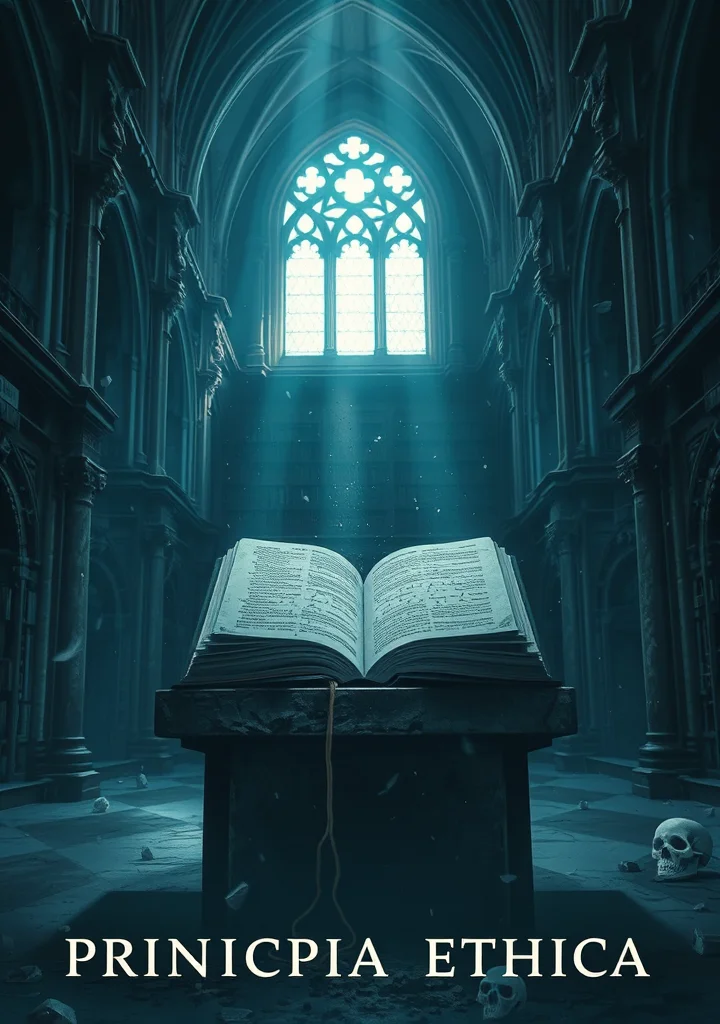
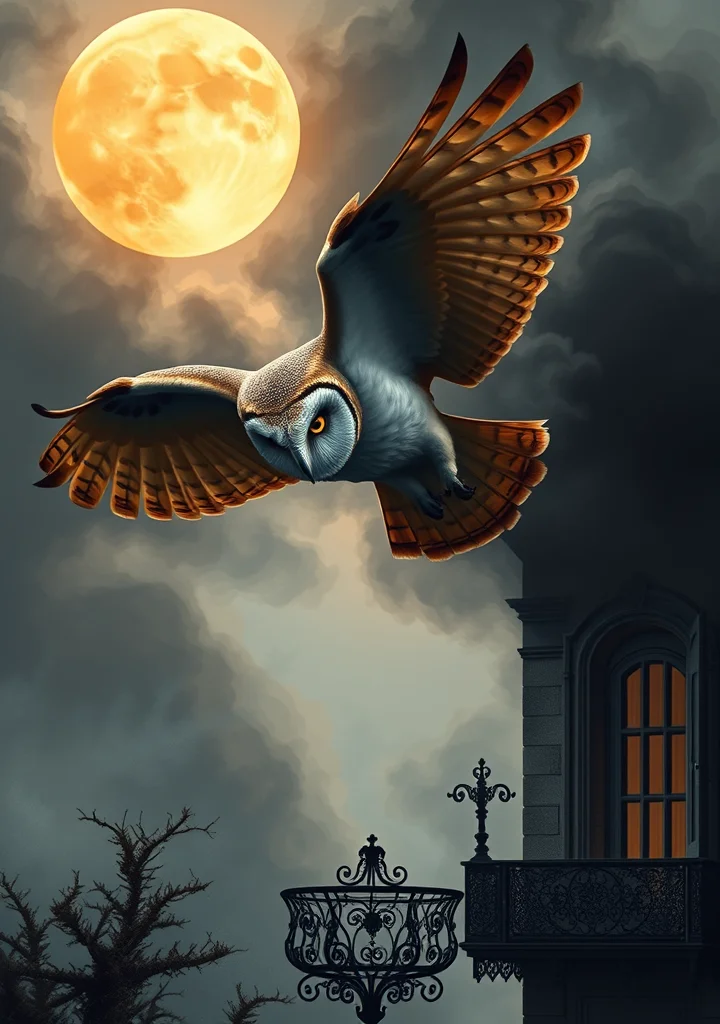
A creeping fog clings to the crumbling estate of reason, each shadowed alcove echoing with the fractured logic of a mind unraveling. Within, dust motes dance in the pallid moonlight illuminating endless corridors of doubt. The air hangs thick with the scent of decaying certainty, a perfume of unanswered questions and the chilling drafts of skepticism. Here, the very foundations of knowledge are riddled with wormholes, and the pursuit of truth becomes a descent into a labyrinth of fractured perception. Every chamber reveals a new phantom – the specter of idealism, the wraith of materialism – each more haunting than the last. The estate’s master, a scholar consumed by his own inquiries, wanders its halls, a gaunt figure tracing the brittle outlines of thought with trembling hands. He is not merely seeking understanding; he is locked within a prison built of his own relentless questioning, the walls closing in with each paradox unearthed. The silence is broken only by the rhythmic ticking of a clock counting down not to salvation, but to the final, suffocating realization that the world, as perceived, is a landscape of shifting sands. The estate itself breathes with a cold, intellectual despair, a monument to the beautiful, terrifying void at the heart of existence.
Copyright: Public Domain
This license allows anyone to use your story for any purpose, including printing, selling, or adapting it into a film freely.
Recommended for you
21 Part
Dust motes dance in the perpetual twilight of Sector Gamma-Nine, a station clinging to the void like a barnacle to a dying whale. Here, where the air tastes of recycled regret and the metal groans with the weight of forgotten debts, Elara Vane operates. She’s a shadow broker, a whisper in the corridors, trading in salvaged tech and stolen futures. But Elara isn’t just surviving; she’s meticulously dismantling the Authority’s stranglehold, piece by piece. The station itself is a labyrinth of decay, each level a deeper descent into shadowed alcoves and echoing maintenance shafts. Crimson emergency lights flicker against peeling bulkheads, painting the faces of the desperate in hues of blood and desperation. Every vent hums with the static of surveillance, every corner holds the ghost of a broken promise. Her ‘agents’ aren’t heroes, they're the refuse of the Authority’s purges - bio-engineered war-breds, discarded synthetics, and the remnants of a forgotten colony. Each one a weapon forged in the darkness, their loyalty bought with the currency of shared grievance. The air grows thick with the scent of ozone and desperation as Elara moves closer to the Authority's core, a cold, black monolith at the station's heart. It’s a place where the echoes of screams are trapped in the metal, and where the price of defiance is paid in the currency of fractured souls. The station isn’t just a prison; it's a tomb, and Elara Vane is determined to drag the Authority down with it. The only question is: will she become a ghost in the process?
31 Part
A creeping fog clings to the cobbled streets of Windsor, thick with whispers of discontent and shadowed desires. Though laughter rings from the alehouses, it’s a brittle sound, echoing off the damp stone walls of houses where secrets fester like rot beneath floorboards. Mistress Page and Mistress Ford, pillars of their small society, find their lives curdled by a cunning malice – a desperate, disguised man, fueled by wounded pride and fueled by envy. The air smells of woodsmoke and simmering resentment, and the scent of roses in their gardens is tainted by the thorns of suspicion. The play unfolds not as merriment, but as a tightening snare. Every jest feels laced with threat, every shared confidence a potential betrayal. Sunlight feels weak and sickly, unable to penetrate the gloom that clings to the characters, mirroring the darkness within their hearts. The forest surrounding Windsor becomes a labyrinth of anxieties, where the shadows dance with the phantom of a cuckolded husband, driven to madness by the possibility of deceit. Even the fool's antics feel edged with desperation, mirroring the frantic attempts to keep a crumbling facade of respectability intact. The play is a slow suffocation under the weight of societal expectation, where the merriment is a desperate, feverish attempt to ward off a lurking dread. It's a world where a stolen glance, a whispered word, can unravel lives and leave only the hollow echo of broken trust.
34 Part
A creeping dampness clings to the shadowed corners of the Winslow household, a chill not of the season but of a grief-worn legacy. The very stones seem to exhale sorrow with each rustle of the overgrown gardens. Pollyanna, a fragile bloom thrust into this withered estate, doesn’t merely enter, but *infests* the space with a light that feels less divine and more… insistent. It’s a warmth that doesn’t thaw, but *reveals* what was always lurking beneath the frost: the brittle bones of forgotten resentments, the choked whispers of lost hopes. Her ‘Glad Game’ isn’t joy, but an excavation. Each forced optimism feels like a splintering of something ancient and unyielding within the walls. The house itself becomes a labyrinth of unearthed wounds, each room a mausoleum holding a fragment of the Winslows’ decaying souls. The scent of potpourri and beeswax isn’t sweetness, but the cloying perfume of decay masked with desperate floral pleas. The shadows lengthen with each perceived blessing, twisting into shapes of accusation and regret. Even the children, pale moths drawn to Pollyanna’s flame, carry the weight of generations trapped within the Winslow’s suffocating embrace. It isn’t a story of finding happiness, but of witnessing a slow, beautiful unraveling, as Pollyanna doesn't heal the house, but *becomes* its haunting echo. The final revelation isn't of joy found, but of the monstrous, beautiful thing that blooms in the darkness when hope is stretched too thin.
34 Part
A suffocating humidity clings to the Louisiana sugarcane fields, thick as the bloodlines twisted by ownership. Clotel, born into a gilded cage of false promise, drifts through shadowed parlors and decaying grandeur, a living ghost haunting the periphery of white desire. The narrative unravels like Spanish moss from a crumbling portico, revealing a landscape not of romance, but of insidious ownership masquerading as affection. Each stolen glance, each whispered secret, festers in a world where beauty is a commodity, and a woman’s worth measured by the curve of her hip and the color of her skin. The story descends into a labyrinth of inherited sorrow, tracing the fractured lives of those deemed property, their identities splintered and sold with the auctioneer’s hammer. A pervasive dread bleeds from the pages—not of overt violence, but of a slow, insidious erosion of self, a haunting stillness punctuated by the crack of the whip and the stifled cries of the enslaved. Even as Clotel’s journey carries her across borders, into the heart of the nation’s capital, the weight of her past—and the chains that bind her—never fully lift. The narrative becomes a shadowed reflection of a nation built on stolen dreams, where escape offers only the illusion of freedom, and every sanctuary holds the scent of betrayal. The final chapters echo with the hollow resonance of loss, a descent into a darkness as complete as the burial of a forgotten name.
47 Part
A creeping dread clings to the shadowed halls of Ashworth Manor, where the legacy of Silas Blackwood, a man rumored to have made pacts with something ancient and hungry, festers in the very stones. The air hangs thick with the scent of decay and forgotten sin, mirroring the rot within the Blackwood family itself. A suffocating inheritance binds young Arthur to a lineage steeped in whispered accusations of devilry, and the manor’s sprawling, overgrown grounds seem to pulse with a life both alluring and menacing. Every antique mirror reflects not faces, but fleeting glimpses of something *other*, and the relentless drumming of rain against the leaded windows feels less like weather and more like a desperate plea for release. The novel unravels with a slow, agonizing unraveling of sanity, the narrative choked by claustrophobic interiors and the oppressive weight of a past that refuses to stay buried. A creeping paranoia descends, blurring the line between the living and the dead, as Arthur discovers his inheritance is not merely land and title, but a monstrous legacy etched into his very blood. The narrative unfolds like a fever dream, punctuated by stolen glances at shadowed figures, the scent of damp earth clinging to every breath, and a chilling sense that something malevolent stalks the corridors, always just beyond the periphery of vision. A suffocating dread permeates every page, where the true horror lies not in what is seen, but in what is *felt* - the suffocating presence of a darkness that has waited centuries to claim its due.