
-
Read 1.8K
-
0
-
Part 85
Completed, First published Mar 02, 2026
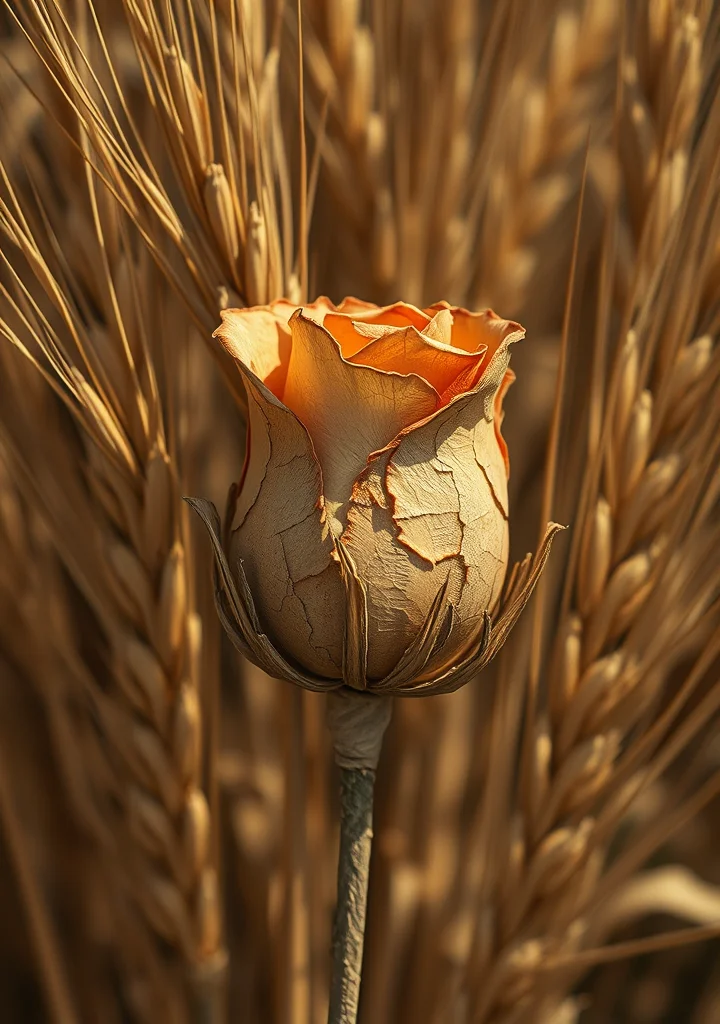
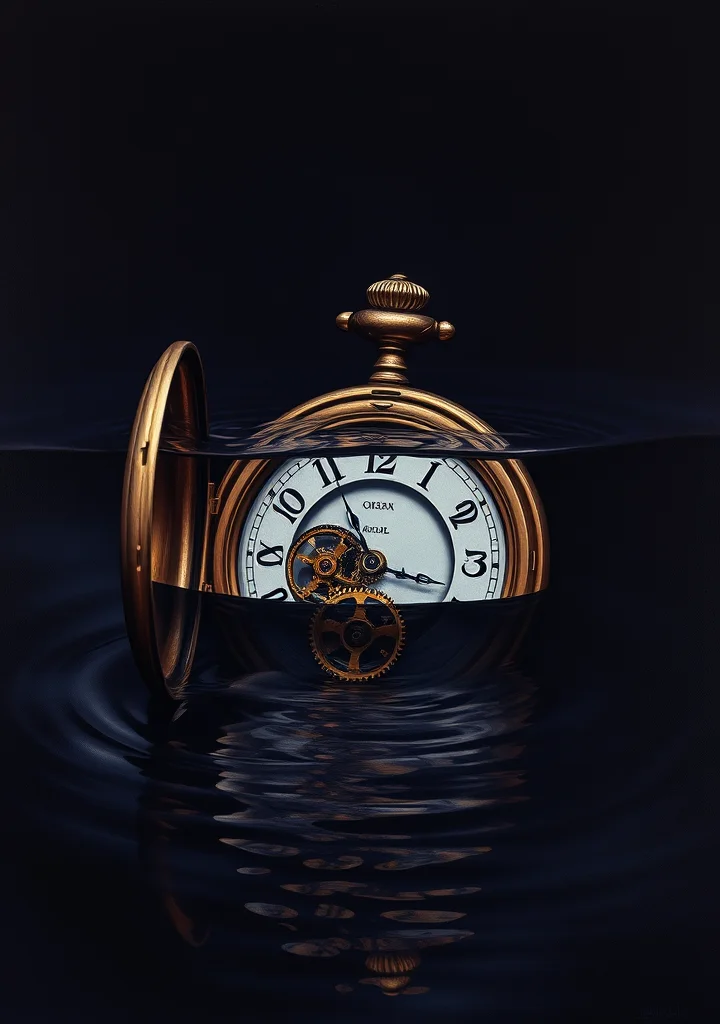
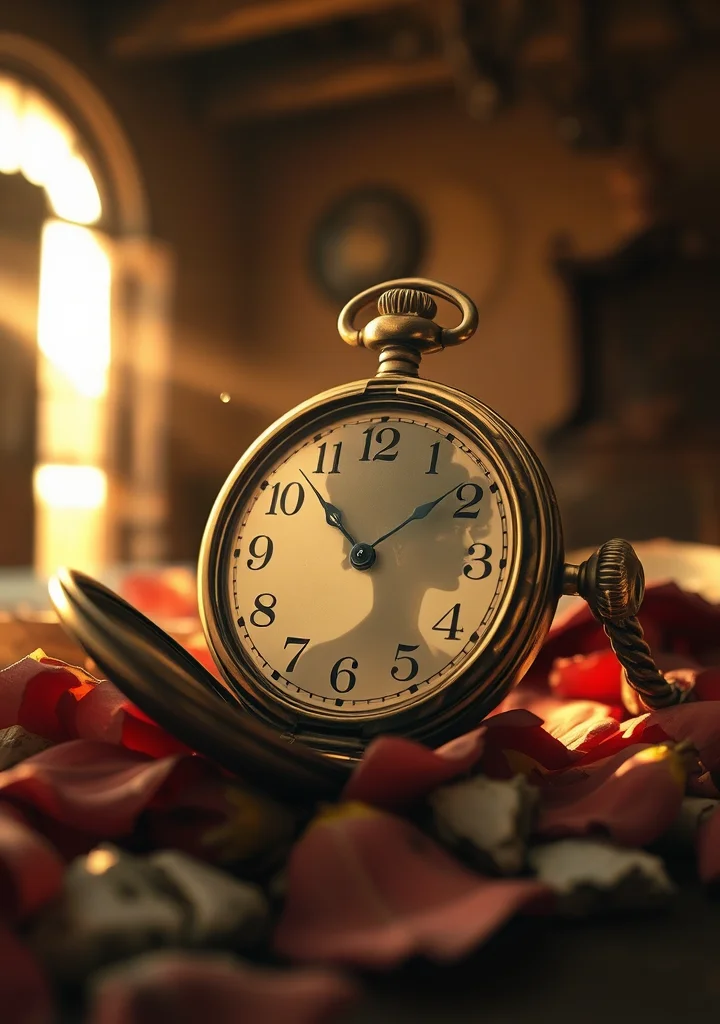
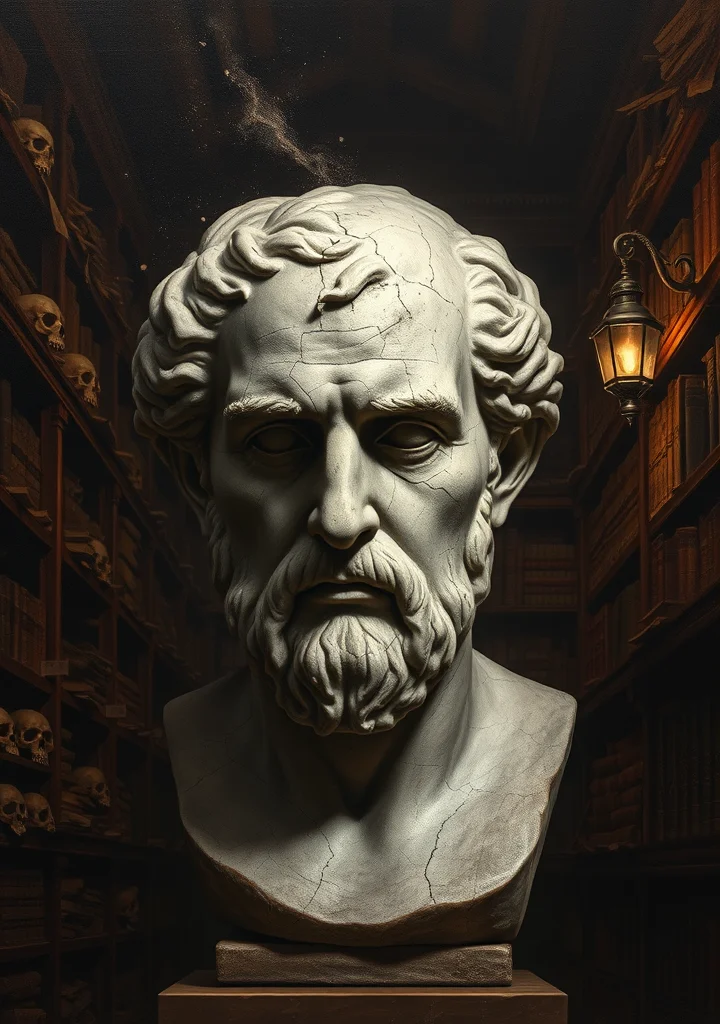
Dust motes dance in the flickering lamplight, illuminating fragments of lives devoured by shadow. This is not a history of thought, but a necropolis of intellect—each anecdote a chipped gravestone in a garden overgrown with thorns of cynicism. Laërtius doesn’t chronicle wisdom, he dissects decay. The scent of brine and mold clings to every tale of stoic endurance, every poisoned chalice offered to a failing god. A pervasive loneliness permeates these pages, a sense of watching brilliance wither into bitterness. The echoes of laughter, of argument, of quiet desperation, rise from crumbling villas and sun-bleached marble busts. These are not portraits of men, but of ghosts haunting the periphery of reason, forever tethered to the ruins of their own minds. It’s a fever dream of erudition, where every observation is a slow unraveling, and the pursuit of virtue leaves only the taste of ash in the mouth. The very air around these stories feels thin, brittle, as if to speak of them aloud might shatter them into nothingness. It is a morbid collection, a testament to the futility of seeking clarity in a world already consumed by darkness.
Copyright: Public Domain
This license allows anyone to use your story for any purpose, including printing, selling, or adapting it into a film freely.
This license allows anyone to use your story for any purpose, including printing, selling, or adapting it into a film freely.
Chapter List
-
« The Lives and Opinions of Eminent Philosophers »📖 Continue Reading
-
« Preface »
-
« The Lives and Opinions of Eminent Philosophers »
-
« Introduction »
-
« Thales »
-
« Solon »
-
« Chilo »
-
« Pittacus »
-
« Bias »
-
« Cleobulus »
-
« Periander »
-
« Anacharsis, the Scythian »
-
« Myson »
-
« Epimenides »
-
« Pherecydes »
-
« Anaximander »
-
« Anaximenes »
-
« Anaxagoras »
-
« Archelaus »
-
« Socrates »
-
« Xenophon »
-
« Aeschines »
-
« Aristippus »
-
« Phaedo »
-
« Euclides »
-
« Stilpo »
-
« Crito »
-
« Simon »
-
« Glauco »
-
« Simias »
-
« Cebes »
-
« Menedemus »
-
« Plato »
-
« Speusippus »
-
« Xenocrates »
-
« Polemo »
-
« Crates »
-
« Crantor »
-
« Arcesilaus »
-
« Bion »
-
« Lacydes »
-
« Carneades »
-
« Clitomachus »
-
« Aristotle »
-
« Theophrastus »
-
« Strato »
-
« Lycon »
-
« Demetrius »
-
« Heraclides »
-
« Antisthenes »
-
« Diogenes »
-
« Monimus »
-
« Onesicritus »
-
« Crates »
-
« Metrocles »
-
« Hipparchia »
-
« Menippus »
-
« Menedemus »
-
« Zeno »
-
« Ariston »
-
« Herillus »
-
« Dionysius »
-
« Cleanthes »
-
« Sphaerus »
-
« Chrysippus »
-
« Pythagoras »
-
« Empedocles »
-
« Epicharmus »
-
« Archytas »
-
« Alcmaeon »
-
« Hippasus »
-
« Philolaus »
-
« Eudoxus »
-
« Heraclitus »
-
« Xenophanes »
-
« Parmenides »
-
« Melissus »
-
« Zeno, the Eleatic »
-
« Leucippus »
-
« Democritus »
-
« Protagoras »
-
« Diogenes of Apollonia »
-
« Anaxarchus »
-
« Pyrrho »
-
« Timon »
85
-
« The Lives and Opinions of Eminent Philosophers »
-
« Preface »
-
« The Lives and Opinions of Eminent Philosophers »
-
« Introduction »
-
« Thales »
-
« Solon »
-
« Chilo »
-
« Pittacus »
-
« Bias »
-
« Cleobulus »
-
« Periander »
-
« Anacharsis, the Scythian »
-
« Myson »
-
« Epimenides »
-
« Pherecydes »
-
« Anaximander »
-
« Anaximenes »
-
« Anaxagoras »
-
« Archelaus »
-
« Socrates »
-
« Xenophon »
-
« Aeschines »
-
« Aristippus »
-
« Phaedo »
-
« Euclides »
-
« Stilpo »
-
« Crito »
-
« Simon »
-
« Glauco »
-
« Simias »
-
« Cebes »
-
« Menedemus »
-
« Plato »
-
« Speusippus »
-
« Xenocrates »
-
« Polemo »
-
« Crates »
-
« Crantor »
-
« Arcesilaus »
-
« Bion »
-
« Lacydes »
-
« Carneades »
-
« Clitomachus »
-
« Aristotle »
-
« Theophrastus »
-
« Strato »
-
« Lycon »
-
« Demetrius »
-
« Heraclides »
-
« Antisthenes »
-
« Diogenes »
-
« Monimus »
-
« Onesicritus »
-
« Crates »
-
« Metrocles »
-
« Hipparchia »
-
« Menippus »
-
« Menedemus »
-
« Zeno »
-
« Ariston »
-
« Herillus »
-
« Dionysius »
-
« Cleanthes »
-
« Sphaerus »
-
« Chrysippus »
-
« Pythagoras »
-
« Empedocles »
-
« Epicharmus »
-
« Archytas »
-
« Alcmaeon »
-
« Hippasus »
-
« Philolaus »
-
« Eudoxus »
-
« Heraclitus »
-
« Xenophanes »
-
« Parmenides »
-
« Melissus »
-
« Zeno, the Eleatic »
-
« Leucippus »
-
« Democritus »
-
« Protagoras »
-
« Diogenes of Apollonia »
-
« Anaxarchus »
-
« Pyrrho »
-
« Timon »
More like this