
-
Read 1.8K
-
0
-
Part 128
Completed, First published Mar 02, 2026
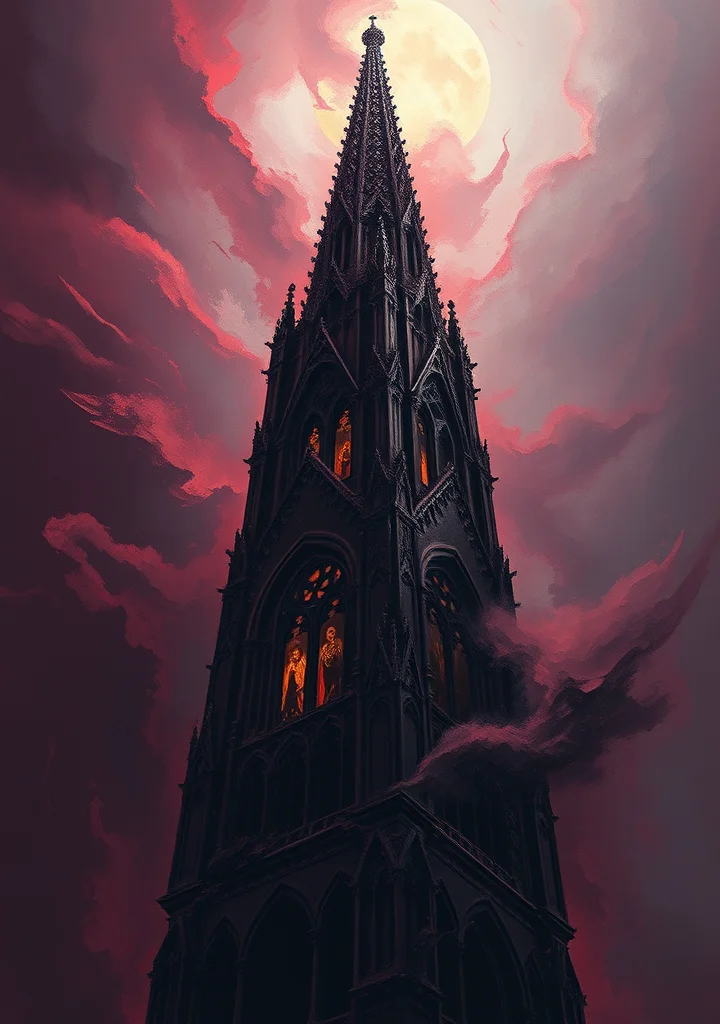
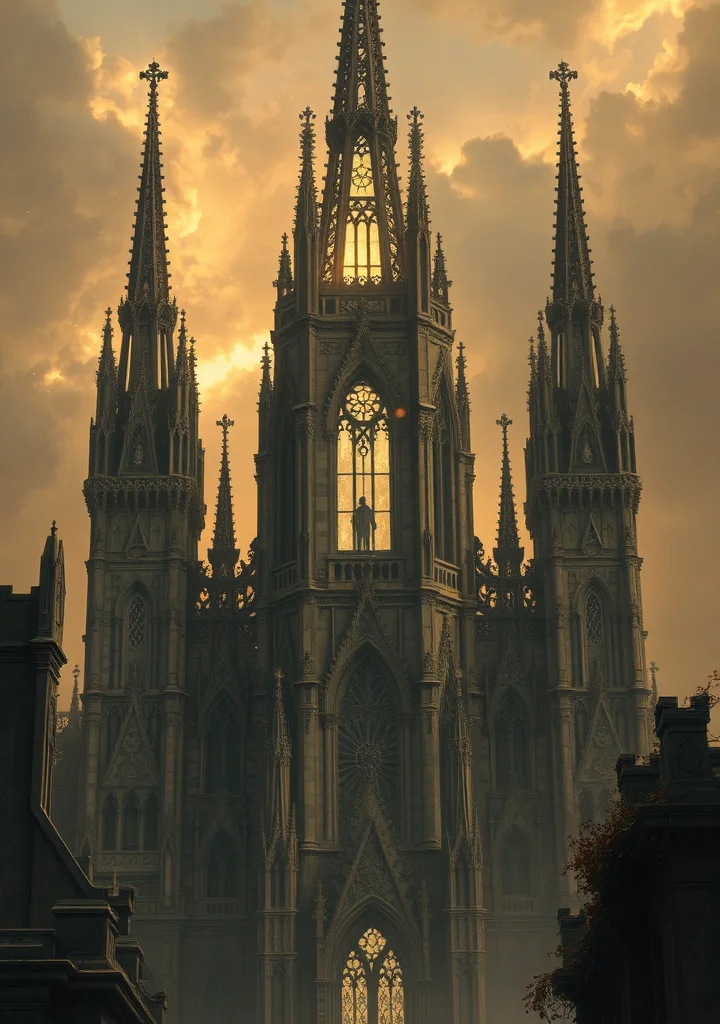
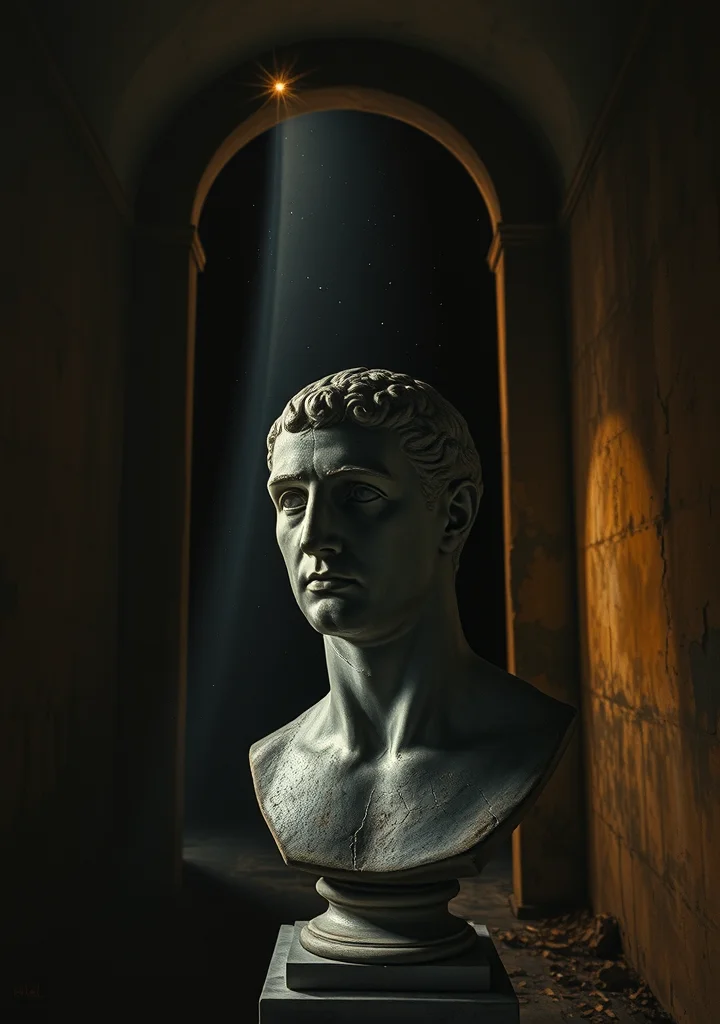
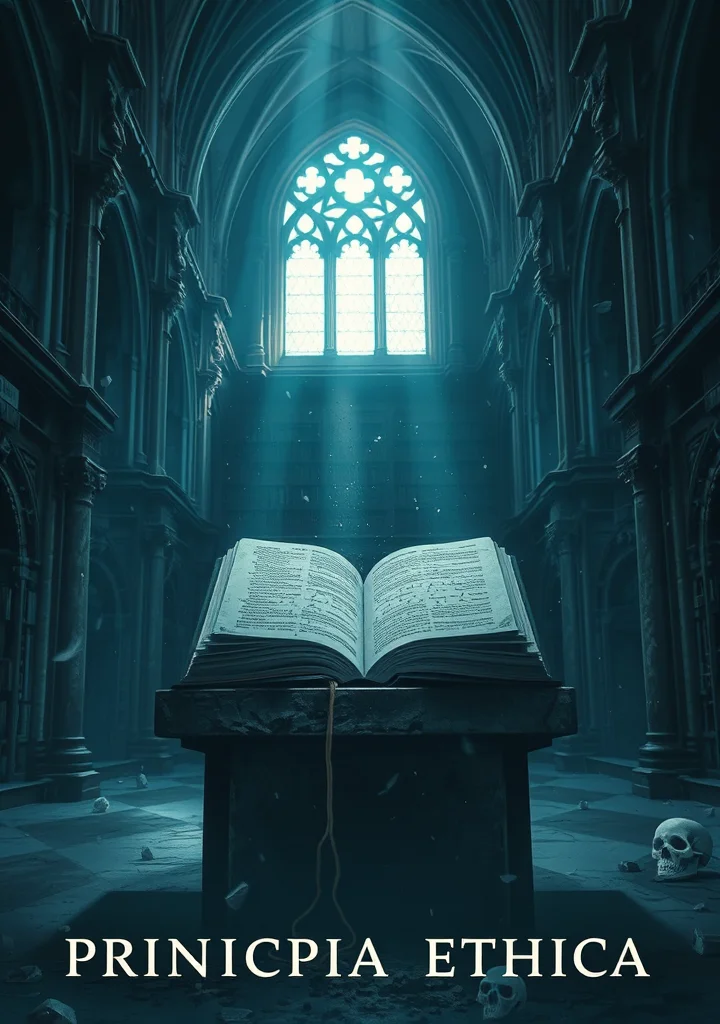
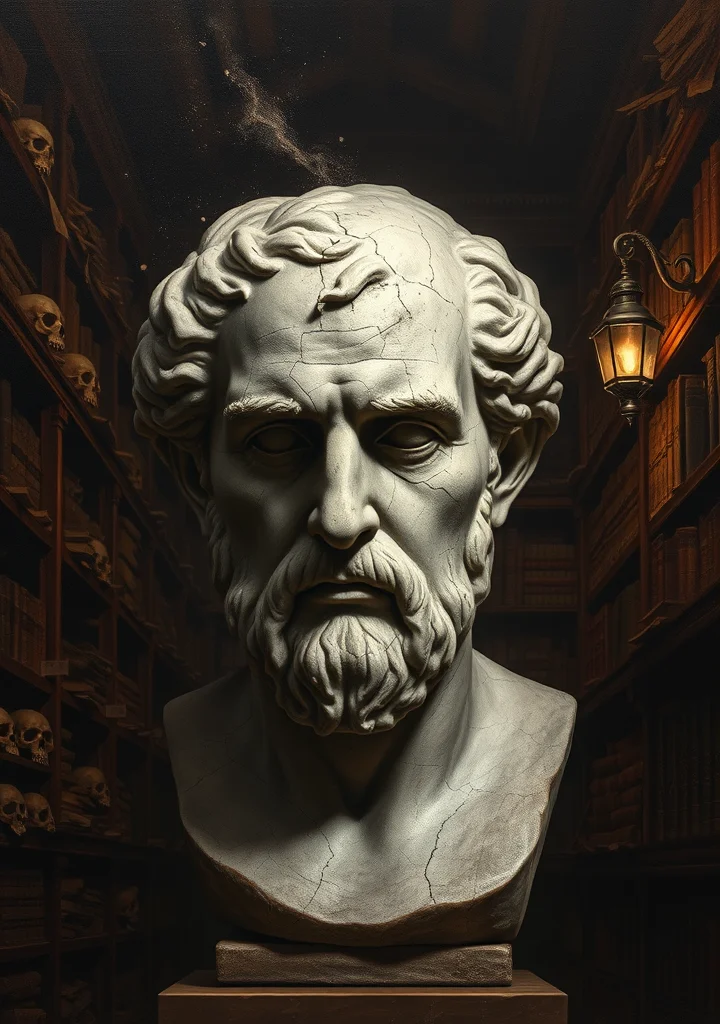
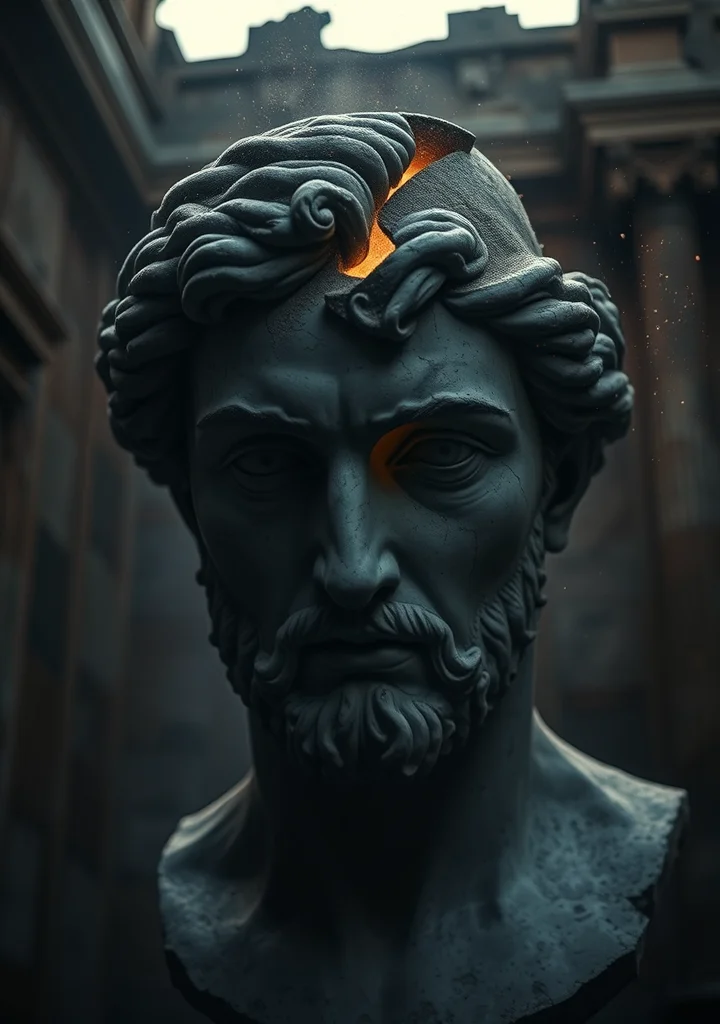
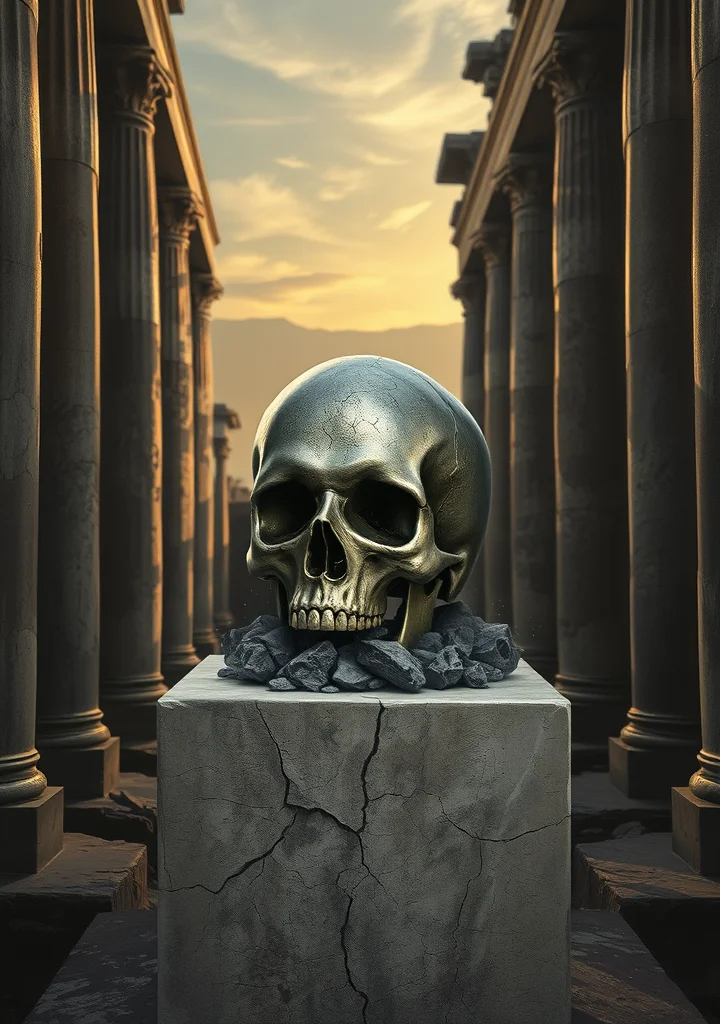
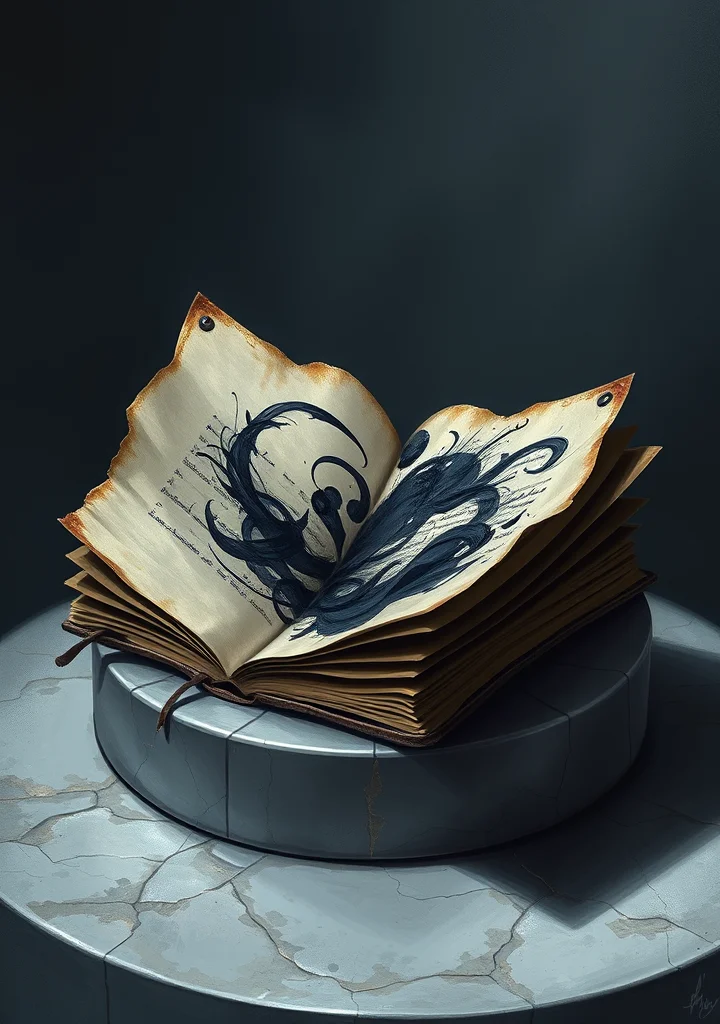
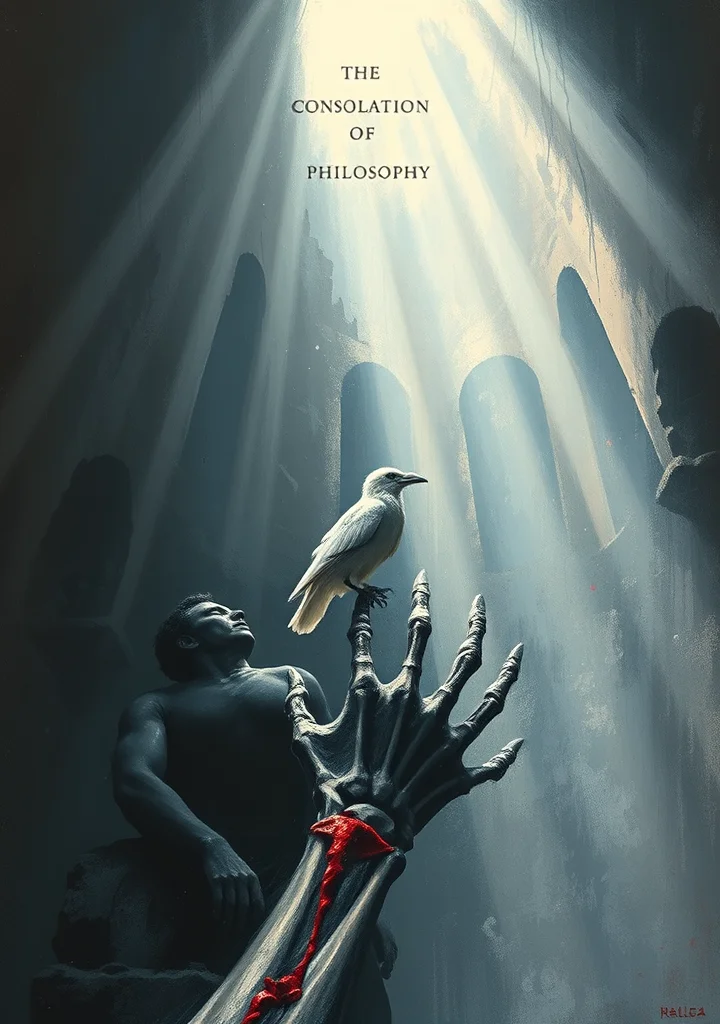
Dust motes dance in the fractured light of a crumbling tower, mirroring the fragments of a life shattered by exile and betrayal. Within these stone walls, a man—once a pillar of power, now stripped bare—grapples not with chains or bars, but with a grief that threatens to swallow him whole. He is haunted by the swift, cruel fall from grace, the whispers of accusations echoing in the hollows of his despair. But solace, or a twisted mockery of it, comes in the form of a spectral presence—Philosophy herself, a woman woven from starlight and sorrow, her voice a chilling balm against the wounds of the world.
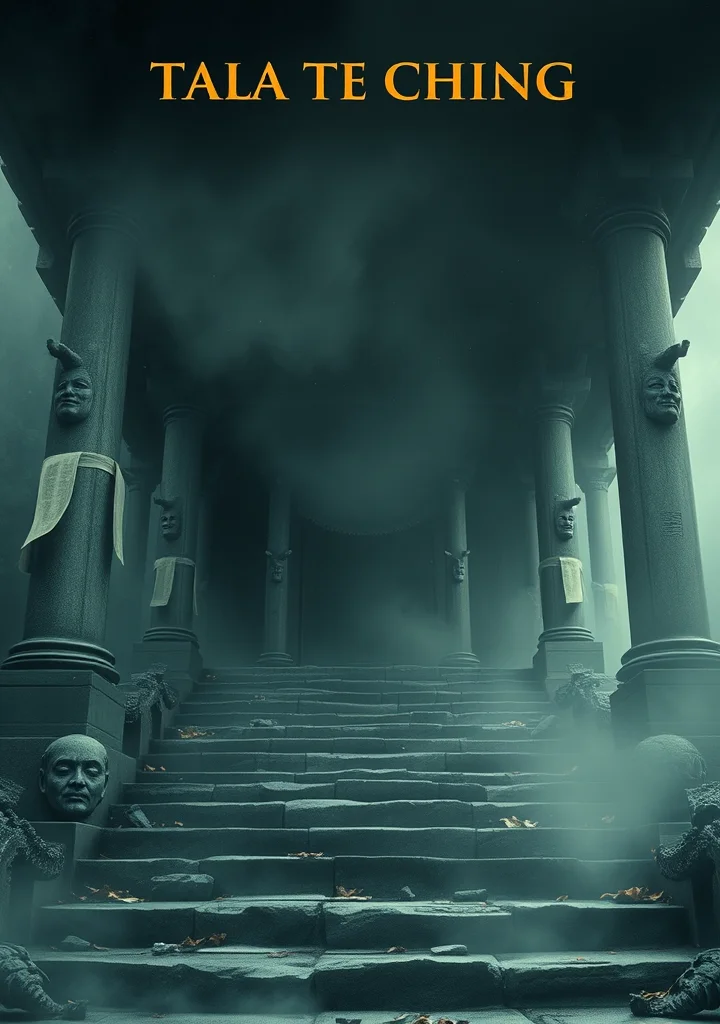
She leads him through labyrinthine corridors of thought, where reason battles with the phantom pain of loss. The air is thick with the scent of decay, both of the body politic and the soul. Visions of fortune’s wheel—a cruel, spinning device—loom large, showcasing the ephemeral nature of earthly power. Each argument, each carefully constructed verse, feels less like a comforting embrace and more like the cold touch of inevitability.
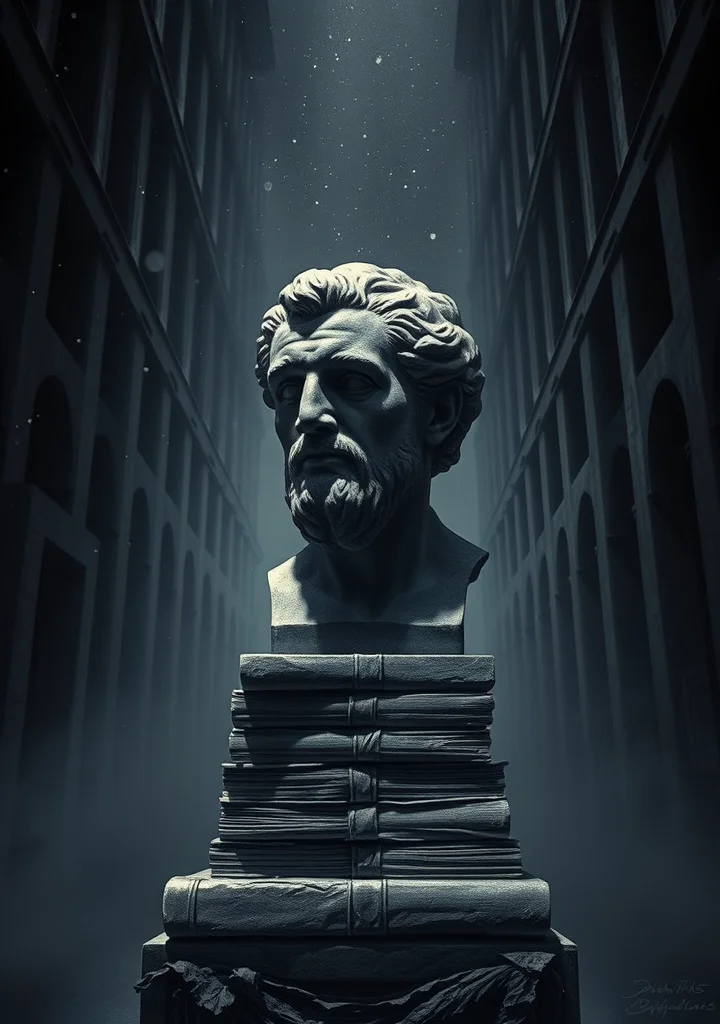
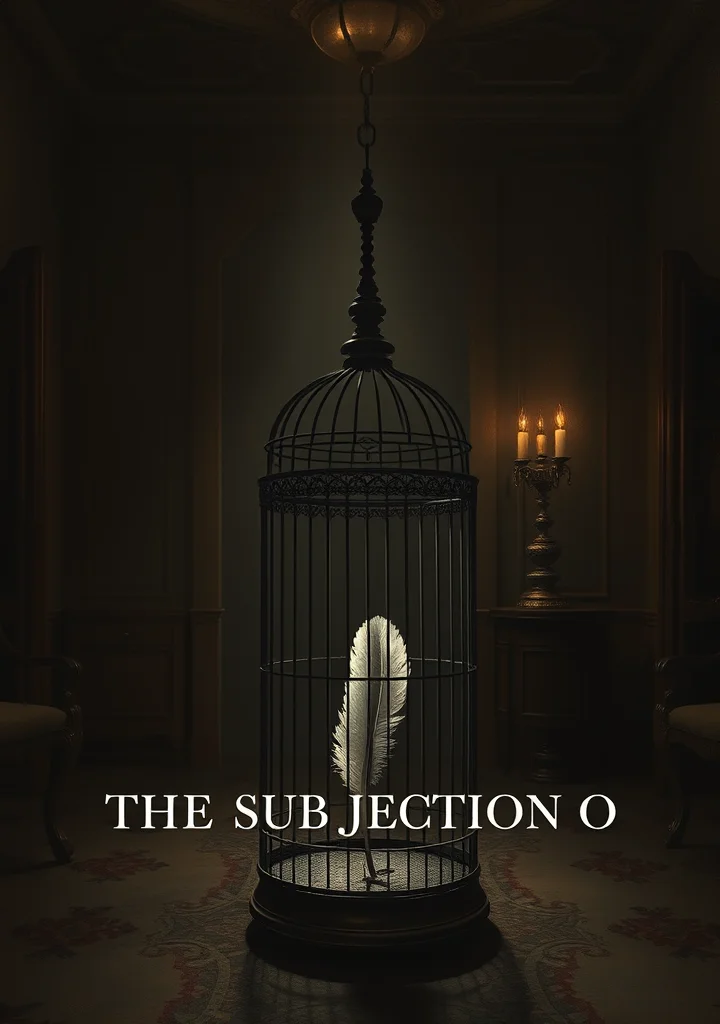
The narrative is steeped in the grey of twilight, a perpetual autumn where every leaf falling is a reminder of what is lost. It is a meditation on the nature of good and evil, not as grand battles, but as insidious erosion, a slow poisoning of the spirit. The reader is drawn into a claustrophobic space where the only escape is through the labyrinth of the mind, where the architecture of despair is both beautiful and terrifying. Ultimately, the question lingers: is this consolation a true refuge, or merely a gilded cage built around a broken heart?
Copyright: Public Domain
This license allows anyone to use your story for any purpose, including printing, selling, or adapting it into a film freely.
This license allows anyone to use your story for any purpose, including printing, selling, or adapting it into a film freely.
Chapter List
-
« The Consolation of Philosophy »📖 Continue Reading
-
« Chapter_3 »
-
« Preface »
-
« Proem »
-
« The Consolation of Philosophy »
-
« SongI »
-
« SongI »
-
« I »
-
« Chapter_10 »
-
« SongII »
-
« II »
-
« Chapter_13 »
-
« SongIII »
-
« III »
-
« Chapter_16 »
-
« SongIV »
-
« IV »
-
« Chapter_19 »
-
« SongV »
-
« V »
-
« Chapter_22 »
-
« SongVI »
-
« VI »
-
« Chapter_25 »
-
« SongVII »
-
« I »
-
« I »
-
« Chapter_29 »
-
« SongI »
-
« II »
-
« Chapter_32 »
-
« SongII »
-
« III »
-
« Chapter_35 »
-
« SongIII »
-
« IV »
-
« Chapter_38 »
-
« SongIV »
-
« V »
-
« Chapter_41 »
-
« SongV »
-
« VI »
-
« Chapter_44 »
-
« SongVI »
-
« VII »
-
« Chapter_47 »
-
« SongVII »
-
« VIII »
-
« Chapter_50 »
-
« SongVIII »
-
« I »
-
« I »
-
« Chapter_54 »
-
« SongI »
-
« II »
-
« Chapter_57 »
-
« SongII »
-
« III »
-
« Chapter_60 »
-
« SongIII »
-
« IV »
-
« Chapter_63 »
-
« SongIV »
-
« V »
-
« Chapter_66 »
-
« SongV »
-
« VI »
-
« Chapter_69 »
-
« SongVI »
-
« VII »
-
« Chapter_72 »
-
« SongVII »
-
« VIII »
-
« Chapter_75 »
-
« SongVIII »
-
« IX »
-
« Chapter_78 »
-
« SongIX »
-
« X »
-
« Chapter_81 »
-
« SongX »
-
« XI »
-
« Chapter_84 »
-
« SongXI »
-
« XII »
-
« Chapter_87 »
-
« SongXII »
-
« I »
-
« I »
-
« Chapter_91 »
-
« SongI »
-
« II »
-
« Chapter_94 »
-
« SongII »
-
« III »
-
« Chapter_97 »
-
« SongIII »
-
« IV »
-
« Chapter_100 »
-
« SongIV »
-
« V »
-
« Chapter_103 »
-
« SongV »
-
« VI »
-
« Chapter_106 »
-
« SongVI »
-
« VII »
-
« Chapter_109 »
-
« SongVII »
-
« I »
-
« I »
-
« Chapter_113 »
-
« SongI »
-
« II »
-
« Chapter_116 »
-
« SongII »
-
« III »
-
« Chapter_119 »
-
« SongIII »
-
« IV »
-
« Chapter_122 »
-
« SongIV »
-
« V »
-
« Chapter_125 »
-
« SongV »
-
« VI »
-
« Chapter_128 »
-
« Epilogue »
128
-
« The Consolation of Philosophy »
-
« Chapter_3 »
-
« Preface »
-
« Proem »
-
« The Consolation of Philosophy »
-
« SongI »
-
« SongI »
-
« I »
-
« Chapter_10 »
-
« SongII »
-
« II »
-
« Chapter_13 »
-
« SongIII »
-
« III »
-
« Chapter_16 »
-
« SongIV »
-
« IV »
-
« Chapter_19 »
-
« SongV »
-
« V »
-
« Chapter_22 »
-
« SongVI »
-
« VI »
-
« Chapter_25 »
-
« SongVII »
-
« I »
-
« I »
-
« Chapter_29 »
-
« SongI »
-
« II »
-
« Chapter_32 »
-
« SongII »
-
« III »
-
« Chapter_35 »
-
« SongIII »
-
« IV »
-
« Chapter_38 »
-
« SongIV »
-
« V »
-
« Chapter_41 »
-
« SongV »
-
« VI »
-
« Chapter_44 »
-
« SongVI »
-
« VII »
-
« Chapter_47 »
-
« SongVII »
-
« VIII »
-
« Chapter_50 »
-
« SongVIII »
-
« I »
-
« I »
-
« Chapter_54 »
-
« SongI »
-
« II »
-
« Chapter_57 »
-
« SongII »
-
« III »
-
« Chapter_60 »
-
« SongIII »
-
« IV »
-
« Chapter_63 »
-
« SongIV »
-
« V »
-
« Chapter_66 »
-
« SongV »
-
« VI »
-
« Chapter_69 »
-
« SongVI »
-
« VII »
-
« Chapter_72 »
-
« SongVII »
-
« VIII »
-
« Chapter_75 »
-
« SongVIII »
-
« IX »
-
« Chapter_78 »
-
« SongIX »
-
« X »
-
« Chapter_81 »
-
« SongX »
-
« XI »
-
« Chapter_84 »
-
« SongXI »
-
« XII »
-
« Chapter_87 »
-
« SongXII »
-
« I »
-
« I »
-
« Chapter_91 »
-
« SongI »
-
« II »
-
« Chapter_94 »
-
« SongII »
-
« III »
-
« Chapter_97 »
-
« SongIII »
-
« IV »
-
« Chapter_100 »
-
« SongIV »
-
« V »
-
« Chapter_103 »
-
« SongV »
-
« VI »
-
« Chapter_106 »
-
« SongVI »
-
« VII »
-
« Chapter_109 »
-
« SongVII »
-
« I »
-
« I »
-
« Chapter_113 »
-
« SongI »
-
« II »
-
« Chapter_116 »
-
« SongII »
-
« III »
-
« Chapter_119 »
-
« SongIII »
-
« IV »
-
« Chapter_122 »
-
« SongIV »
-
« V »
-
« Chapter_125 »
-
« SongV »
-
« VI »
-
« Chapter_128 »
-
« Epilogue »
More like this