
-
Read 268
-
0
-
Part 12
Completed, First published Mar 02, 2026
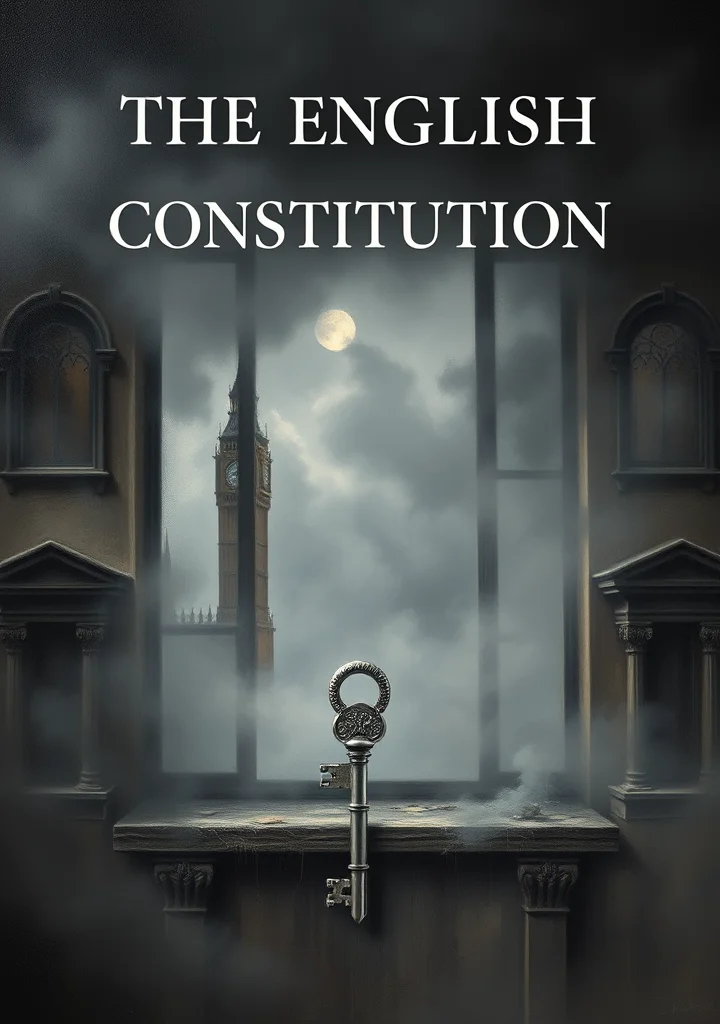
A creeping fog, not of London’s streets, but of the soul, clings to these pages. Bagehot dissects the arteries of power, yet it is not the cold steel of analysis that chills, but the echoing silence within the chambers he reveals. The Constitution is presented as a living thing, but one riddled with decay, its vital organs—monarchy, aristocracy, empire—sustained by habit and illusion, a spectral scaffolding barely holding back the abyss.
This is a portrait of England observed through the glass of a dying age, a slow, meticulous autopsy performed not with scalpel and bone saw, but with the damp, suffocating weight of tradition. The very air within these chapters is thick with the scent of ancestral dust, of whispered bargains struck in shadowed hallways.
One feels not a system explained, but the ghostly presence of those who maintain it. The narrative isn't a declaration of principles, but a haunting glimpse of mechanisms creaking into place, fueled by a peculiar English melancholia. It is a study of what is *believed* to be, rather than what *is*, and the distance between the two is a yawning chasm of quiet desperation. The prose is not a thunderclap, but the drip, drip, drip of water eroding stone, each observation a slow fracture in the facade of national identity. It leaves one with the sensation of being locked within a beautifully appointed mausoleum, gazing at the relics of a forgotten reign.
Copyright: Public Domain
This license allows anyone to use your story for any purpose, including printing, selling, or adapting it into a film freely.
This license allows anyone to use your story for any purpose, including printing, selling, or adapting it into a film freely.
More like this