
-
Read 1.4K
-
0
-
Part 134
Completed, First published Mar 02, 2026
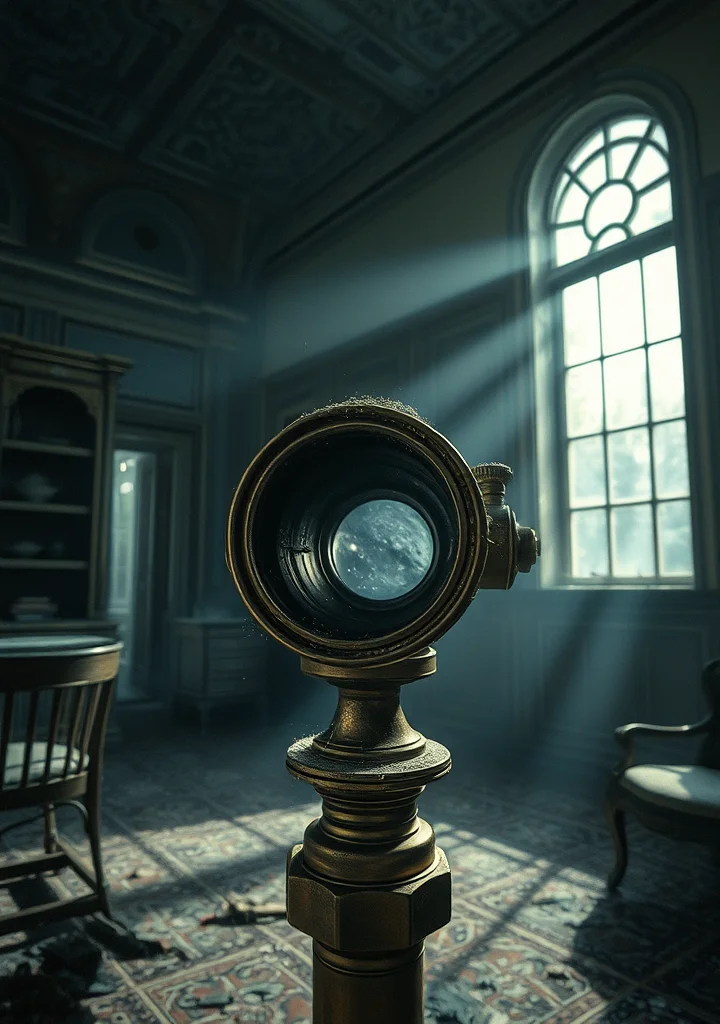
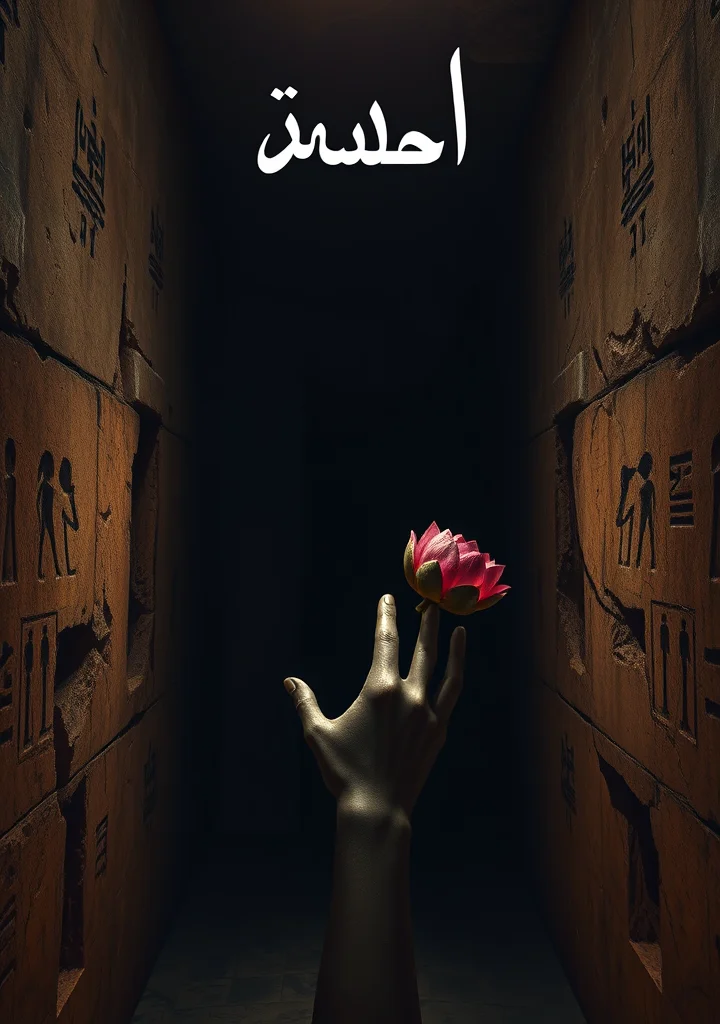
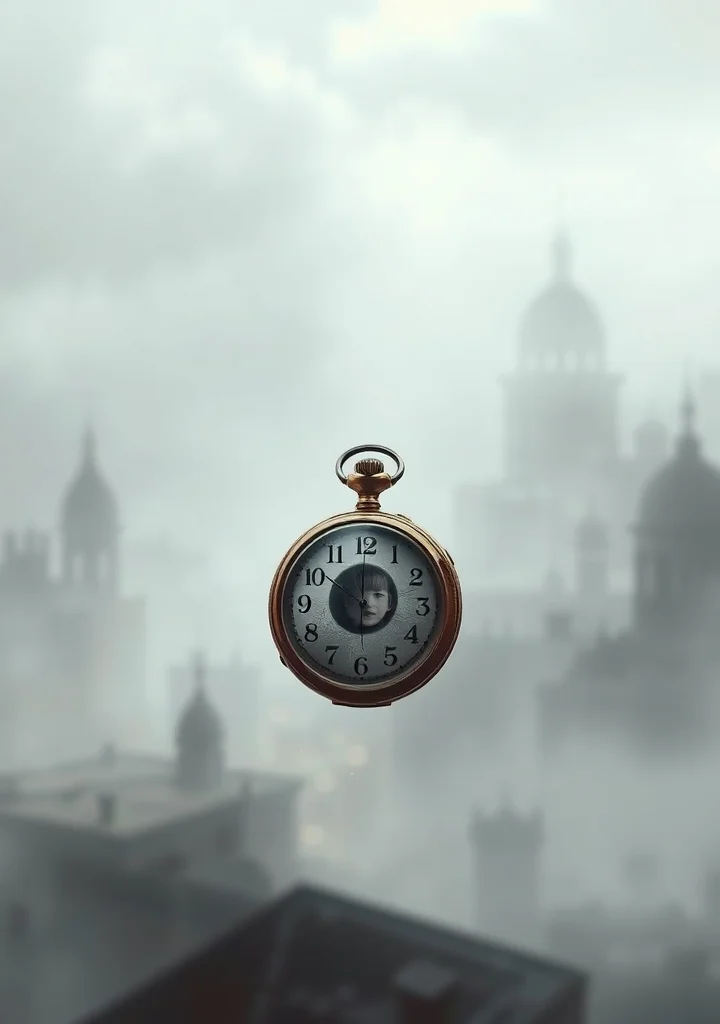
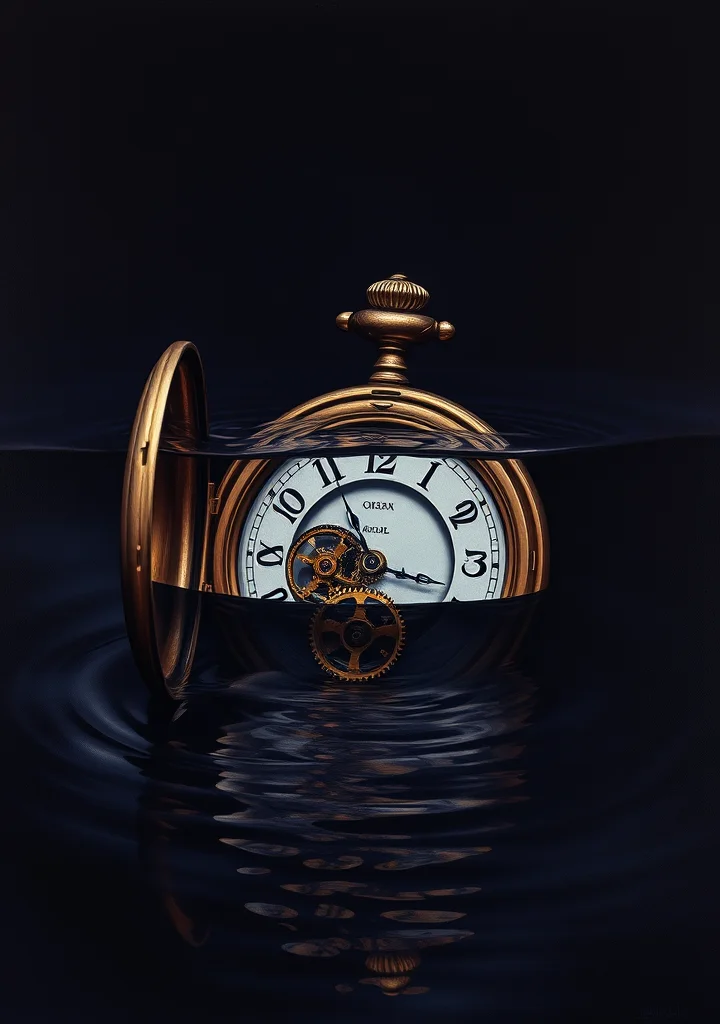
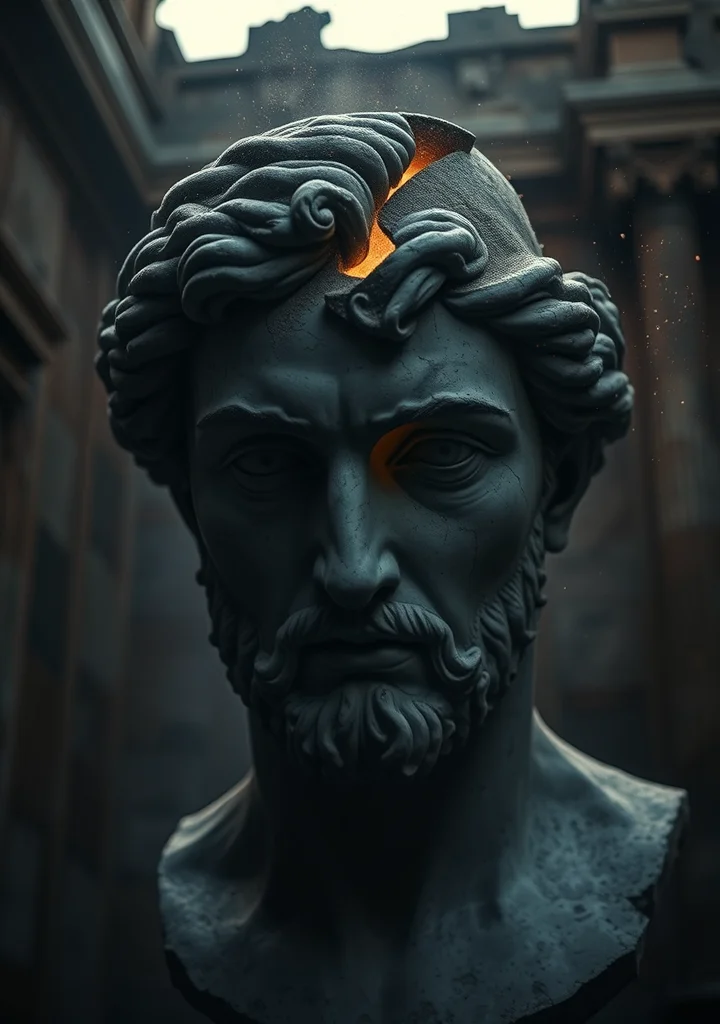
Dust motes dance in the perpetual twilight of a crumbling estate, mirroring the fractured reflections within its master’s mind. A scholar, consumed by the architecture of virtue, meticulously charts the decay of moral fiber as if mapping a labyrinthine crypt. Each carefully reasoned step through his treatise is a descent into the shadowed chambers of the self, where ambition breeds a chilling stillness and the pursuit of happiness echoes with the hollowness of forgotten prayers. The air hangs thick with the scent of aged parchment and the weight of unfulfilled potential, a suffocating perfume of what *ought* to be versus the creeping rot of what *is*.
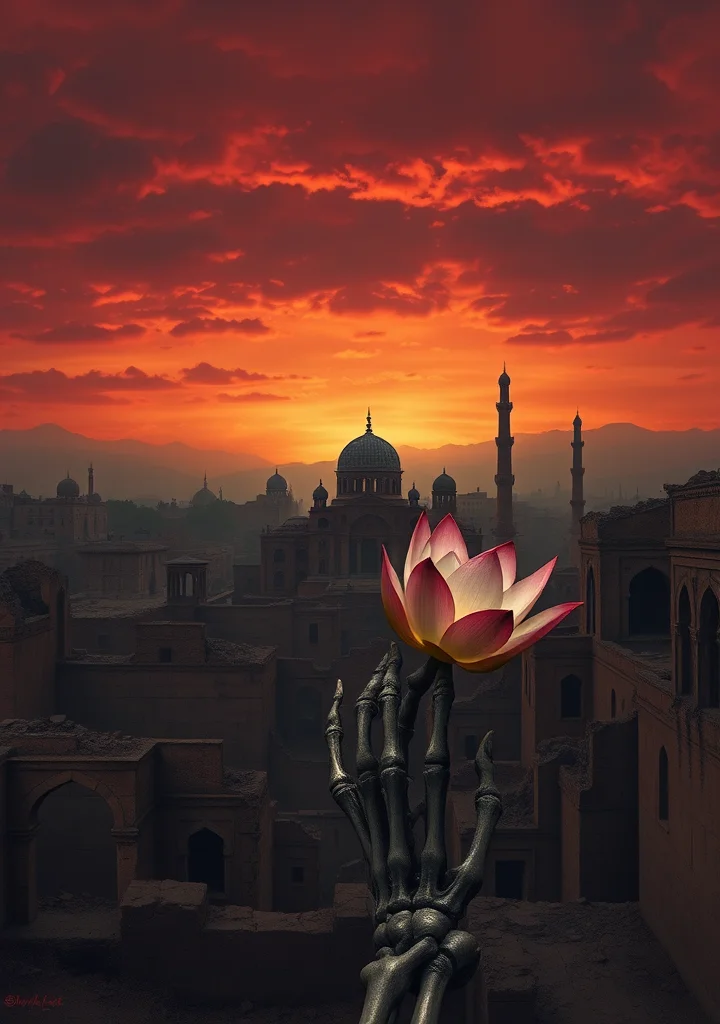
He dissects the human heart with the cold precision of a surgeon’s blade, revealing not gleaming organs but the brittle bones of regret. Every virtue, examined under the pallid light of reason, casts a long, skeletal shadow—a temptation, a weakness, a betrayal. The garden overgrown with thorny logic yields not blooms, but poisonous thorns that bind the soul to its own inevitable unraveling. A stillness permeates the halls, broken only by the scratching of a quill as he attempts to build a fortress against the encroaching darkness, only to find that the foundations of morality are built on shifting sands, haunted by the ghosts of desires left to fester in the shadows. The narrative is not a story of triumph, but of an endless, spiraling fall into the very heart of human imperfection.
Copyright: Public Domain
This license allows anyone to use your story for any purpose, including printing, selling, or adapting it into a film freely.
This license allows anyone to use your story for any purpose, including printing, selling, or adapting it into a film freely.
Chapter List
-
« Nicomachean Ethics »📖 Continue Reading
-
« Preface »
-
« Editor’s Note »
-
« The End »
-
« I »
-
« II »
-
« III »
-
« IV »
-
« V »
-
« VI »
-
« VII »
-
« VIII »
-
« IX »
-
« X »
-
« XI »
-
« XII »
-
« XIII »
-
« BookII »
-
« Moral Virtue »
-
« I »
-
« II »
-
« III »
-
« IV »
-
« V »
-
« VI »
-
« VII »
-
« VIII »
-
« IX »
-
« The Will »
-
« I »
-
« II »
-
« III »
-
« IV »
-
« V »
-
« The Several Moral Virtues and Vices »
-
« VI »
-
« VII »
-
« VIII »
-
« IX »
-
« X »
-
« XI »
-
« XII »
-
« The Several Moral Virtues and Vices—Continued »
-
« I »
-
« II »
-
« III »
-
« IV »
-
« V »
-
« VI »
-
« VII »
-
« VIII »
-
« IX »
-
« Justice »
-
« I »
-
« II »
-
« III »
-
« IV »
-
« V »
-
« VI »
-
« VII »
-
« VIII »
-
« IX »
-
« X »
-
« XI »
-
« BookVI »
-
« The Intellectual Virtues »
-
« I »
-
« II »
-
« III »
-
« IV »
-
« V »
-
« VI »
-
« VII »
-
« VIII »
-
« IX »
-
« X »
-
« XI »
-
« XII »
-
« XIII »
-
« Characters Other Than Virtue and Vice »
-
« I »
-
« II »
-
« III »
-
« IV »
-
« V »
-
« VI »
-
« VII »
-
« VIII »
-
« IX »
-
« X »
-
« Of Pleasure »
-
« XI »
-
« XII »
-
« XIII »
-
« XIV »
-
« Friendship or Love »
-
« I »
-
« II »
-
« III »
-
« IV »
-
« V »
-
« VI »
-
« VII »
-
« VIII »
-
« IX »
-
« X »
-
« XI »
-
« XII »
-
« XIII »
-
« XIV »
-
« Friendship or Love—Continued »
-
« I »
-
« II »
-
« III »
-
« IV »
-
« V »
-
« VI »
-
« VII »
-
« VIII »
-
« IX »
-
« X »
-
« XI »
-
« XII »
-
« Pleasure »
-
« I »
-
« II »
-
« III »
-
« IV »
-
« V »
-
« Conclusion »
-
« VI »
-
« VII »
-
« VIII »
-
« IX »
134
-
« Nicomachean Ethics »
-
« Preface »
-
« Editor’s Note »
-
« The End »
-
« I »
-
« II »
-
« III »
-
« IV »
-
« V »
-
« VI »
-
« VII »
-
« VIII »
-
« IX »
-
« X »
-
« XI »
-
« XII »
-
« XIII »
-
« BookII »
-
« Moral Virtue »
-
« I »
-
« II »
-
« III »
-
« IV »
-
« V »
-
« VI »
-
« VII »
-
« VIII »
-
« IX »
-
« The Will »
-
« I »
-
« II »
-
« III »
-
« IV »
-
« V »
-
« The Several Moral Virtues and Vices »
-
« VI »
-
« VII »
-
« VIII »
-
« IX »
-
« X »
-
« XI »
-
« XII »
-
« The Several Moral Virtues and Vices—Continued »
-
« I »
-
« II »
-
« III »
-
« IV »
-
« V »
-
« VI »
-
« VII »
-
« VIII »
-
« IX »
-
« Justice »
-
« I »
-
« II »
-
« III »
-
« IV »
-
« V »
-
« VI »
-
« VII »
-
« VIII »
-
« IX »
-
« X »
-
« XI »
-
« BookVI »
-
« The Intellectual Virtues »
-
« I »
-
« II »
-
« III »
-
« IV »
-
« V »
-
« VI »
-
« VII »
-
« VIII »
-
« IX »
-
« X »
-
« XI »
-
« XII »
-
« XIII »
-
« Characters Other Than Virtue and Vice »
-
« I »
-
« II »
-
« III »
-
« IV »
-
« V »
-
« VI »
-
« VII »
-
« VIII »
-
« IX »
-
« X »
-
« Of Pleasure »
-
« XI »
-
« XII »
-
« XIII »
-
« XIV »
-
« Friendship or Love »
-
« I »
-
« II »
-
« III »
-
« IV »
-
« V »
-
« VI »
-
« VII »
-
« VIII »
-
« IX »
-
« X »
-
« XI »
-
« XII »
-
« XIII »
-
« XIV »
-
« Friendship or Love—Continued »
-
« I »
-
« II »
-
« III »
-
« IV »
-
« V »
-
« VI »
-
« VII »
-
« VIII »
-
« IX »
-
« X »
-
« XI »
-
« XII »
-
« Pleasure »
-
« I »
-
« II »
-
« III »
-
« IV »
-
« V »
-
« Conclusion »
-
« VI »
-
« VII »
-
« VIII »
-
« IX »
More like this