
The English Constitution
  • 265
  • 0
  • 12
  • Read 265
  • 0
  • Part 12
Completed, First published Mar 02, 2026

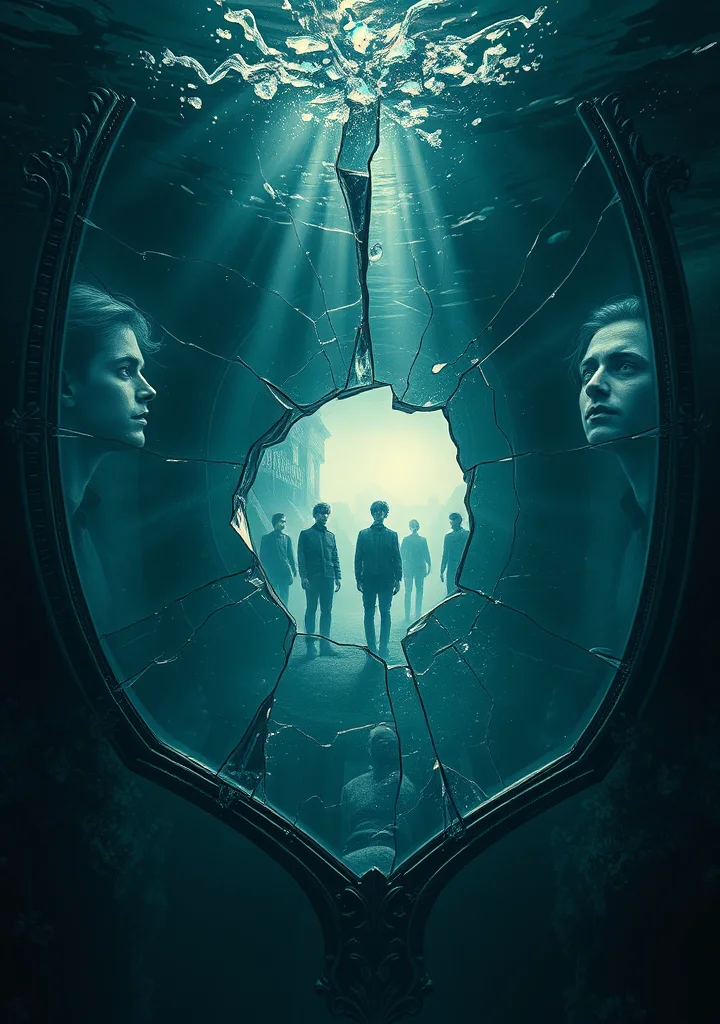
A creeping fog, not of London’s streets, but of the soul, clings to these pages. Bagehot dissects the arteries of power, yet it is not the cold steel of analysis that chills, but the echoing silence within the chambers he reveals. The Constitution is presented as a living thing, but one riddled with decay, its vital organs—monarchy, aristocracy, empire—sustained by habit and illusion, a spectral scaffolding barely holding back the abyss. This is a portrait of England observed through the glass of a dying age, a slow, meticulous autopsy performed not with scalpel and bone saw, but with the damp, suffocating weight of tradition. The very air within these chapters is thick with the scent of ancestral dust, of whispered bargains struck in shadowed hallways. One feels not a system explained, but the ghostly presence of those who maintain it. The narrative isn't a declaration of principles, but a haunting glimpse of mechanisms creaking into place, fueled by a peculiar English melancholia. It is a study of what is *believed* to be, rather than what *is*, and the distance between the two is a yawning chasm of quiet desperation. The prose is not a thunderclap, but the drip, drip, drip of water eroding stone, each observation a slow fracture in the facade of national identity. It leaves one with the sensation of being locked within a beautifully appointed mausoleum, gazing at the relics of a forgotten reign.
Copyright: Public Domain
This license allows anyone to use your story for any purpose, including printing, selling, or adapting it into a film freely.
Recommended for you

70 Part
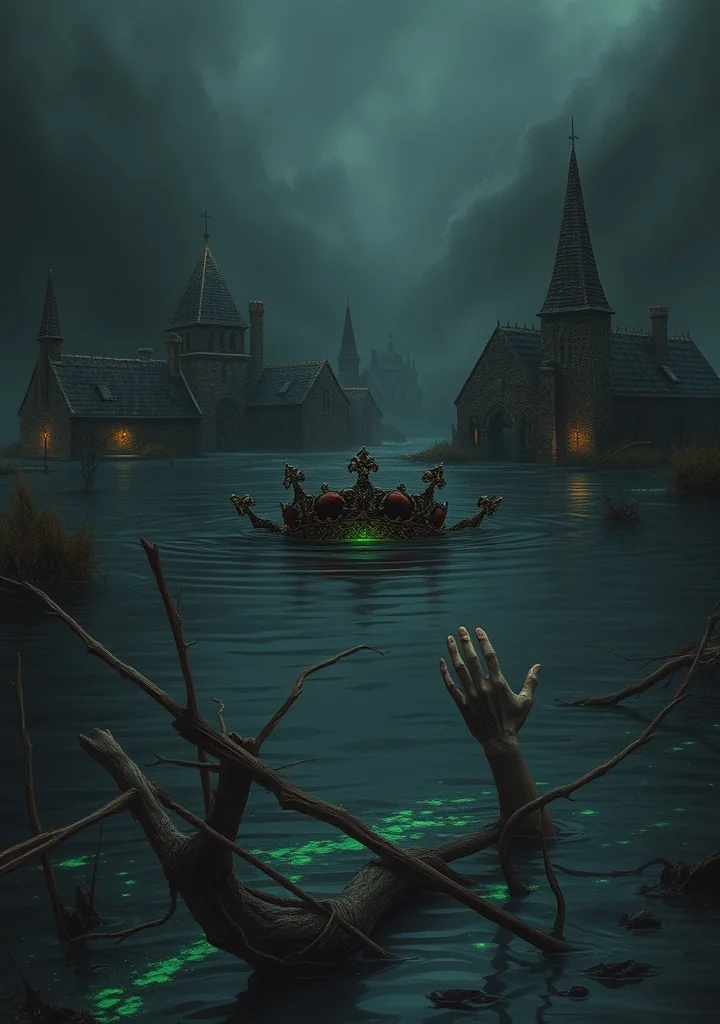
A creeping dread settles over the marshlands of Anglia, mirroring the slow rot within the bones of its last kings. Morris weaves a tale not of glorious battle, but of a world drowning—not in water alone, but in the melancholic decay of forgotten gods and the venomous whispers of those who would usurp them. The narrative clings to the peat bogs like a clinging mist, smelling of salt and brine, of drowned things and the iron tang of blood. Villages vanish beneath encroaching tides, their stone foundations swallowed by the relentless grey, while within crumbling halls, the remnants of a fractured kingdom barter with shadow-things for survival. Each chapter feels like a descent into a waterlogged grave, the prose thick with the weight of loss and the insidious bloom of fungal blooms on rotting timbers. The sun, when it dares to appear, casts no warmth, only long, skeletal shadows stretching across the drowned fields. A sense of inevitable collapse permeates every line; not a heroic struggle against fate, but a mournful acceptance of its glacial, crushing embrace. The flood isn’t merely a rising water level, but a fracturing of the world itself, revealing the skeletal truths of a land consumed by its own melancholic past. The voices that linger are not those of the living, but the drowned echoes of kings, lovers, and children, murmuring from beneath the surface, beckoning the reader to join them in the cold, suffocating embrace of the sundering flood.
56 Part
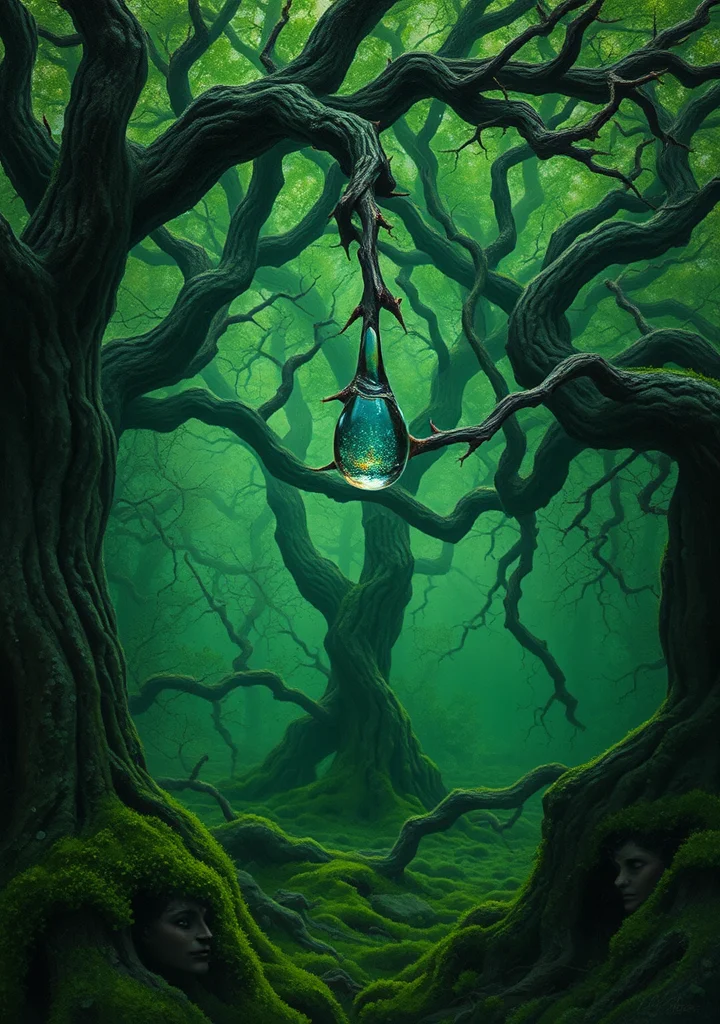
A creeping dread clings to the shadowed corners of Jurgen’s world, a land steeped in the melancholic decay of ancient magic. The tale unfolds as a descent into a half-remembered nightmare, where the boundaries between dream and reality blur with each echoing chime of distant bells. Jurgen himself, a man of humble origins, is swept into a labyrinth of perverse desires and forgotten gods. His journey is not one of heroism, but of insidious corruption, a slow unraveling of innocence amidst courts of spectral royalty and monstrous appetites. The air hangs thick with the scent of moldering tapestries and the rustle of unseen things. Forests breathe with a sentience both alluring and terrifying, and the laughter of faeries carries the chilling promise of stolen souls. Every encounter feels less like progress and more like a tightening coil around the heart. A pervasive sense of loneliness permeates the narrative; Jurgen is always just beyond reach, a phantom glimpsed through fogged windows. The story breathes with a morbid elegance, a decadent rot blossoming beneath a veneer of polite society. It’s a world where kindness is a curse, and every act of love is shadowed by a looming, unspeakable price. The landscapes themselves seem to weep, mirroring the slow, agonizing erosion of Jurgen’s spirit as he becomes irrevocably entangled in the web of his own making. It’s a descent into a darkness that promises not oblivion, but a twisted, eternal mockery of life.