
The Lost Girl
  • 182
  • 0
  • 17
  • Reads 182
  • 0
  • Part 17
Completed, First published Mar 02, 2026

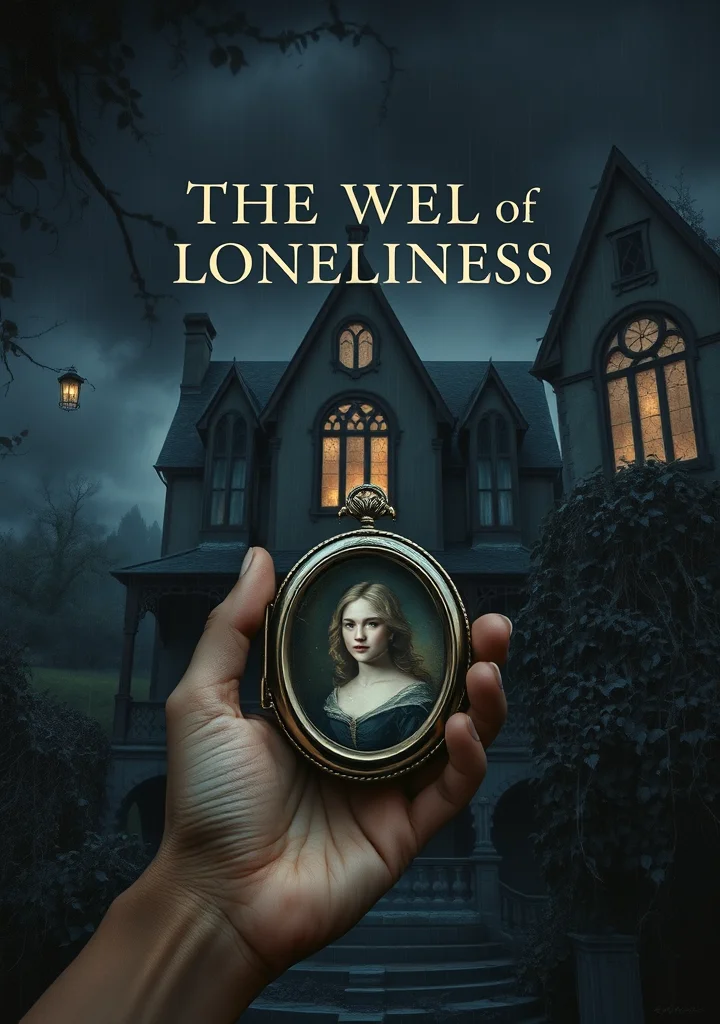
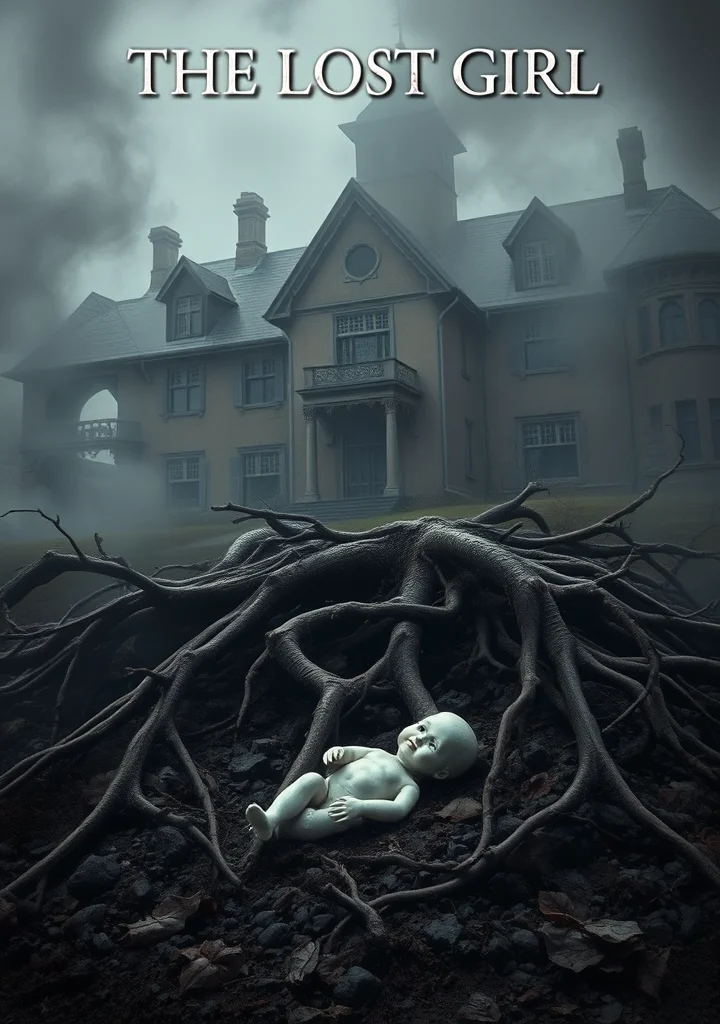
A creeping fog clings to the Nottinghamshire coal fields, mirroring the suffocating despair that coils around Elise, the girl lost not to abduction, but to a spectral inheritance. Lawrence doesn’t gift us a mystery of *where* she went, but *how* she unravelled – a slow dissolution into the shadowed hollows of her mother’s madness and the bruising, unspoken desires of a mining town. The narrative is less a hunt for a vanished form than a descent into the peat-blackened soul of a family fractured by secrets. Every chipped teacup, every rustle in the overgrown orchard, breathes with the weight of unseen griefs. The air is thick with the scent of damp earth and the metallic tang of blood remembered, not spilled. Elise’s absence doesn't empty the house, it *fills* it – with echoes of her mother’s fevered scribblings, the suffocating weight of her father’s silence, and the phantom touch of a love that curdled into something monstrous. The landscape itself becomes a character, a mournful expanse of decaying grandeur where the boundaries between the living and the dead blur with each encroaching dusk. It is a story told not in shouts, but in the rustling of skirts in empty hallways, the glint of something broken in a forgotten drawer, and the chilling realization that Elise was never truly *taken*, but simply…consumed by the darkness already within.
Copyright: Public Domain
This license allows anyone to use your story for any purpose, including printing, selling, or adapting it into a film freely.

Recommended for you
37 Part
Dust motes dance in the perpetual twilight of shadowed parlors, mirroring the fractured reflections within Hazlitt’s prose. *Table-Talk* isn’t merely conversation; it is the exhumation of ghosts—not those of the dead, but of ideas, regrets, and the slow, corrosive decay of London society. Each essay, a chipped shard of a broken looking-glass, reveals a distorted portrait of the age, haunted by the specter of its own vanities. The voice is brittle, intimate, as if overheard through a crack in the wall, a feverish monologue delivered in the gloom. There’s a pervasive chill—not of winter, but of disillusionment—that seeps into the marrow of the sentences. The author dissects, not with surgical precision, but with the casual cruelty of a man tracing the lines of a skull. He lingers over the grotesque, the absurd, the moments where public spectacle curdles into private despair. A sense of claustrophobia clings to the pages; the air thick with the scent of stale tobacco and forgotten grievances. The narrative is less a journey than a slow unraveling—a descent into the labyrinth of the author’s own melancholic temperament. One feels the weight of unspoken histories, the oppressive silence of unacknowledged debts. It’s a book for those who find comfort not in illumination, but in the shadowed corners of the world, where the whispers of the past cling to the velvet curtains and the cobwebs of the mind. The final impression is one of being left alone in a decaying library, surrounded by the ghosts of conversations long since ended, and the haunting realization that every table has its own secret, and every voice, its own void.

29 Part
A creeping dread clings to the salt-laced air of the Cornish coast, where the crumbling manor of Porthallow stands sentinel against a bruised, perpetual twilight. Within its shadowed halls, Elara Penrose, orphaned and bound by duty to a distant, brittle uncle, discovers a legacy woven not of gold, but of whispers and brine-soaked secrets. The Splendid Fairing is not a vessel of joy, but a spectral ship glimpsed only in the fever-dreams of the dying – a phantom bearing the stolen heirlooms of generations lost to the sea’s avarice. Each chapter descends further into a suffocating claustrophobia, mirroring the labyrinthine coves and forgotten smugglers’ tunnels beneath Porthallow. The scent of decay – damp stone, mildewed velvet, and the metallic tang of old grief – permeates every room. Elara’s investigations unravel a tapestry of local superstitions, tales of drowned women who lure sailors to their doom, and the unsettling obsession of the villagers with the ebb and flow of the tide. A haunting stillness pervades the narrative, broken only by the mournful cry of gulls and the rhythmic pulse of the waves against the cliffs. The manor itself feels less a house and more a tomb, breathing with the weight of centuries. As Elara draws closer to the truth of the Fairing’s spectral voyage, she finds herself increasingly adrift in a world where the boundary between the living and the dead is as porous as the crumbling seawalls, and where the splendor of inheritance is purchased with the currency of despair. The novel is steeped in a sense of inevitable tragedy, a slow, agonizing descent into the shadowed heart of a coastal curse.
9 Part
The Rue Saint-Honoré exhales secrets in the Parisian dusk, clinging to the silk gowns and shadowed doorways like a stifled confession. Within the gilded cage of her late husband’s fortune, Madame de Bréville, nearing the barren edge of thirty, finds herself a specimen under the dissecting gaze of a society that prizes bloom above all else. But it is not merely the fear of fading beauty that haunts these chambers—it is a creeping dread born of loneliness, of the echoing emptiness within a life meticulously constructed on appearances. The air thickens with the scent of decaying roses and the whispered calculations of ambition. Every glance across the crowded salon feels like a measuring of worth, a judgment on her remaining value. A desperate hunger for connection—not love, but acknowledgement—drives her towards increasingly reckless ventures, each a gamble against the encroaching darkness. The novel breathes with the chill of polished marble, the weight of inherited jewels, and the suffocating elegance of a world where a woman’s worth is tallied in the diminishing years she has left to spend. Shadows lengthen in the grand apartments, mirroring the insidious compromises she makes to remain visible. A subtle, exquisite rot festers beneath the veneer of respectability, revealed in the furtive glances, the loaded silences, and the ever-present, gnawing anxiety of being judged—and found wanting—by a society that demands a perpetual spring. It is a slow, insidious unraveling, draped in lace and gilded regret.