
-
Read 411
-
0
-
Part 33
Completed, First published Mar 02, 2026
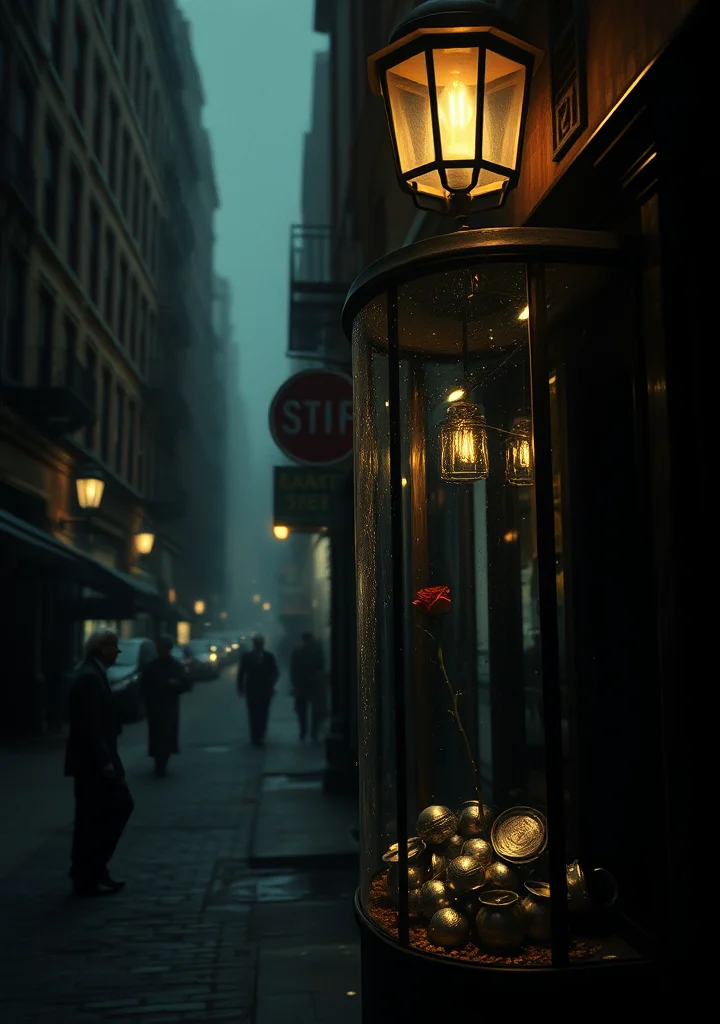
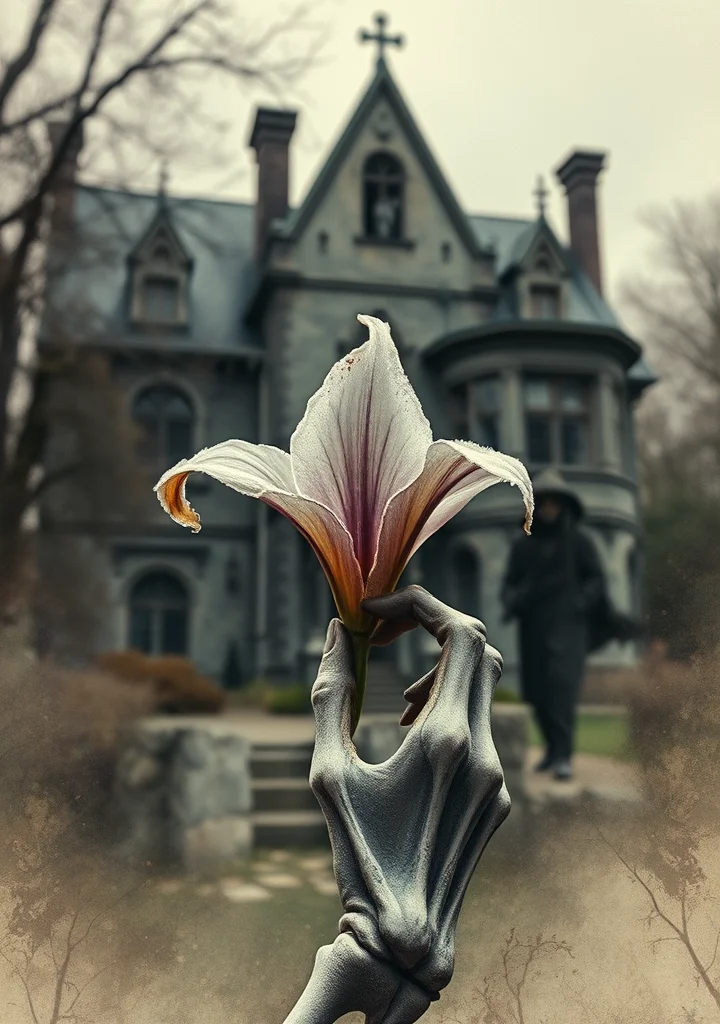
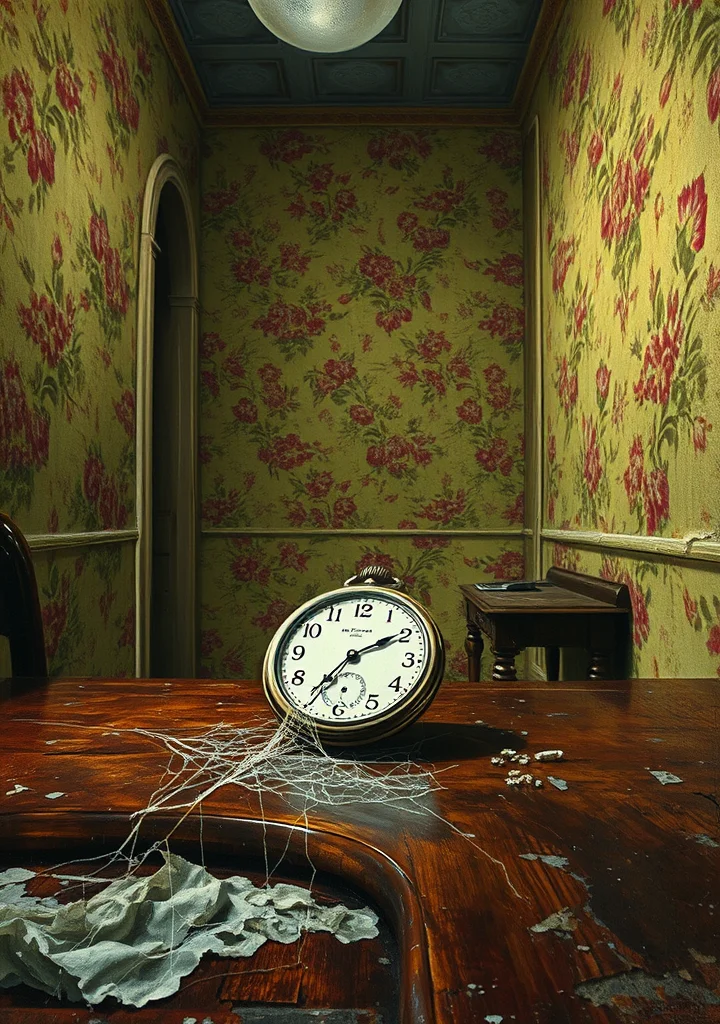
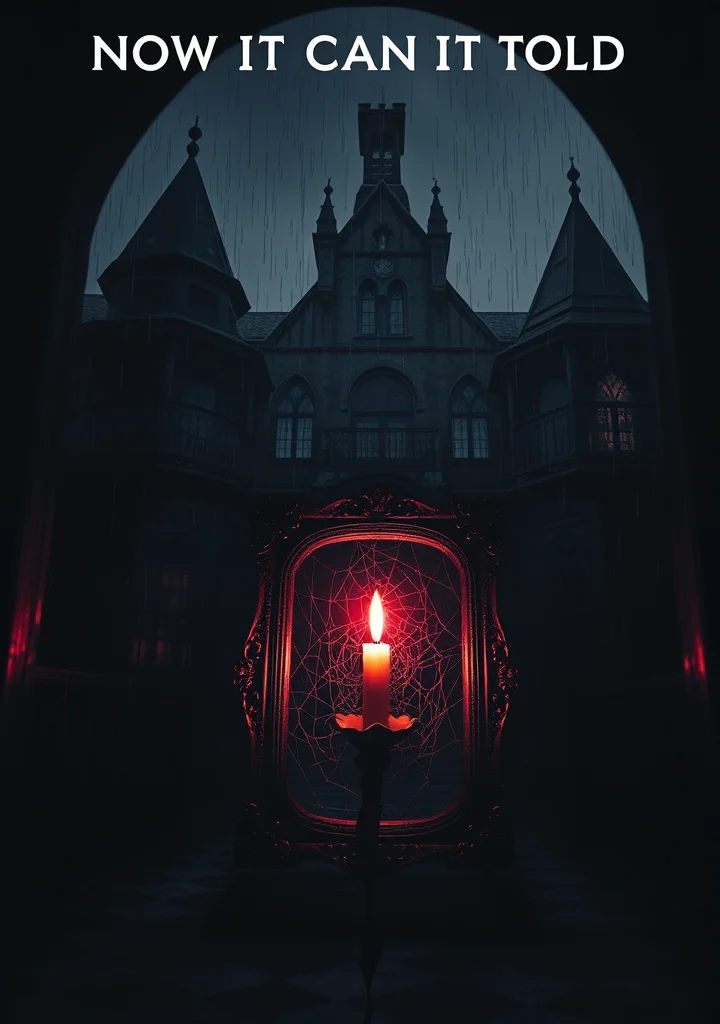
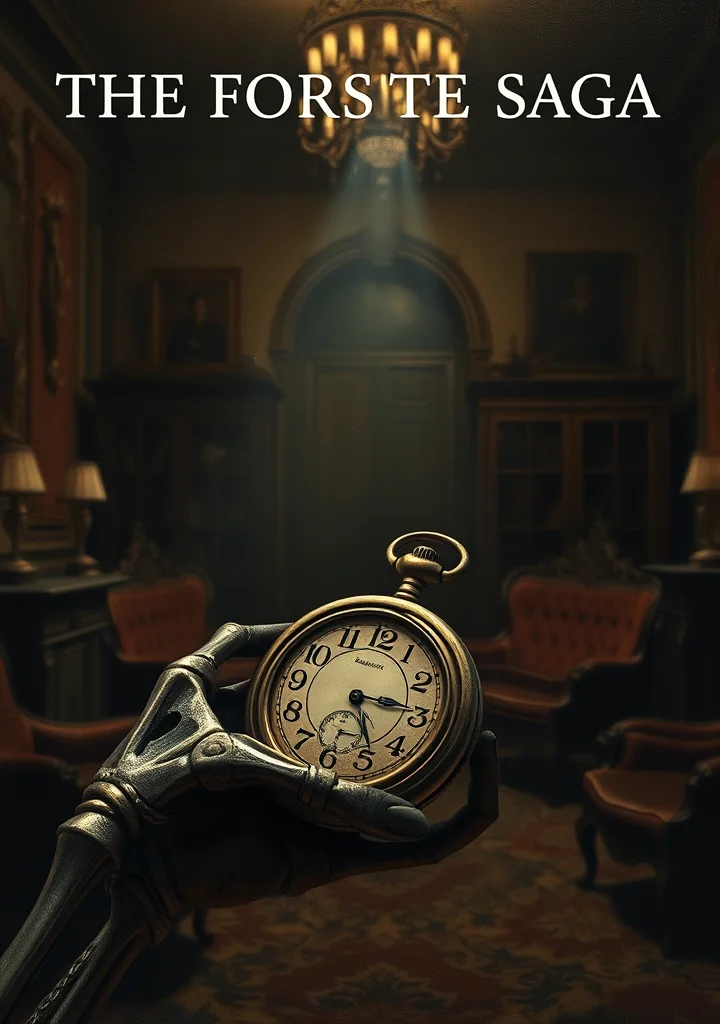
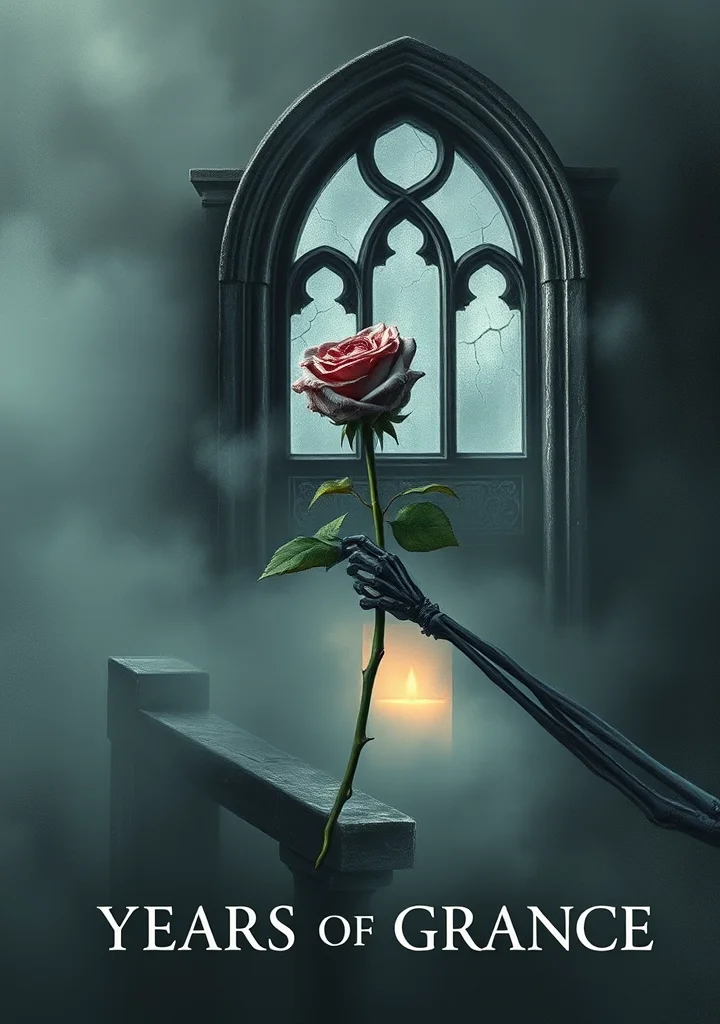
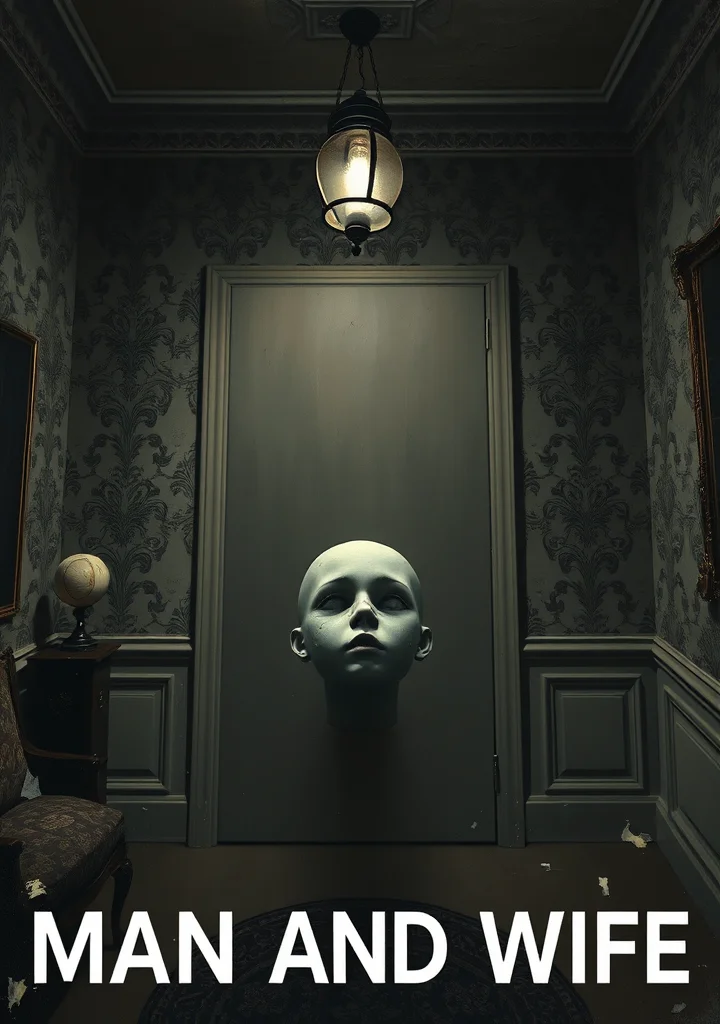
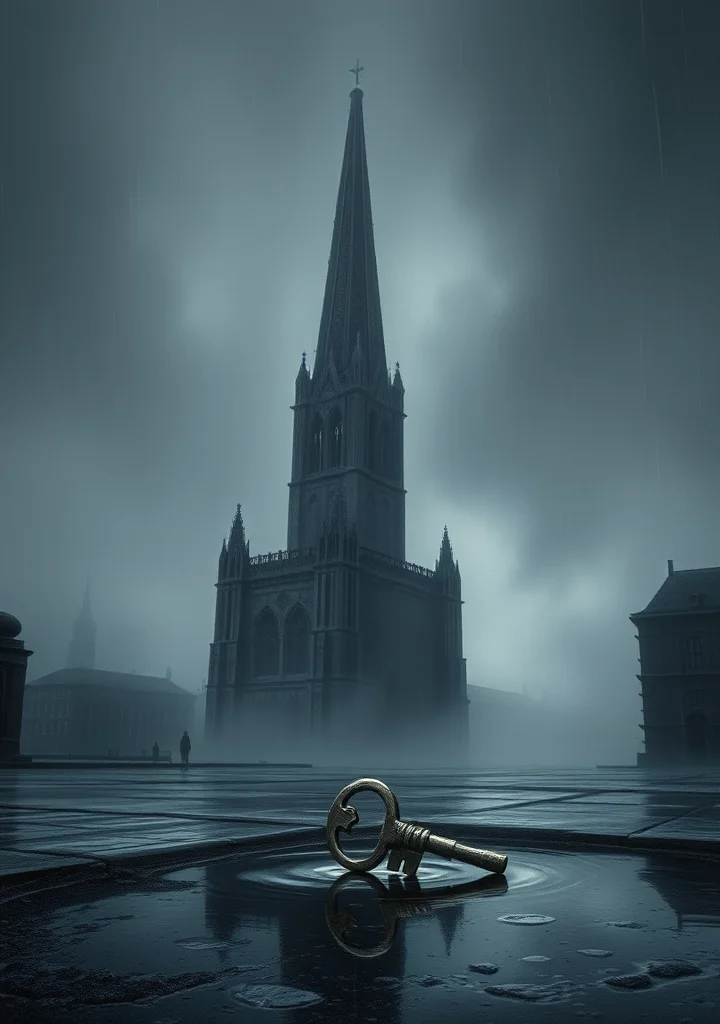
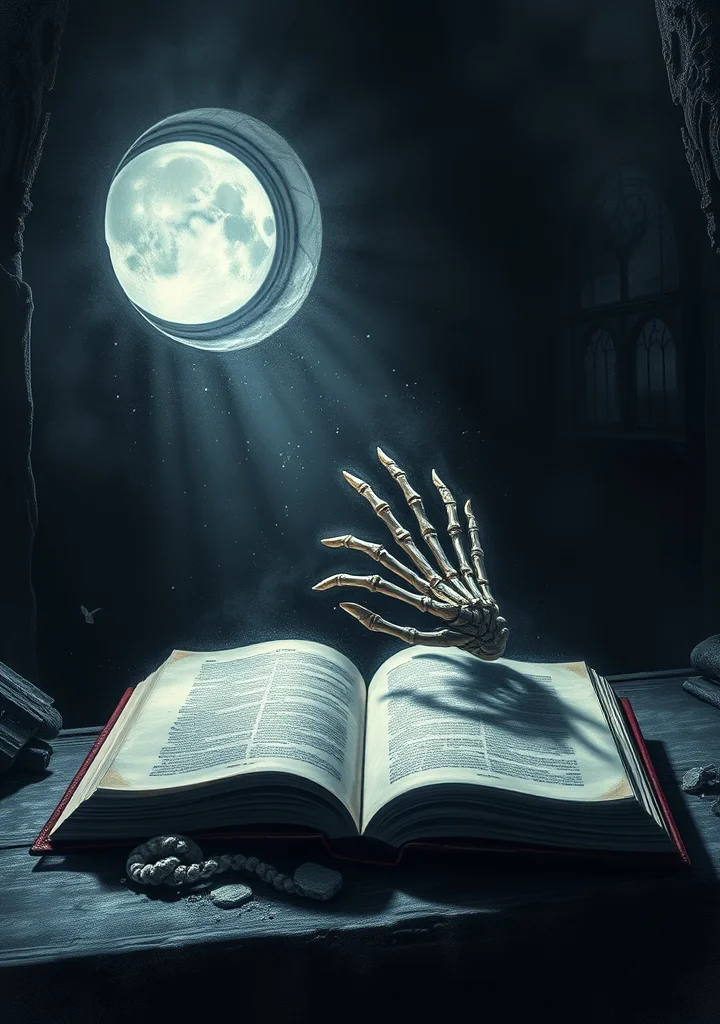
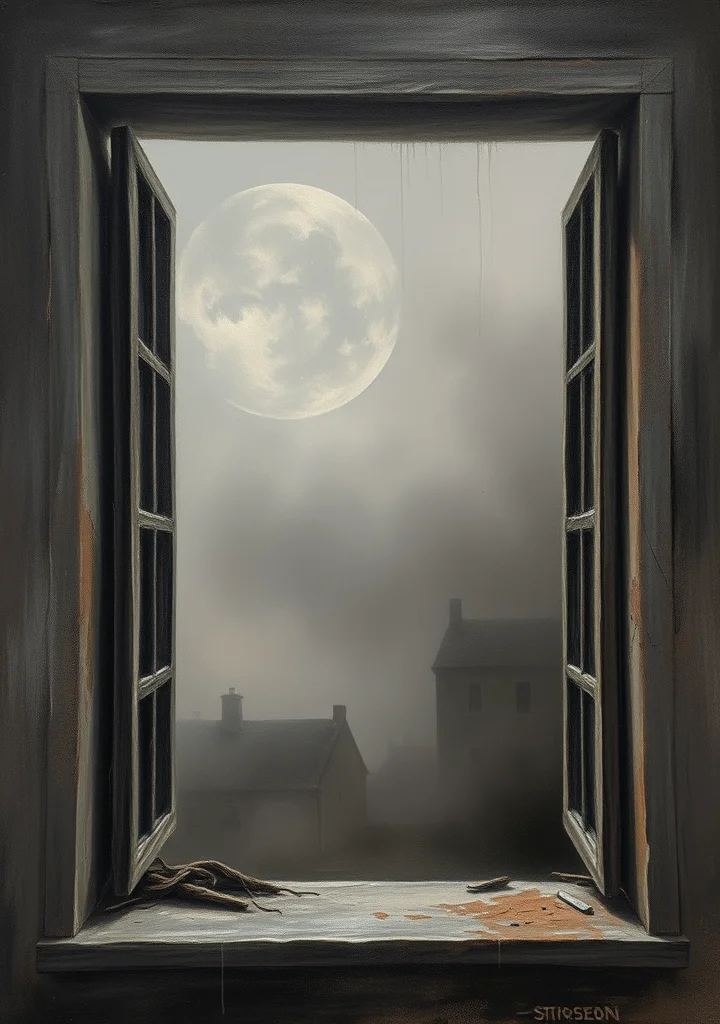
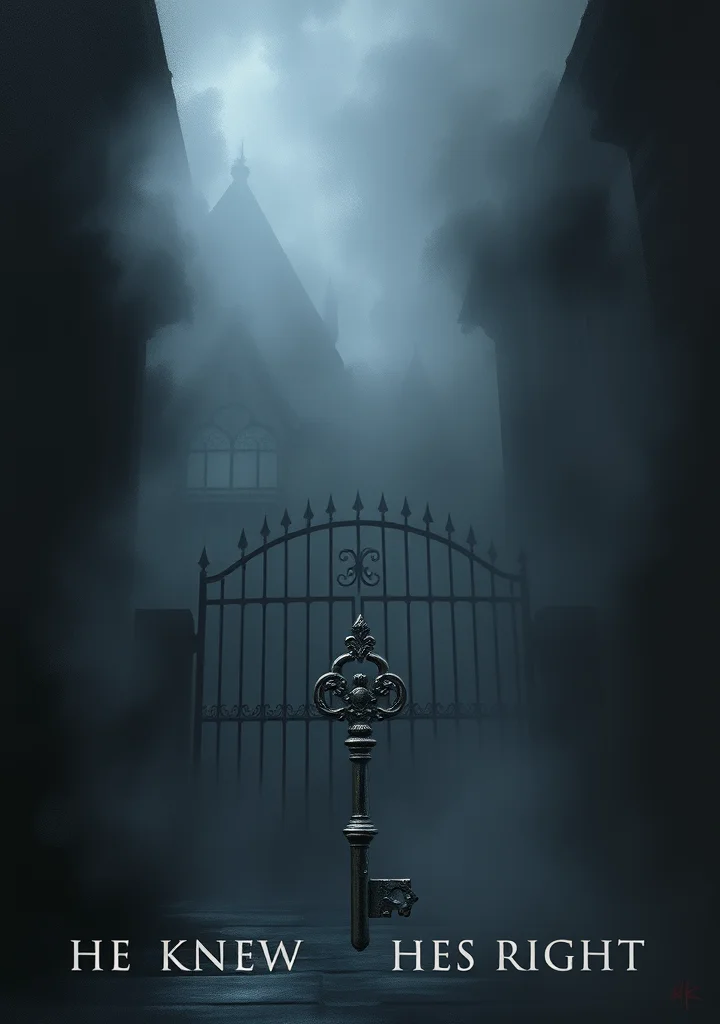
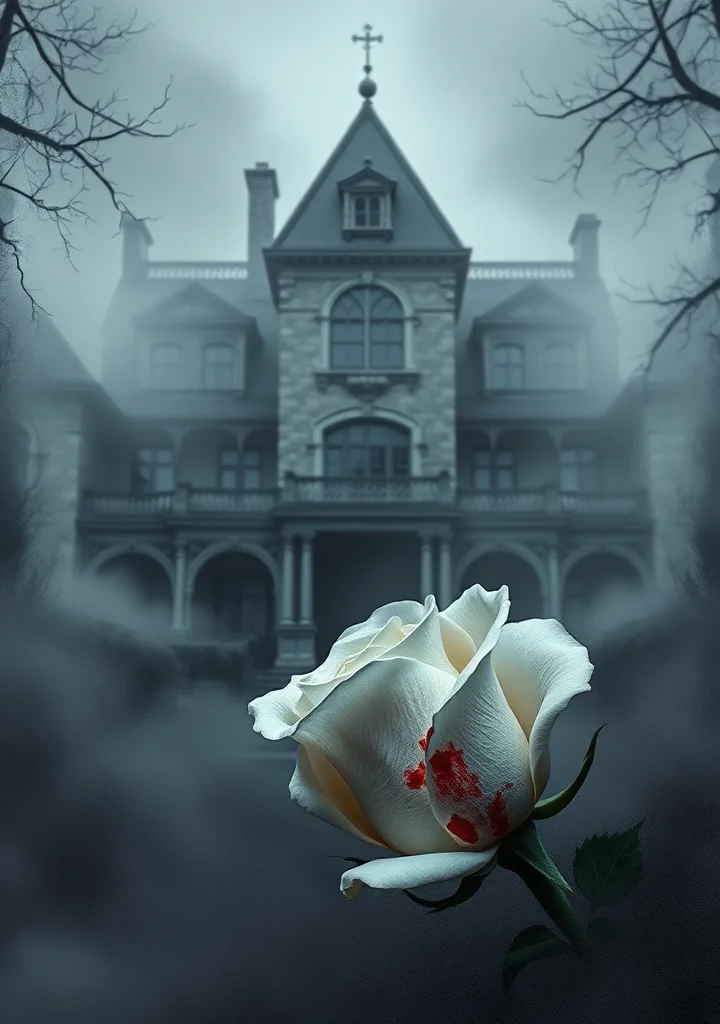
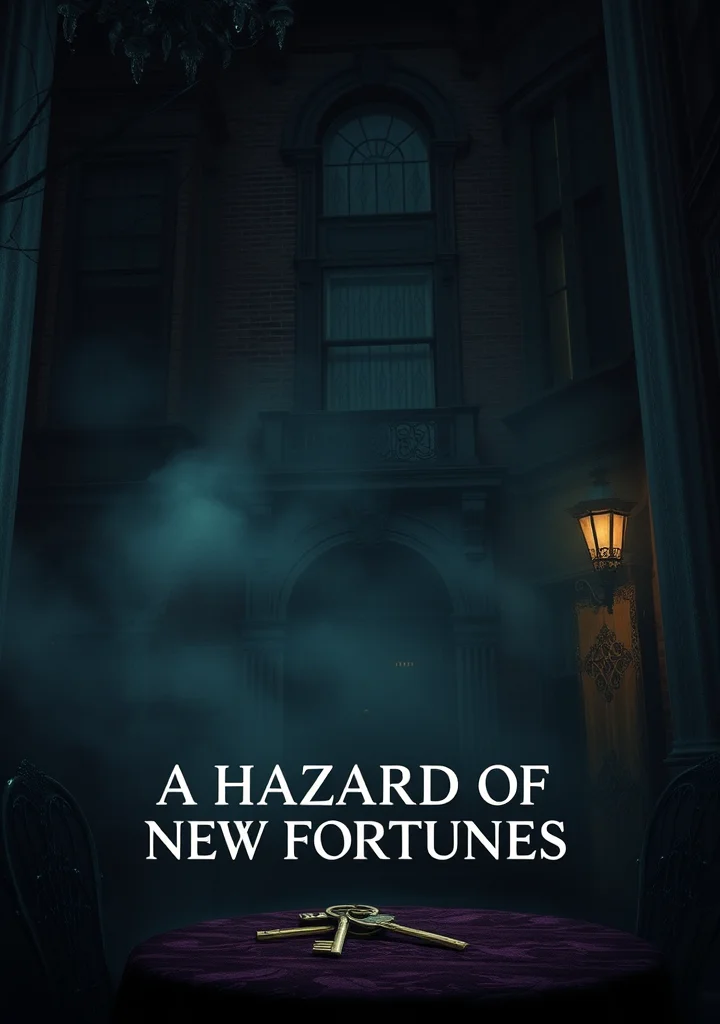
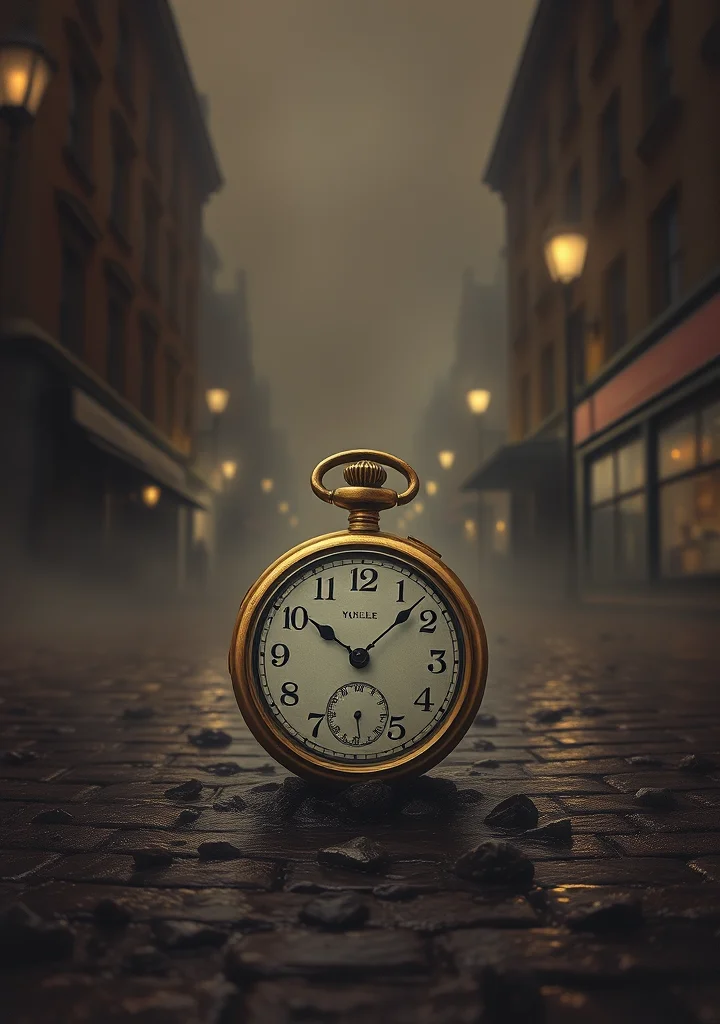
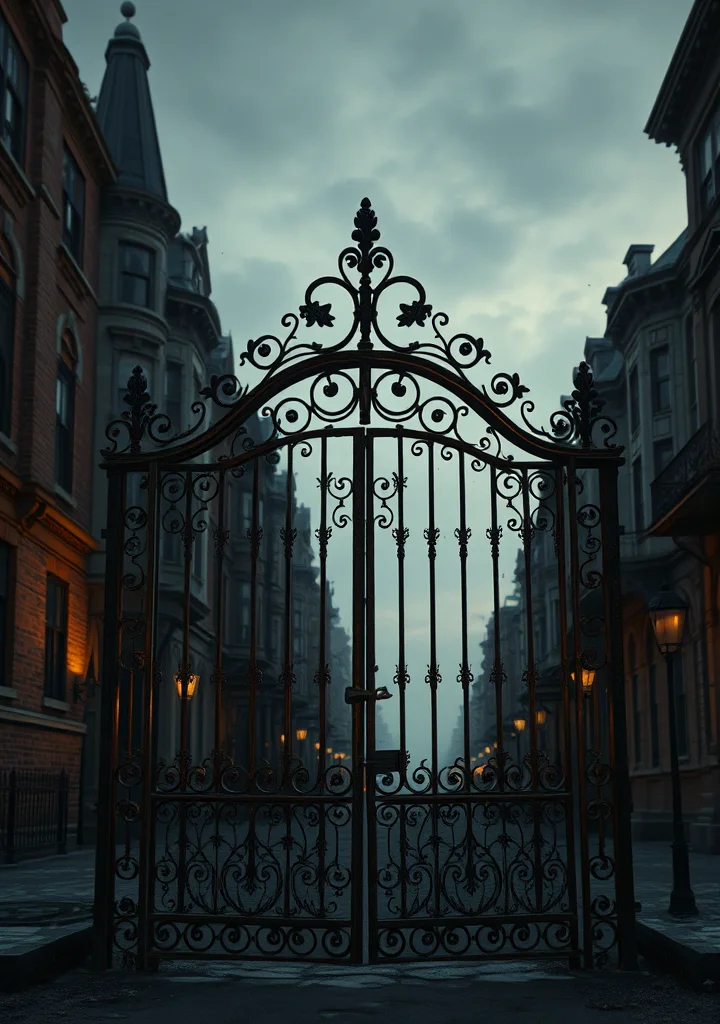
Dust motes dance in the perpetual twilight of National Avenue, a street steeped in the suffocating perfume of decaying grandeur. Here, the houses stand as skeletal monuments to ambition curdled by regret, their shadowed windows watching over a city choked by ambition and regret. It is a place where fortunes built on iron and industry slowly rust, mirroring the rot within the families clinging to their fading status. The air hangs heavy with the scent of coal smoke and suppressed secrets, each brick and wrought-iron gate a testament to a stifled past.
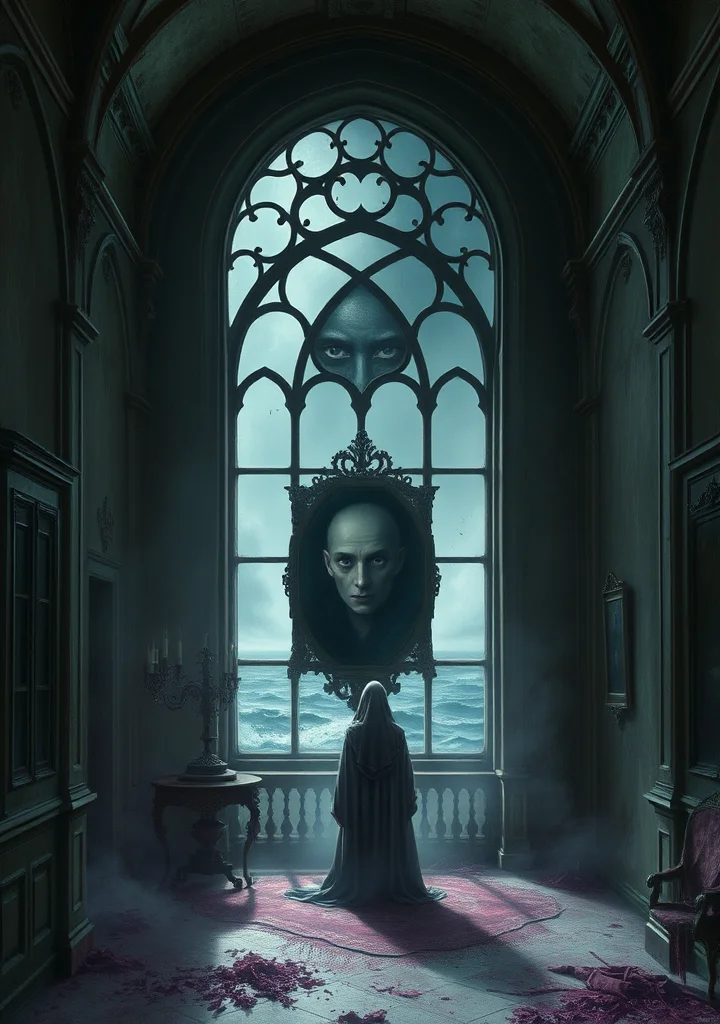
A creeping unease permeates the narrative, a sense of lives entombed within their inherited wealth, their spirits corroded by the very elegance they possess. The avenue is a stage for quiet desperation, where polite smiles mask simmering resentments and the weight of expectation crushes the young beneath the legacy of their fathers. Every polished surface reflects a distorted version of desire, and within the shadowed parlors, the silence screams with the unvoiced longings of those trapped within its gilded cage. A subtle, insidious dread clings to the cobblestones, promising that beneath the veneer of respectability, something ancient and terrible stirs in the heart of the avenue. It is a place where the ghosts of ambition linger, and the shadows lengthen with each passing year.
Copyright: Public Domain
This license allows anyone to use your story for any purpose, including printing, selling, or adapting it into a film freely.
This license allows anyone to use your story for any purpose, including printing, selling, or adapting it into a film freely.
Chapter List
-
« National Avenue »📖 Continue Reading
-
« Chapter_3 »
-
« I »
-
« II »
-
« III »
-
« IV »
-
« V »
-
« VI »
-
« VII »
-
« VIII »
-
« IX »
-
« X »
-
« XI »
-
« XII »
-
« XIII »
-
« XIV »
-
« XV »
-
« XVI »
-
« XVII »
-
« XVIII »
-
« XIX »
-
« XX »
-
« XXI »
-
« XXII »
-
« XXIII »
-
« XXIV »
-
« XXV »
-
« XXVI »
-
« XXVII »
-
« XXVIII »
-
« XXIX »
-
« XXX »
-
« XXXI »
More like this