
-
Read 843
-
0
-
Part 64
Completed, First published Mar 02, 2026
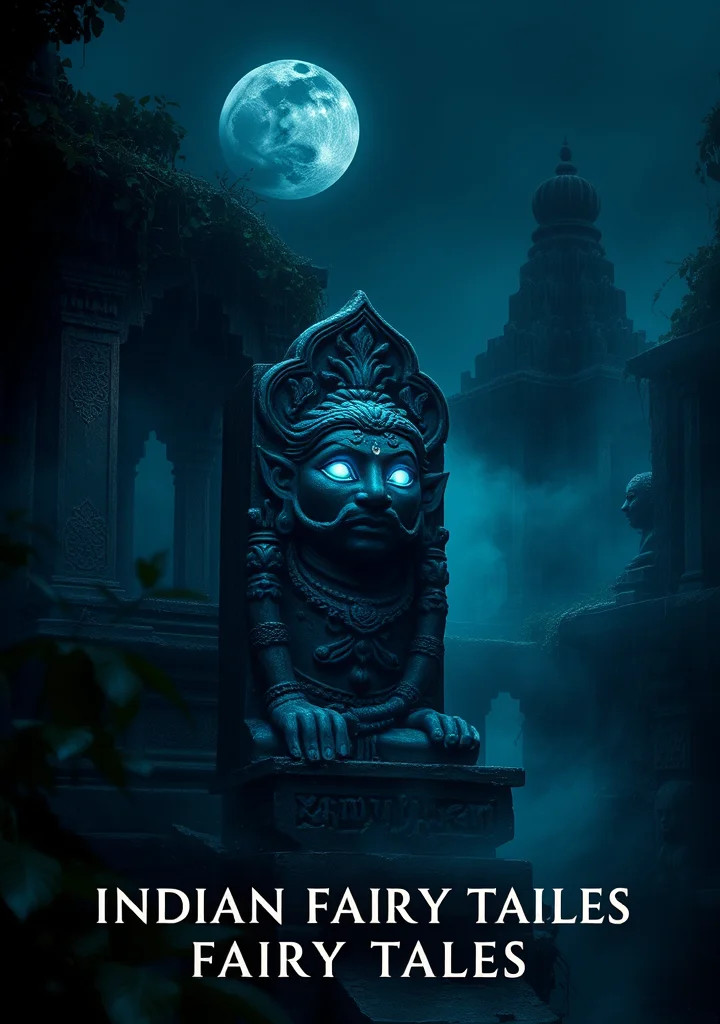
Beneath a bruised, monsoon-heavy sky, these tales whisper from shadowed verandas and crumbling temple stones. Dust motes dance in the slivers of moonlight that penetrate the jungle’s suffocating embrace, illuminating forgotten gods and the restless spirits of river-soaked lands. A humid dread clings to each story, woven with the scent of jasmine and decay. Here, jackals howl at lunar eclipses, and the boundaries between the mortal world and the realms of yakshas and rakshasas blur into a single, suffocating darkness. The narratives aren’t merely heard, but *felt* – a prickling of the skin as a demon’s gaze lingers, the chill of a cursed jewel against your palm. Each tale is a crumbling brick in a forgotten ziggurat, revealing glimpses of a world where benevolence is a fragile offering to the hungry shadows, and every kindness exacts a terrible price. The stories seep into the soil of your own fears, leaving you haunted by echoes of drums in the rice paddies and the mournful cries of lost princesses swallowed by the creeping vines. They are not bedtime stories, but warnings delivered on the breath of the night wind, promising that the ancient magic still stirs beneath the earth, waiting to claim those who listen too closely.
Copyright: Public Domain
This license allows anyone to use your story for any purpose, including printing, selling, or adapting it into a film freely.
This license allows anyone to use your story for any purpose, including printing, selling, or adapting it into a film freely.
Chapter List
-
« Indian Fairy Tales »📖 Continue Reading
-
« Chapter_3 »
-
« Preface »
-
« Indian Fairy Tales »
-
« The Lion and the Crane »
-
« How the Raja’s Son Won the Princess Labam »
-
« The Lambikin »
-
« Punchkin »
-
« The Broken Pot »
-
« The Magic Fiddle »
-
« The Cruel Crane Outwitted »
-
« Loving Laili »
-
« The Tiger, the Brahman, and the Jackal »
-
« The Soothsayer’s Son »
-
« Harisarman »
-
« The Charmed Ring »
-
« The Talkative Tortoise »
-
« A Lac of Rupees for a Bit of Advice »
-
« The Gold-Giving Serpent »
-
« The Son of Seven Queens »
-
« A Lesson for Kings »
-
« Pride Goeth Before a Fall »
-
« Raja Rasalu »
-
« The Ass in the Lion’s Skin »
-
« The Farmer and the Moneylender »
-
« The Boy Who Had a Moon on His Forehead and a Star on His Chin »
-
« The Prince and the Fakir »
-
« Why the Fish Laughed »
-
« The Demon with the Matted Hair »
-
« The Ivory City and Its Fairy Princess »
-
« How Sun, Moon, and Wind Went Out to Dinner »
-
« How the Wicked Sons Were Duped »
-
« The Pigeon and the Crow »
-
« Notes and References »
-
« Chapter_36 »
-
« I »
-
« II »
-
« III »
-
« IV »
-
« V »
-
« VI »
-
« VII »
-
« VIII »
-
« IX »
-
« X »
-
« XI »
-
« XII »
-
« XIII »
-
« XIV »
-
« XV »
-
« XVI »
-
« XVII »
-
« XVIII »
-
« XIX »
-
« XX »
-
« XXI »
-
« XXII »
-
« XXIII »
-
« XXIV »
-
« XXV »
-
« XXVI »
-
« XXVII »
-
« XXVIII »
-
« XXIX »
64
-
« Indian Fairy Tales »
-
« Chapter_3 »
-
« Preface »
-
« Indian Fairy Tales »
-
« The Lion and the Crane »
-
« How the Raja’s Son Won the Princess Labam »
-
« The Lambikin »
-
« Punchkin »
-
« The Broken Pot »
-
« The Magic Fiddle »
-
« The Cruel Crane Outwitted »
-
« Loving Laili »
-
« The Tiger, the Brahman, and the Jackal »
-
« The Soothsayer’s Son »
-
« Harisarman »
-
« The Charmed Ring »
-
« The Talkative Tortoise »
-
« A Lac of Rupees for a Bit of Advice »
-
« The Gold-Giving Serpent »
-
« The Son of Seven Queens »
-
« A Lesson for Kings »
-
« Pride Goeth Before a Fall »
-
« Raja Rasalu »
-
« The Ass in the Lion’s Skin »
-
« The Farmer and the Moneylender »
-
« The Boy Who Had a Moon on His Forehead and a Star on His Chin »
-
« The Prince and the Fakir »
-
« Why the Fish Laughed »
-
« The Demon with the Matted Hair »
-
« The Ivory City and Its Fairy Princess »
-
« How Sun, Moon, and Wind Went Out to Dinner »
-
« How the Wicked Sons Were Duped »
-
« The Pigeon and the Crow »
-
« Notes and References »
-
« Chapter_36 »
-
« I »
-
« II »
-
« III »
-
« IV »
-
« V »
-
« VI »
-
« VII »
-
« VIII »
-
« IX »
-
« X »
-
« XI »
-
« XII »
-
« XIII »
-
« XIV »
-
« XV »
-
« XVI »
-
« XVII »
-
« XVIII »
-
« XIX »
-
« XX »
-
« XXI »
-
« XXII »
-
« XXIII »
-
« XXIV »
-
« XXV »
-
« XXVI »
-
« XXVII »
-
« XXVIII »
-
« XXIX »
More like this