
-
Read 379
-
0
-
Part 20
Completed, First published Mar 02, 2026
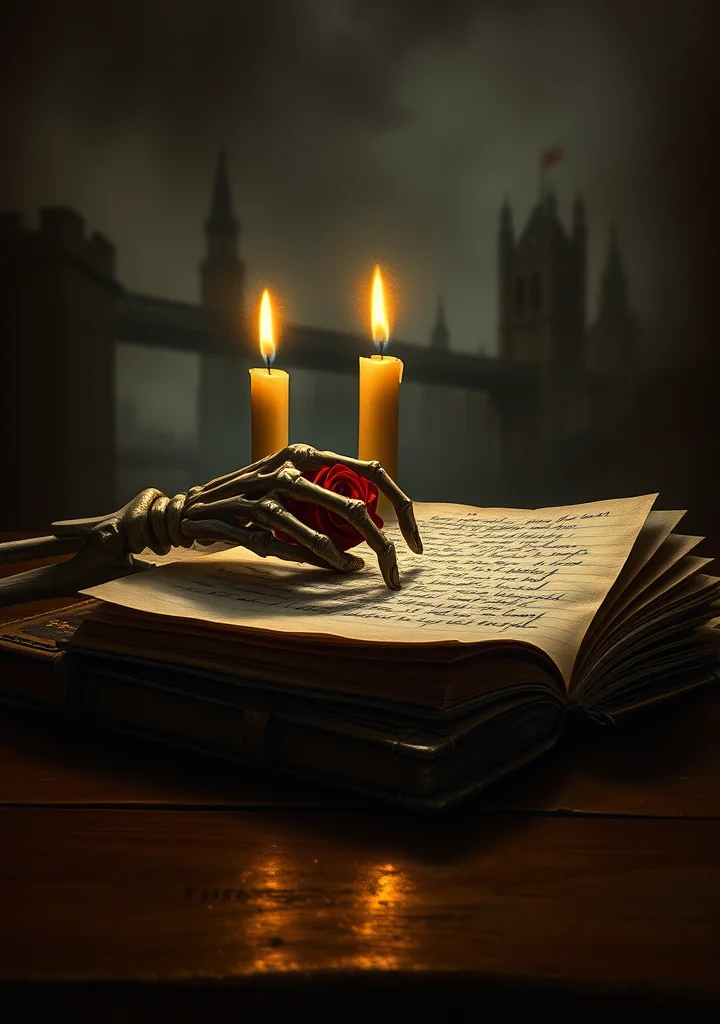
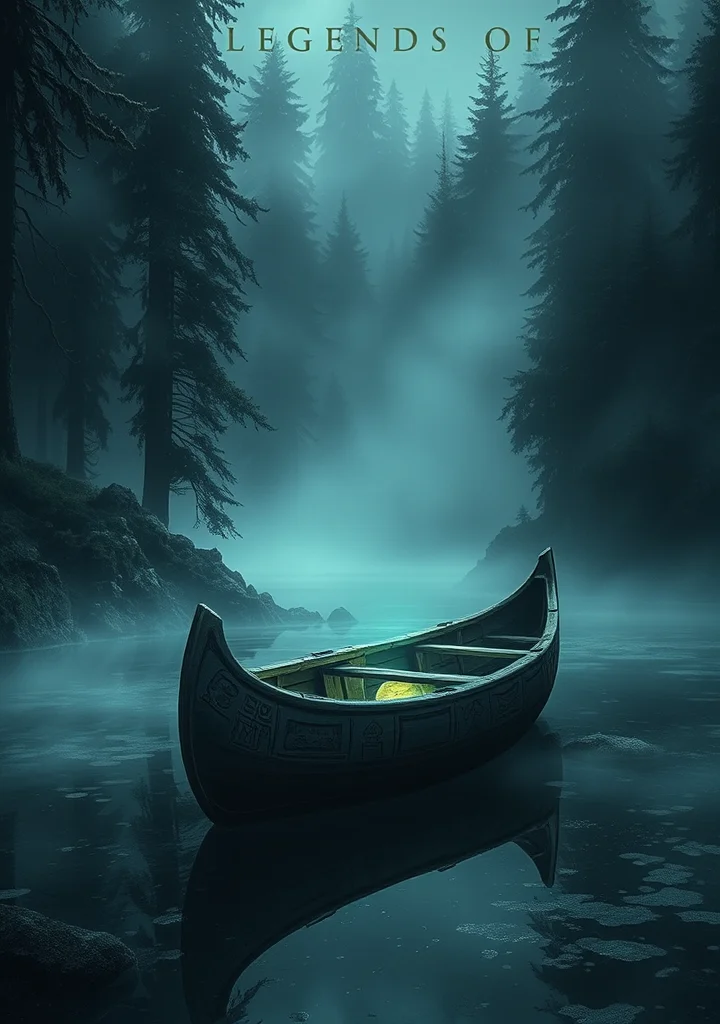
A creeping mist clings to the shadowed forests and salt-laced inlets of the Pacific Northwest, echoing the half-remembered tales whispered by First Nations elders. Within these stories, a melancholic beauty festers – not of grand horror, but of a sorrow woven into the very land. The spirits of drowned lovers haunt the cedar groves, their laments carried on the wind through hollowed-out canoes. A loneliness permeates the narratives, a sense of irrevocable loss tied to the vanishing ways of a people and the encroaching tide of a new world. Each legend feels less like a story told, and more like a fragment of memory unearthed from the damp earth, cold and slick with decay. The scent of brine and pine needles hangs heavy, obscuring the edges of reality where the human world bleeds into the realm of myth. These are not tales of monsters, but of echoes—the ghosts of promises broken, of hearts surrendered to the wilderness, and of a grief so profound it has become inextricably linked to the fog-shrouded coast. The narrative possesses a haunting stillness, a muted dread that rises not from sudden shocks, but from the slow, inevitable realization that something vital has been irrevocably taken, and swallowed by the deepening shadows.
Copyright: Public Domain
This license allows anyone to use your story for any purpose, including printing, selling, or adapting it into a film freely.
This license allows anyone to use your story for any purpose, including printing, selling, or adapting it into a film freely.
Chapter List
-
« Legends of Vancouver »📖 Continue Reading
-
« Foreword »
-
« Preface »
-
« Biographical Notice »
-
« Legends of Vancouver »
-
« The Two Sisters »
-
« The Siwash Rock »
-
« The Recluse »
-
« The Lost Salmon-Run »
-
« The Deep Waters »
-
« The Sea-Serpent »
-
« The Lost Island »
-
« Point Grey »
-
« The Tulameen Trail »
-
« The Grey Archway »
-
« Deadman’s Island »
-
« A Squamish Legend of Napoleon »
-
« The Lure in Stanley Park »
-
« Deer Lake »
-
« A Royal Mohawk Chief »
20
-
« Legends of Vancouver »
-
« Foreword »
-
« Preface »
-
« Biographical Notice »
-
« Legends of Vancouver »
-
« The Two Sisters »
-
« The Siwash Rock »
-
« The Recluse »
-
« The Lost Salmon-Run »
-
« The Deep Waters »
-
« The Sea-Serpent »
-
« The Lost Island »
-
« Point Grey »
-
« The Tulameen Trail »
-
« The Grey Archway »
-
« Deadman’s Island »
-
« A Squamish Legend of Napoleon »
-
« The Lure in Stanley Park »
-
« Deer Lake »
-
« A Royal Mohawk Chief »
More like this