
-
Read 1.2K
-
0
-
Part 104
Completed, First published Mar 02, 2026
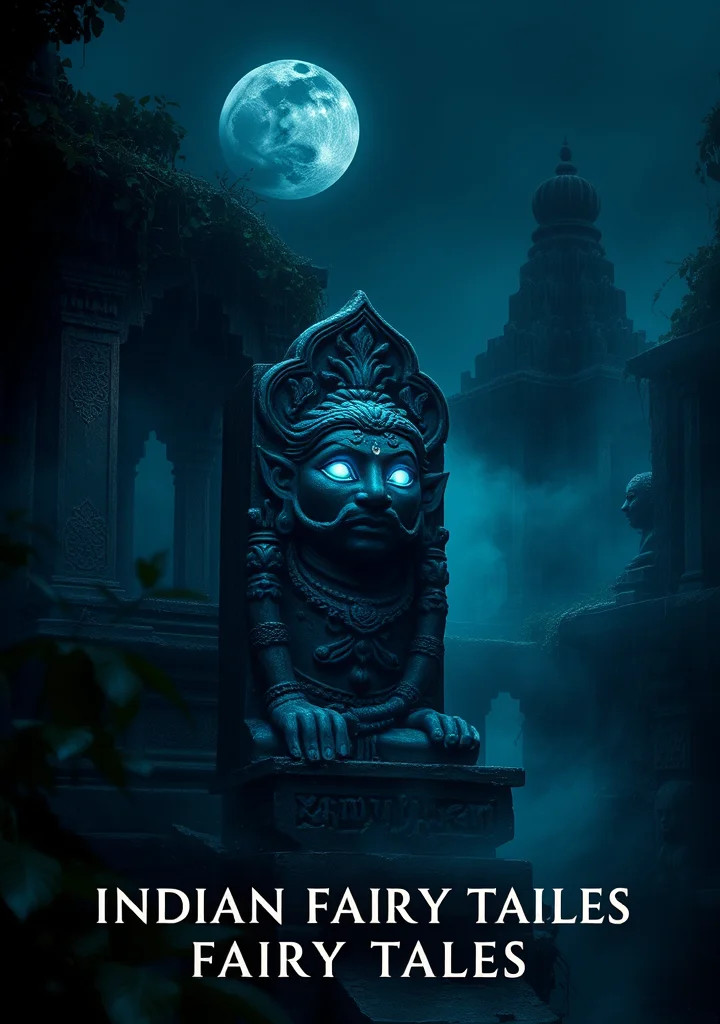
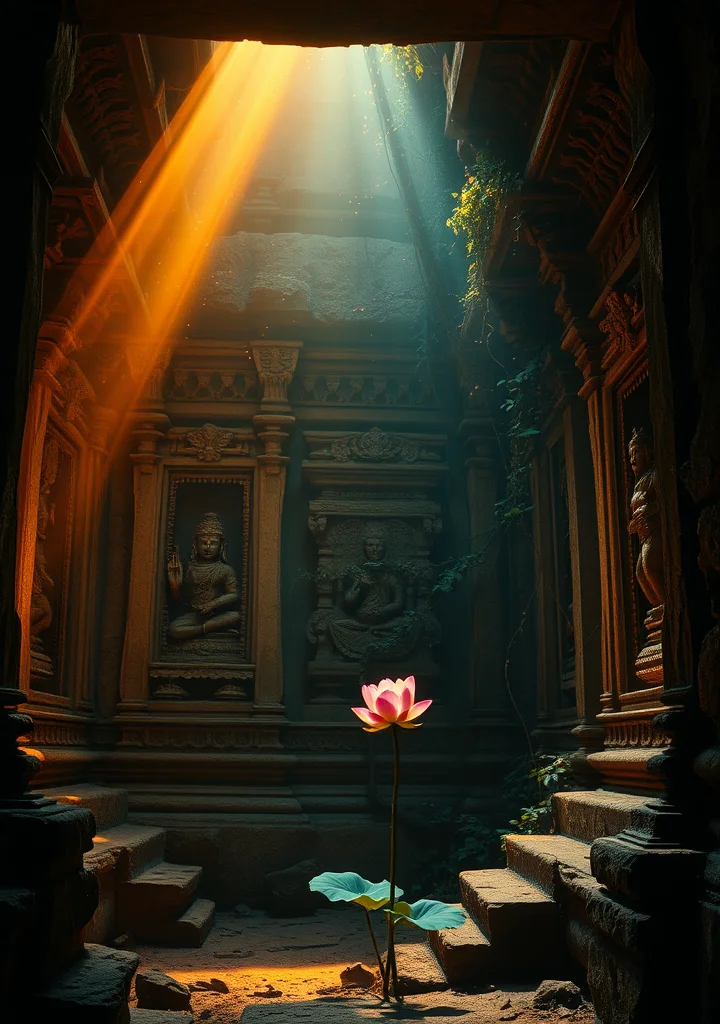
Dust motes dance in the amber light of forgotten temples, clinging to the crumbling sandstone carvings. A creeping dread unfurls from the pages, thick with the scent of jasmine and decay. These are not mere stories, but echoes drawn from a shadowed past—a land where gods walk amongst men, and the veil between worlds is threadbare. Each tale breathes with the humid weight of the monsoon season, a suffocating heat that clings to bone and sinew. Whispers of vengeful deities, the mournful cries of river spirits, and the chilling logic of ancient curses weave a tapestry of unease. The narrative unfolds like a fever dream, steeped in ritualistic fervor and the slow rot of ancestral grief. Beneath the ornate prose, a primal darkness stirs – the gnawing hunger of ambition, the suffocating weight of dharma, and the creeping madness of isolation. The landscapes are not merely described, but *felt* – the oppressive weight of the jungle canopy, the slick, black stones of forgotten shrines, the suffocating scent of incense burning for a god long since abandoned. It’s a world where beauty is a lure, and every offering demands a piece of the soul. The air itself is haunted, thick with the cries of generations consumed by fate, leaving a residue of despair clinging to the reader long after the final page is turned.
Copyright: Public Domain
This license allows anyone to use your story for any purpose, including printing, selling, or adapting it into a film freely.
This license allows anyone to use your story for any purpose, including printing, selling, or adapting it into a film freely.
Chapter List
-
« Hindu Tales from the Sanskrit »📖 Continue Reading
-
« Introductory Note »
-
« Hindu Tales from the Sanskrit »
-
« The Magic Pitcher »
-
« I »
-
« II »
-
« III »
-
« IV »
-
« V »
-
« VI »
-
« VII »
-
« VIII »
-
« IX »
-
« X »
-
« XI »
-
« XII »
-
« XIII »
-
« XIV »
-
« The Story of a Cat, a Mouse, a Lizard and an Owl »
-
« I »
-
« II »
-
« III »
-
« IV »
-
« V »
-
« VI »
-
« A Royal Thief-Catcher »
-
« I »
-
« II »
-
« III »
-
« IV »
-
« V »
-
« VI »
-
« VII »
-
« VIII »
-
« IX »
-
« X »
-
« XI »
-
« XII »
-
« The Magic Shoes and Staff »
-
« I »
-
« II »
-
« III »
-
« IV »
-
« V »
-
« VI »
-
« VII »
-
« VIII »
-
« IX »
-
« X »
-
« XI »
-
« XII »
-
« XIII »
-
« XIV »
-
« XV »
-
« XVI »
-
« The Jewelled Arrow »
-
« I »
-
« II »
-
« III »
-
« IV »
-
« V »
-
« VI »
-
« VII »
-
« VIII »
-
« IX »
-
« X »
-
« XI »
-
« XII »
-
« XIII »
-
« The Beetle and the Silken Thread »
-
« I »
-
« II »
-
« III »
-
« IV »
-
« V »
-
« VI »
-
« VII »
-
« A Crow and His Three Friends »
-
« I »
-
« II »
-
« III »
-
« IV »
-
« V »
-
« VI »
-
« VII »
-
« A Clever Thief »
-
« I »
-
« II »
-
« III »
-
« IV »
-
« V »
-
« VI »
-
« VII »
-
« VIII »
-
« The Hermit’s Daughter »
-
« I »
-
« II »
-
« III »
-
« IV »
-
« V »
-
« VI »
-
« VII »
-
« VIII »
-
« IX »
104
-
« Hindu Tales from the Sanskrit »
-
« Introductory Note »
-
« Hindu Tales from the Sanskrit »
-
« The Magic Pitcher »
-
« I »
-
« II »
-
« III »
-
« IV »
-
« V »
-
« VI »
-
« VII »
-
« VIII »
-
« IX »
-
« X »
-
« XI »
-
« XII »
-
« XIII »
-
« XIV »
-
« The Story of a Cat, a Mouse, a Lizard and an Owl »
-
« I »
-
« II »
-
« III »
-
« IV »
-
« V »
-
« VI »
-
« A Royal Thief-Catcher »
-
« I »
-
« II »
-
« III »
-
« IV »
-
« V »
-
« VI »
-
« VII »
-
« VIII »
-
« IX »
-
« X »
-
« XI »
-
« XII »
-
« The Magic Shoes and Staff »
-
« I »
-
« II »
-
« III »
-
« IV »
-
« V »
-
« VI »
-
« VII »
-
« VIII »
-
« IX »
-
« X »
-
« XI »
-
« XII »
-
« XIII »
-
« XIV »
-
« XV »
-
« XVI »
-
« The Jewelled Arrow »
-
« I »
-
« II »
-
« III »
-
« IV »
-
« V »
-
« VI »
-
« VII »
-
« VIII »
-
« IX »
-
« X »
-
« XI »
-
« XII »
-
« XIII »
-
« The Beetle and the Silken Thread »
-
« I »
-
« II »
-
« III »
-
« IV »
-
« V »
-
« VI »
-
« VII »
-
« A Crow and His Three Friends »
-
« I »
-
« II »
-
« III »
-
« IV »
-
« V »
-
« VI »
-
« VII »
-
« A Clever Thief »
-
« I »
-
« II »
-
« III »
-
« IV »
-
« V »
-
« VI »
-
« VII »
-
« VIII »
-
« The Hermit’s Daughter »
-
« I »
-
« II »
-
« III »
-
« IV »
-
« V »
-
« VI »
-
« VII »
-
« VIII »
-
« IX »
More like this