
The Mule-Bone
  • 60
  • 0
  • 6
  • Reads 60
  • 0
  • Part 6
Completed, First published Mar 02, 2026

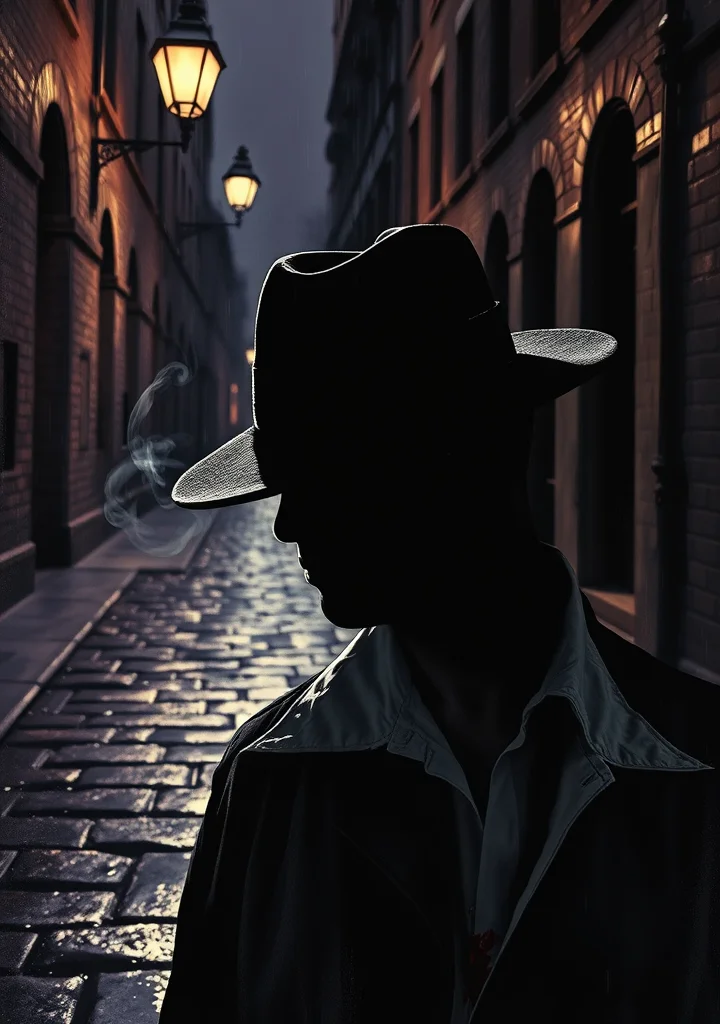
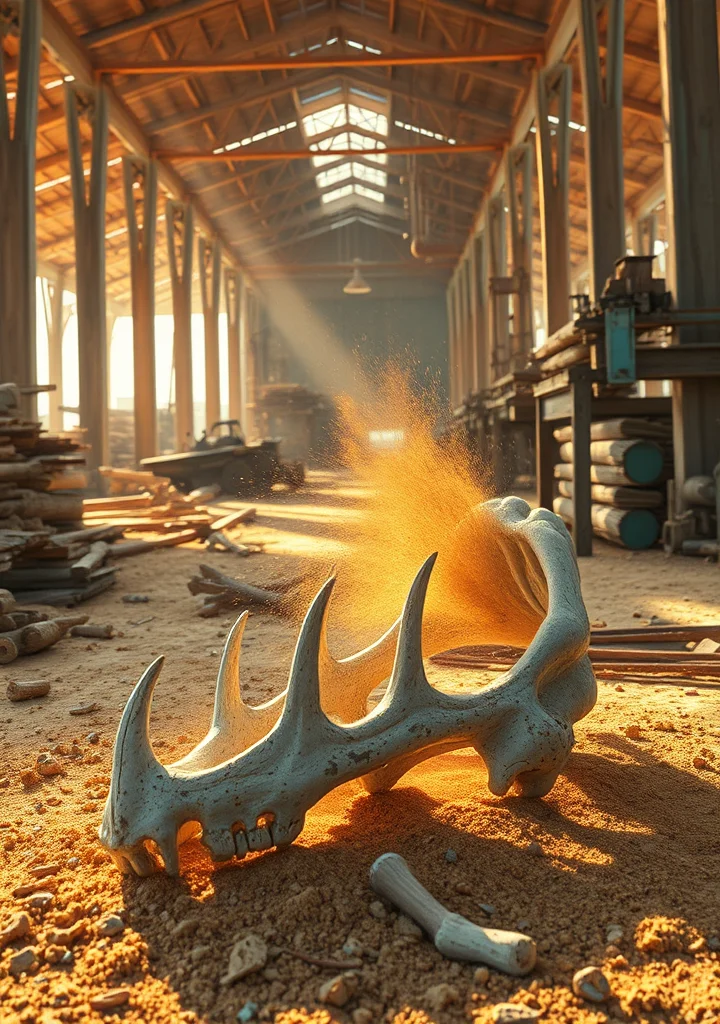
Dust hangs thick in the turpentine-scented air of the Florida backwoods, clinging to the weathered planks of the abandoned sawmill and the sun-bleached bones of forgotten mules. This is a story told in whispers around dying embers, a fable woven from heat haze and the mournful cry of cicadas. The air itself feels feverish, haunted by the echoes of a wager gone sour – a contest of strength and cunning between a man named Jim Crow and a mule named Blue. But Blue isn’t just a beast of burden; she’s a vessel for a simmering rage, a creature born of the land’s own stubborn defiance. The narrative unfolds like a slow, suffocating swamp fever, steeped in the humid rot of betrayal. It's a world where the line between man and beast blurs, where pride is a dangerous currency, and the consequences of hubris linger long after the sun sets. Every cracked floorboard, every rusted tool, every shadowed glance carries the weight of a history built on broken promises. The heat doesn’t just scorch the skin, it sears away at decency, leaving behind a landscape of simmering resentment and the hollow ache of what’s been lost. A creeping dread settles in the gully between the trees, the kind that comes from knowing the earth remembers everything, and that sometimes, it answers back. The story isn’t just about who wins the wager, but about the things that break beneath the weight of it.
Copyright: Public Domain
This license allows anyone to use your story for any purpose, including printing, selling, or adapting it into a film freely.
Recommended for you
10 Part
A creeping dread clings to the shadowed halls of Blackwood Manor, where Jean Muir, orphaned and veiled in circumstance, arrives as a governess. Not for children, but for the haunted legacy of Lord Ashworth, a man consumed by grief and shadowed by whispers of a stolen inheritance. The estate breathes with a stifled sorrow, mirroring the secrets Jean unearths within the Ashworth family – a lineage fractured by ambition, veiled identities, and a chilling obsession with preserving appearances. Each darkened room seems to hold a phantom echo of past betrayals, while the winter landscape outside mirrors the frigid isolation closing around Jean. Her every kindness, her attempts to unravel the Ashworth’s despair, are met with veiled resistance and a growing sense of being watched. The mask worn by Lord Ashworth is not merely sorrow; it is a shield for something far more sinister, and Jean finds herself drawn into a labyrinth of deception where love and loyalty are bartered for power, and the truth is buried beneath layers of perfidy. A suffocating elegance pervades the manor, a stifling perfume of decay clinging to antique fabrics and polished wood. The air itself feels thick with the weight of unspoken accusations, and Jean, though determined, feels increasingly trapped within a web of inherited malice. The shadows lengthen with each passing day, and the line between protector and prisoner blurs as she discovers that behind every mask lies a darkness eager to consume her.
65 Part
A suffocating fog clings to the cobblestones of Paris, mirroring the miasma of dread that seeps from the shadowed alleys and the decaying grandeur of the city’s heart. Gaboriau doesn’t offer a mere crime to unravel, but a descent into a labyrinthine underworld where the desperate are bound by debts of flesh and spirit to a cabal of silent, unseen masters. The air is thick with the scent of rot—not just of corpses discovered in the Seine, but of lives systematically broken down, of wills surrendered to a creeping, insidious control. Each chapter feels like a stolen glance through a keyhole, revealing glimpses of shadowed figures flitting between pawn shops and opium dens. The narrative winds through a decaying aristocracy, haunted by past sins and complicit in present ones, and a brutalized underworld of forgers, thieves, and the discarded. It’s a Paris where every whispered confidence is a transaction, every act of kindness a snare, and the boundaries between victim and predator blur into a sickening grey. The novel doesn't build to a climactic reveal, but rather unravels like a unraveling shroud, revealing not *who* commits the crimes, but *how* the very fabric of Parisian society is woven with corruption. A sense of helplessness pervades, a suffocating weight that descends with the Parisian rain. The reader is not merely observing a mystery; they’re being submerged in the moral decay of a city on the brink of collapse, where the only true currency is silence, and the price of freedom is paid in stolen breaths.
32 Part
Dust motes dance in perpetual twilight within the crumbling manor of Blackwood, a shadow clinging to the Yorkshire moors. Old Man Hemlock, a recluse haunted by whispers of forgotten sins, claims the earth itself has shuddered – not from earthquake or war, but from a grief so ancient it cracks the very foundations of reality. The tremors coincide with the arrival of young Alistair, a scholar driven by feverish ambition to unearth Blackwood’s lineage. He finds not history, but echoes – a lineage stained by ritual, by bargains struck with something cold and vast beneath the peat bogs. The air thickens with the scent of damp earth and decaying roses, each room a sepulchre echoing with the laughter of children long dead. Alistair’s investigations are shadowed by the silent, watchful housekeeper, a woman whose face is etched with a sorrow that predates the manor itself. As the world *does* shake – subtly, sickeningly – a creeping dread seizes the village. Livestock vanish, shadows lengthen beyond reason, and the villagers speak of a stone circle awakened by Hemlock’s lamentations. The truth, when it surfaces, is less a revelation than an unraveling. Blackwood isn’t merely built upon ancient ground; it *is* the wound in the world, a place where the veil thins and the hunger of the old gods stirs. The tremors aren’t the earth’s agony, but the pulse of something vast and terrible rising from the depths, demanding to be remembered, to be *felt* once more. Alistair, caught in its orbit, must choose between oblivion and becoming another stone in the edifice of its dreadful, silent reign.