
-
Read 1K
-
0
-
Part 83
Completed, First published Mar 02, 2026
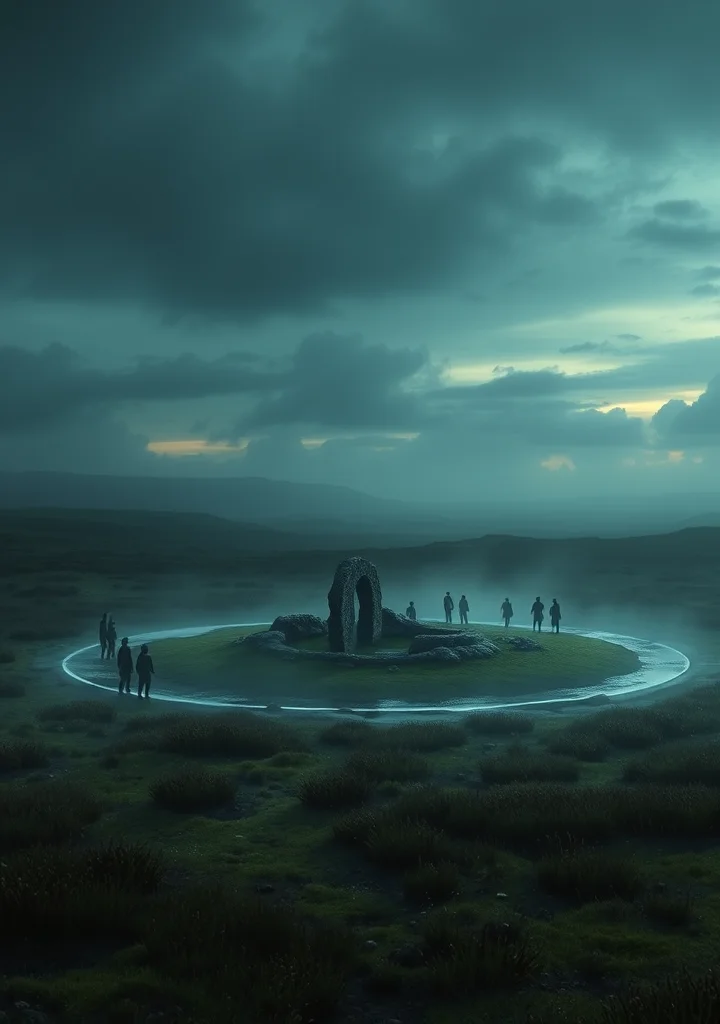
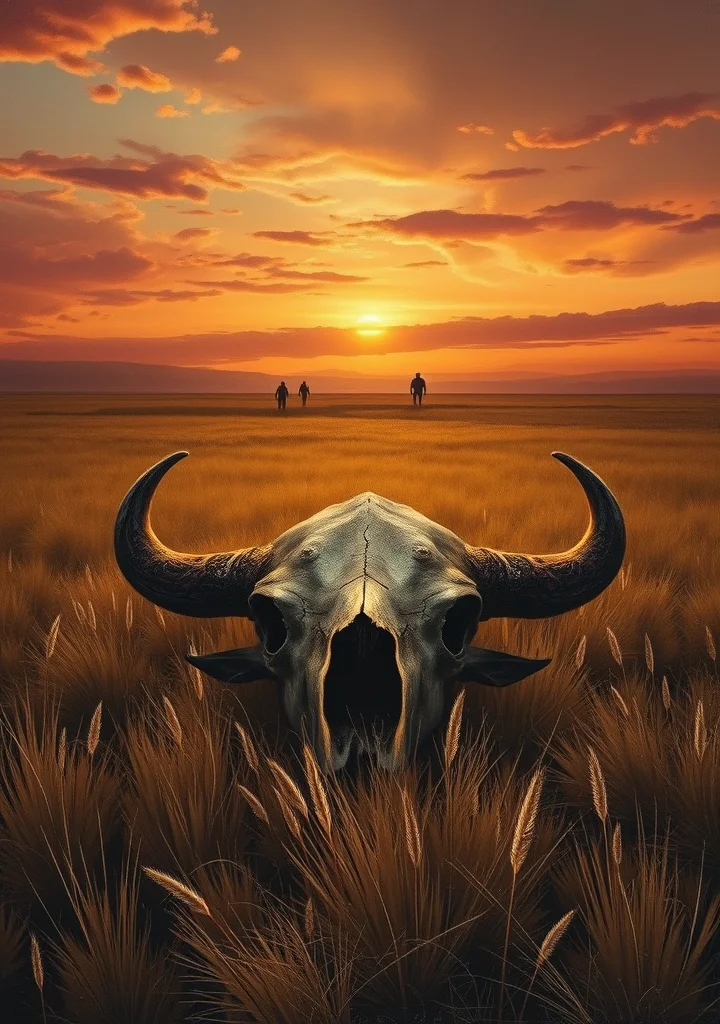
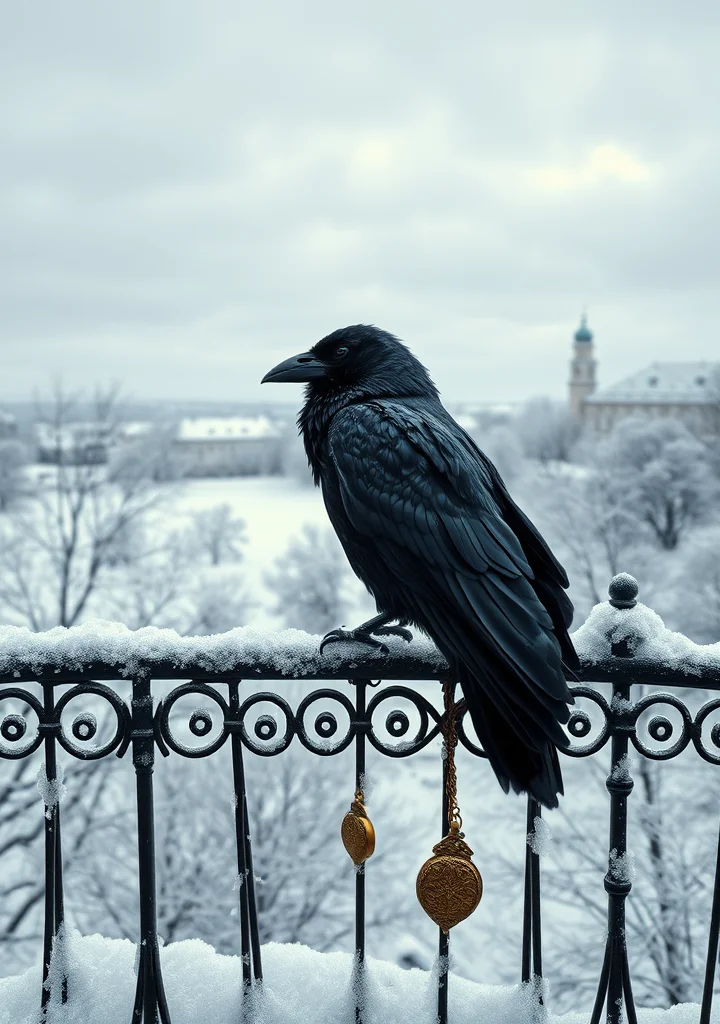
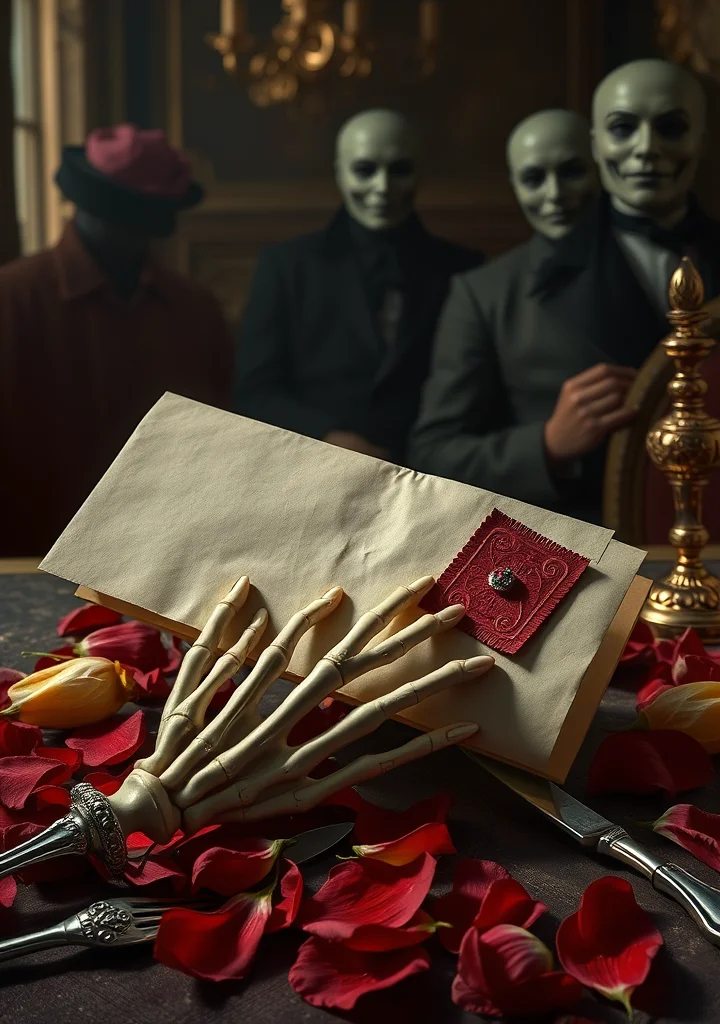
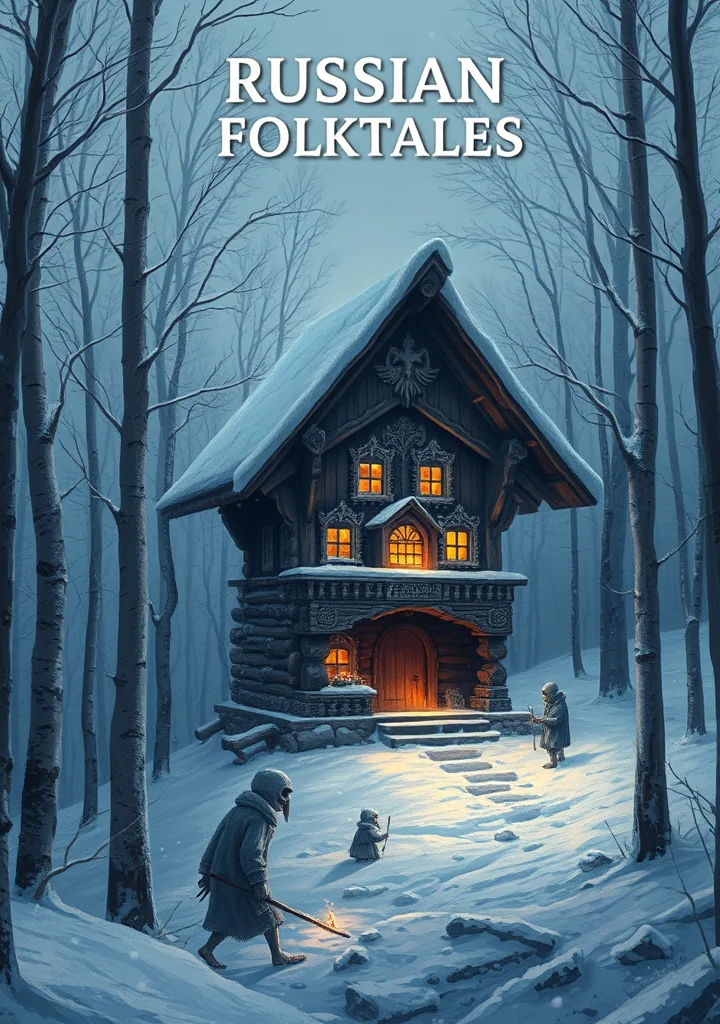
The winter wind howls through skeletal birch forests, carrying whispers of Baba Yaga’s hut on chicken legs and the chilling laughter of leshy, the forest spirit. Within these tales, the line between the living and the dead blurs with each falling snowflake. Villages cling to the edge of an endless, grey wood, where hunger gnaws at bellies and desperation breeds pacts with creatures born of shadow. Grandmothers’ stories are not comfort here, but warnings etched in frost, detailing the price of greed, the cunning of beasts, and the hollow ache of a world where the smallest kindness can unravel into monstrous consequence. Every hearth fire casts long, dancing shadows—the faces of those lost to the woods, their voices echoing in the howl of the blizzard. These aren't tales to soothe children, but to remind them of the hunger that lurks beyond the threshold, the bone-white cold that seeps into the marrow, and the ancient, hungry gods that slumber beneath the frozen earth. The air tastes of woodsmoke, iron, and the scent of something ancient and decaying. Forget warmth. Forget forgiveness. Only the raven remembers the way home, and even *it* does not return unchanged.
Copyright: Public Domain
This license allows anyone to use your story for any purpose, including printing, selling, or adapting it into a film freely.
This license allows anyone to use your story for any purpose, including printing, selling, or adapting it into a film freely.
Chapter List
-
« Russian Folktales »📖 Continue Reading
-
« Chapter_3 »
-
« Introduction »
-
« The Pronunciation of Russian Words »
-
« The Dun Cow »
-
« A Tale of the Dead »
-
« A Tale of the Dead »
-
« A Tale of the Dead »
-
« The Bear, the Dog, and the Cat »
-
« Egóri the Brave and the Gipsy »
-
« Danílo the Unfortunate »
-
« The Sorry Drunkard »
-
« The Wolf and the Tailor »
-
« The Tale of the Silver Saucer and the Crystal Apple »
-
« The Foundling Prince »
-
« The Sun and How It Was Made by Divine Will »
-
« The Language of the Birds »
-
« Bába Yagá and Zamorýshek »
-
« The Miraculous Hen »
-
« Mark the Rich »
-
« By Command of the Prince Daniel »
-
« The Thoughtless Word »
-
« The Tsarítsa Harpist »
-
« The Tale of Iván Tsarévich, the Bird of Light, and the Grey Wolf »
-
« The Priest with the Envious Eyes »
-
« The Soldier and Death »
-
« The Midnight Dance »
-
« Vasilísa the Fair »
-
« The Animals in the Pit »
-
« The Poor Widow »
-
« Ilyá Múrometsand Svyatogór the Knight »
-
« The Smith and the Devil »
-
« The Princess Who Would Not Smile »
-
« The Tsarévich and Dyád’ka »
-
« Prince Evstáfi »
-
« Vasilísa Popóvna »
-
« The Dream »
-
« The Soldier and the Tsar in the Forest »
-
« The Tale of Alexander of Macedon »
-
« The Brother of Christ »
-
« Alyósha Popóvich »
-
« God’s Blessing Compasses All Things »
-
« Shemyák the Judge »
-
« A Story of Saint Nicholas »
-
« The Potter »
-
« The Witch and the Sister of the Sun »
-
« Márya Moryévna »
-
« The Realm of Stone »
-
« The Story of Tsar Angéy and How He Suffered for Pride »
-
« The Feast of the Dead »
-
« The Quarrelsome Wife »
-
« Elijah the Prophet andSt.Nicholas »
-
« The Princess to Be Kissed at a Charge »
-
« The Wood Sprite »
-
« The Realms of Copper, Silver and Gold »
-
« Chufíl-Fílyushka »
-
« Donotknow »
-
« The Sea Tsar and Vasilísa the Wise »
-
« The Animals’ Winter Quarters »
-
« The Story of the Brave and Doughty Knight Ilyá Múromets and the Nightingale Robber »
-
« Nikíta the Tanner »
-
« The Singing-Tree and the Speaking-Bird »
-
« At the Behest of the Pike »
-
« The Journey to Jerusalem »
-
« Vazúza and Vólga »
-
« The Enchanted Tsarévich »
-
« The Snake Princess »
-
« Beer and Bread »
-
« Sorrow »
-
« Iváshko and the Wise Woman »
-
« Never-Wash »
-
« Christ and the Geese »
-
« Christ and Folksongs »
-
« The Devil in the Dough-Pan »
-
« The Sun, the Moon, and Crow Crowson »
-
« The Legless Knight and the Blind Knight »
-
« A Cure for Story-Telling »
-
« Notes »
-
« General Notes »
-
« The Crystal Apple and the Silver Saucer »
-
« The Dream. Notes »
-
« Midnight Dance. General Notes to This Story »
-
« Glossary »
83
-
« Russian Folktales »
-
« Chapter_3 »
-
« Introduction »
-
« The Pronunciation of Russian Words »
-
« The Dun Cow »
-
« A Tale of the Dead »
-
« A Tale of the Dead »
-
« A Tale of the Dead »
-
« The Bear, the Dog, and the Cat »
-
« Egóri the Brave and the Gipsy »
-
« Danílo the Unfortunate »
-
« The Sorry Drunkard »
-
« The Wolf and the Tailor »
-
« The Tale of the Silver Saucer and the Crystal Apple »
-
« The Foundling Prince »
-
« The Sun and How It Was Made by Divine Will »
-
« The Language of the Birds »
-
« Bába Yagá and Zamorýshek »
-
« The Miraculous Hen »
-
« Mark the Rich »
-
« By Command of the Prince Daniel »
-
« The Thoughtless Word »
-
« The Tsarítsa Harpist »
-
« The Tale of Iván Tsarévich, the Bird of Light, and the Grey Wolf »
-
« The Priest with the Envious Eyes »
-
« The Soldier and Death »
-
« The Midnight Dance »
-
« Vasilísa the Fair »
-
« The Animals in the Pit »
-
« The Poor Widow »
-
« Ilyá Múrometsand Svyatogór the Knight »
-
« The Smith and the Devil »
-
« The Princess Who Would Not Smile »
-
« The Tsarévich and Dyád’ka »
-
« Prince Evstáfi »
-
« Vasilísa Popóvna »
-
« The Dream »
-
« The Soldier and the Tsar in the Forest »
-
« The Tale of Alexander of Macedon »
-
« The Brother of Christ »
-
« Alyósha Popóvich »
-
« God’s Blessing Compasses All Things »
-
« Shemyák the Judge »
-
« A Story of Saint Nicholas »
-
« The Potter »
-
« The Witch and the Sister of the Sun »
-
« Márya Moryévna »
-
« The Realm of Stone »
-
« The Story of Tsar Angéy and How He Suffered for Pride »
-
« The Feast of the Dead »
-
« The Quarrelsome Wife »
-
« Elijah the Prophet andSt.Nicholas »
-
« The Princess to Be Kissed at a Charge »
-
« The Wood Sprite »
-
« The Realms of Copper, Silver and Gold »
-
« Chufíl-Fílyushka »
-
« Donotknow »
-
« The Sea Tsar and Vasilísa the Wise »
-
« The Animals’ Winter Quarters »
-
« The Story of the Brave and Doughty Knight Ilyá Múromets and the Nightingale Robber »
-
« Nikíta the Tanner »
-
« The Singing-Tree and the Speaking-Bird »
-
« At the Behest of the Pike »
-
« The Journey to Jerusalem »
-
« Vazúza and Vólga »
-
« The Enchanted Tsarévich »
-
« The Snake Princess »
-
« Beer and Bread »
-
« Sorrow »
-
« Iváshko and the Wise Woman »
-
« Never-Wash »
-
« Christ and the Geese »
-
« Christ and Folksongs »
-
« The Devil in the Dough-Pan »
-
« The Sun, the Moon, and Crow Crowson »
-
« The Legless Knight and the Blind Knight »
-
« A Cure for Story-Telling »
-
« Notes »
-
« General Notes »
-
« The Crystal Apple and the Silver Saucer »
-
« The Dream. Notes »
-
« Midnight Dance. General Notes to This Story »
-
« Glossary »
More like this