
-
Read 186
-
0
-
Part 9
Completed, First published Mar 02, 2026
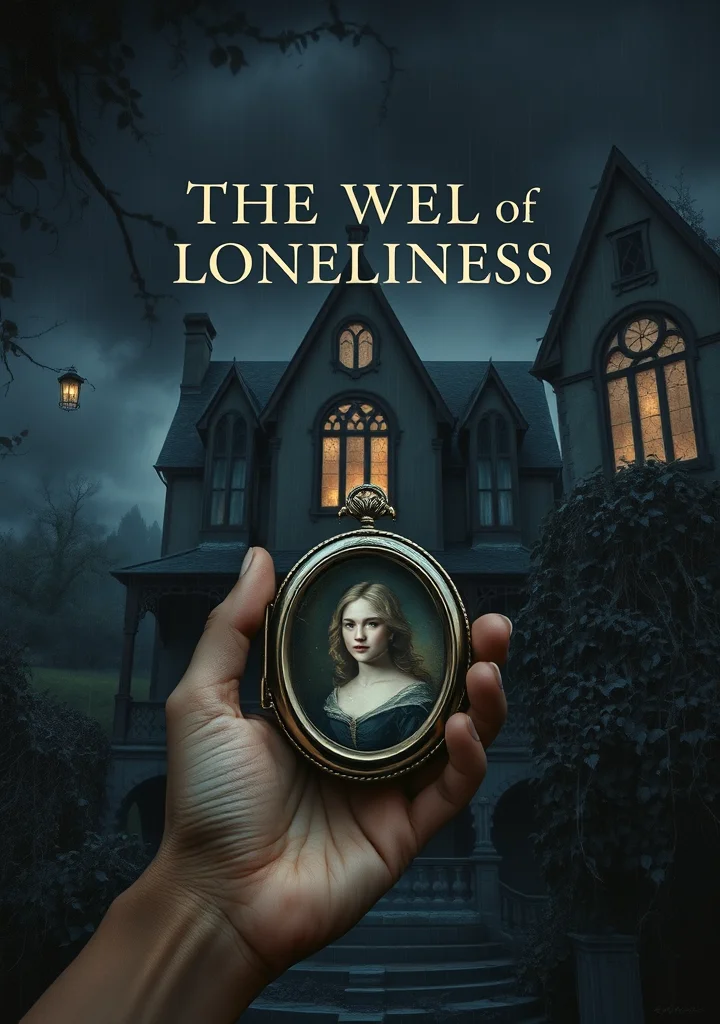
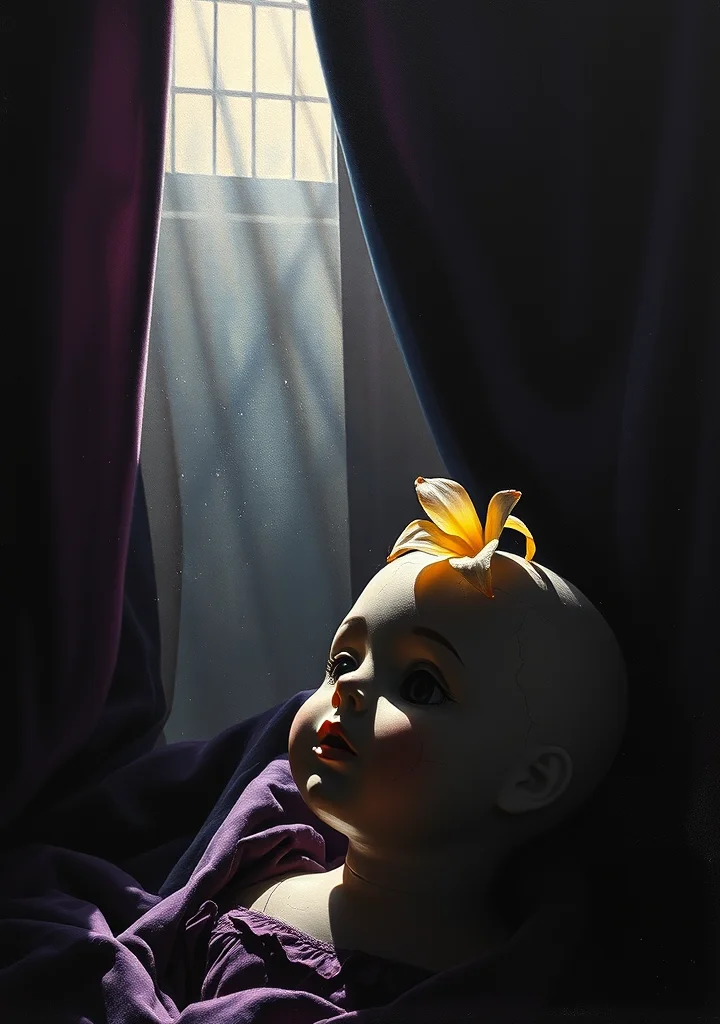
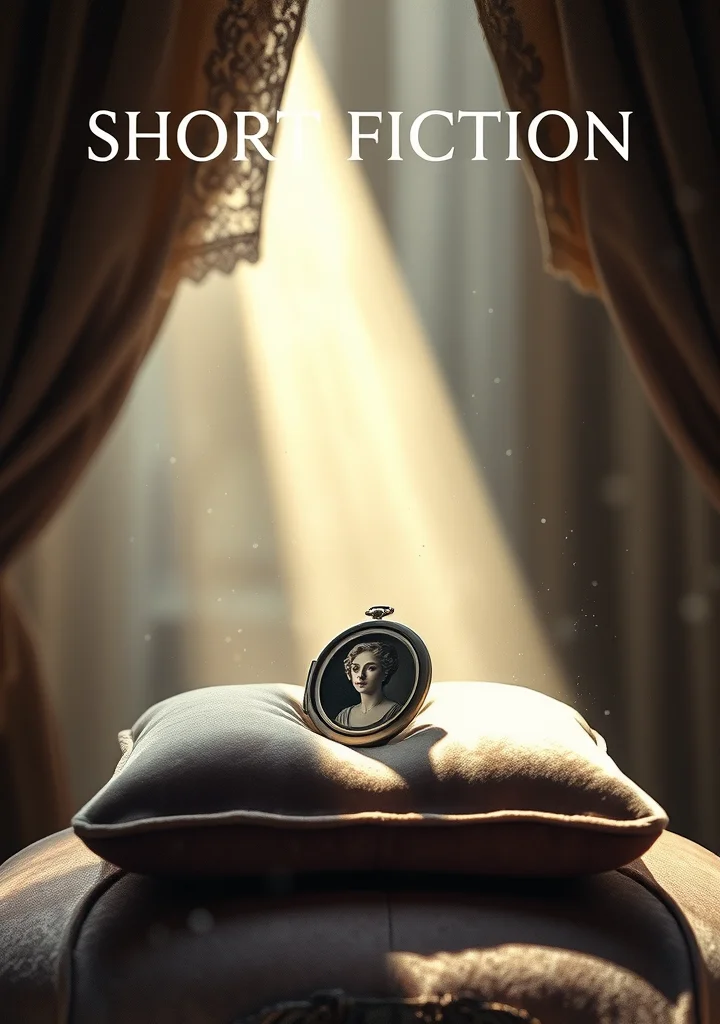
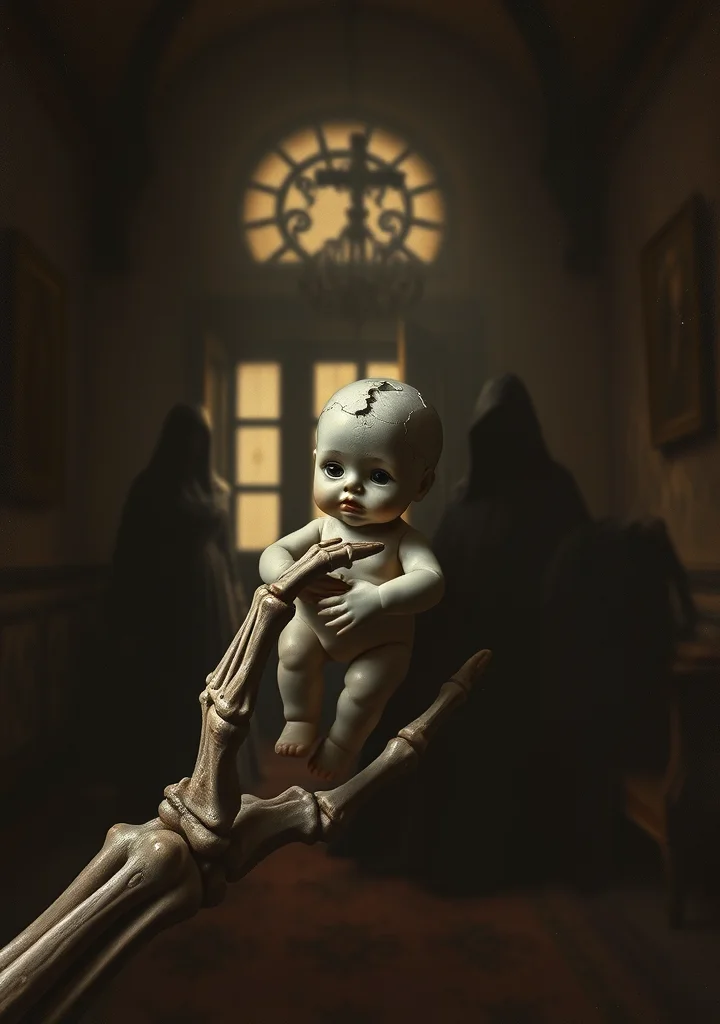
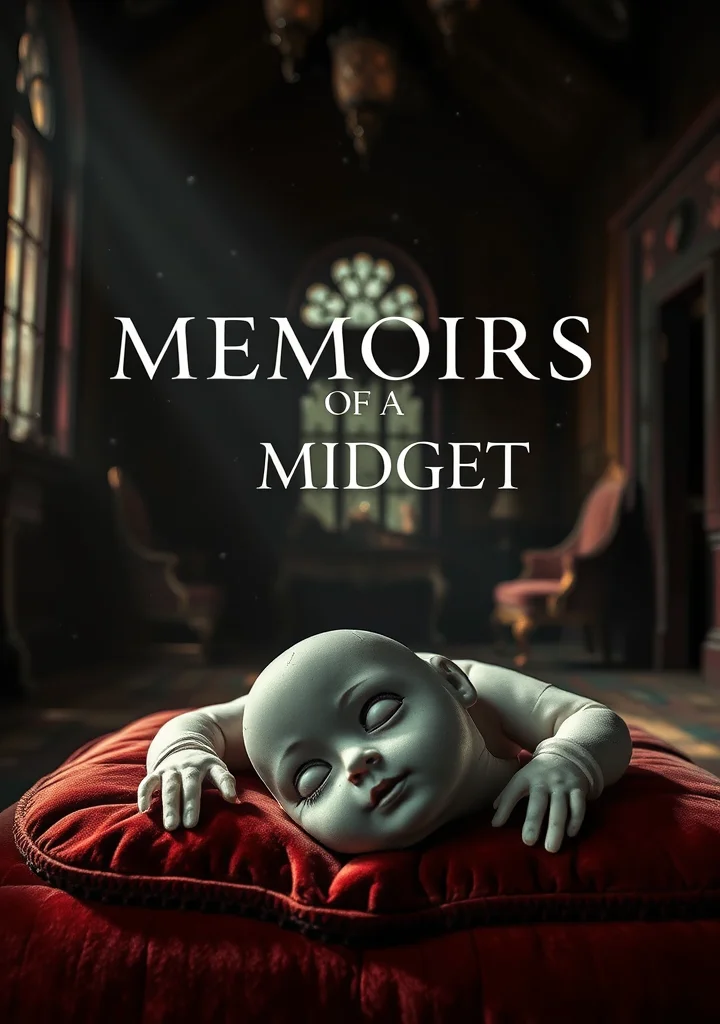
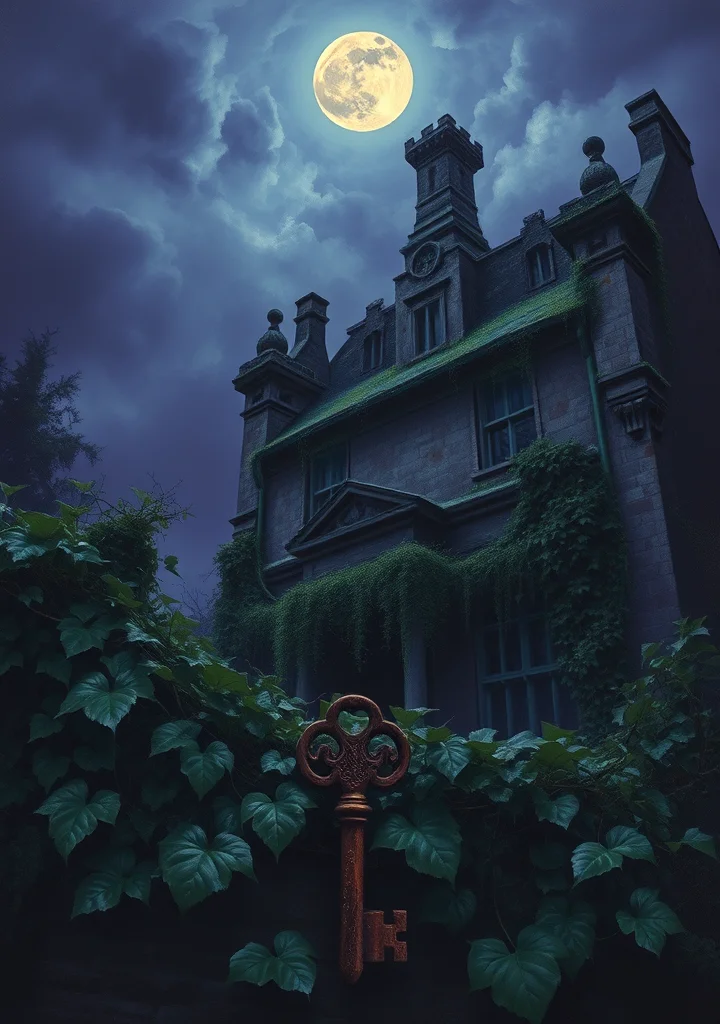
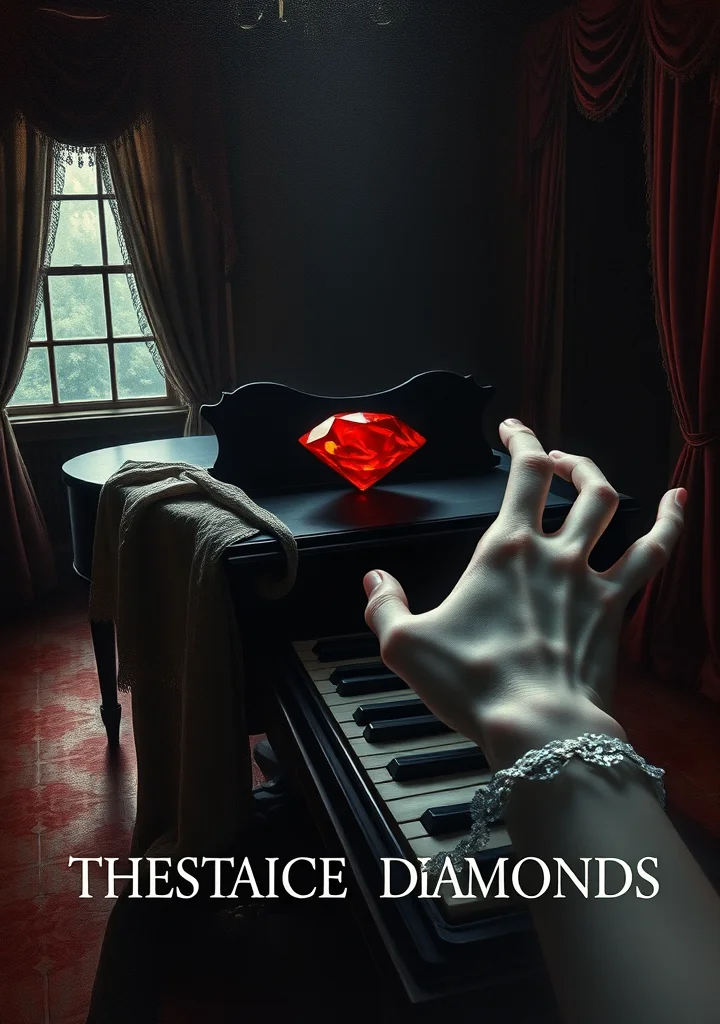
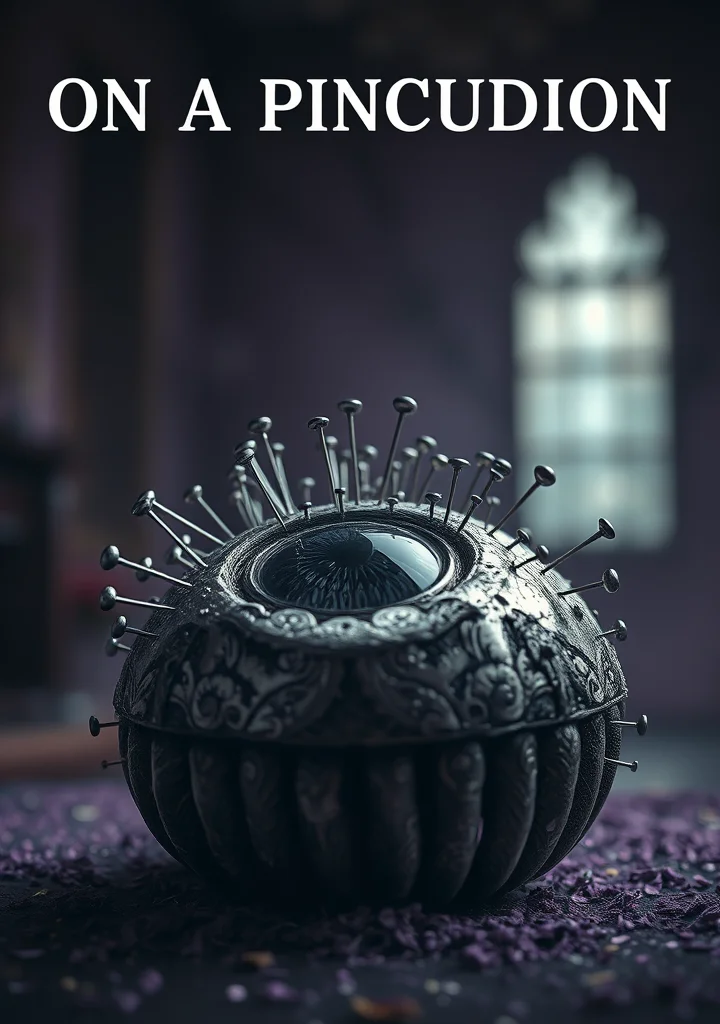
The air hangs thick with lavender and regret. Within the shadowed confines of Blackwood Manor, a young woman’s life unravels thread by delicate thread. Not with grand tragedy, but a slow, insidious unraveling witnessed only by the chipped porcelain dolls and the dust motes dancing in the perpetual twilight. She is tethered to the manor by a legacy of stitched grief, a collection of pincushions each holding a pin pricked memory – a lost love, a stolen inheritance, a whispered accusation. The house itself breathes with the secrets of generations past, its timbers groaning under the weight of untold sorrows. Each room is a vignette of decay, preserved in amber-toned light, where shadows stretch and twist into the shapes of forgotten faces. A creeping melancholia seeps into the very walls, mirrored in the protagonist’s growing detachment from reality. The scent of beeswax and old linen clings to every surface, masking the faintest tang of something older, something steeped in desperation. It’s a narrative woven not of screams and bloodshed, but of the quiet rot of a life consumed by stillness, a descent into a padded silence where the prick of a pin is the loudest sound of all. A creeping dread, less a storm and more a persistent, glacial frost, settles on the heart.
Copyright: Public Domain
This license allows anyone to use your story for any purpose, including printing, selling, or adapting it into a film freely.
This license allows anyone to use your story for any purpose, including printing, selling, or adapting it into a film freely.
More like this