
Sir Percy Hits Back
  • 228
  • 0
  • 40
  • Reads 228
  • 0
  • Part 40
Completed, First published Mar 02, 2026

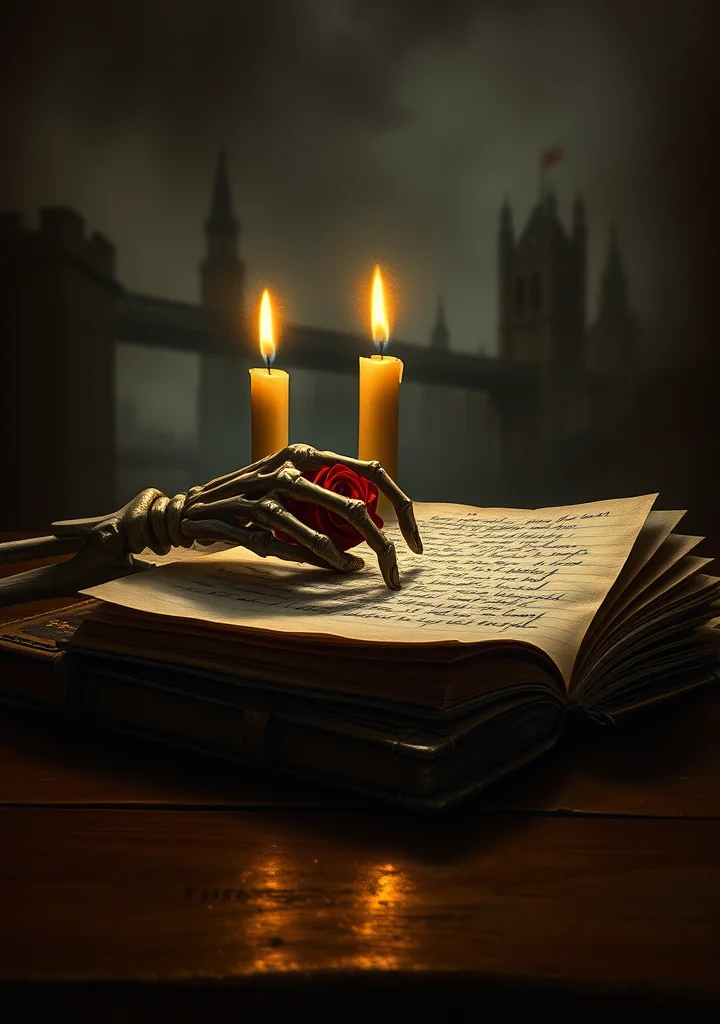
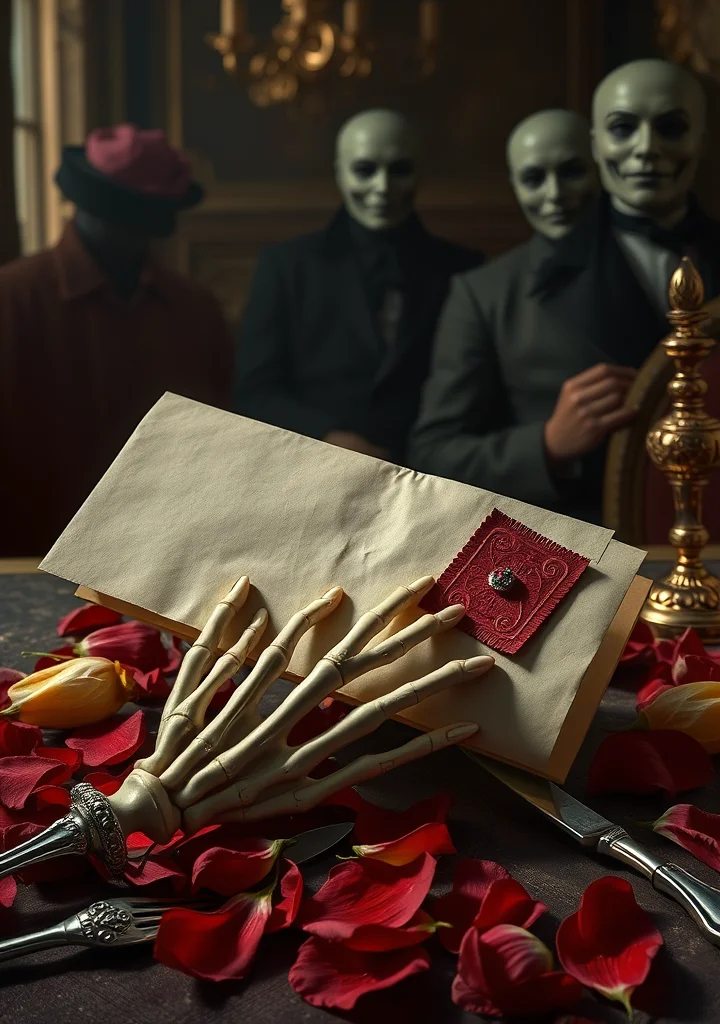
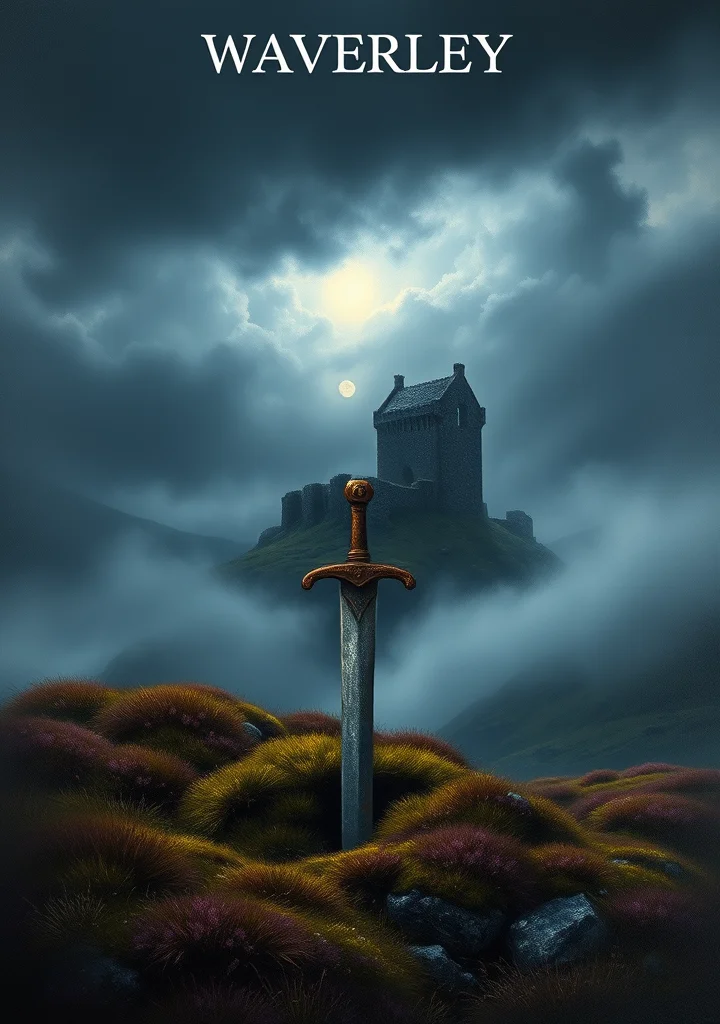
A creeping fog clings to the shadowed lanes of England, mirroring the tendrils of dread that tighten around Sir Percy Flambard’s heart. Though years have passed since the scarlet pimpernel’s daring exploits, the specter of the French Revolution – and its lingering venom – still poisons the air. Here, in a world of drawing-room whispers and clandestine meetings, a new threat emerges, one born not of political fervor, but of personal vengeance. The estate of Sir Percy is haunted not by ghosts of the past, but by the living shadows of those he once outwitted, those whose lives he shattered in the name of justice. The manor itself breathes with an oppressive silence, broken only by the rustling of unseen presences in the long corridors and the unsettling echoes of half-remembered betrayals. A sense of claustrophobia descends with each chapter, as Sir Percy finds himself trapped in a labyrinth of deception, forced to unravel a conspiracy that strikes at the very core of his carefully constructed façade. The shadows lengthen, blurring the lines between hunter and hunted, and the scent of roses – once a symbol of defiance – now carries the metallic tang of blood. A darkness descends, less from revolution, and more from the rot within the hearts of men. It is a game of cat and mouse played amidst the crumbling grandeur of a nation recovering from war, where every smile hides a dagger, and every shadow conceals a threat.


Copyright: Public Domain
This license allows anyone to use your story for any purpose, including printing, selling, or adapting it into a film freely.
Recommended for you
30 Part
A creeping dread settles over the fog-choked streets of London, a chill deeper than winter’s bite. Not from specters or ghouls, but from something far more insidious – a man unseen, unraveling the very fabric of reality with his absence. The narrative coils tight as a noose around the throat of normalcy, beginning with whispers of strange thefts, disrupted lodging houses, and a growing, inexplicable panic. Wells paints not a monster of claws and fangs, but a suffocating terror born of vanished form, of bandages swathing emptiness, of scientific hubris fracturing the boundaries of human perception. The air itself feels thick with paranoia as the story descends into a desperate scramble for containment, a hunt for a phantom who leaves only footprints in the snow and terror in the eyes of those who glimpse his unraveling. Each chapter bleeds into a mounting hysteria, mirroring the Invisible Man’s escalating desperation, his descent into brutal, desperate acts fueled by both scientific ambition and the crushing weight of his own invisibility. The story isn’t about *what* he does, but *how* his unseen presence poisons the very foundations of trust and order. A creeping sense of isolation permeates every shadowed corner, every locked room. The world shrinks to the perspective of those who can only guess at the shape of their fear, until even the most solid objects seem to warp and betray. The narrative becomes a labyrinth of shattered glass, broken windows, and the suffocating weight of a secret too terrible to bear, a descent into a nightmare where the only certainty is the absence of something… and the growing certainty that it’s watching *you*.
12 Part
A suffocating dread clings to the steel decks and shadowed machinery of a transatlantic liner, where the brute force of labor grinds against a creeping, animalistic despair. The air itself is thick with coal dust and the greasy tang of engine rooms, mirroring the primal urges stirring within the hulking, ape-like figure of Paddy Donovan. He’s a man reduced to muscle and instinct, a creature of the hold, yet haunted by a phantom touch, a fleeting glimpse of something *other* than grime and iron. The narrative descends into a feverish, claustrophobic descent through the ship’s bowels—a world of flickering gaslight and the rhythmic throb of pistons, echoing the frantic beat of a caged heart. Donovan’s desperate attempts to connect, to *feel* something beyond the metallic clang of his existence, twist into a grotesque parody of yearning. The city above, glimpsed through grates and hatches, becomes a mocking reflection of a humanity he can no longer grasp. He is drawn to the grotesque carnival of the docks, to the desperate, predatory gazes of those who’ve lost their footing in the mire. The narrative bleeds into a brutal, fractured landscape of waterfront dives and shadowy alleys—a world where the ape’s rage finds a chilling resonance in the distorted cries of street preachers and the hollow laughter of the dispossessed. It is a slow, agonizing unraveling, a descent into a feral howl that echoes not with human protest, but with the guttural loneliness of a beast trapped in the ruins of its own making. The final, echoing space is one of concrete and cold, the raw, exposed nerve of a fractured soul finding its final, devastating release.
14 Part
A chill, damp fog clings to the meticulously manicured grounds of a decaying manor, mirroring the insidious rot at the heart of the investigation. Lord Peter Wimsey doesn’t merely solve a murder; he excavates a grief-stricken past, each clue unearthed slick with the residue of unspoken desires and stifled resentments. The victim, a man of rigid habits and cold precision, is found posed with a perverse artistry amidst rose bushes gone wild—a tableau of fractured elegance. The estate itself breathes with a suffocating air of familial decay. Long corridors whisper with the echoes of past grievances, portraits watch with hollow eyes, and shadows dance with the weight of generations trapped within their ancestral home. Every object, from tarnished silver to wilted blooms, feels burdened by secrets. Wimsey’s pursuit is not a swift unraveling, but a slow descent into a labyrinth of suppressed longing and bitter rivalries. The suspects are cloaked in a brittle politeness masking a simmering contempt, each conversation a carefully constructed performance in a drawing room haunted by the ghosts of expectations. The scent of fading grandeur, of lives lived within suffocating constraints, pervades every room—a suffocating perfume of regret and the lingering scent of something unspeakably cold. The truth, when it finally surfaces, is less a revelation than an exhumation, leaving a residue of ash and the unsettling weight of a fractured, aristocratic heart.