
-
Read 381
-
0
-
Part 17
Completed, First published Mar 02, 2026
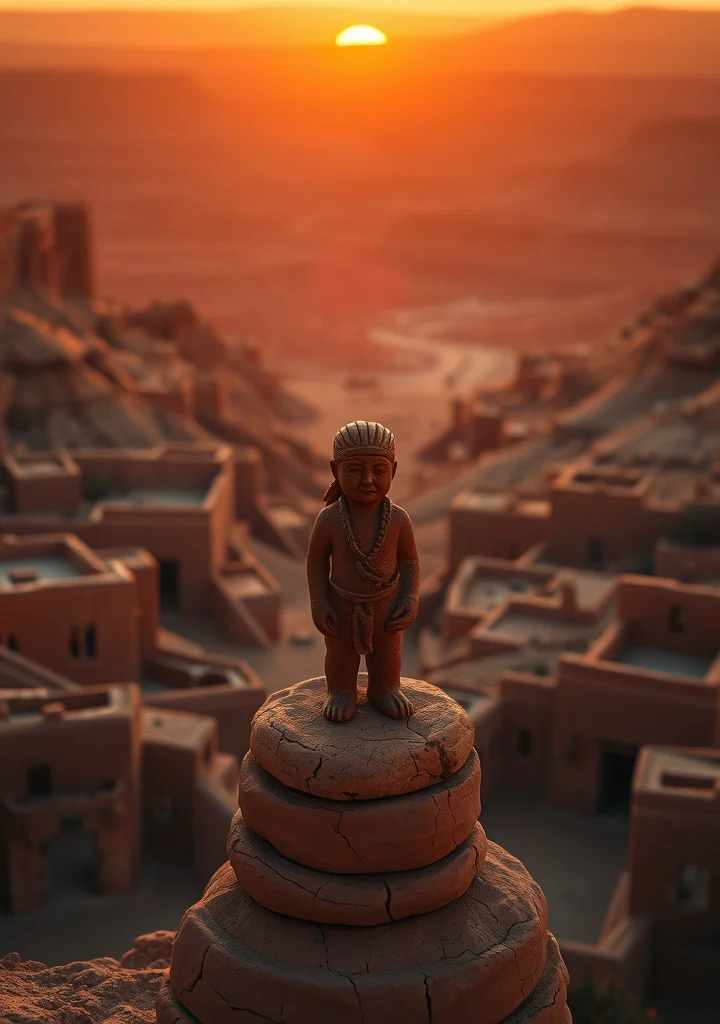
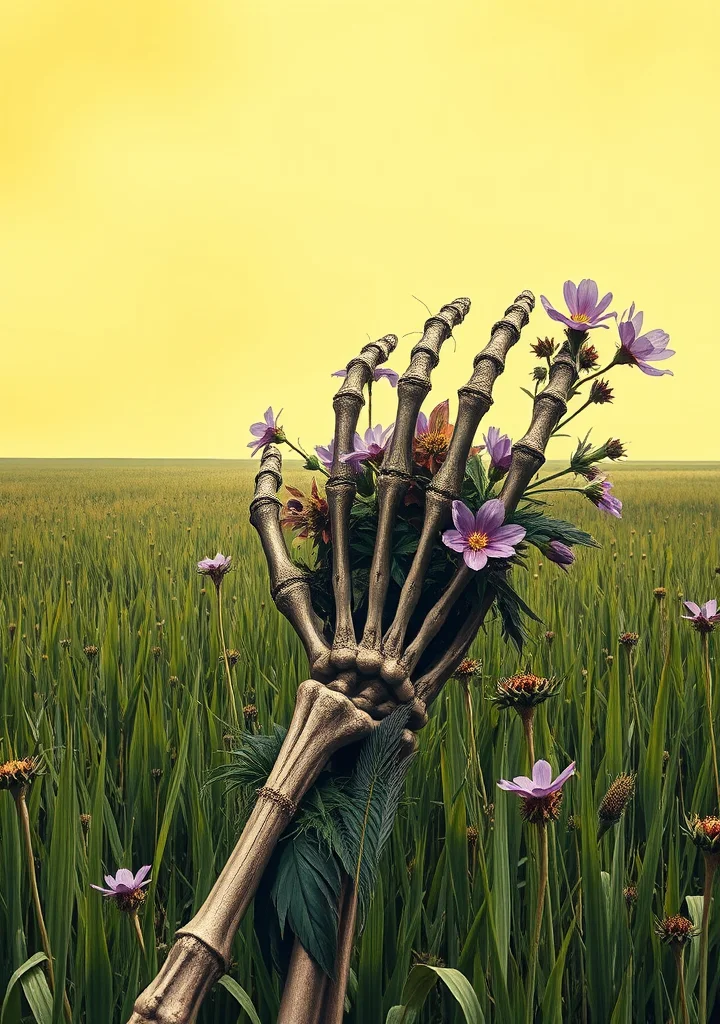
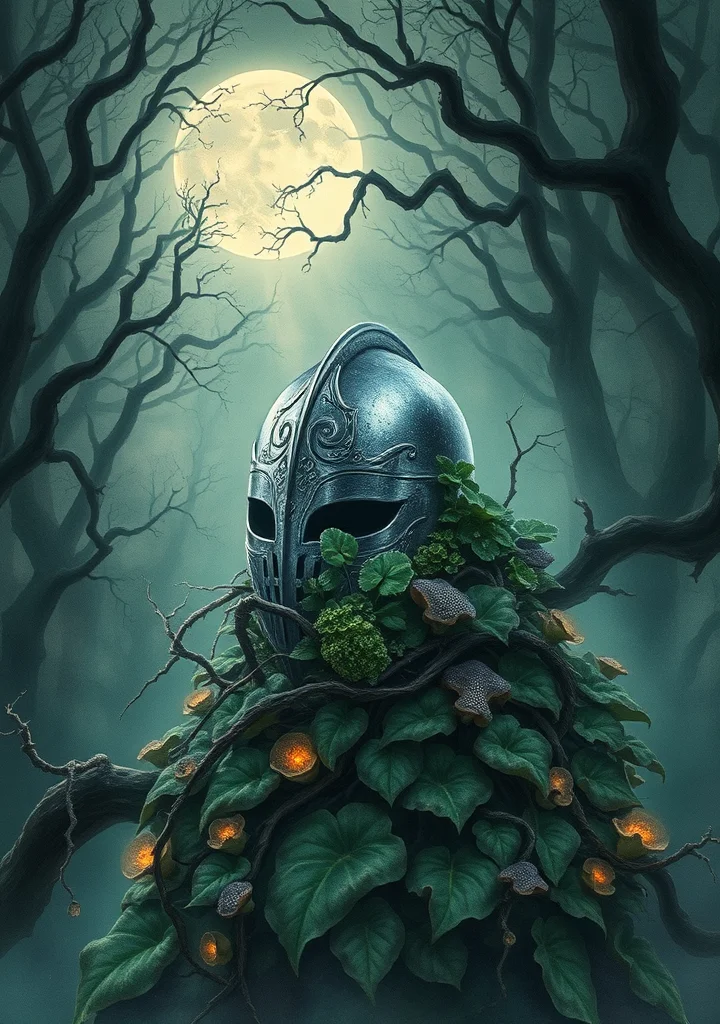
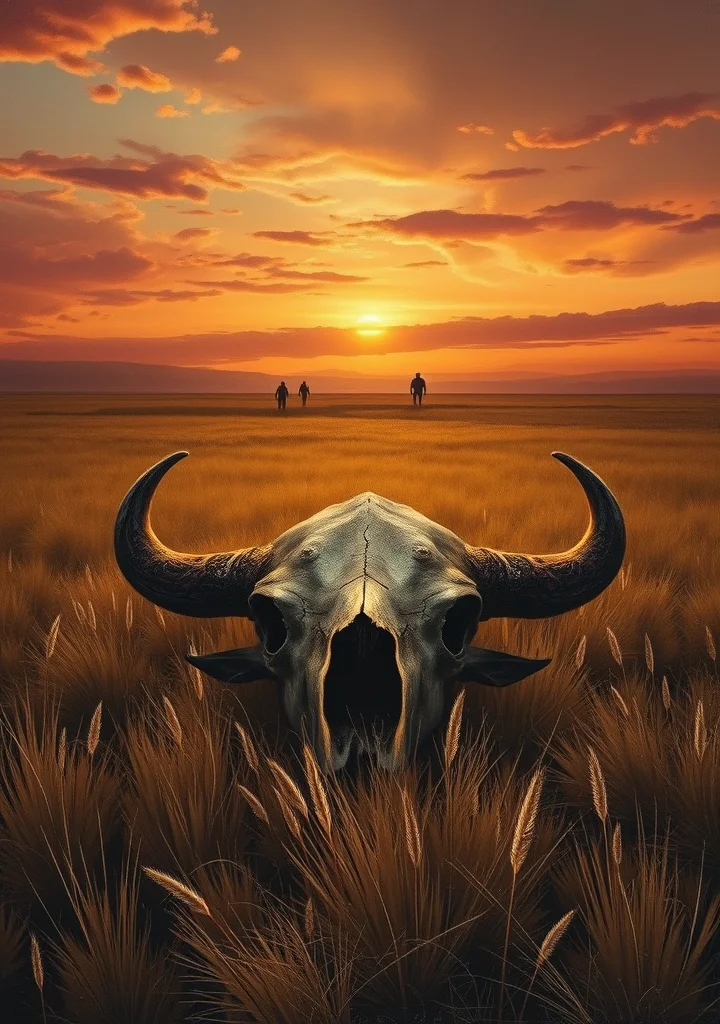
The prairie sighs with the ghosts of a vanished people, each tale woven with the rustle of dry grasses and the mournful cry of the wind. Here, shadows stretch not from sun-scorched earth, but from the weight of stories pressed into the very bones of the land. Zitkála-Šá doesn’t offer legends as brightly colored fables, but as fragments unearthed from burial mounds, coated in the dust of centuries. The narrative unfolds as a slow unraveling—not of plot, but of memory itself. Each legend bleeds into the next, blurring the line between the spirit world and the waking hours. You feel the chill of star-filled nights clinging to the skin, the suffocating weight of ancestral grief in every breath. There’s no triumphant heroism here, only the echoing sorrow of displacement, of promises broken like brittle pottery. The voices are not loud, but whisper from within hollowed trees and beneath the gaze of granite faces carved into cliffs—voices that carry the scent of woodsmoke and the taste of tears. A haunting stillness permeates these pages, a feeling that the very act of reading awakens something long dormant and best left undisturbed. The legends themselves are less about *what* happened, and entirely about the lingering, suffocating *how* it feels to remember when all else is lost. It’s a landscape of fractured spirits, where the boundaries of life and death dissolve into a single, unending lament.
Copyright: Public Domain
This license allows anyone to use your story for any purpose, including printing, selling, or adapting it into a film freely.
This license allows anyone to use your story for any purpose, including printing, selling, or adapting it into a film freely.
Chapter List
-
« Old Indian Legends »📖 Continue Reading
-
« Preface »
-
« Old Indian Legends »
-
« Iktomi and the Ducks »
-
« Iktomi’s Blanket »
-
« Iktomi and the Muskrat »
-
« Iktomi and the Coyote »
-
« Iktomi and the Fawn »
-
« The Badger and the Bear »
-
« The Tree-Bound »
-
« Shooting of the Red Eagle »
-
« Iktomi and the Turtle »
-
« Dance in a Buffalo Skull »
-
« The Toad and the Boy »
-
« Iya, the Camp-Eater »
-
« Manštin, the Rabbit »
-
« The Warlike Seven »
17
-
« Old Indian Legends »
-
« Preface »
-
« Old Indian Legends »
-
« Iktomi and the Ducks »
-
« Iktomi’s Blanket »
-
« Iktomi and the Muskrat »
-
« Iktomi and the Coyote »
-
« Iktomi and the Fawn »
-
« The Badger and the Bear »
-
« The Tree-Bound »
-
« Shooting of the Red Eagle »
-
« Iktomi and the Turtle »
-
« Dance in a Buffalo Skull »
-
« The Toad and the Boy »
-
« Iya, the Camp-Eater »
-
« Manštin, the Rabbit »
-
« The Warlike Seven »
More like this