
-
Read 1.4K
-
0
-
Part 55
Completed, First published Mar 02, 2026
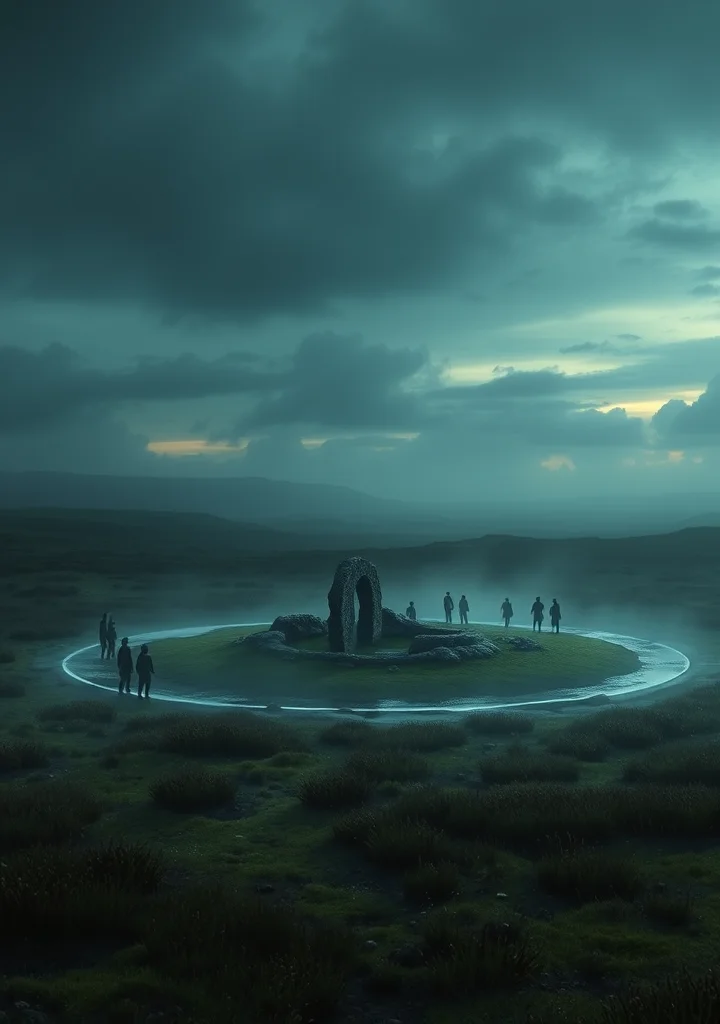
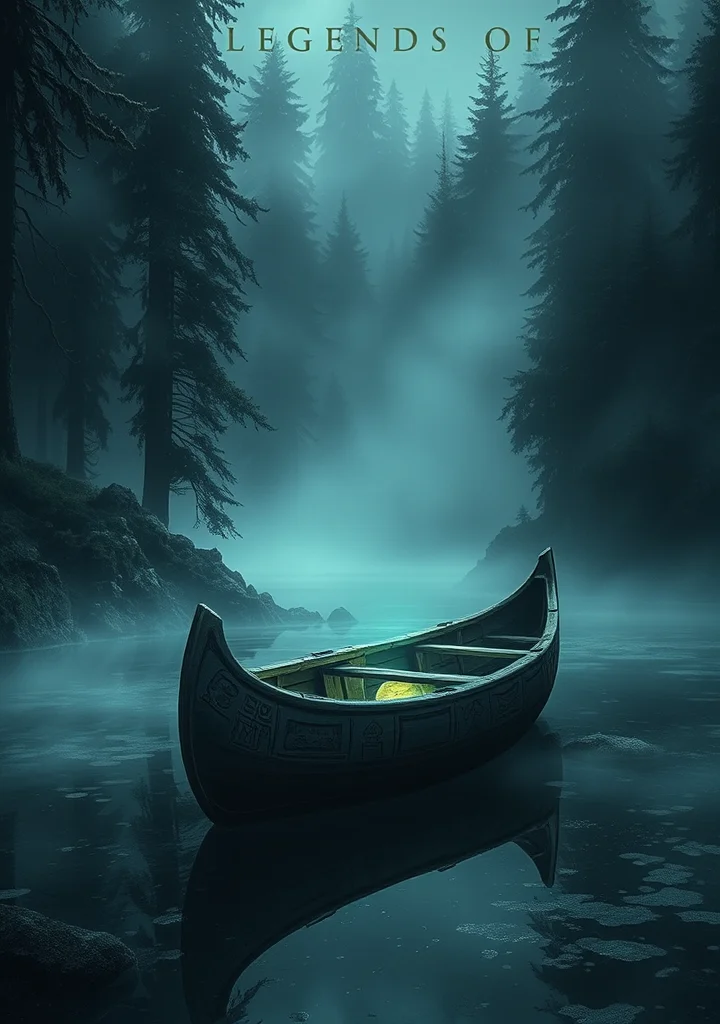
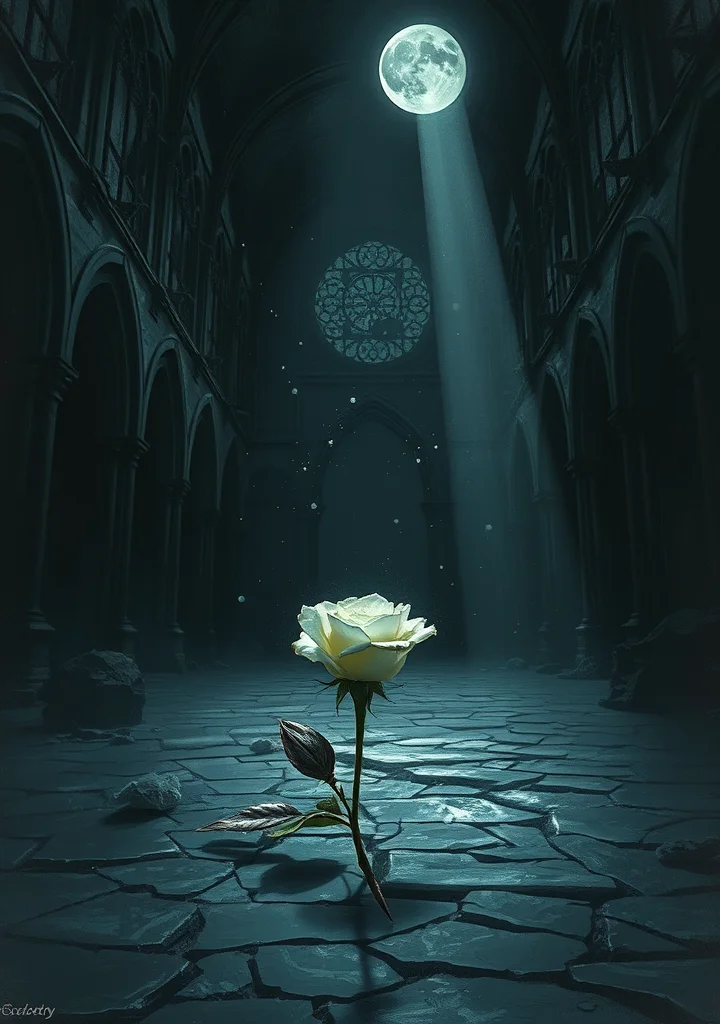
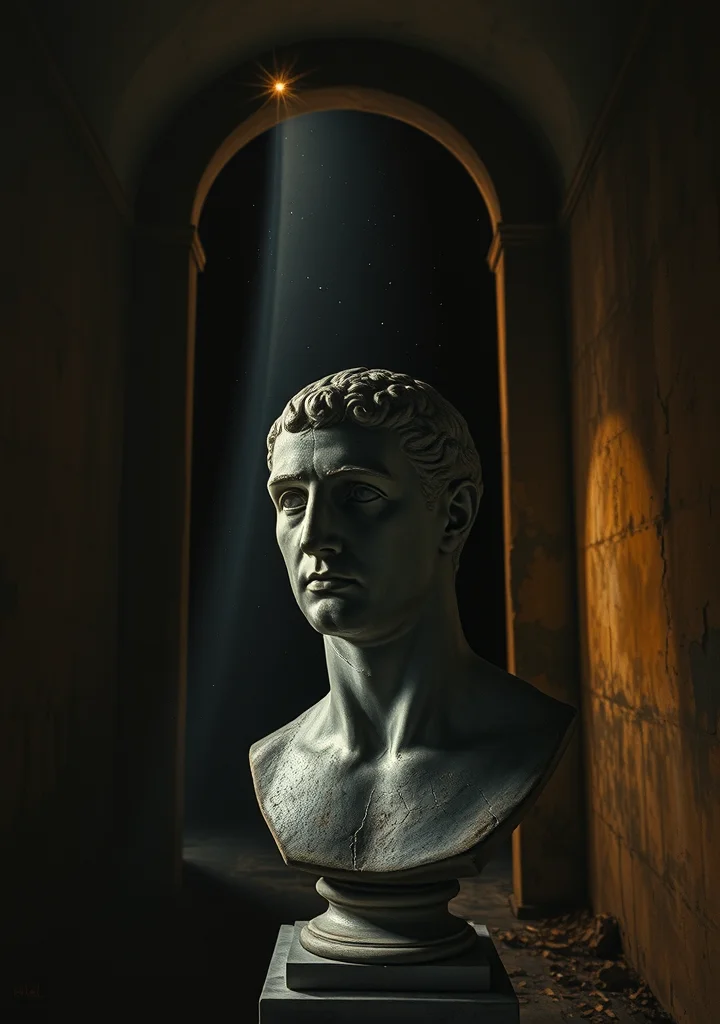
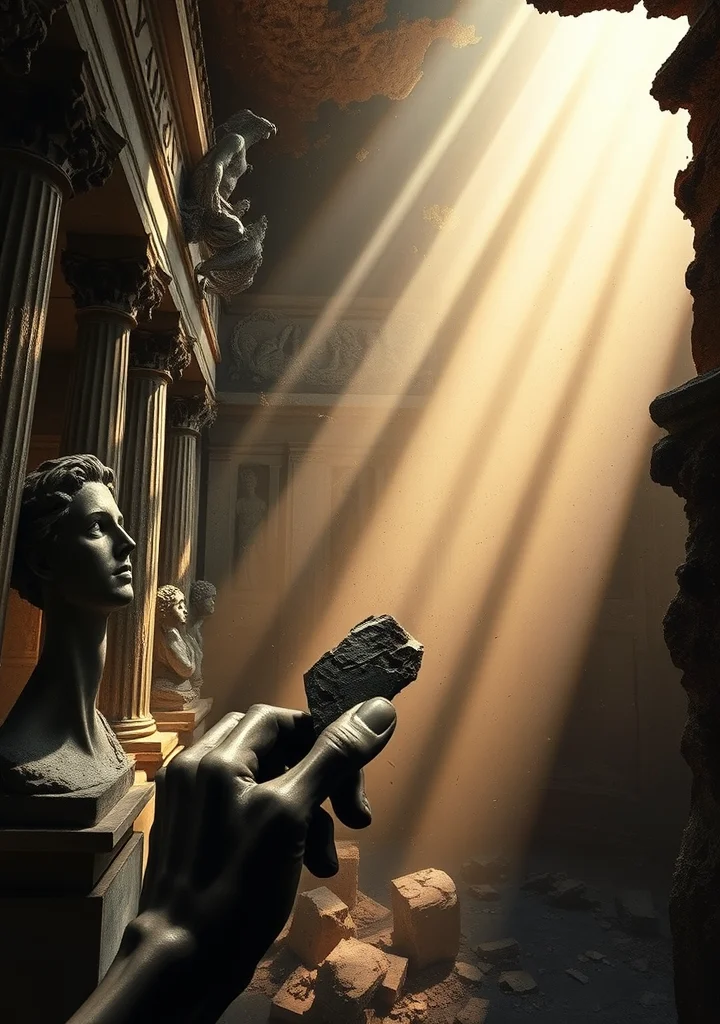
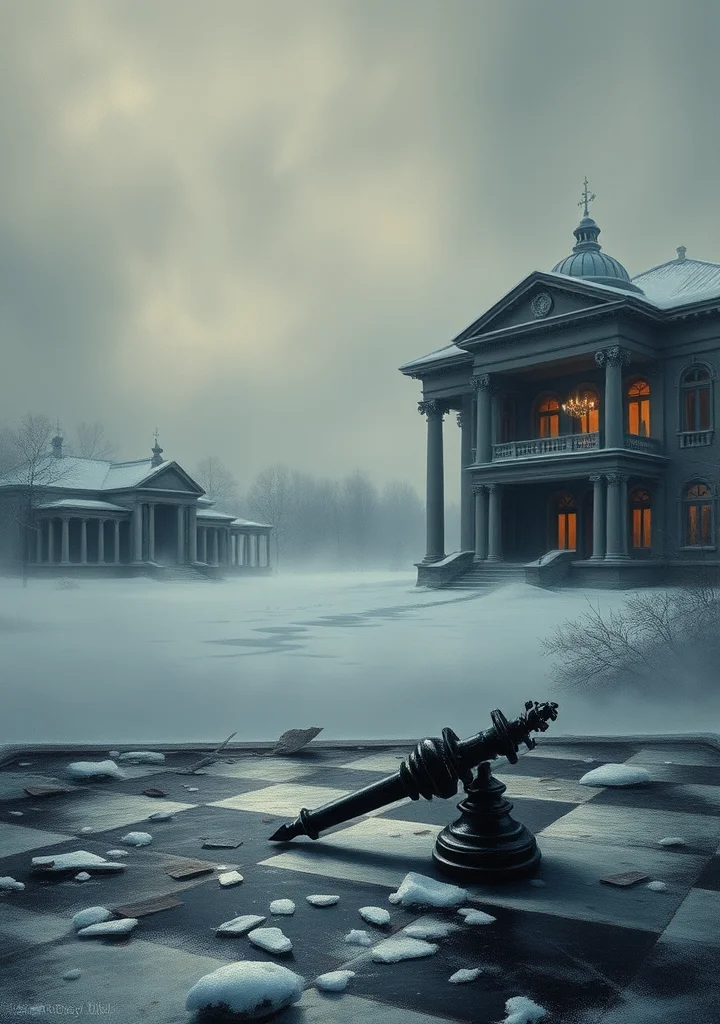
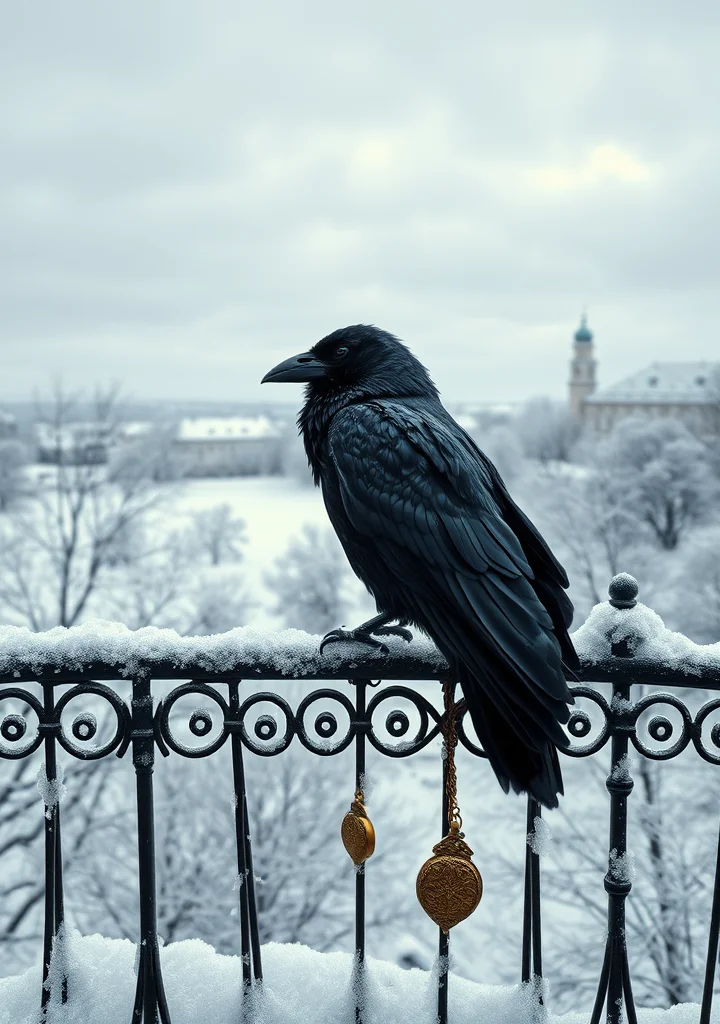
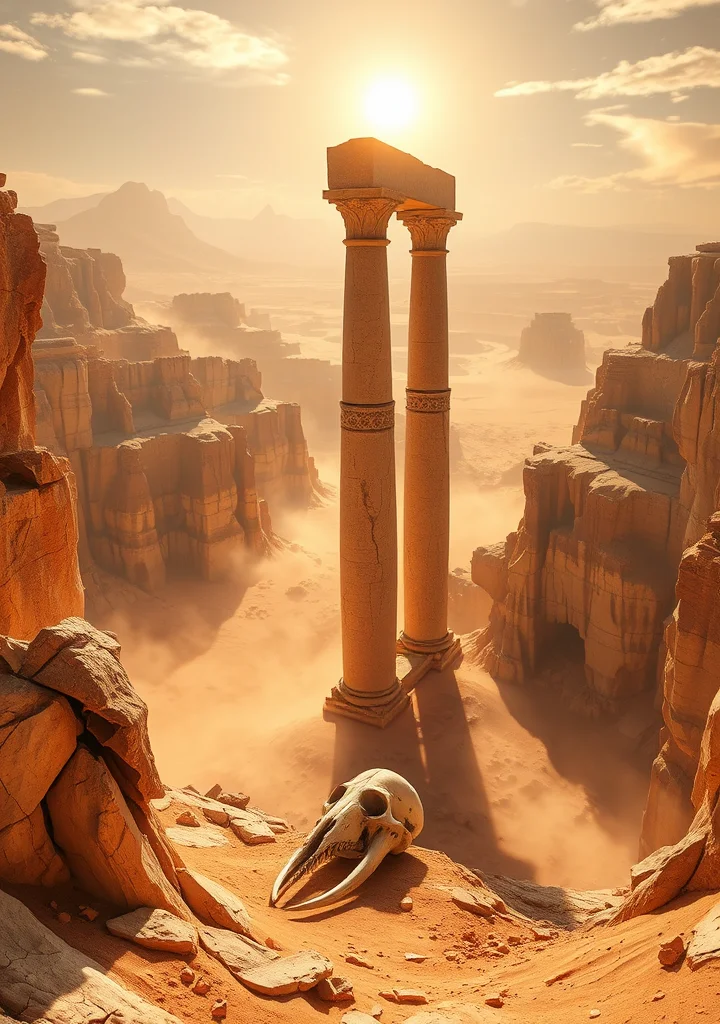
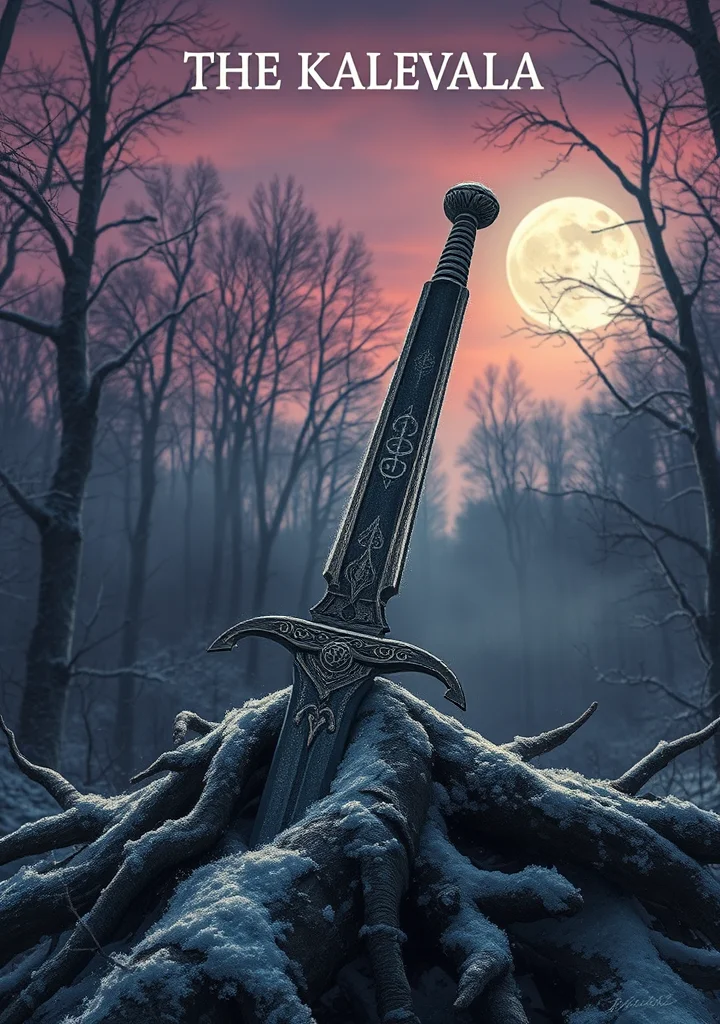
A frost-bitten wind whispers through birch and pine, carrying tales of a land older than memory. Here, where the sun bleeds into perpetual twilight, the very stones remember the age of heroes forged in iron and sorrow. The Kalevala unfolds not as a saga of triumph, but as a lament woven into the fabric of a dying world. Each verse is a shard of glacial ice, reflecting the fractured reflections of ancient gods and spectral warriors.
The air hangs thick with the scent of peat and decay, mirroring the slow erosion of a culture consumed by its own legends. Shadows stretch from the barrows of forgotten kings, and the mournful calls of unseen birds echo across desolate fells. It is a world where the boundaries between life and death blur with every breath, where the songs of shamans summon forth the restless spirits of the fallen.
The narrative is one of relentless searching – for lost words, for stolen artifacts, for the very heart of a fading age. But the quest is shadowed by a creeping dread, a sense of inevitability as the heroes stumble towards destinies carved in the bone-white frost. The forests themselves seem to weep, their branches gnarled like skeletal fingers reaching for the fading embers of a forgotten sun. A chilling beauty permeates the darkness, a reminder that even in the face of oblivion, the echoes of the past will linger, cold and unforgiving, long after the last song is sung.
Copyright: Public Domain
This license allows anyone to use your story for any purpose, including printing, selling, or adapting it into a film freely.
This license allows anyone to use your story for any purpose, including printing, selling, or adapting it into a film freely.
Chapter List
-
« The Kalevala »📖 Continue Reading
-
« Chapter_3 »
-
« Preface »
-
« Proem »
-
« RuneI »
-
« RuneII »
-
« RuneIII »
-
« RuneIV »
-
« RuneV »
-
« RuneVI »
-
« RuneVII »
-
« RuneVIII »
-
« RuneIX »
-
« RuneX »
-
« RuneXI »
-
« RuneXII »
-
« RuneXIII »
-
« RuneXIV »
-
« RuneXV »
-
« RuneXVI »
-
« RuneXVII »
-
« RuneXVIII »
-
« RuneXIX »
-
« RuneXX »
-
« RuneXXI »
-
« RuneXXII »
-
« RuneXXIII »
-
« RuneXXIV »
-
« RuneXXV »
-
« RuneXXVI »
-
« RuneXXVII »
-
« RuneXXVIII »
-
« RuneXXIX »
-
« RuneXXX »
-
« RuneXXXI »
-
« RuneXXXII »
-
« RuneXXXIII »
-
« RuneXXXIV »
-
« RuneXXXV »
-
« RuneXXXVI »
-
« RuneXXXVII »
-
« RuneXXXVIII »
-
« RuneXXXIX »
-
« RuneXL »
-
« RuneXLI »
-
« RuneXLII »
-
« RuneXLIII »
-
« RuneXLIV »
-
« RuneXLV »
-
« RuneXLVI »
-
« RuneXLVII »
-
« RuneXLVIII »
-
« RuneXLIX »
-
« RuneL »
-
« Epilogue »
55
-
« The Kalevala »
-
« Chapter_3 »
-
« Preface »
-
« Proem »
-
« RuneI »
-
« RuneII »
-
« RuneIII »
-
« RuneIV »
-
« RuneV »
-
« RuneVI »
-
« RuneVII »
-
« RuneVIII »
-
« RuneIX »
-
« RuneX »
-
« RuneXI »
-
« RuneXII »
-
« RuneXIII »
-
« RuneXIV »
-
« RuneXV »
-
« RuneXVI »
-
« RuneXVII »
-
« RuneXVIII »
-
« RuneXIX »
-
« RuneXX »
-
« RuneXXI »
-
« RuneXXII »
-
« RuneXXIII »
-
« RuneXXIV »
-
« RuneXXV »
-
« RuneXXVI »
-
« RuneXXVII »
-
« RuneXXVIII »
-
« RuneXXIX »
-
« RuneXXX »
-
« RuneXXXI »
-
« RuneXXXII »
-
« RuneXXXIII »
-
« RuneXXXIV »
-
« RuneXXXV »
-
« RuneXXXVI »
-
« RuneXXXVII »
-
« RuneXXXVIII »
-
« RuneXXXIX »
-
« RuneXL »
-
« RuneXLI »
-
« RuneXLII »
-
« RuneXLIII »
-
« RuneXLIV »
-
« RuneXLV »
-
« RuneXLVI »
-
« RuneXLVII »
-
« RuneXLVIII »
-
« RuneXLIX »
-
« RuneL »
-
« Epilogue »
More like this