
الإلياذة
  • 108
  • 0
  • 22
  • Read 108
  • 0
  • Part 22
Completed, First published Apr 25, 2026

ينسج السرد عالمًا صراعات الآلهة والبشر في خضم حرب طروادة. تتجلى في هذه الصفحات بداية نزاع عظيم، حيث يشتعل الغضب في قلب أخيل بسبب إهانة مُرة، ويُلقي الإله أبولو وباءً قاتلاً على جيوش الدانانيين. يظهر السرد كيف تتداخل أفعال الآلهة في مصائر الجنود، وكيف يرسل زيوس أحلامًا مُضللة لأغاممنون، مُحرضًا إياه على مواصلة الحرب. تتصاعد التوترات بين القادة، وتظهر أصوات الجنود المتذمرين، بينما تسعى أثينا وهيرا لإقناعهم بالصمود في وجه المصاعب. وترسم هذه الأجزاء بداية رحلة ملحمية مليئة بالخيانة والندم، وتُظهر كيف تتشابك القيادة والأحلام في تحديد مسار الحرب.
Copyright: All Rights Reserved
No person is allowed to use, redistribute, or modify your work in any form without your explicit permission.
More like this
47 Part
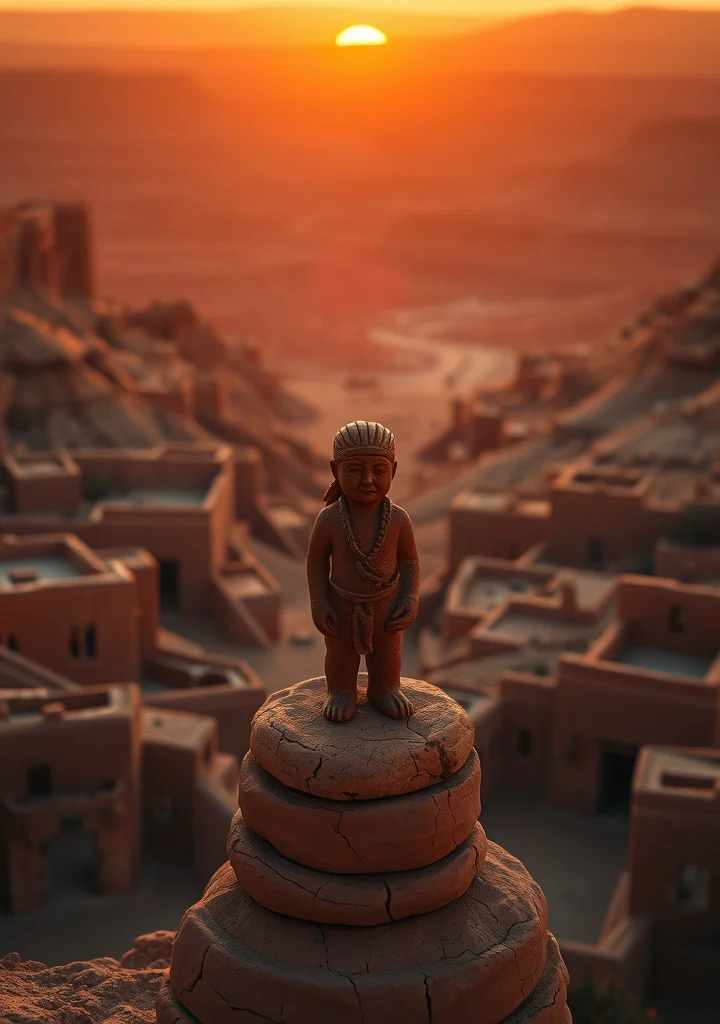
Dust-choked canyons whisper with the ghosts of sun-scorched prayers. Within the crumbling adobe walls, the air hangs thick with the scent of piñon smoke and something older – the weight of stories carved into bone and stone. These are not tales told around hearthfires, but echoes dragged from the mouths of the dead, carried on the rasping breath of the desert wind. Cushing doesn’t offer simple myth; he peels back the layers of Zuni belief, revealing a labyrinth of shadowed kivas and star-haunted mesas. The sun bleeds crimson onto the mesas as Coyote’s trickery unravels the boundaries between worlds. Each story feels less like a recounting and more like an excavation—a digging into the earth to unearth a cold, pulsing heart of ancestral memory. The narrative is fractured, possessed by the spirit of the storyteller, a man lost in the labyrinth of the Zuni world. The beauty is brittle, laced with the desperation of a people clinging to their past as the white man’s shadow lengthens. It’s a haunting, a slow rot of tradition, observed with a scholar's detachment and yet steeped in an unnerving intimacy with the spirits of the place. The reader is not simply told of the Zuni world—they are *held* within it, gasping for air in the suffocating darkness of the kivas, and witnessing the dance of the dead under a moon of bleached bone. This is not folklore, but a descent into a ritualistic dreamscape where the line between the living and the vanished dissolves into sand.

23 Part
The bog breathes cold, a peat-thickened air clinging to the stones of the O’Gill cottage. This is a land where the boundaries between worlds blur with the mist, where laughter echoes from hollow hills and shadows dance with a chilling grace. Old Darby, a man woven into the very fabric of the glen, knows the Good People are real – not sprites of childish tales, but ancient, capricious beings demanding respect, and offering glimpses of a beauty that steals the heart and leaves it aching with longing. Each tale is a trespass into their realm, a slow unraveling of the veil. The hearth fire flickers against the encroaching darkness as Darby’s sons, haunted by stolen coins and promises made in the gloaming, begin to understand the cost of bargains struck with eyes of emerald light. The woods themselves become a labyrinth of whispered warnings, of paths that vanish into the heart of the hills, and of a king’s court held in a cavern echoing with forgotten songs. A creeping dread settles with the dew, a sense of being watched by something old and hungry. The narrative is laced with the scent of damp earth and the melancholy chime of fairy bells, building to a final, desperate race against the fading light, where the fate of a family, and perhaps something far older, hangs upon a single, stolen prize. This is a place where kindness can be its own snare, and the most beautiful things are born of a chilling, otherworldly bargain.