
-
Read 501
-
0
-
Part 23
Completed, First published Mar 02, 2026
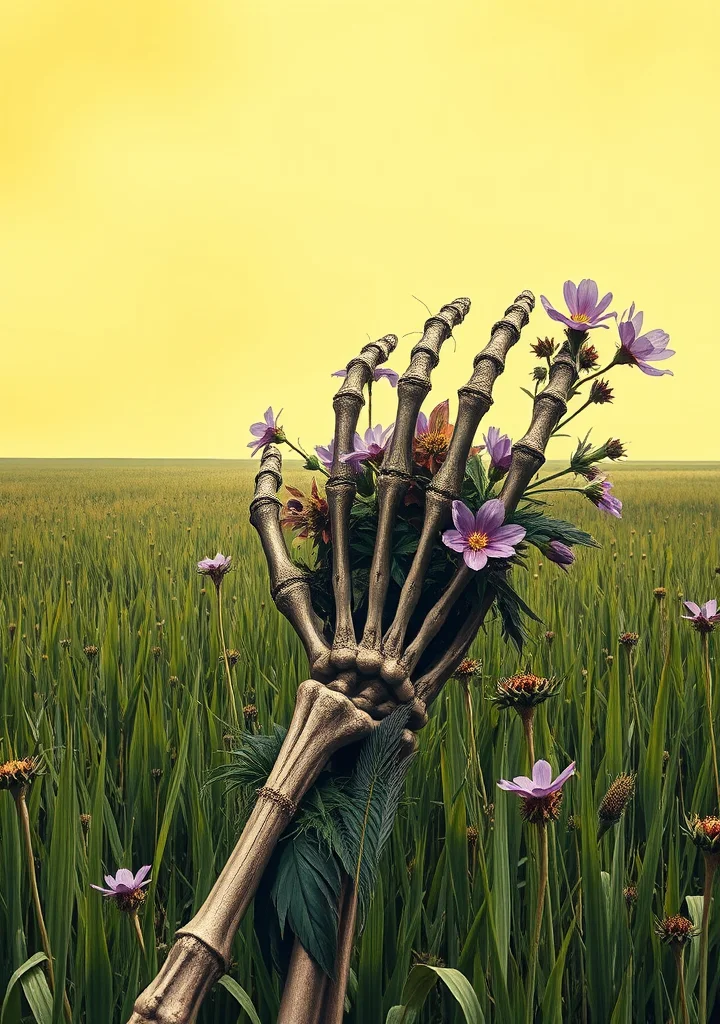
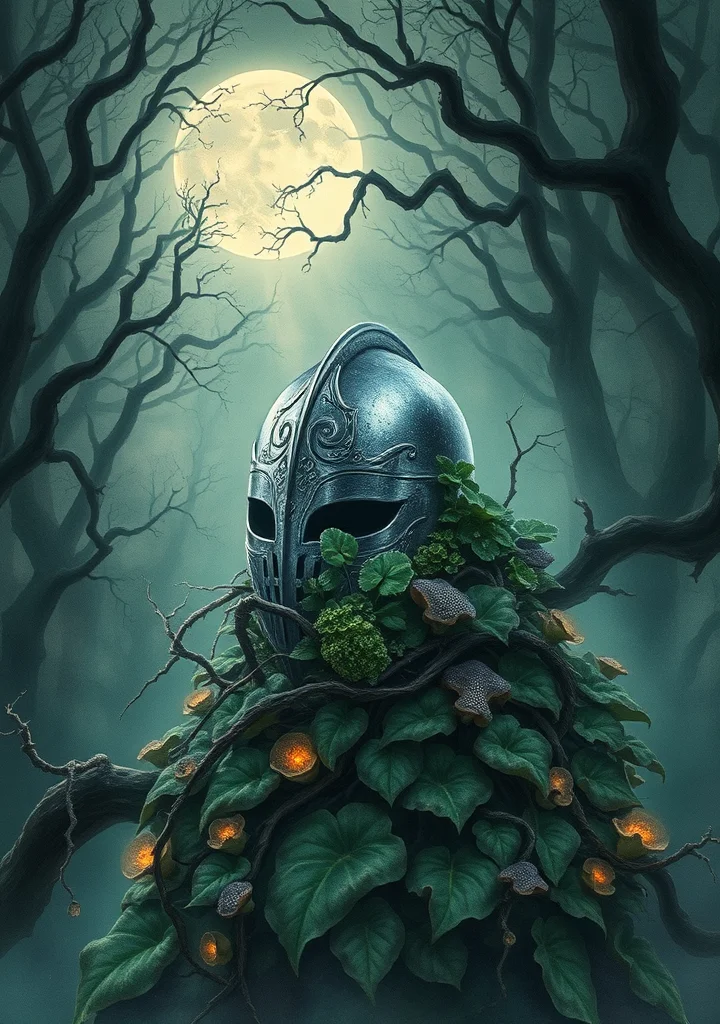
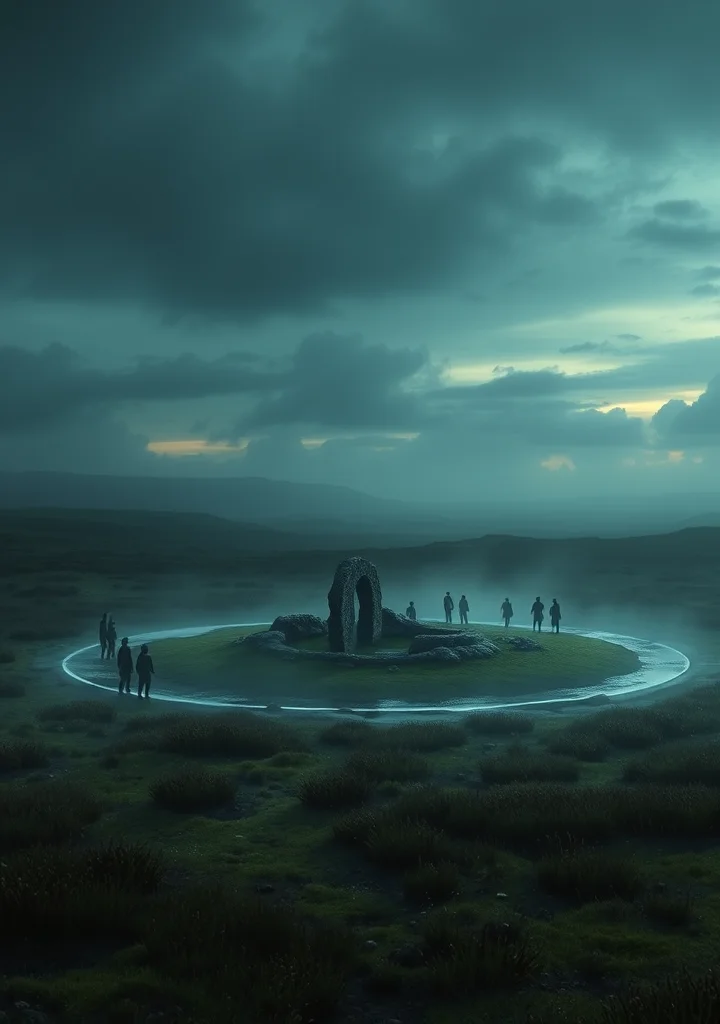
The bog breathes cold, a peat-thickened air clinging to the stones of the O’Gill cottage. This is a land where the boundaries between worlds blur with the mist, where laughter echoes from hollow hills and shadows dance with a chilling grace. Old Darby, a man woven into the very fabric of the glen, knows the Good People are real – not sprites of childish tales, but ancient, capricious beings demanding respect, and offering glimpses of a beauty that steals the heart and leaves it aching with longing.
Each tale is a trespass into their realm, a slow unraveling of the veil. The hearth fire flickers against the encroaching darkness as Darby’s sons, haunted by stolen coins and promises made in the gloaming, begin to understand the cost of bargains struck with eyes of emerald light. The woods themselves become a labyrinth of whispered warnings, of paths that vanish into the heart of the hills, and of a king’s court held in a cavern echoing with forgotten songs.
A creeping dread settles with the dew, a sense of being watched by something old and hungry. The narrative is laced with the scent of damp earth and the melancholy chime of fairy bells, building to a final, desperate race against the fading light, where the fate of a family, and perhaps something far older, hangs upon a single, stolen prize. This is a place where kindness can be its own snare, and the most beautiful things are born of a chilling, otherworldly bargain.
Copyright: Public Domain
This license allows anyone to use your story for any purpose, including printing, selling, or adapting it into a film freely.
This license allows anyone to use your story for any purpose, including printing, selling, or adapting it into a film freely.
Chapter List
-
« Darby O’Gill and the Good People »📖 Continue Reading
-
« Foreword »
-
« The Fairies »
-
« Darby O’Gill and the Good People »
-
« Darby O’Gill and the Good People »
-
« Darby O’Gill and the Leprechaun »
-
« The Convarsion of Father Cassidy »
-
« How the Fairies Came to Ireland »
-
« The Adventures of King Brian Connors »
-
« I »
-
« II »
-
« III »
-
« The Banshee’s Comb »
-
« I »
-
« I »
-
« II »
-
« II »
-
« I »
-
« II »
-
« III »
-
« IV »
-
« I »
-
« II »
23
-
« Darby O’Gill and the Good People »
-
« Foreword »
-
« The Fairies »
-
« Darby O’Gill and the Good People »
-
« Darby O’Gill and the Good People »
-
« Darby O’Gill and the Leprechaun »
-
« The Convarsion of Father Cassidy »
-
« How the Fairies Came to Ireland »
-
« The Adventures of King Brian Connors »
-
« I »
-
« II »
-
« III »
-
« The Banshee’s Comb »
-
« I »
-
« I »
-
« II »
-
« II »
-
« I »
-
« II »
-
« III »
-
« IV »
-
« I »
-
« II »
More like this