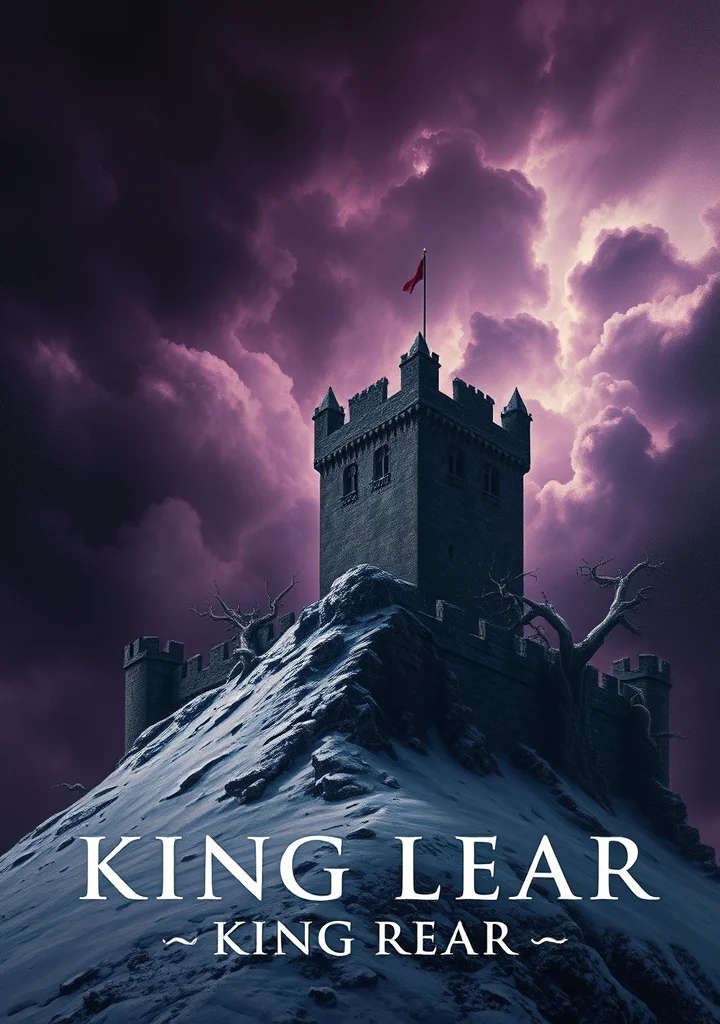

King Lear
  • 136
  • 0
  • 33
  • Reads 136
  • 0
  • Part 33
Completed, First published Mar 02, 2026

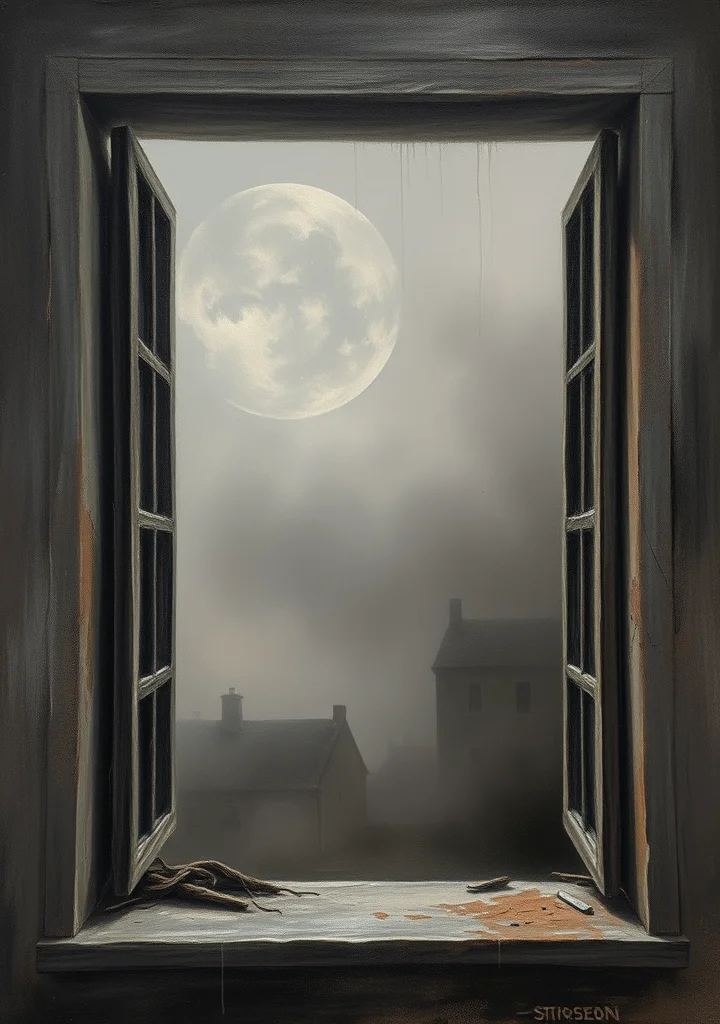
A creeping dread clings to the stone of Lear’s castle, mirroring the fracturing of a king’s mind. Storms gather not only in the heavens but within the hollow chambers of ambition and betrayal. Daughters weave webs of false affection, their smiles as brittle as winter branches, while the scent of madness blooms in the echoing halls. The heath breathes with the ghosts of loyalty discarded, and the very earth seems to weep with Lear’s descent into a wilderness of grief. Blindness is a curse here, not merely of the eyes, but of the heart, where venomous whispers coil around every throne. It is a landscape haunted by the ragged cries of fools, their laughter laced with the truth no noble ear dares to hear. Each act unravels like a shroud, revealing the festering core of a kingdom consumed by its own decay, a slow, agonizing unraveling where the boundaries between sanity and oblivion blur into a single, suffocating darkness. The taste of iron hangs heavy in the air—the iron of swords, of crowns, and of the blood that binds father to child in a fatal, irreversible pact. A world where loyalty is a phantom limb, and every embrace is a prelude to a fall.
Copyright: Public Domain
This license allows anyone to use your story for any purpose, including printing, selling, or adapting it into a film freely.
Recommended for you
21 Part
Dust motes dance in the perpetual twilight of Sector Gamma-Nine, a station clinging to the void like a barnacle to a dying whale. Here, where the air tastes of recycled regret and the metal groans with the weight of forgotten debts, Elara Vane operates. She’s a shadow broker, a whisper in the corridors, trading in salvaged tech and stolen futures. But Elara isn’t just surviving; she’s meticulously dismantling the Authority’s stranglehold, piece by piece. The station itself is a labyrinth of decay, each level a deeper descent into shadowed alcoves and echoing maintenance shafts. Crimson emergency lights flicker against peeling bulkheads, painting the faces of the desperate in hues of blood and desperation. Every vent hums with the static of surveillance, every corner holds the ghost of a broken promise. Her ‘agents’ aren’t heroes, they're the refuse of the Authority’s purges - bio-engineered war-breds, discarded synthetics, and the remnants of a forgotten colony. Each one a weapon forged in the darkness, their loyalty bought with the currency of shared grievance. The air grows thick with the scent of ozone and desperation as Elara moves closer to the Authority's core, a cold, black monolith at the station's heart. It’s a place where the echoes of screams are trapped in the metal, and where the price of defiance is paid in the currency of fractured souls. The station isn’t just a prison; it's a tomb, and Elara Vane is determined to drag the Authority down with it. The only question is: will she become a ghost in the process?
34 Part
Dust motes dance in the perpetual twilight of Dutch drawing rooms, mirroring the spectral procession of memory. A grand tour, ostensibly undertaken for convalescence, unravels instead into a slow, suffocating unraveling of the soul. The air hangs thick with the scent of decaying grandeur, of inherited melancholia clinging to velvet curtains and polished mahogany. Each meticulously described city – Rome, Florence, Naples – isn’t a destination, but a layer of gauze drawn over a festering wound. The protagonist, adrift amongst Roman ruins and Venetian canals, isn’t discovering Italy, but the hollowness at the core of his own existence. A creeping unease permeates every encounter, a sense of being observed by ghosts of past desires and unspoken betrayals. Sunlight feels less like illumination and more like a cruel exposure of fragility. The narrative breathes with the damp chill of catacombs, the suffocating opulence of decaying palazzi. It’s a tour not of places, but of the exquisite, agonizing precision with which one man’s spirit is disassembled, leaving only the echoing emptiness of rooms once filled with laughter and now haunted by the ghosts of a lost aristocracy. The silence between conversations is more potent than any confession, the weight of unspoken truths pressing down like the stone archways of forgotten chapels. It is a journey into the labyrinth of a heart, paved with regret and lit by the flickering flame of a dying ember.
6 Part
Dust motes dance in the gaslight of provincial theaters, clinging to the velvet drapes and the tarnished gilt of crumbling grandeur. A fever dream of ambition, *Lost Illusions* unfolds in a Paris steeped in shadow, where the scent of stale perfume mingles with the bitterness of thwarted dreams. The novel breathes with the stifled sighs of Lucien de Rubempré, a provincial editor cast adrift in a sea of cynical brilliance. Every cobbled street echoes with whispered betrayals, every drawing room glitters with the venom of social climbing. The air thickens with the rot of compromised ideals; a suffocating perfume of decaying morality. It’s a city of mirrors, reflecting not truth but the grotesque distortions of power. The narrative clings to you like a damp shroud, revealing a world where talent is bartered for influence, and innocence is devoured by the ravenous maw of the press. The characters move through perpetual twilight, haunted by the ghosts of their own making. Each revelation is a splinter of ice in the heart, each success a further descent into a labyrinth of disillusionment. The prose itself feels aged, brittle as parchment, stained with the ink of regret. It is a slow, insidious unraveling, a descent into the suffocating darkness where hope is extinguished, and only the hollow echoes of ambition remain. The final pages leave a residue of ash and despair, a chilling testament to the price of vanity and the corrosive nature of ambition.