
-
Read 533
-
0
-
Part 36
Completed, First published Mar 02, 2026
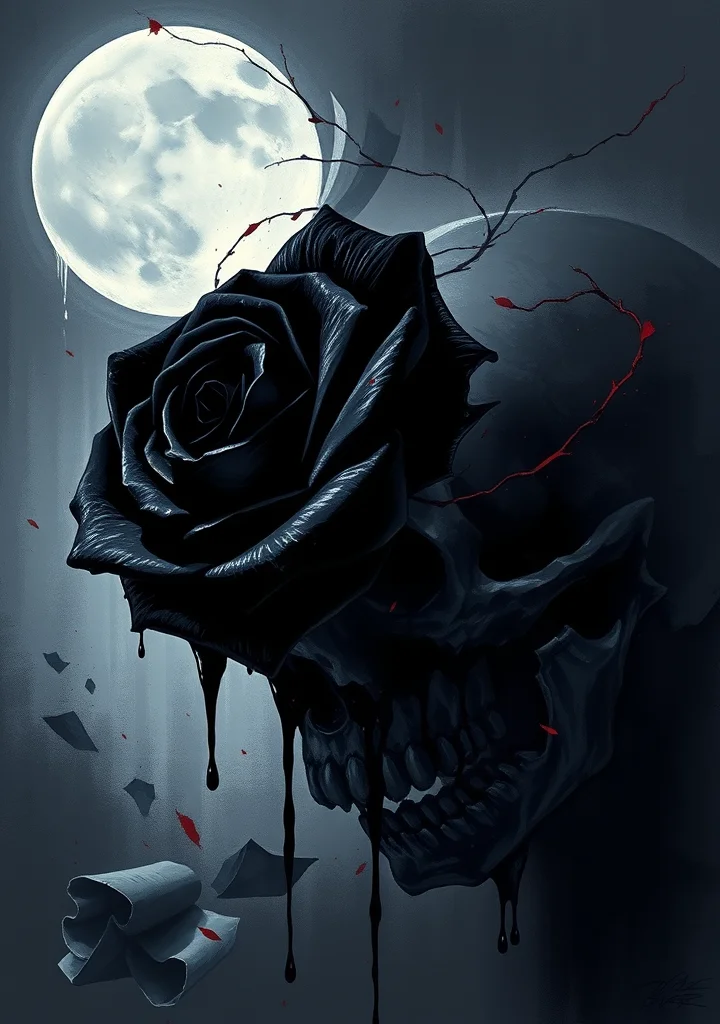
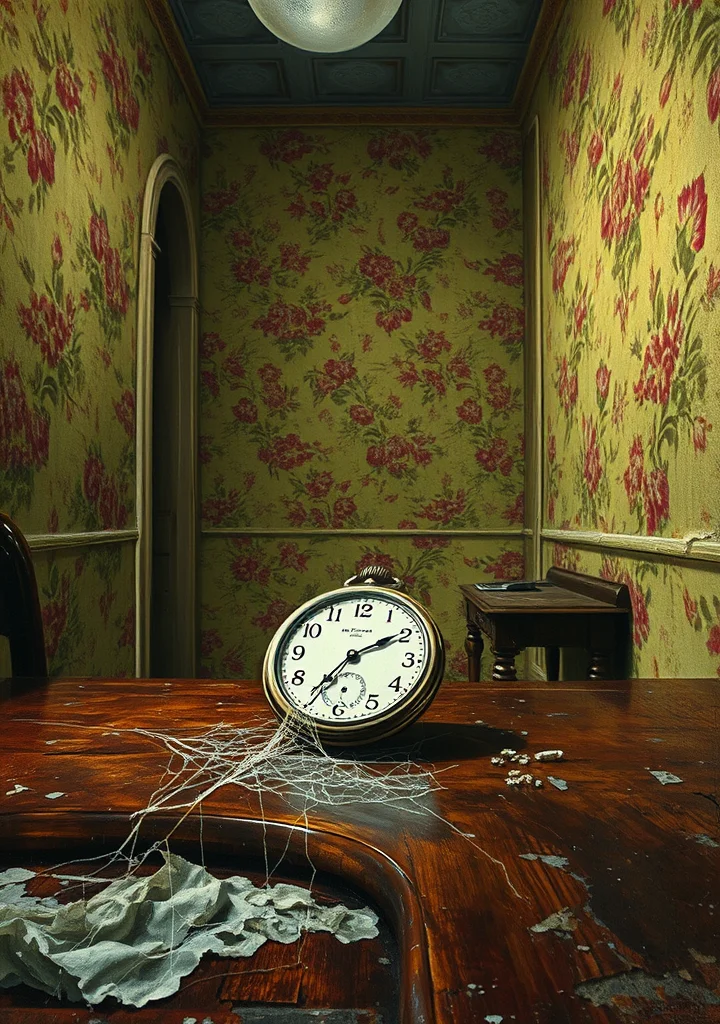
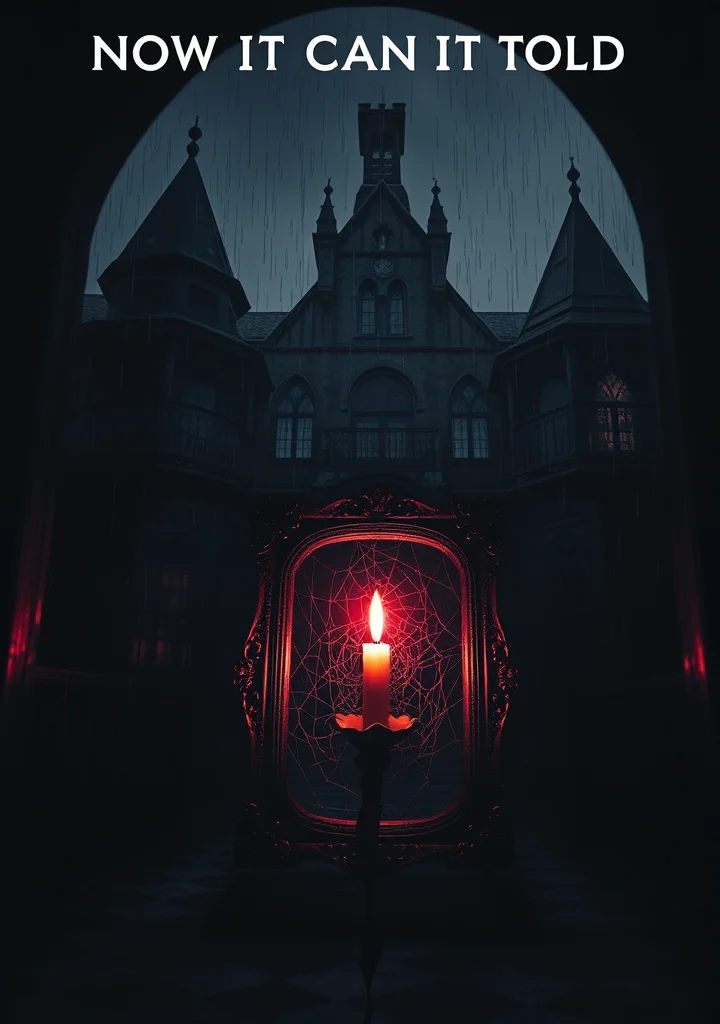
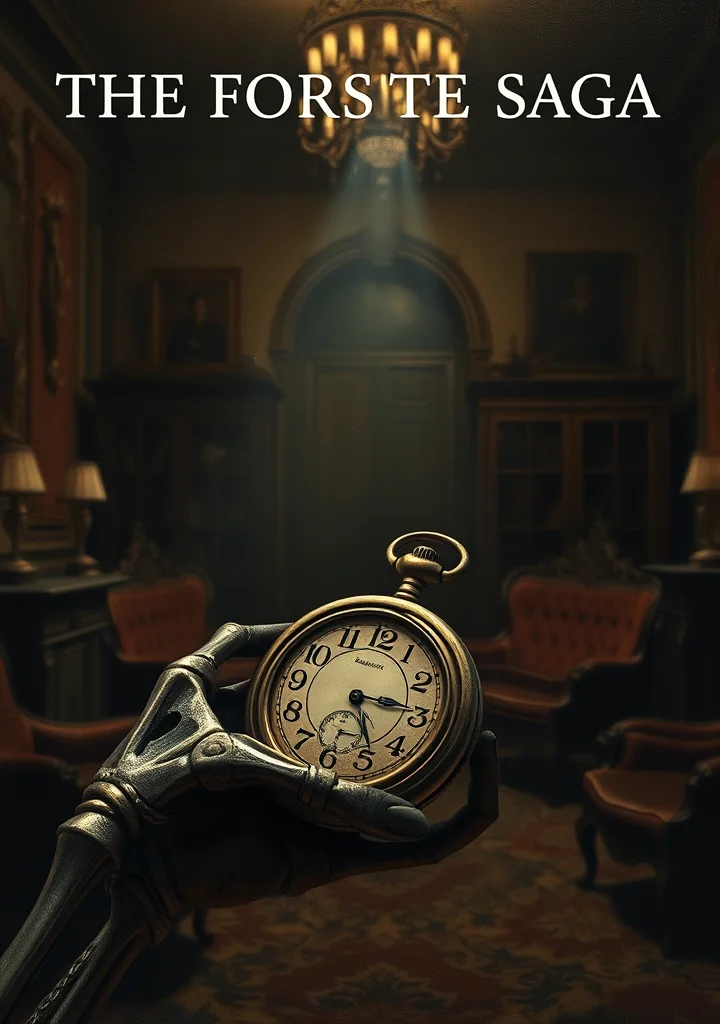
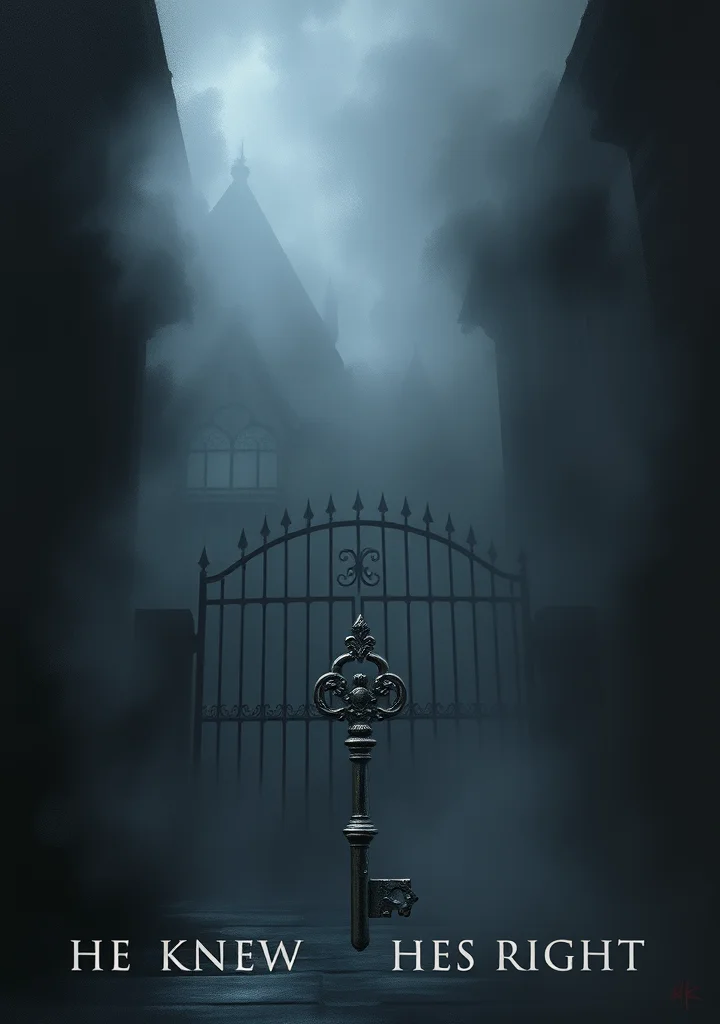
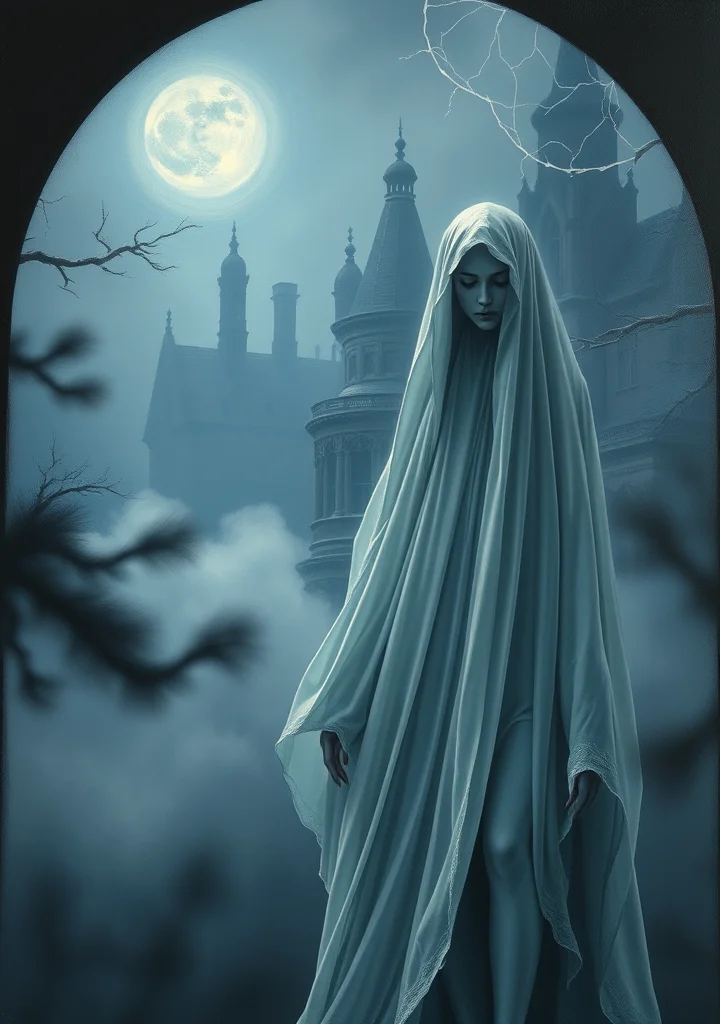
A suffocating dread clings to the Hungarian countryside, thick as the winter fog that shrouds the crumbling estates of the nobility. Here, amidst whispers of revolution and the lingering scent of gunpowder, a debt is called—not in gold, but in lives. The story unfolds with the suffocating weight of ancestral curses and the shadowed bargains struck in the wake of betrayal. A nobleman, driven to ruin by a phantom justice, stalks his prey with a chilling, methodical grace. Every darkened corridor of his ancestral home breathes with the memory of those he’s sworn to repay.
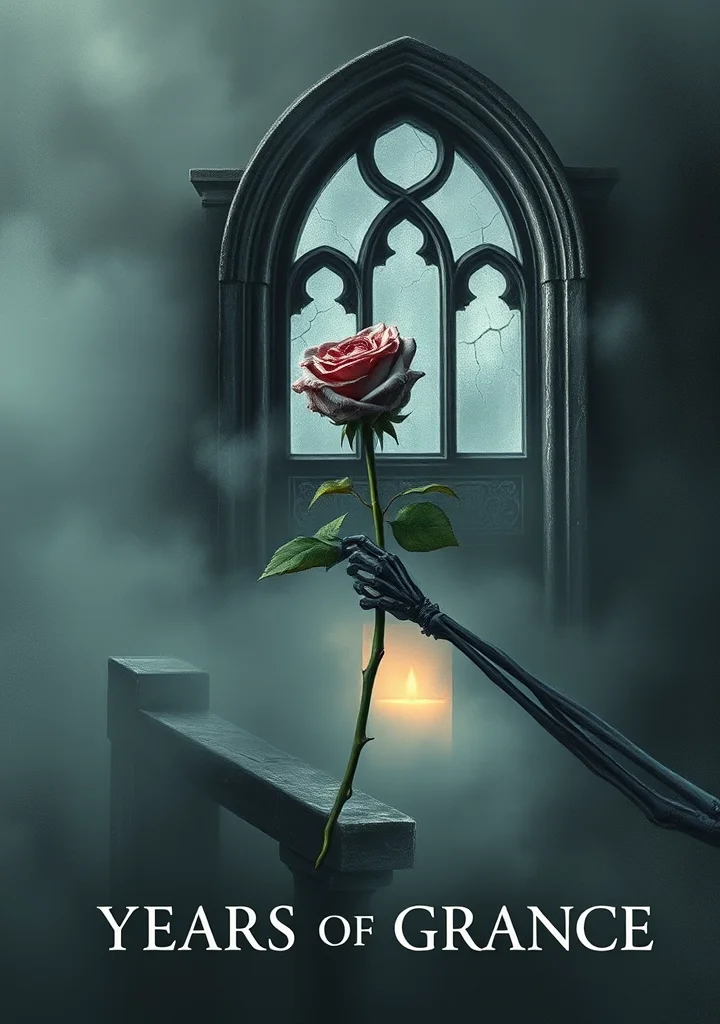
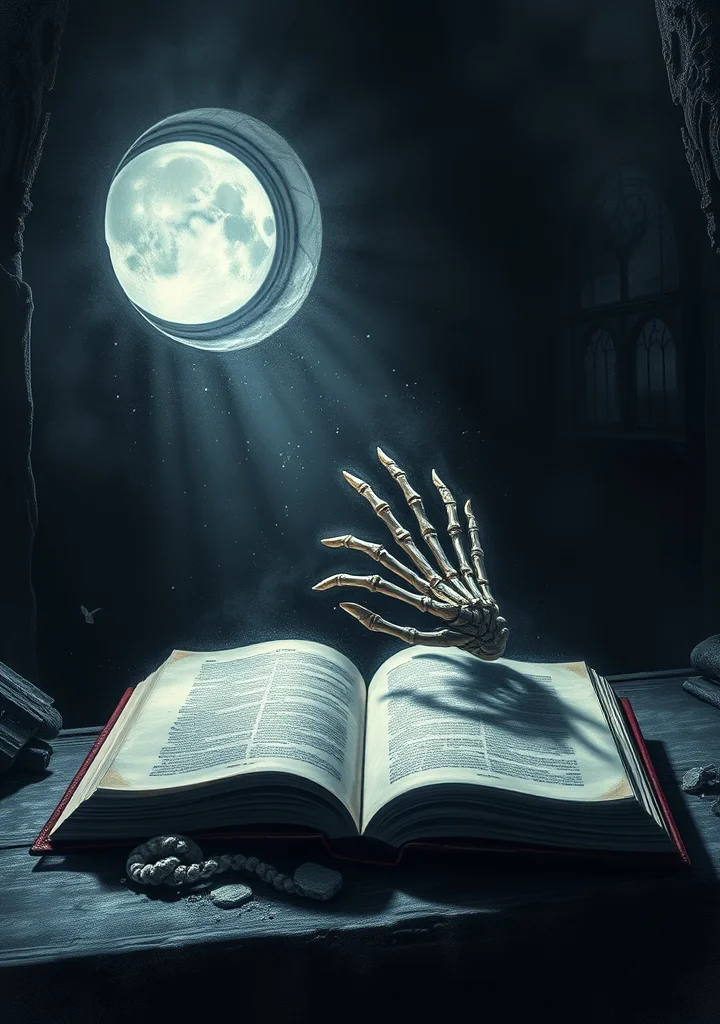
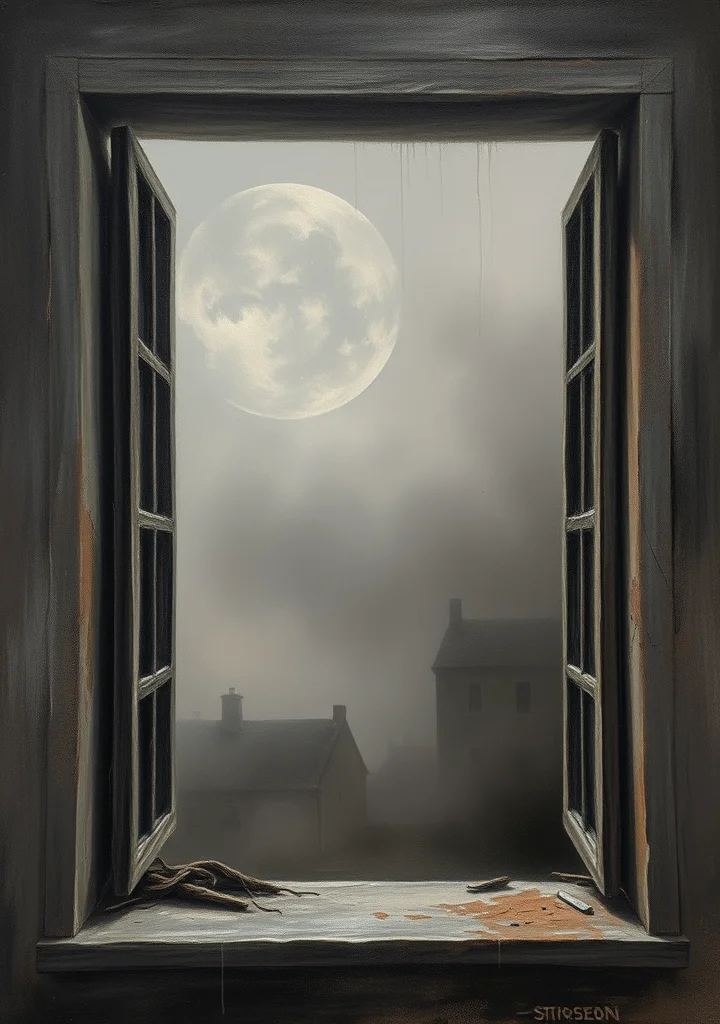
The narrative is a descent into obsession, where revenge is a slow-burning ember consuming everything in its path. Moonlight bleeds through shattered windows, illuminating the skeletal remains of a family’s honor. The air is laced with the metallic tang of blood and the suffocating perfume of decay, mirroring the rot within the protagonist’s heart. Secrets are unearthed from beneath layers of frost-kissed earth and festering wounds are reopened with each measured step toward retribution. It's a tale of vengeance that clings to the soul like a shroud, promising not resolution, but a mirroring of darkness in the final, agonizing reckoning. The very stones of the castle seem to weep with the burden of what is to come, echoing the relentless rhythm of a heart set on its brutal, inevitable payment.
Copyright: Public Domain
This license allows anyone to use your story for any purpose, including printing, selling, or adapting it into a film freely.
This license allows anyone to use your story for any purpose, including printing, selling, or adapting it into a film freely.
Chapter List
-
« I Will Repay »📖 Continue Reading
-
« Chapter_3 »
-
« I Will Repay »
-
« Prologue »
-
« I »
-
« II »
-
« I »
-
« II »
-
« III »
-
« IV »
-
« V »
-
« VI »
-
« VII »
-
« VIII »
-
« IX »
-
« X »
-
« XI »
-
« XII »
-
« XIII »
-
« XIV »
-
« XV »
-
« XVI »
-
« XVII »
-
« XVIII »
-
« XIX »
-
« XX »
-
« XXI »
-
« XXII »
-
« XXIII »
-
« XXIV »
-
« XXV »
-
« XXVI »
-
« XXVII »
-
« XXVIII »
-
« XXIX »
-
« XXX »
36
-
« I Will Repay »
-
« Chapter_3 »
-
« I Will Repay »
-
« Prologue »
-
« I »
-
« II »
-
« I »
-
« II »
-
« III »
-
« IV »
-
« V »
-
« VI »
-
« VII »
-
« VIII »
-
« IX »
-
« X »
-
« XI »
-
« XII »
-
« XIII »
-
« XIV »
-
« XV »
-
« XVI »
-
« XVII »
-
« XVIII »
-
« XIX »
-
« XX »
-
« XXI »
-
« XXII »
-
« XXIII »
-
« XXIV »
-
« XXV »
-
« XXVI »
-
« XXVII »
-
« XXVIII »
-
« XXIX »
-
« XXX »
More like this