
The History of Rasselas, Prince of Abyssinia
  • 316
  • 0
  • 52
  • Reads 316
  • 0
  • Part 52
Completed, First published Mar 02, 2026

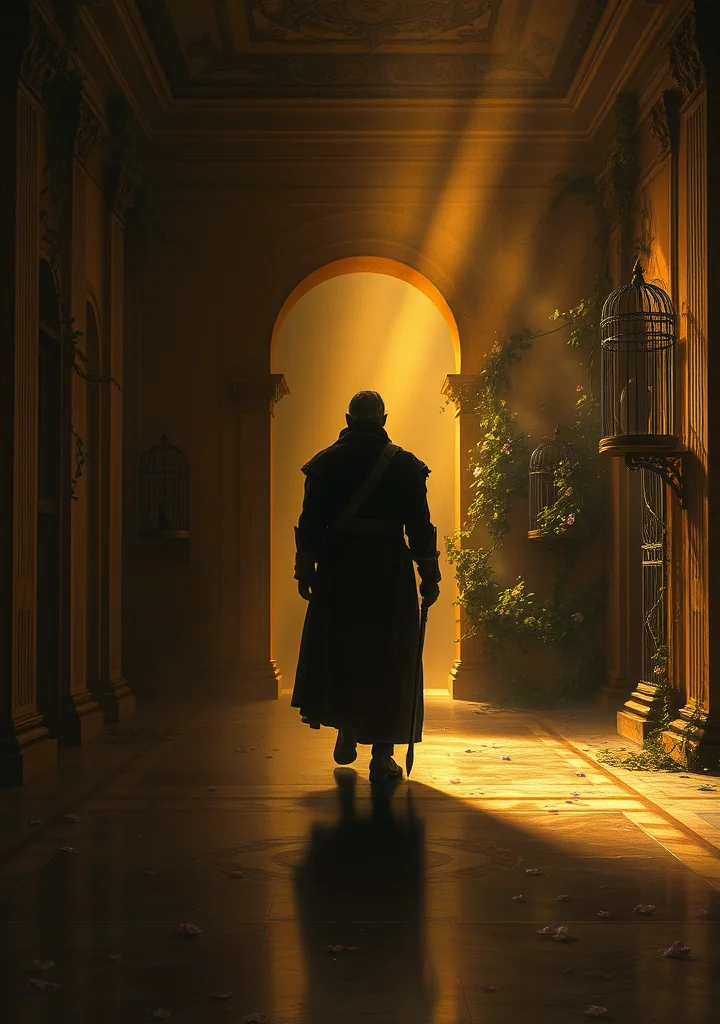
Dust motes dance in the perpetual twilight of Rasselas’s gilded cage, a melancholia clinging to the palace walls like creeping ivy. The air hangs heavy with the scent of jasmine and decay, mirroring the languor of a life untouched by true desire. Each chamber echoes with the stifled sighs of privilege, a suffocating opulence that breeds not joy, but a hollow yearning for purpose. Through shadowed corridors and sun-bleached gardens, Rasselas wanders, haunted by the futility of existence. His journey is not one of escape, but of revelation—a descent into the shadowed corners of human ambition, where wisdom curdles into despair and happiness proves a phantom chase. The landscapes themselves seem to weep with a forgotten grief, reflecting in the stagnant pools of Rasselas’s contemplation. A pervasive sense of isolation permeates every encounter, every philosophical exchange, leaving a residue of cold, unyielding logic upon the soul. The narrative unfolds like a slow unraveling, a tapestry woven with threads of regret and the spectral weight of unrealized potential. Even the most vibrant displays of human folly are shrouded in a pallid, sepulchral light, leaving the reader adrift in a sea of quiet desperation, forever questioning whether bliss is merely an illusion glimpsed through the bars of a gilded prison.
Copyright: Public Domain
This license allows anyone to use your story for any purpose, including printing, selling, or adapting it into a film freely.
Chapter List

52

Recommended for you
41 Part
Dust motes dance in the perpetual twilight of the manor, clinging to the heavy velvet drapes and the portraits whose eyes follow you down shadowed halls. A suffocating stillness hangs in the air, thick with the scent of decaying roses and damp earth. The women of Blackwood House are draped in mourning—not for the dead, but for lives surrendered before they were lived. Each wears a veil of silk or lace, obscuring not just their faces, but their histories, their desires, their very selves. The estate breathes with a melancholic rhythm, mirroring the slow unraveling of its mistress, Elara. She moves through the corridors like a ghost, haunted by whispers that snake through the ancient stone walls—secrets carried on the breath of the wind that claws at the leaded windows. A creeping dread seeps from the garden, where twisted vines strangle the statues of forgotten saints, mirroring the suffocating grip of tradition on the women trapped within. Every shadow holds a betrayal, every locked door a confession. The narrative unfolds like a slow poisoning, revealing the rot beneath the gilded surfaces—a web of obsession, forbidden love, and the desperate measures taken to preserve a fragile legacy. The silence is never empty; it pulses with the weight of unspoken grief, the echoing screams of those who vanished into the labyrinthine heart of Blackwood House, swallowed by the veils and the darkness they conceal. A palpable fear clings to the very stones, a promise of something terrible unearthed with each passing hour.
14 Part
Dust hangs thick in the Louisiana cane fields, mirroring the suffocating secrets that cling to the decaying grandeur of the plantation house. Here, the line between the living and the dead blurs with every whisper of conjure, every flicker of swamp gas rising from the bayou. John Westerly, a white man haunted by ambition and a creeping dread, finds himself entangled with the power of the unseen after his wife’s illness leads him to seek the aid of a root woman, a woman steeped in the old ways. But her healing comes at a price, a debt paid in shadows and steeped in the lore of a people who’ve held onto their magic through generations of bondage. The air is heavy with the scent of jasmine and decay, laced with the metallic tang of fear. Every glance from the enslaved, every rustle in the Spanish moss, carries a weight of unspoken knowledge. The narrative coils around itself like the vines choking the ancient oaks, revealing a slow unraveling of sanity as Westerly descends into a world where his rational mind clashes against the potent reality of folk magic. He’s drawn into a claustrophobic world where the conjured spirits of the enslaved seep into his dreams, and the boundaries of his own identity begin to dissolve into the miasma of the swamp. It’s a world where the shadows lengthen with each passing night, and the price of power is measured not in coin, but in pieces of a soul willingly surrendered to the darkness. The house itself breathes, groaning with the weight of forgotten histories, a silent witness to the bargains struck in the humid Louisiana night.
32 Part
The salt-laced air hangs thick with the scent of decay, mirroring the crumbling timbers of the Nova Scotian fishing village where the tale unfolds. A chilling draught whispers through the narrative, born not of wind, but of the encroaching madness that clings to the manuscript’s pages. It’s a story pulled from the brine-soaked depths of memory, a fragmented confession unearthed within a sealed copper cylinder—a vessel seemingly designed to contain, not preserve, the horror within. The prose itself is feverish, a descent into delirium as the unnamed narrator recounts his journey aboard the *Aurora*, a vessel swallowed by the Arctic’s icy grip. Sunken hulls, phantom ships, and the spectral echoes of a doomed crew bleed into the present, blurring the lines between waking nightmare and frozen reality. A creeping dread permeates every passage, not from monstrous beasts or supernatural horrors, but from the insidious erosion of sanity, the slow unraveling of a man confronted by an impossible truth. The cylinder’s weight, the copper’s cold embrace—these become tangible elements of the narrative’s claustrophobia. The reader is submerged alongside the narrator, adrift on a sea of escalating terror, trapped within a narrative that threatens to consume all reason. It's a story less about what happened, and more about the fracturing of the mind *during* what happened—a descent into the black, echoing void where the Aurora vanished, and something monstrous returned with the thaw. The manuscript doesn’t offer answers, only the chilling certainty that some horrors are best left entombed in the ice, and within the corroded metal of a forgotten cylinder.