
-
Read 1.5K
-
0
-
Part 85
Completed, First published Mar 02, 2026
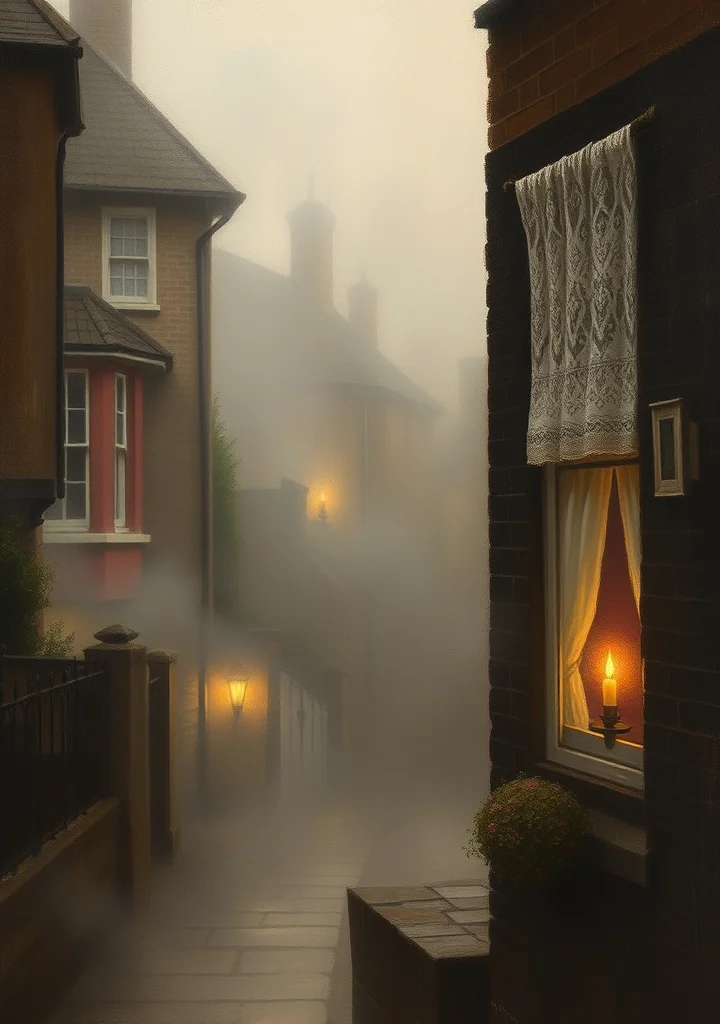
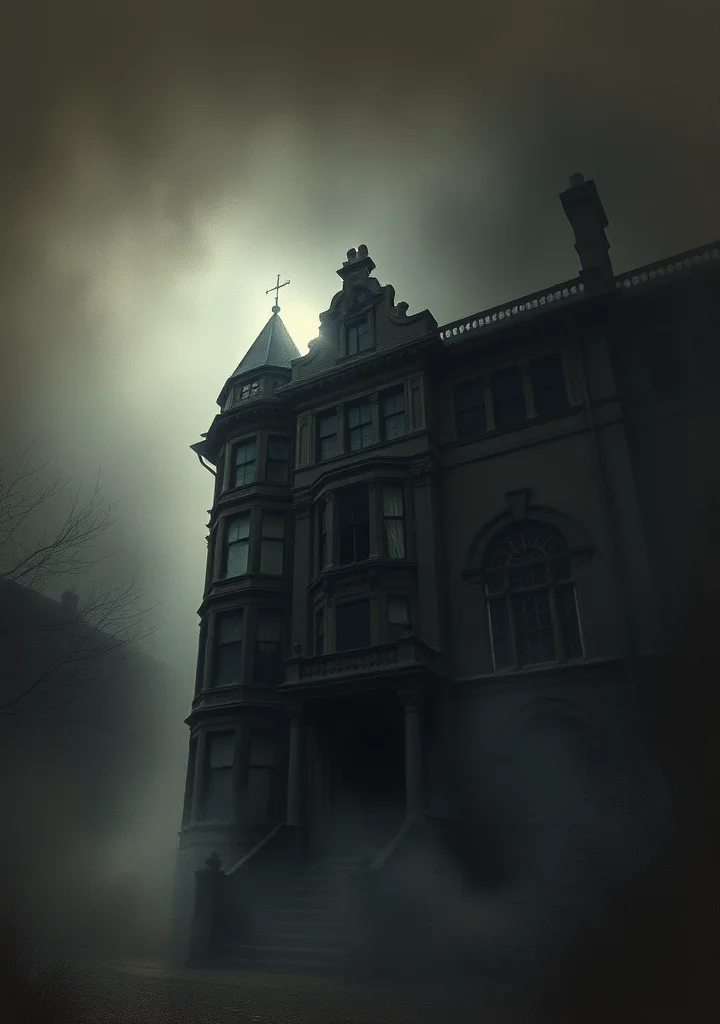
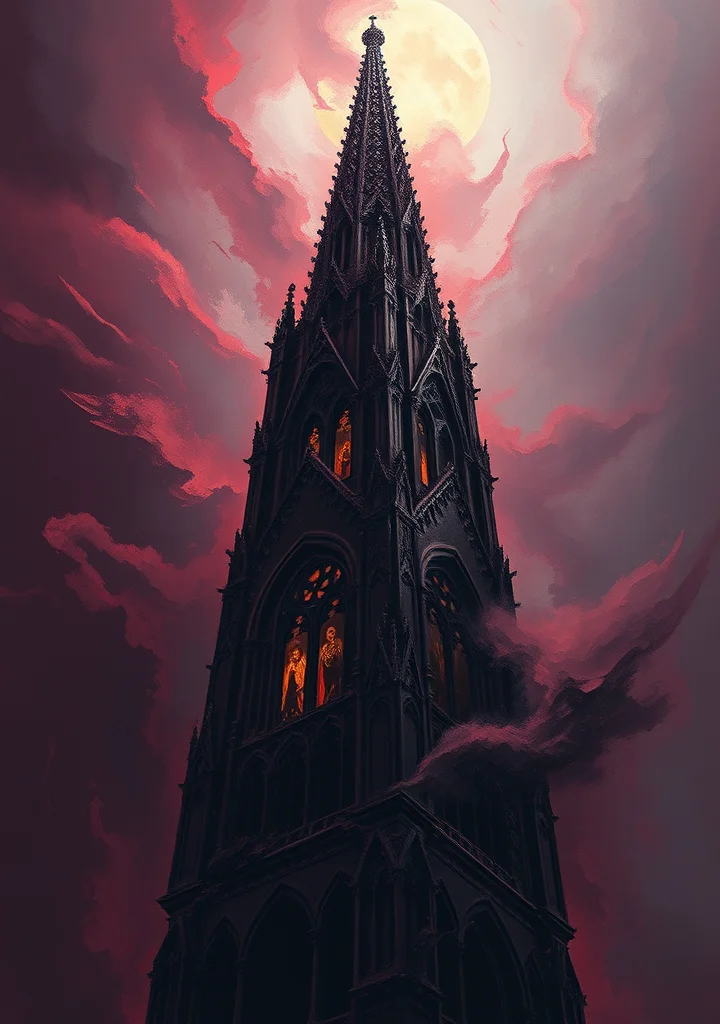
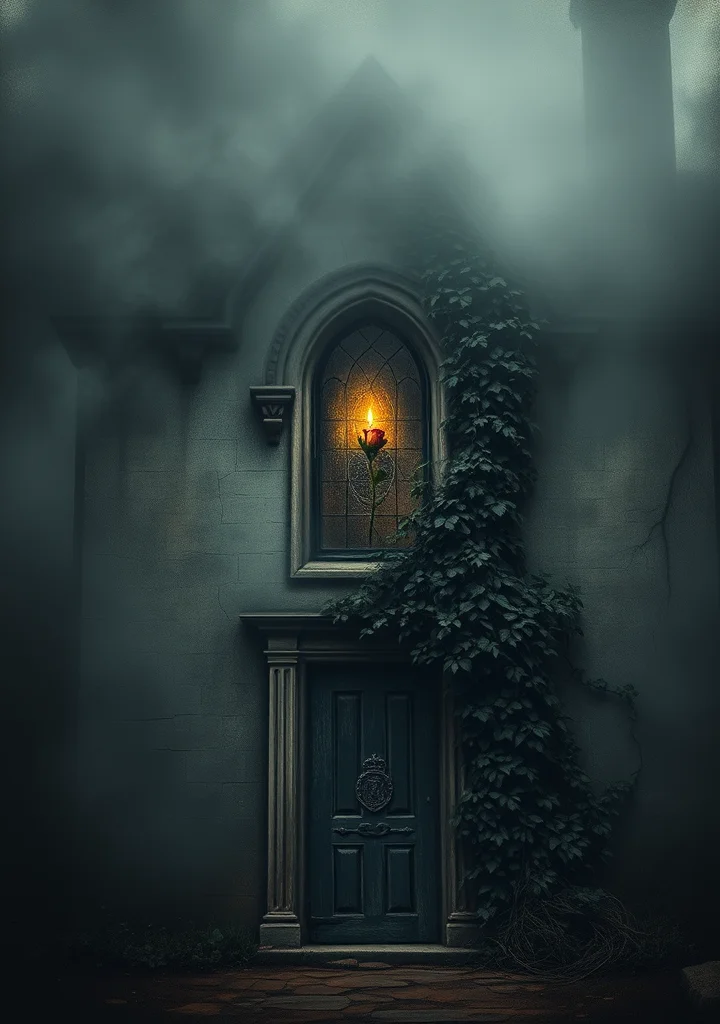
A creeping fog clings to the ancient stones of Barsetshire, mirroring the decay within the hearts of its inhabitants. Though outwardly a tale of parish disputes and legal maneuverings, a deeper current of loneliness and regret pulses beneath the prim prose. The shadows lengthen in the echoing halls of Plumstead, where a dwindling inheritance and the weight of expectation threaten to suffocate the last vestiges of grace. Old wounds fester, masked by polite conversation and simmering resentments. A stifled grief permeates the landscape – a mourning not for the departed, but for a lost innocence, a fading order. Every perfectly manicured garden hides a tangle of thorns, every cordial exchange a calculated maneuver for survival. The air hangs heavy with unspoken desires, the rustle of secrets in the darkened corridors of rectory and manor house. It is a world where piety is a performance, and the true cost of ambition is measured in the slow erosion of the soul. A pervasive chill settles in the bones, not of the winter season, but of a spiritual emptiness that clings to the very earth of Barsetshire, promising only the quiet despair of forgotten lives.
Copyright: Public Domain
This license allows anyone to use your story for any purpose, including printing, selling, or adapting it into a film freely.
This license allows anyone to use your story for any purpose, including printing, selling, or adapting it into a film freely.
Chapter List
-
« The Last Chronicle of Barset »📖 Continue Reading
-
« I »
-
« II »
-
« III »
-
« IV »
-
« V »
-
« VI »
-
« VII »
-
« VIII »
-
« IX »
-
« X »
-
« XI »
-
« XII »
-
« XIII »
-
« XIV »
-
« XV »
-
« XVI »
-
« XVII »
-
« XVIII »
-
« XIX »
-
« XX »
-
« XXI »
-
« XXII »
-
« XXIII »
-
« XXIV »
-
« XXV »
-
« XXVI »
-
« XXVII »
-
« XXVIII »
-
« XXIX »
-
« XXX »
-
« XXXI »
-
« XXXII »
-
« XXXIII »
-
« XXXIV »
-
« XXXV »
-
« XXXVI »
-
« XXXVII »
-
« XXXVIII »
-
« XXXIX »
-
« XL »
-
« XLI »
-
« XLII »
-
« XLIII »
-
« XLIV »
-
« XLV »
-
« XLVI »
-
« XLVII »
-
« XLVIII »
-
« XLIX »
-
« L »
-
« LI »
-
« LII »
-
« LIII »
-
« LIV »
-
« LV »
-
« LVI »
-
« LVII »
-
« LVIII »
-
« LIX »
-
« LX »
-
« LXI »
-
« LXII »
-
« LXIII »
-
« LXIV »
-
« LXV »
-
« LXVI »
-
« LXVII »
-
« LXVIII »
-
« LXIX »
-
« LXX »
-
« LXXI »
-
« LXXII »
-
« LXXIII »
-
« LXXIV »
-
« LXXV »
-
« LXXVI »
-
« LXXVII »
-
« LXXVIII »
-
« LXXIX »
-
« LXXX »
-
« LXXXI »
-
« LXXXII »
-
« LXXXIII »
-
« LXXXIV »
85
-
« The Last Chronicle of Barset »
-
« I »
-
« II »
-
« III »
-
« IV »
-
« V »
-
« VI »
-
« VII »
-
« VIII »
-
« IX »
-
« X »
-
« XI »
-
« XII »
-
« XIII »
-
« XIV »
-
« XV »
-
« XVI »
-
« XVII »
-
« XVIII »
-
« XIX »
-
« XX »
-
« XXI »
-
« XXII »
-
« XXIII »
-
« XXIV »
-
« XXV »
-
« XXVI »
-
« XXVII »
-
« XXVIII »
-
« XXIX »
-
« XXX »
-
« XXXI »
-
« XXXII »
-
« XXXIII »
-
« XXXIV »
-
« XXXV »
-
« XXXVI »
-
« XXXVII »
-
« XXXVIII »
-
« XXXIX »
-
« XL »
-
« XLI »
-
« XLII »
-
« XLIII »
-
« XLIV »
-
« XLV »
-
« XLVI »
-
« XLVII »
-
« XLVIII »
-
« XLIX »
-
« L »
-
« LI »
-
« LII »
-
« LIII »
-
« LIV »
-
« LV »
-
« LVI »
-
« LVII »
-
« LVIII »
-
« LIX »
-
« LX »
-
« LXI »
-
« LXII »
-
« LXIII »
-
« LXIV »
-
« LXV »
-
« LXVI »
-
« LXVII »
-
« LXVIII »
-
« LXIX »
-
« LXX »
-
« LXXI »
-
« LXXII »
-
« LXXIII »
-
« LXXIV »
-
« LXXV »
-
« LXXVI »
-
« LXXVII »
-
« LXXVIII »
-
« LXXIX »
-
« LXXX »
-
« LXXXI »
-
« LXXXII »
-
« LXXXIII »
-
« LXXXIV »
More like this