
-
Read 102
-
0
-
Part 1
Completed, First published Mar 02, 2026
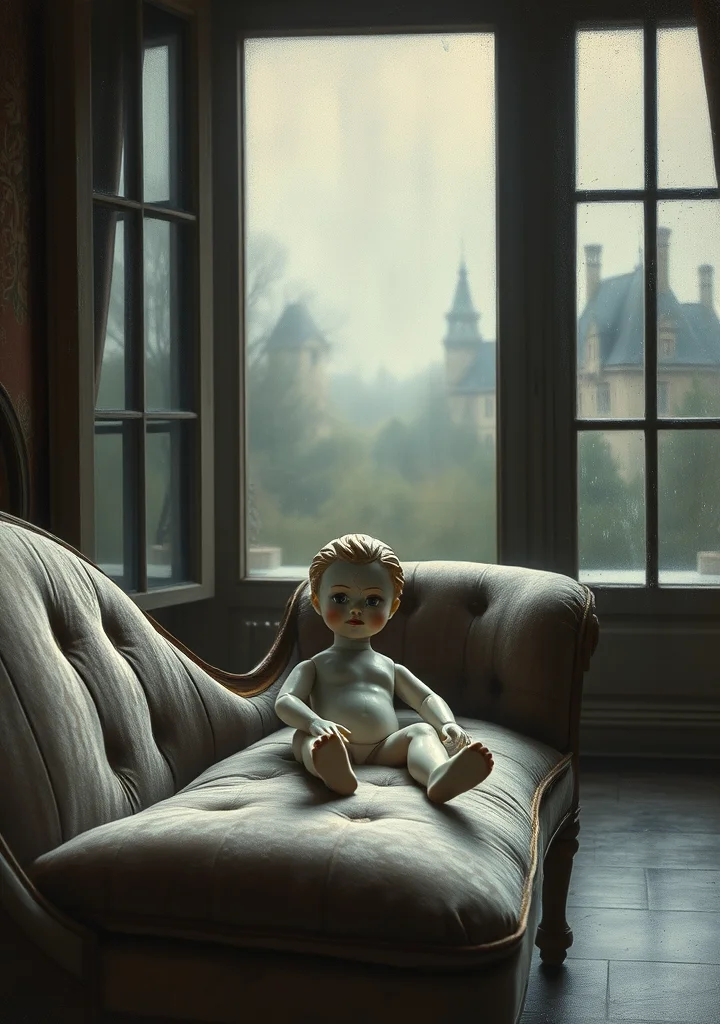
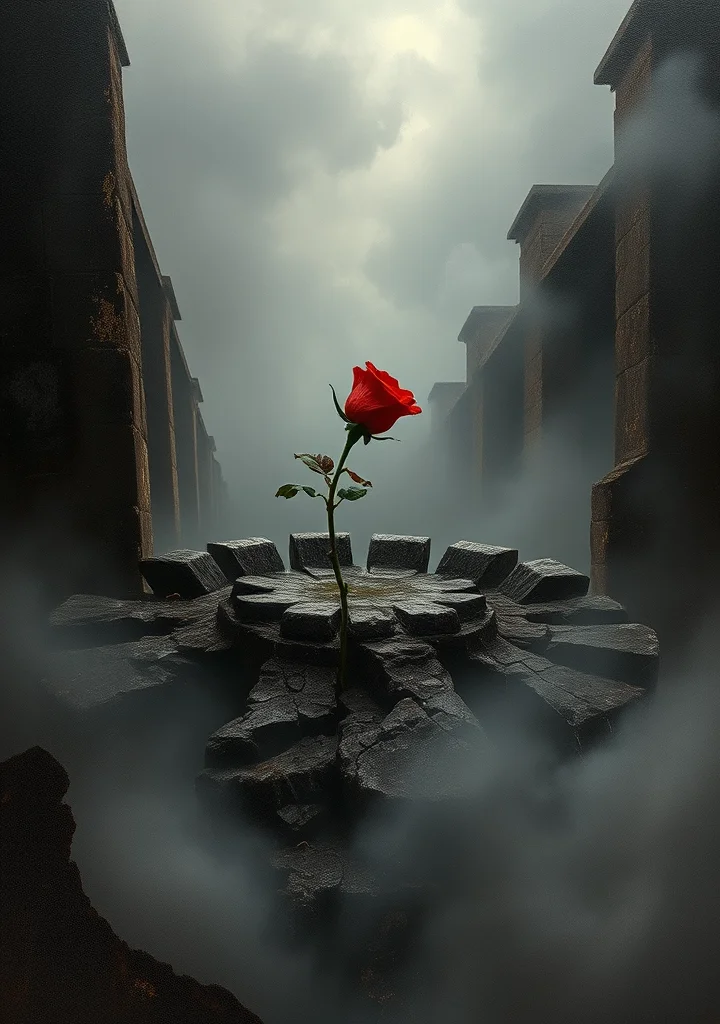
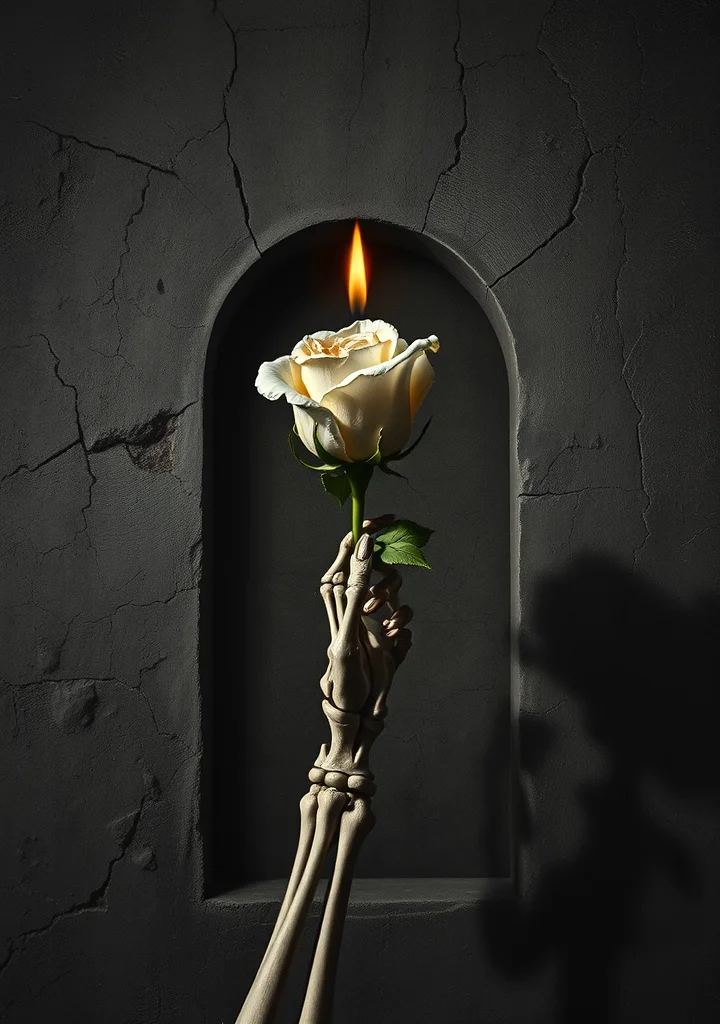
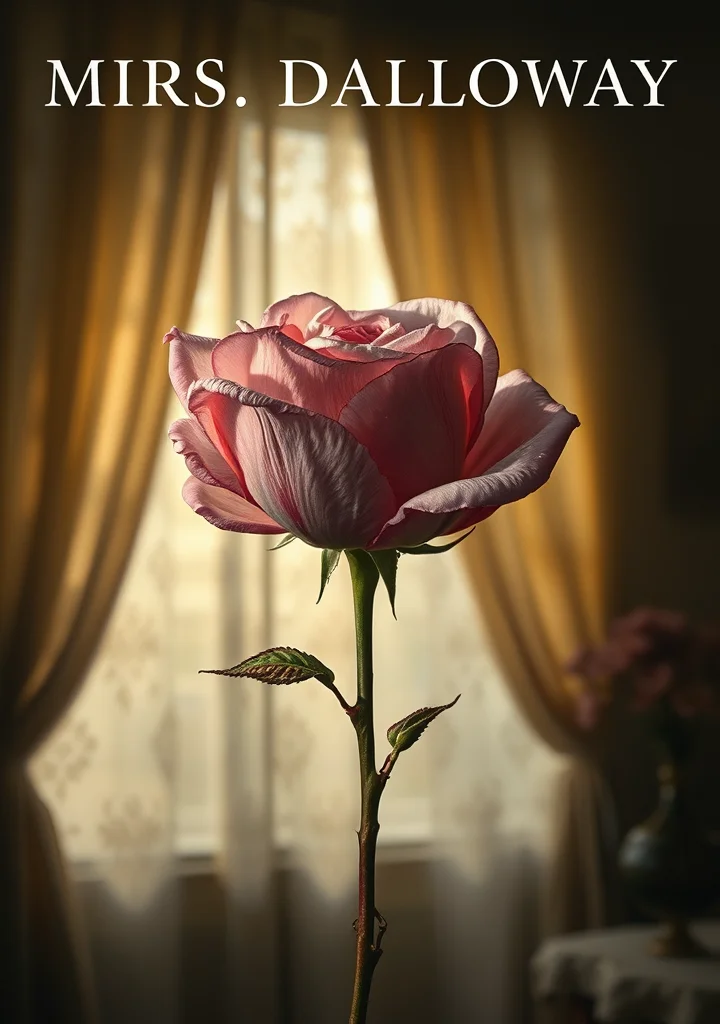
A fractured London breathes through chipped porcelain and the scent of dying roses. The day unfolds, a slow bleed of memory and regret, mirroring the fragile bloom of a single, perfect June. Mrs. Dalloway drifts through her drawing room, a phantom limb of a life both lived and lost, haunted by the echoing chambers of her past. Sunlight, filtered through lace curtains, illuminates dust motes dancing with the ghosts of conversations, of chances surrendered.
The city itself is a labyrinth of shadowed alleys and grand, echoing halls—a suffocating elegance where madness whispers in the spaces between breaths. Each chime of Big Ben is a toll for a forgotten hour, each passing face a fleeting glimpse of lives splintered by war, by class, by the unspoken burdens of the heart. A creeping unease settles with the evening, a sense of something irrevocably broken beneath the veneer of polite society.
The narrative unravels not as a story told, but as a consciousness unearthed, a delicate excavation of fractured souls. The weight of unspoken desires, the ache of unlived lives—these permeate the air, thick as London fog, leaving the reader adrift in a world where the boundaries between reality and reverie dissolve into a haunting, melancholic grey. It is a slow decay, a beautiful unraveling, all the while a quiet, desperate scream rises from within the heart of a woman named Dalloway.
Copyright: Public Domain
This license allows anyone to use your story for any purpose, including printing, selling, or adapting it into a film freely.
This license allows anyone to use your story for any purpose, including printing, selling, or adapting it into a film freely.
Chapter List
More like this