
-
Read 506
-
0
-
Part 33
Completed, First published Mar 02, 2026
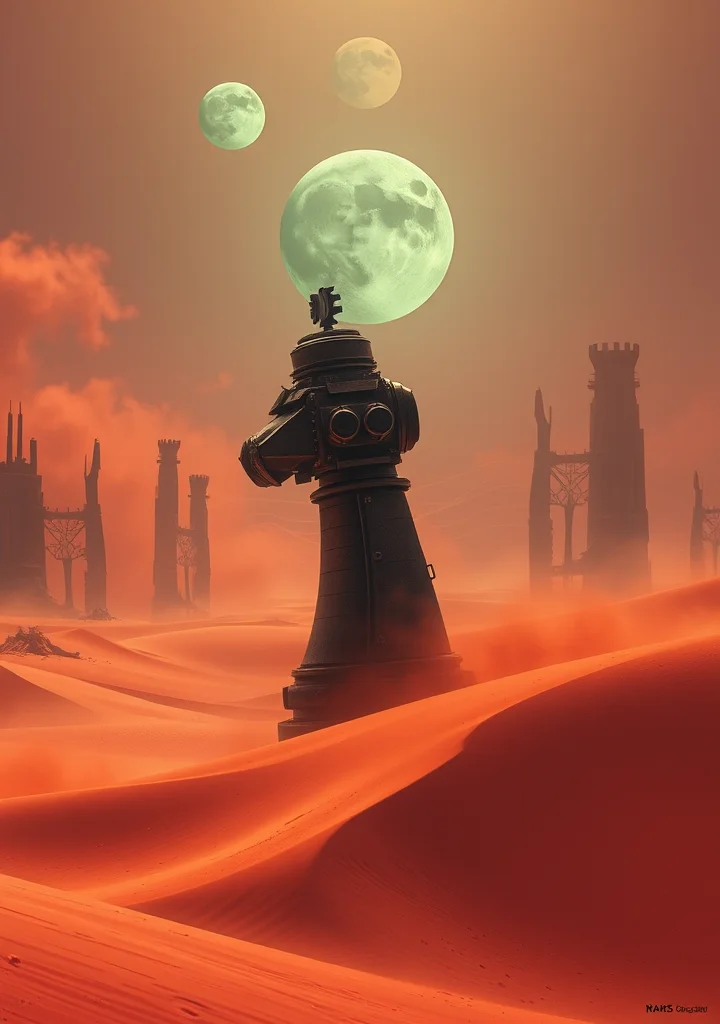
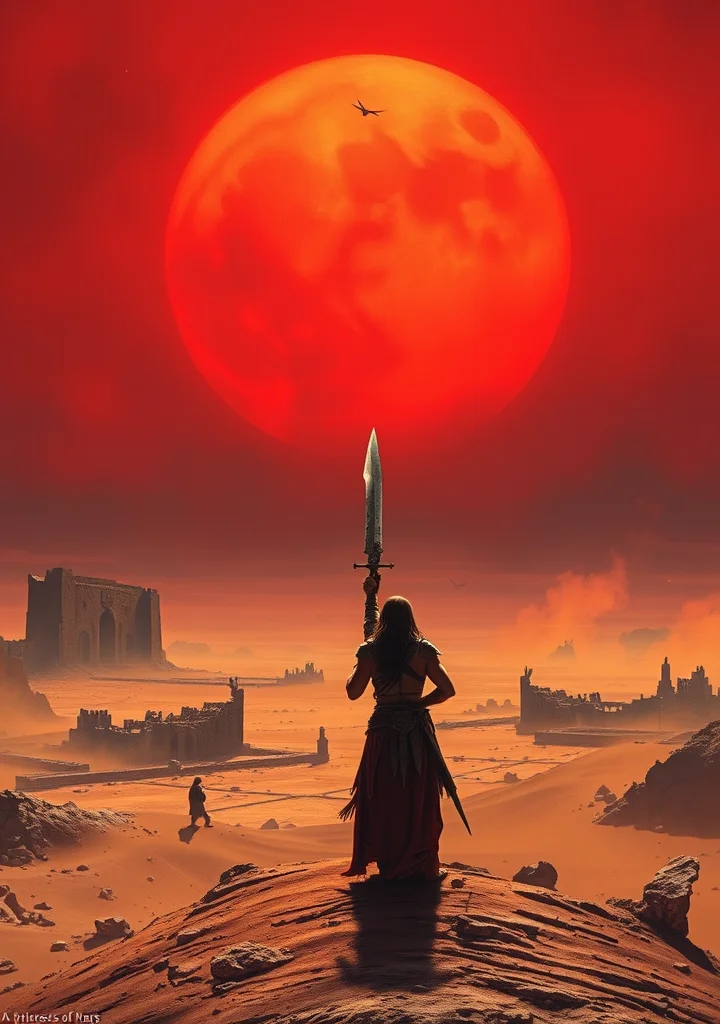
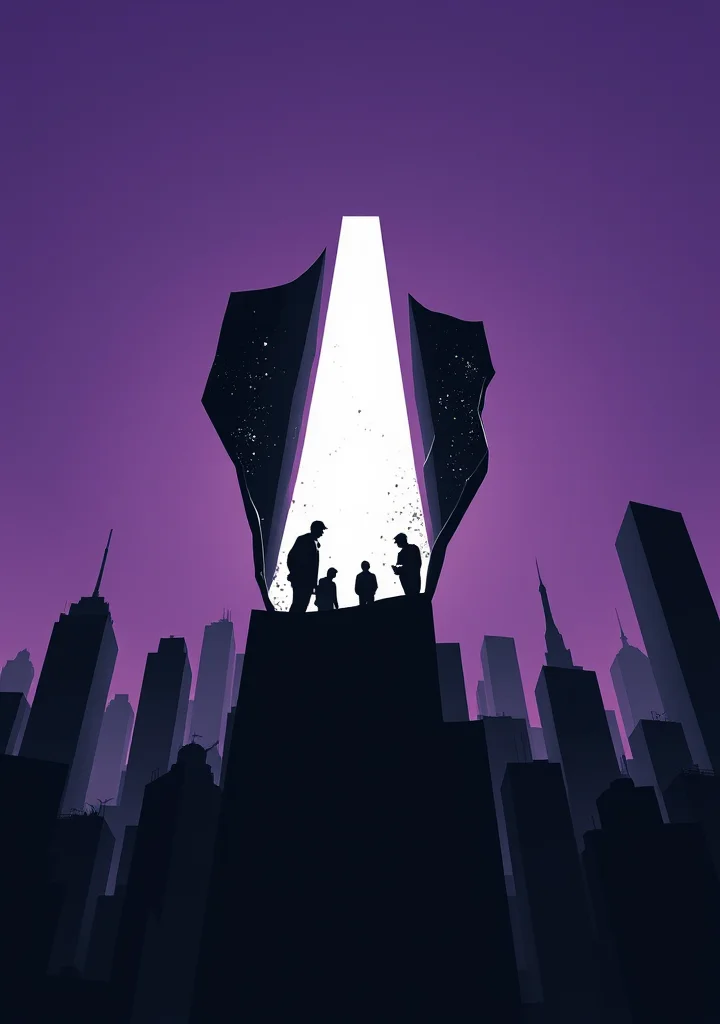
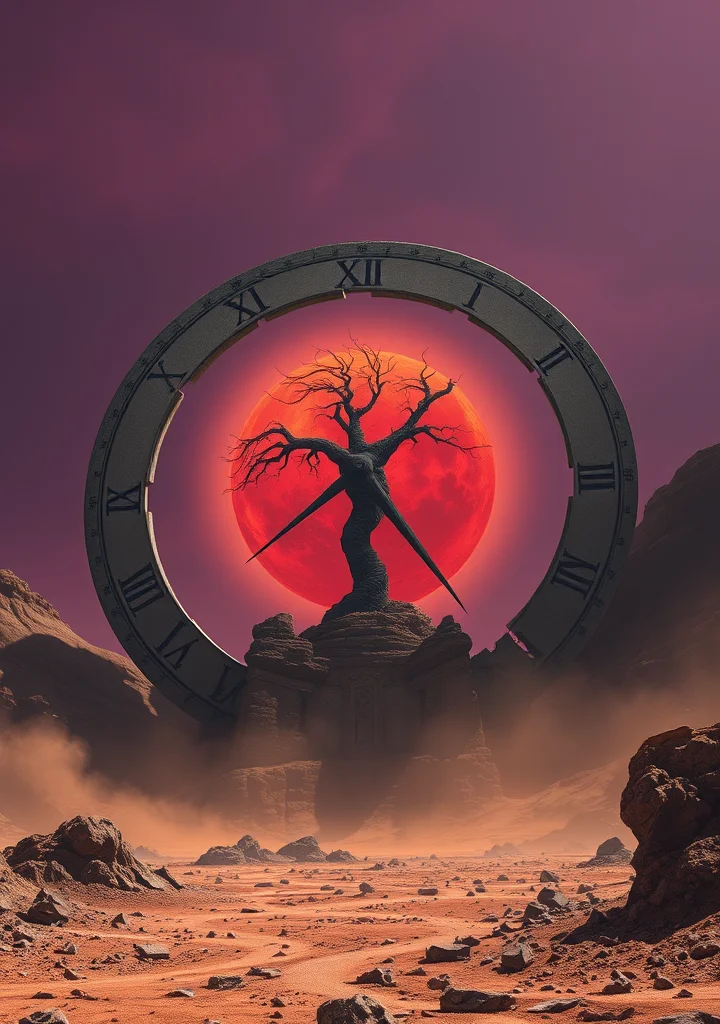
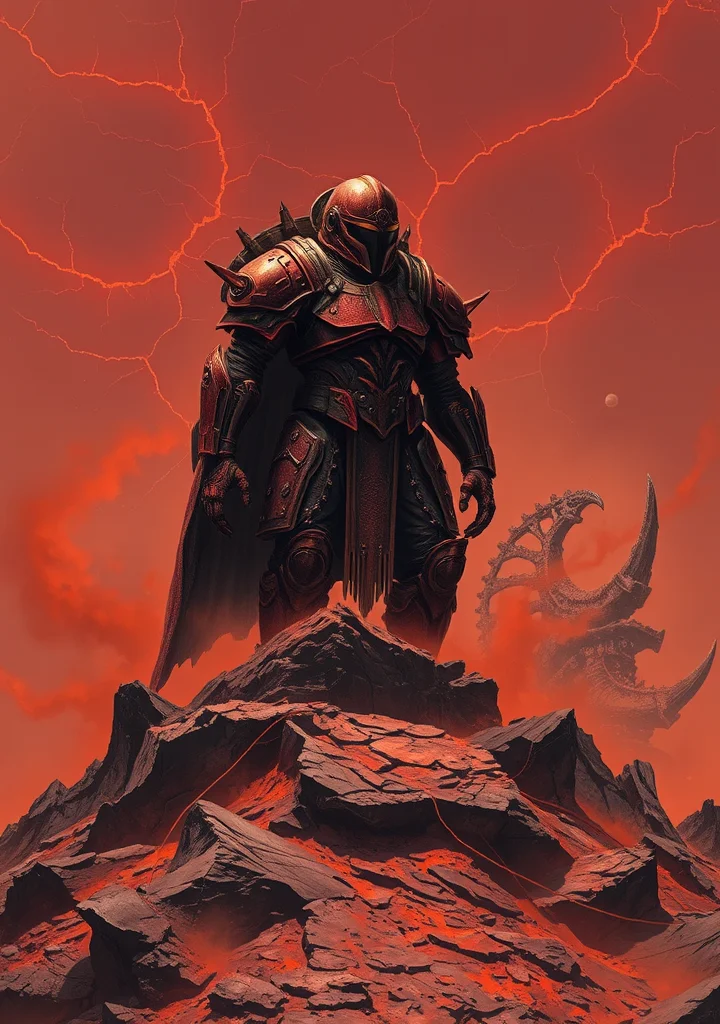
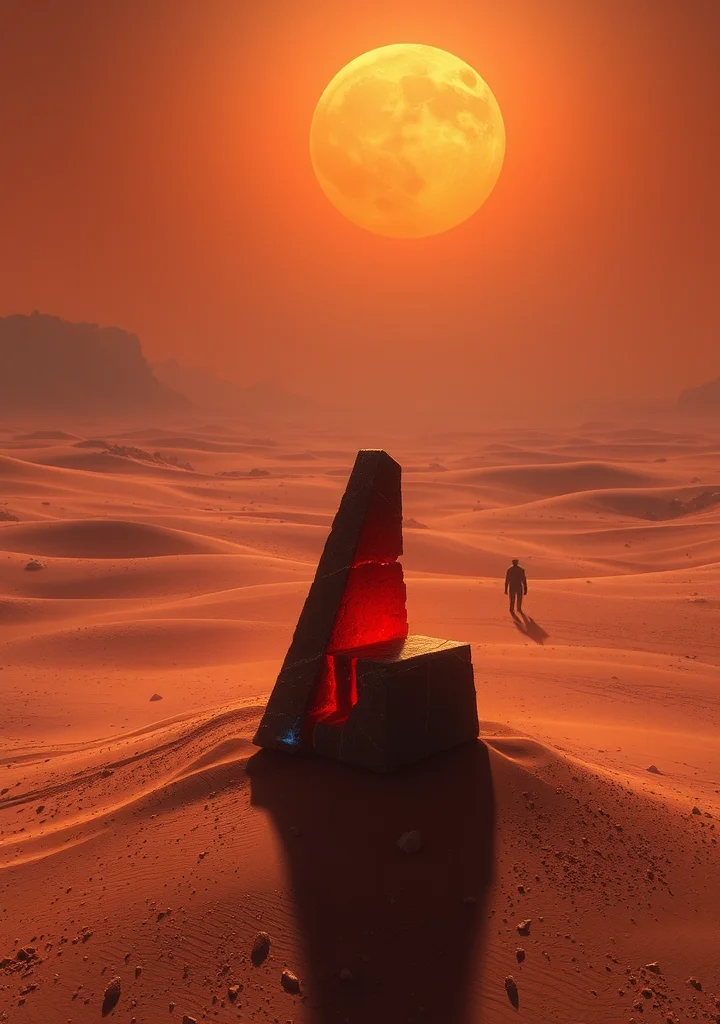
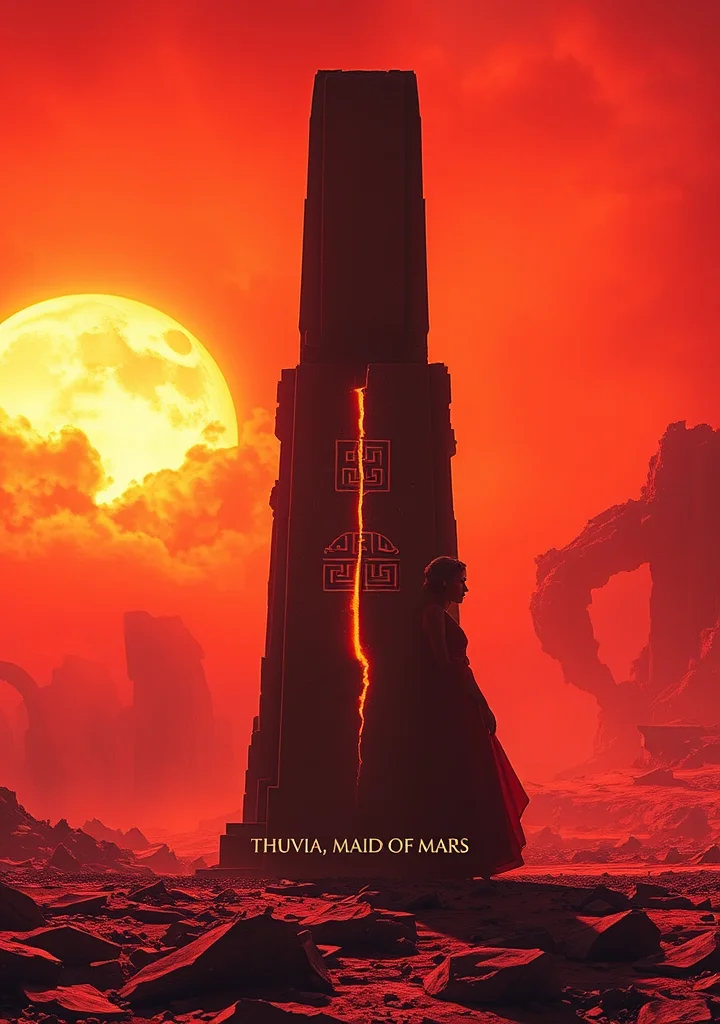
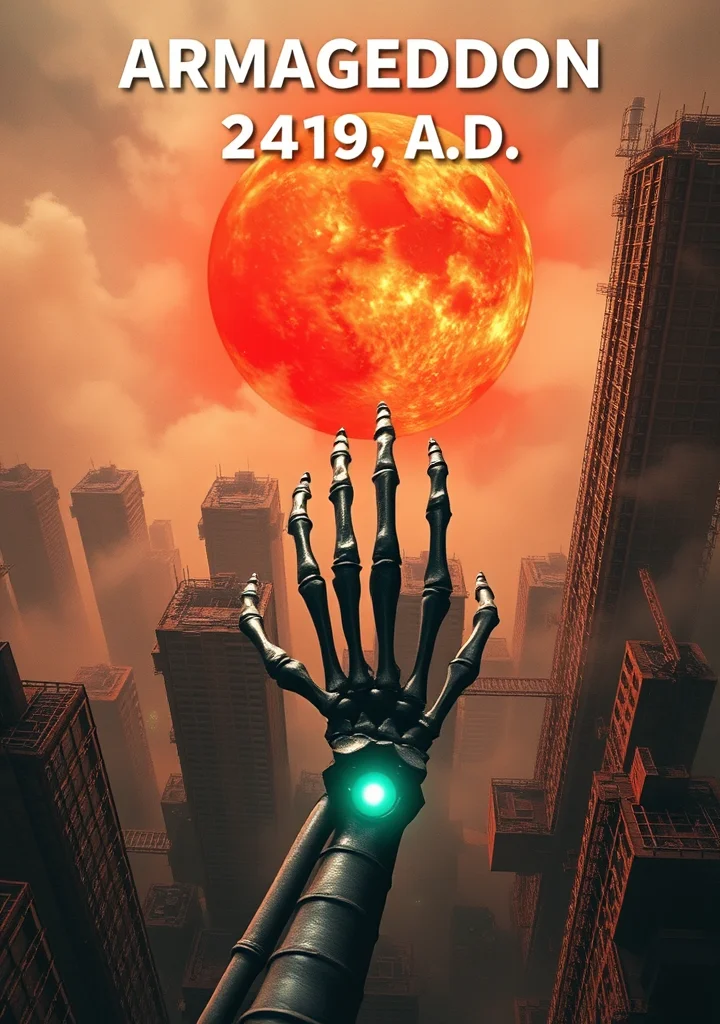
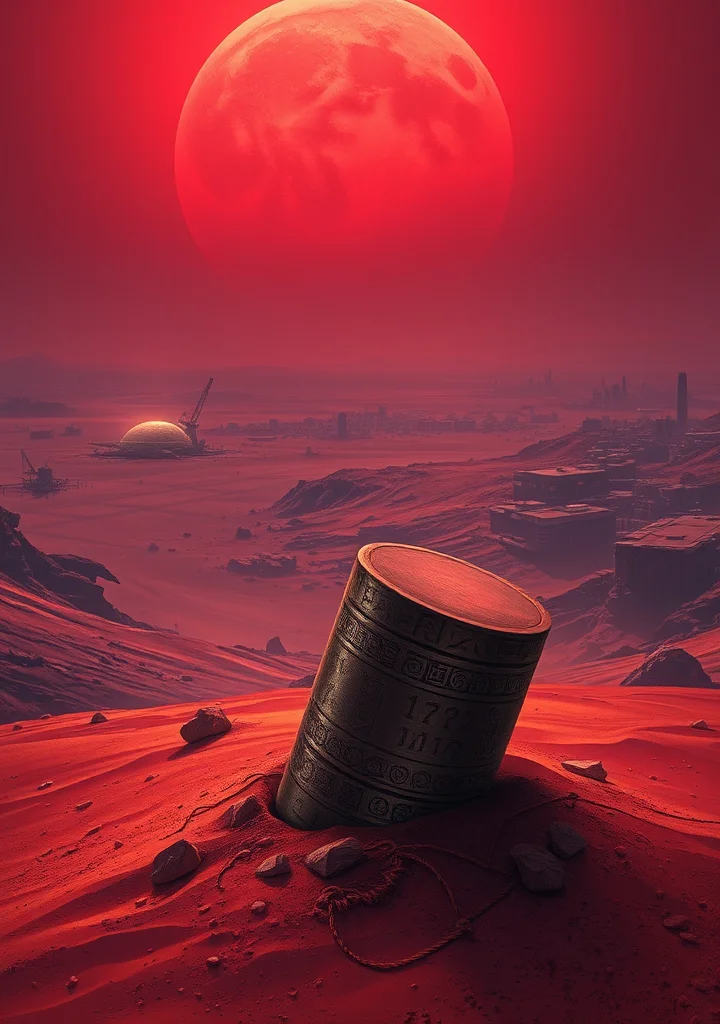
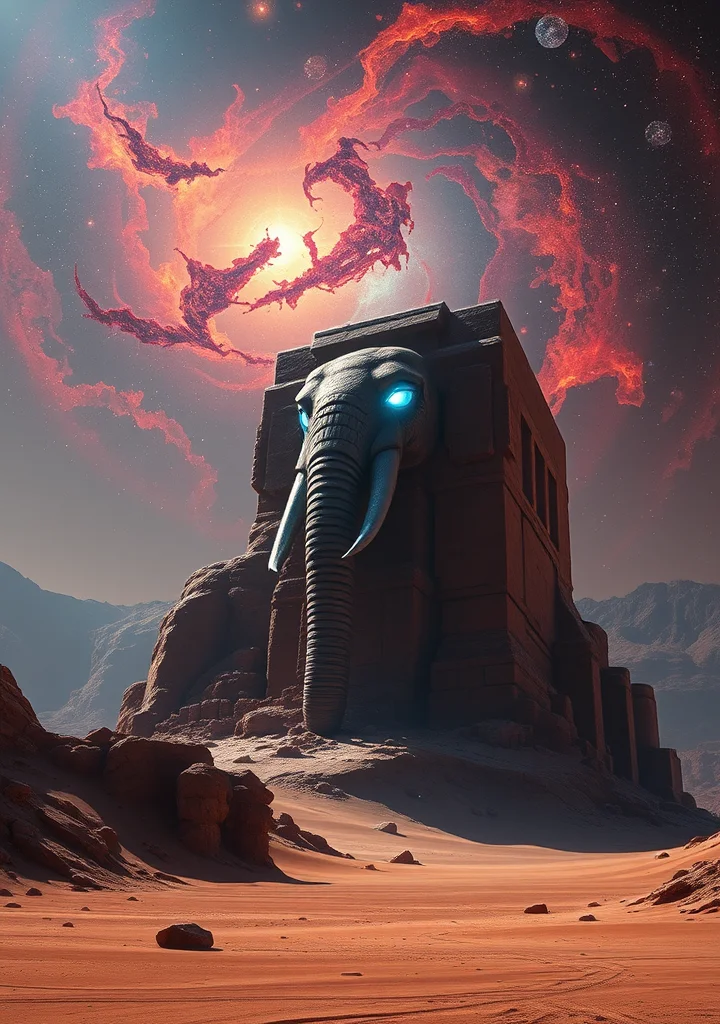
Dust-choked canyons yawn under a crimson, dying sun. Here, on the fringes of human dominion, where the legacy of forgotten gods bleeds into the iron grip of the Federation, a slow rot festers. This is not rebellion born of greed, but of something older, something *within* the rock itself. Uller’s men, scarred veterans of a hundred lost wars, return from the void changed—their eyes haunted by the echoes of a power they cannot name, a power that whispers of stone sentience and the hunger of mountains.
The air tastes of grit and regret. The settlements cling to the mesas like barnacles, choked by a creeping dread as the land itself begins to answer the call of its ancient masters. Piper weaves a tapestry of isolation, where the boundaries between the living and the geological blur. Each chipped shard of rock, each abandoned mine shaft, holds a fragment of a terrible awakening.
The narrative unfolds in a landscape perpetually shrouded in twilight, where the wind carries the lamentations of those lost to the stone. It’s a story not of men fighting men, but of men swallowed by a cold, geological will. The silence here isn’t empty—it *listens*. And it’s waiting for the Uprising, not as a revolution, but as a reclamation. A slow, grinding, inevitable return to the earth's primordial heart. A darkness that doesn’t burn, but *petrifies*.
Copyright: Public Domain
This license allows anyone to use your story for any purpose, including printing, selling, or adapting it into a film freely.
This license allows anyone to use your story for any purpose, including printing, selling, or adapting it into a film freely.
Chapter List
-
« Uller Uprising »📖 Continue Reading
-
« Introduction »
-
« I »
-
« Chapter_6 »
-
« Chapter_7 »
-
« Chapter_8 »
-
« Chapter_9 »
-
« Chapter_10 »
-
« II »
-
« Chapter_12 »
-
« Chapter_13 »
-
« Chapter_14 »
-
« Chapter_15 »
-
« Chapter_16 »
-
« Chapter_17 »
-
« Chapter_18 »
-
« Chapter_19 »
-
« Prologue »
-
« I »
-
« II »
-
« III »
-
« IV »
-
« V »
-
« VI »
-
« VII »
-
« VIII »
-
« IX »
-
« X »
-
« XI »
-
« XII »
-
« XIII »
-
« XIV »
-
« XV »
33
-
« Uller Uprising »
-
« Introduction »
-
« I »
-
« Chapter_6 »
-
« Chapter_7 »
-
« Chapter_8 »
-
« Chapter_9 »
-
« Chapter_10 »
-
« II »
-
« Chapter_12 »
-
« Chapter_13 »
-
« Chapter_14 »
-
« Chapter_15 »
-
« Chapter_16 »
-
« Chapter_17 »
-
« Chapter_18 »
-
« Chapter_19 »
-
« Prologue »
-
« I »
-
« II »
-
« III »
-
« IV »
-
« V »
-
« VI »
-
« VII »
-
« VIII »
-
« IX »
-
« X »
-
« XI »
-
« XII »
-
« XIII »
-
« XIV »
-
« XV »
More like this