
The Iron Heel
  • 175
  • 0
  • 30
  • Reads 175
  • 0
  • Part 30
Completed, First published Mar 02, 2026

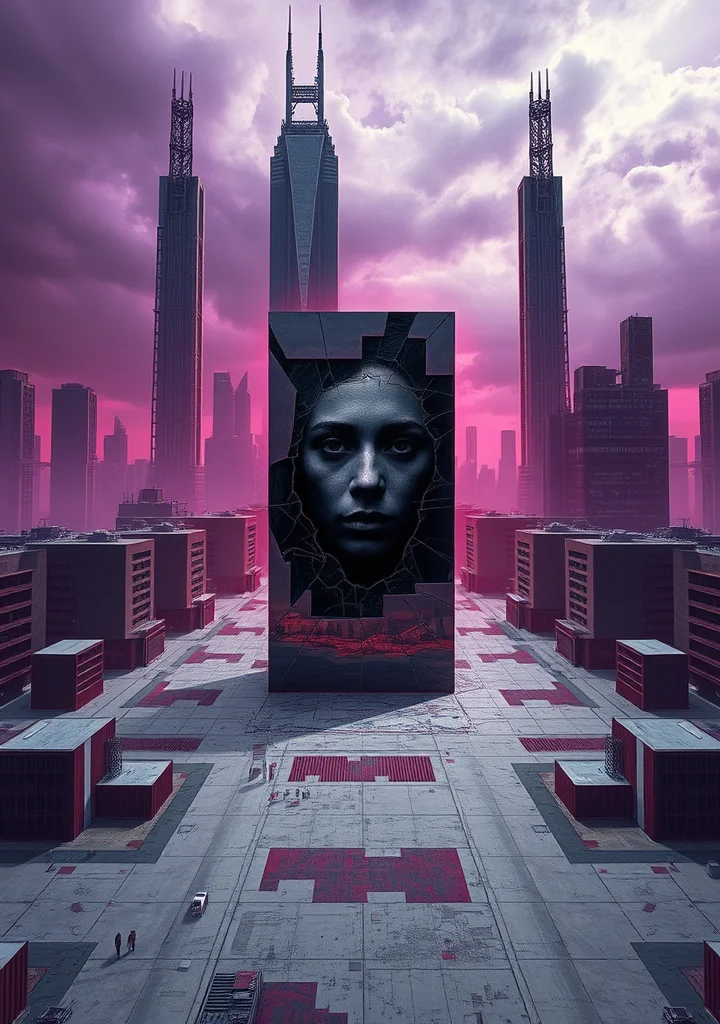
A creeping dread coils through the shadowed streets of a future San Francisco, where the weight of industry has calcified into a brutal, unyielding oligarchy. Dust devils dance with the ghosts of laborers crushed beneath the gears of progress, their cries swallowed by the ever-tightening grip of the Iron Heel. The narrative descends into a perpetual twilight of simmering resentment, a world choked by coal smoke and the iron stench of machinery. London doesn't offer grand battles, but a slow, agonizing suffocation of the human spirit. It’s a descent into the grey morality of survival, where loyalty is bought with dwindling freedoms and defiance is met not with glory, but with the silent, grinding inevitability of the machine. The air hangs thick with the unspoken fear of obsolescence, the chilling premonition of being rendered useless, a broken cog discarded into the vast, uncaring maw of the future. Every brick-laid street, every meticulously catalogued privilege, feels like a tombstone marking the death of individual will. The story breathes with the metallic tang of despair, a relentless pressure building toward a final, suffocating collapse under the heel’s unyielding weight. It is not a tale of revolution, but of the erosion of hope itself, a slow, deliberate corrosion of the soul in the face of unstoppable force.
Copyright: Public Domain
This license allows anyone to use your story for any purpose, including printing, selling, or adapting it into a film freely.
Recommended for you
20 Part
A creeping dread clings to the salt-laced air of Porthaven, a village choked by perpetual mist and shadowed by the crumbling manor of Blackwood Hall. Old Man Hemlock, postmaster and keeper of forgotten grievances, delivers letters not to their intended hands, but to the hollows of regret and festering secrets. Each missive, delivered with a tremor and a whispered apology, unravels a life already frayed by loneliness and the weight of unacknowledged sins. The narrative follows Elara Thorne, a woman haunted by a correspondence she never sent, a confession penned in feverish ink and delivered to a phantom recipient. As she seeks the source of these spectral deliveries, she descends into Blackwood’s labyrinthine halls, where portraits weep with soot and the scent of brine mixes with the dust of forgotten rituals. The house itself breathes with a sorrowful intelligence, its corridors echoing with the murmur of broken promises. Every room is a mausoleum of fractured memory, each object a shard of a life shattered by the wrong letter—a word misplaced, a truth concealed, a love betrayed. The very stones seem to weep with the weight of the past, and Elara finds herself caught in a tightening spiral of delusion and decay, unsure if the horrors she uncovers are real or born of her own unraveling mind. The fog outside mirrors the confusion within, obscuring the boundaries between the living and the dead, and the truth buried beneath layers of whispered accusations and unspoken fears. A chilling silence pervades, punctuated only by the relentless drip of rain and the unsettling certainty that someone, somewhere, is watching her unravel.


61 Part
A perpetual twilight clings to the shadowed halls of Udolpho, where innocence is tested by the suffocating weight of ancestral secrets. The narrative unfolds within a labyrinth of crumbling castles and sunless forests, mirroring the fractured psyche of its heroine, Emily St. Aubert. Every echoing corridor whispers of past betrayals, every darkened chamber breathes with the icy presence of unspoken fears. A suffocating dread permeates the Italian landscape, born not of overt horror, but of insidious suspicion and the slow unraveling of sanity. The oppressive grandeur of Udolpho itself becomes a character, its vastness mirroring the boundless anxieties that consume Emily. The air is thick with the scent of decaying grandeur, and the story unfolds with the deliberate pace of a nightmare, punctuated by stolen glances, intercepted letters, and the chilling resonance of distant screams. It is a world where the boundaries between reality and hallucination blur, where the imagination, fueled by isolation and paranoia, conjures terrors far more potent than any visible threat. A creeping sense of helplessness pervades as Emily is drawn deeper into a web of familial intrigue, shadowed by the looming specter of a tyrannical uncle and the veiled machinations of those who would claim her inheritance. The narrative is steeped in a melancholic beauty, a haunting symphony of vulnerability and veiled menace, forever lingering in the half-light between revelation and despair.
28 Part
A creeping dread settles over the manor of Blackwood Grange with each echoing tap. The rhythm isn’t of nails against wood, but something colder, something resonating from *within* the stone itself. Old Man Hemlock, caretaker for generations, claims the taps are the rhythm of the house remembering its dead – the Blackwood line extinguished by scandal and rot. But young Alistair, summoned to settle the estate, finds the taps follow *him*. They begin subtly, a phantom knock on the bedroom door at midnight, then escalate to the insistent pulse against the hearthstone, the icy brush against his collar as he descends the shadowed stairs. The Grange is a labyrinth of dust-choked corridors and portraits with eyes that seem to judge, the scent of decay clinging to velvet hangings and worm-eaten beams. Rain lashes against the leaded windows, mirroring the frantic beat of Alistair’s heart as he uncovers fragments of the Blackwood’s past – whispered accusations of witchcraft, a bride vanishing into the peat bogs, a legacy of madness woven into the very foundation. Each tap feels less like a haunting, and more like a summons—a beckoning from something ancient and hungry, buried beneath the Grange’s suffocating silence. It isn’t a ghost that haunts Blackwood Grange, but the house itself, and Alistair is being drawn into its stone embrace, to become another echo in its dreadful, rhythmic pulse. The three taps are not a warning, but an invitation.
13 Part
Dust motes dance in the perpetual twilight of the Algerian Sahara, clinging to the crumbling adobe walls of a forgotten fortress. Here, amidst shifting dunes and whispers of ancient Berber lore, lies Khaled, a man bound by a pact with djinn and shadowed by a legacy of blood and sand. The air itself tastes of regret, thick with the scent of myrrh and the phantom cries of generations consumed by the desert’s hunger. Crawford weaves a narrative steeped in the oppressive heat, where loyalty is a brittle thing, and the line between the living and the damned blurs with each scorching sunrise. Khaled isn’t merely a man, but a vessel for a history of violence, haunted by the spirits of those he’s sworn to protect – or to betray. The fortress becomes a suffocating tomb, echoing with the weight of forgotten oaths and the slow decay of stone. Every shadow conceals a betrayal, every whisper carries the threat of a reckoning. The landscape itself becomes a character, mirroring the fractured soul of the man at its heart. Expect not grand spectacle, but the creeping dread of isolation, the suffocating weight of tradition, and the unnerving realization that the true monsters are not those lurking in the darkness, but those born from the sun-scorched earth and the silences between breaths. The story unfolds like a slow poison, seeping into the marrow of your bones until you, too, feel the weight of Khaled’s burden, the desert’s curse, and the chilling promise of oblivion.