
The Warlord of Mars
  • 108
  • 0
  • 17
  • Reads 108
  • 0
  • Part 17
Completed, First published Mar 02, 2026

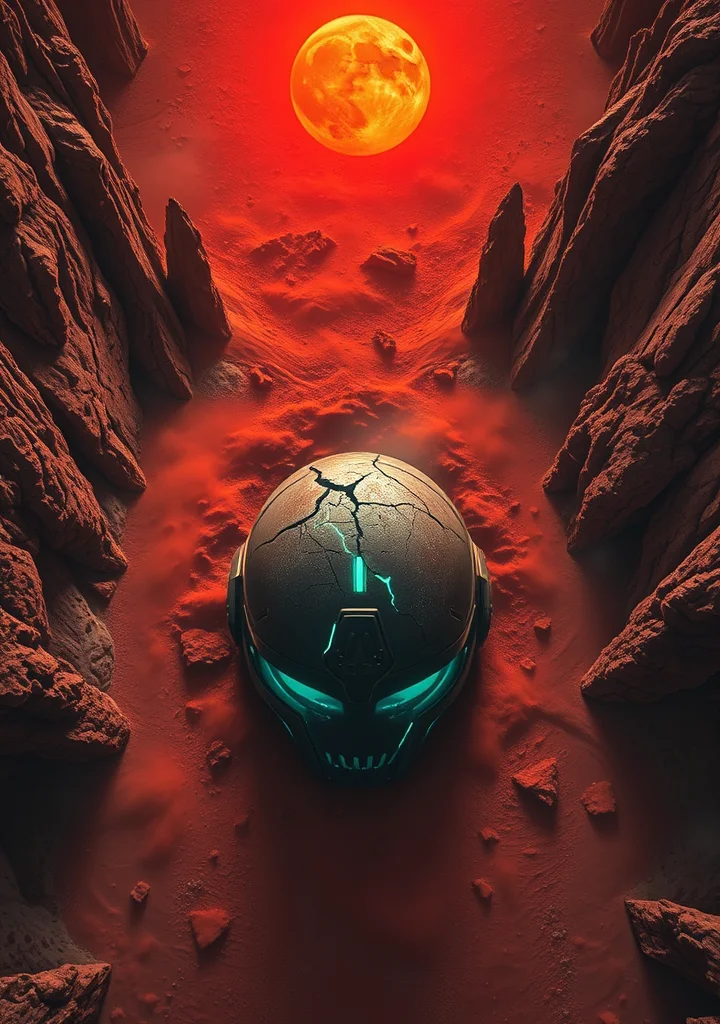
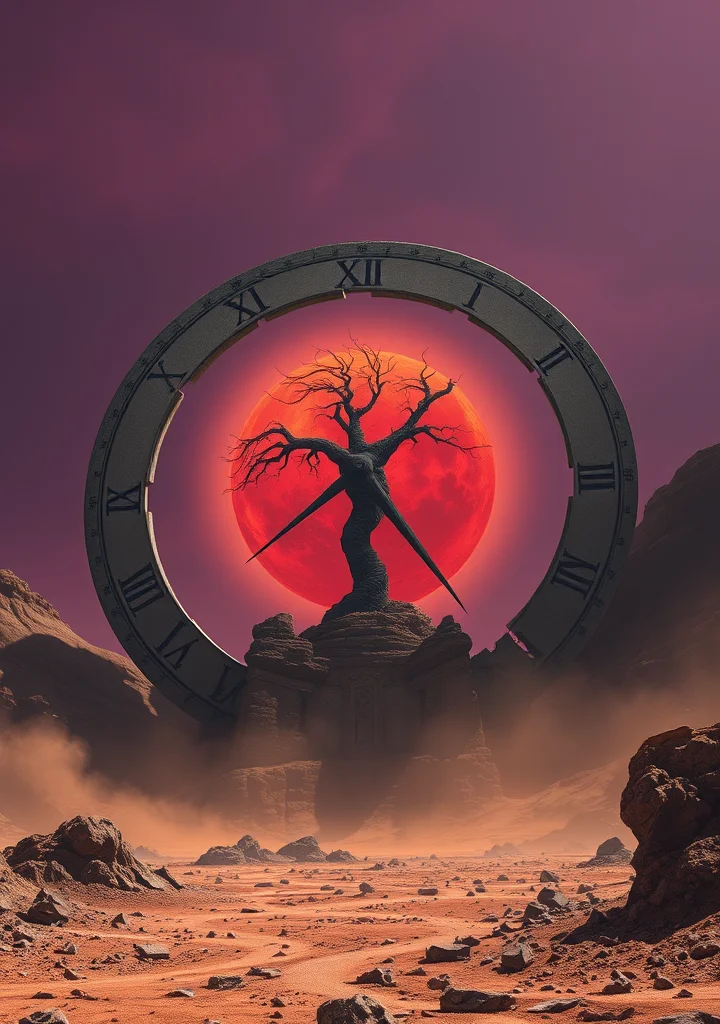
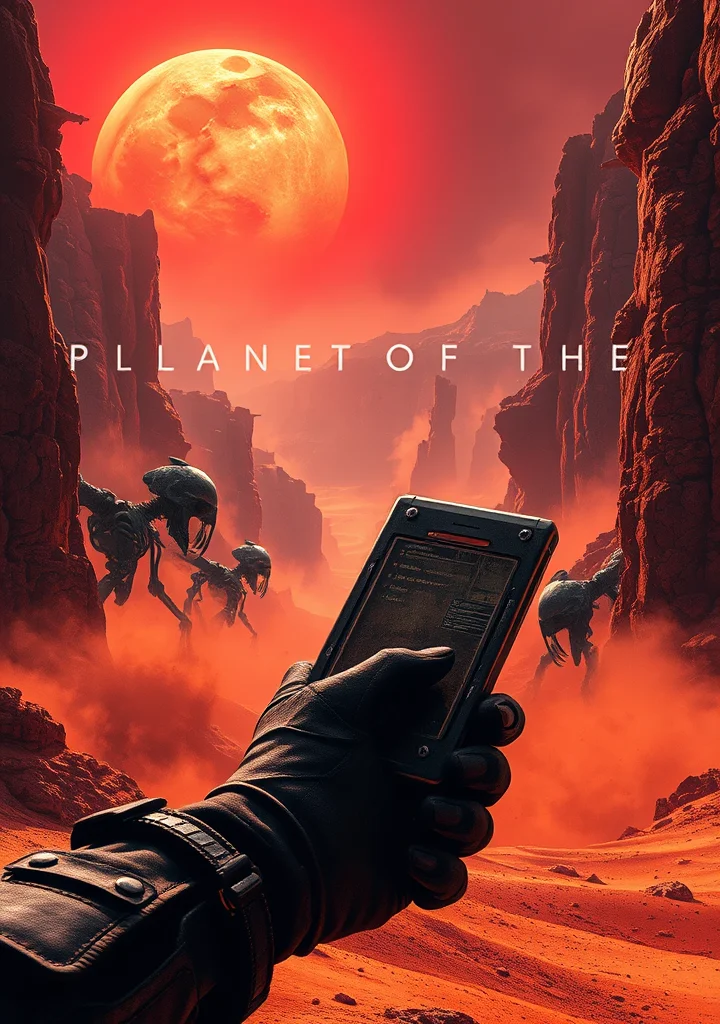
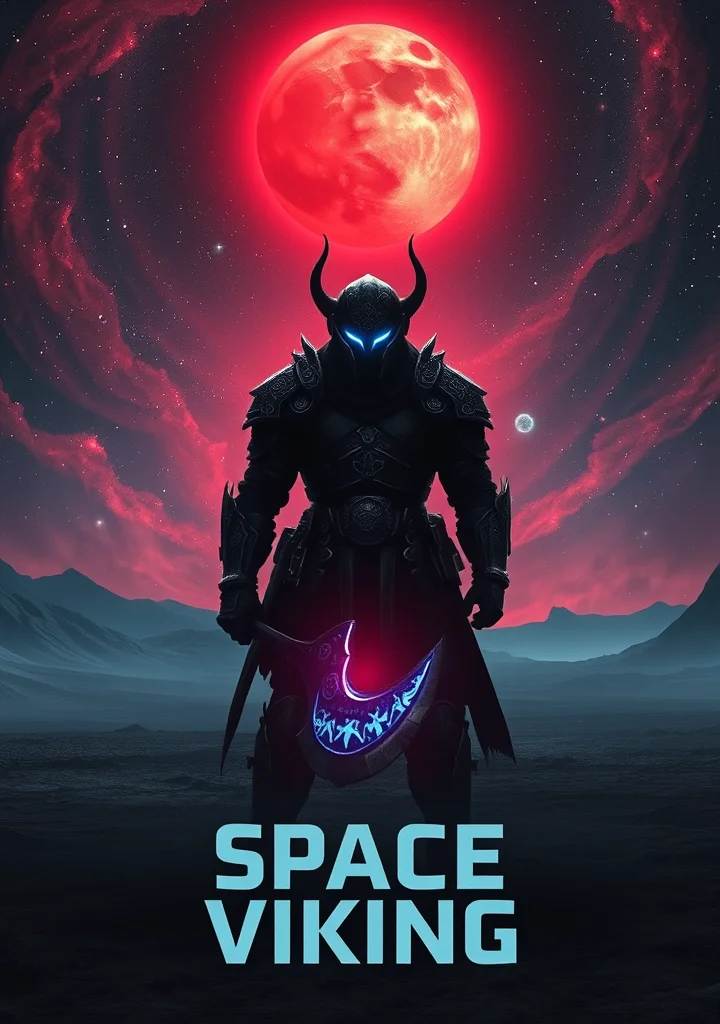
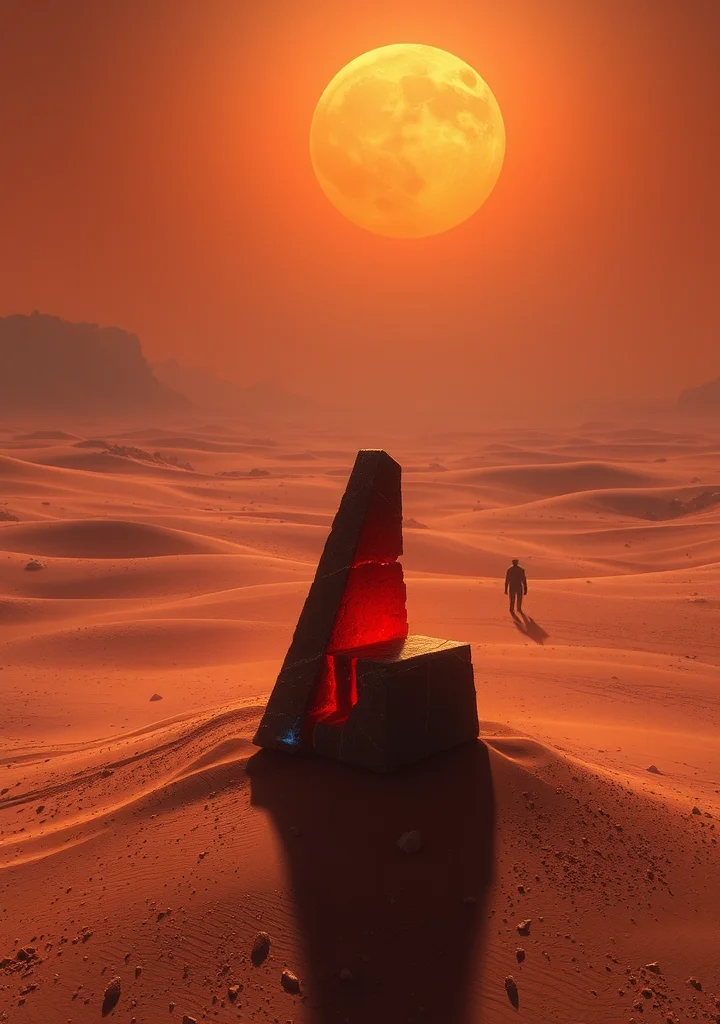
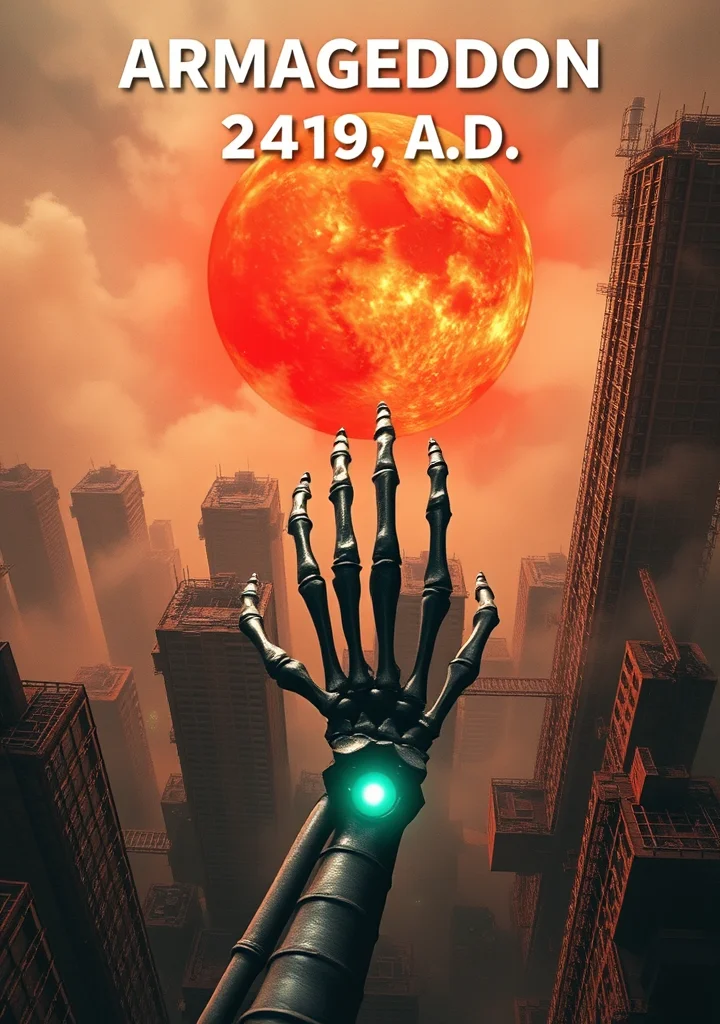
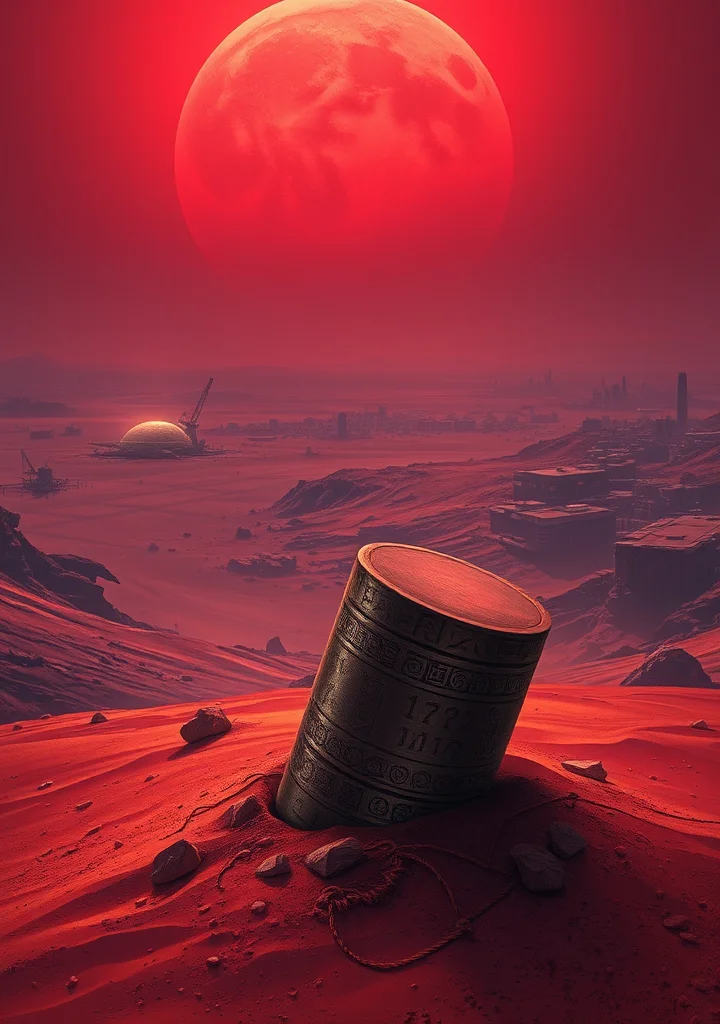
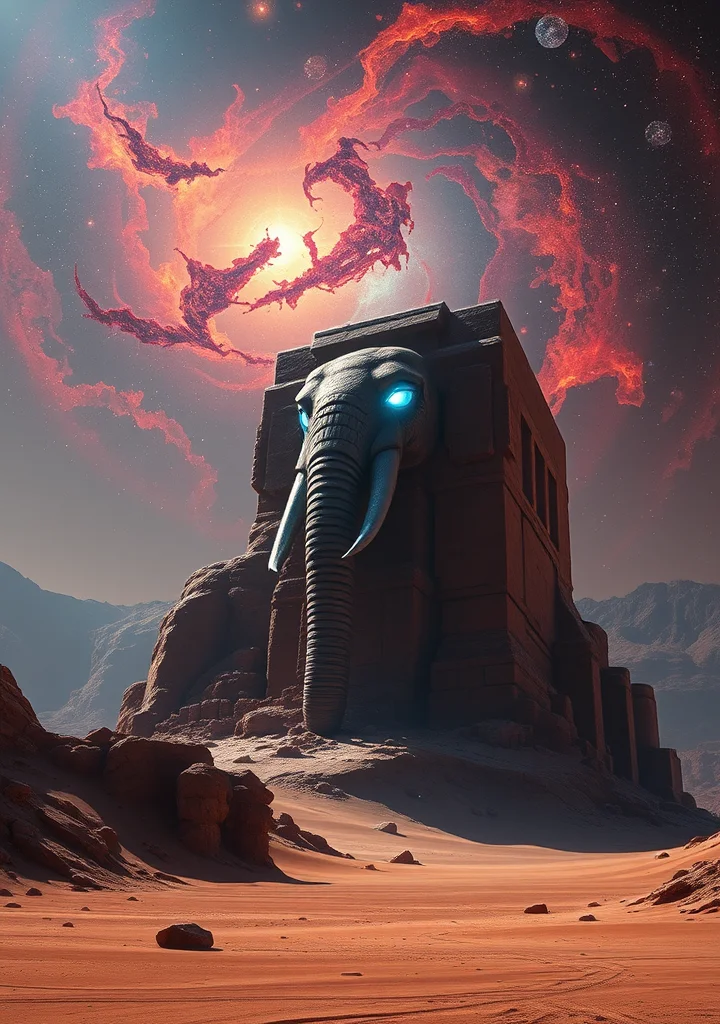
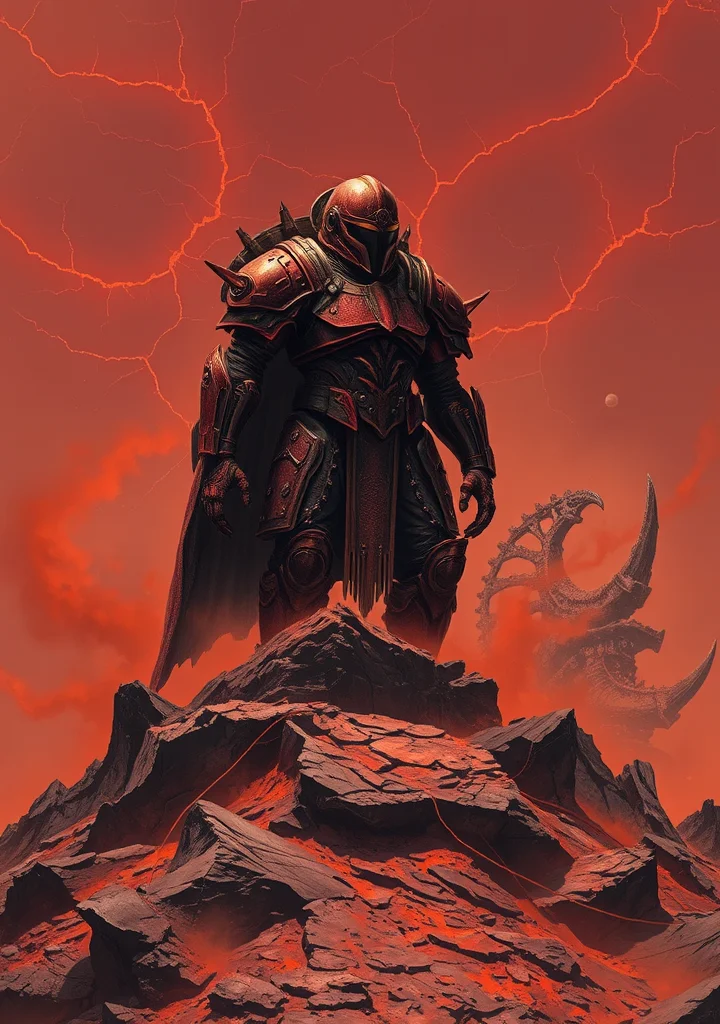
Crimson dust devils dance across a dying planet, haunted by the ghosts of a forgotten empire. Here, beneath a bruised and ochre sky, a warlord rises – not from the blood of Martians, but from the cold, calculating ambition of a man unbound by Earth’s frailties. He commands not with loyalty, but with fear, his armies forged from captured tribes and the broken remnants of a civilization crumbling under the weight of its own decay. The air hangs thick with the scent of ancient stone and the metallic tang of ritual sacrifice. Ruined cities, carved into the cliffs like skeletal fingers, whisper of a past swallowed by sandstorms and the slow, creeping madness of isolation. Within their shadowed chambers, forbidden technologies hum with a spectral energy, promising dominion over a world starved for power. He stalks through canyons echoing with the cries of chained beasts and the lamentations of his enemies, a figure both predator and phantom. The land itself seems to bleed with his presence, mirroring the violence he unleashes. A desolate grandeur clings to every crumbling tower, every desolate plain, as he carves a kingdom from the bones of a dead god. It is a reign built not on conquest, but on the erosion of hope, a slow, creeping darkness that consumes not just the bodies of men, but the very soul of Mars itself.
Copyright: Public Domain
This license allows anyone to use your story for any purpose, including printing, selling, or adapting it into a film freely.
Recommended for you
42 Part
A creeping dread clings to the Irish coast, thick as the bog mire that swallows men whole. Stephens weaves a tale not of heaven or hell, but of the liminal spaces between, where the remnants of ancient, pagan deities bleed into the fractured lives of mortals. The narrative unfolds within a suffocating village steeped in superstition, where whispers of forgotten gods stir in the peat smoke and the sea’s cold breath carries the scent of something older than time. Each character is a fractured vessel—a priest haunted by visions, a woman possessed by a spectral sorrow, a boy touched by the cold hand of the otherworld. Their desires, their failures, their very breaths seem drawn from the decaying grandeur of a lost age. The world isn’t simply haunted; it *is* haunting—a slow rot of the soul mirroring the crumbling stone circles and the drowned chapels swallowed by the relentless tide. The prose itself feels like unearthed bone, brittle and cold, layered with the scent of brine and decay. Stephens doesn’t offer salvation, only a glimpse into the echoing emptiness where the gods once walked, leaving behind only echoes of their power and the lingering stain of their absence. It’s a world where the boundaries between reality and nightmare blur, where every shadow holds a watchful eye, and the very earth seems to breathe with a mournful, forgotten hunger. The air tastes of salt and regret, and the story unfolds like a slow, inexorable drowning in the grey light of a dying world.
13 Part
Dust motes dance in the perpetual twilight of the Algerian Sahara, clinging to the crumbling adobe walls of a forgotten fortress. Here, amidst shifting dunes and whispers of ancient Berber lore, lies Khaled, a man bound by a pact with djinn and shadowed by a legacy of blood and sand. The air itself tastes of regret, thick with the scent of myrrh and the phantom cries of generations consumed by the desert’s hunger. Crawford weaves a narrative steeped in the oppressive heat, where loyalty is a brittle thing, and the line between the living and the damned blurs with each scorching sunrise. Khaled isn’t merely a man, but a vessel for a history of violence, haunted by the spirits of those he’s sworn to protect – or to betray. The fortress becomes a suffocating tomb, echoing with the weight of forgotten oaths and the slow decay of stone. Every shadow conceals a betrayal, every whisper carries the threat of a reckoning. The landscape itself becomes a character, mirroring the fractured soul of the man at its heart. Expect not grand spectacle, but the creeping dread of isolation, the suffocating weight of tradition, and the unnerving realization that the true monsters are not those lurking in the darkness, but those born from the sun-scorched earth and the silences between breaths. The story unfolds like a slow poison, seeping into the marrow of your bones until you, too, feel the weight of Khaled’s burden, the desert’s curse, and the chilling promise of oblivion.