
Khaled
  • 108
  • 0
  • 13
  • Reads 108
  • 0
  • Part 13
Completed, First published Mar 02, 2026

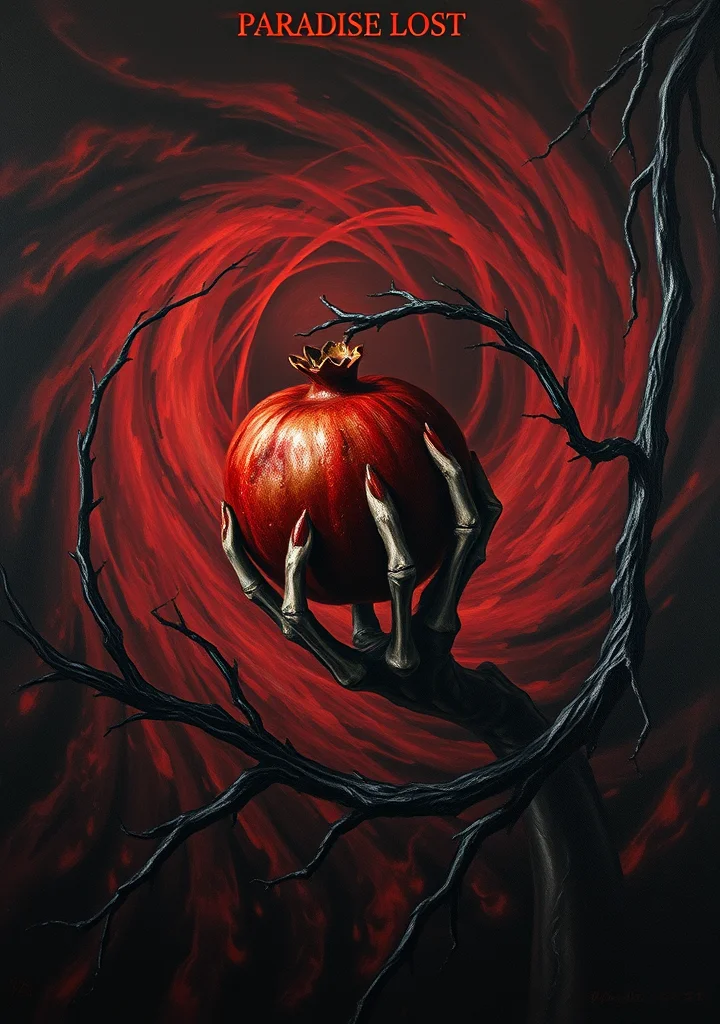
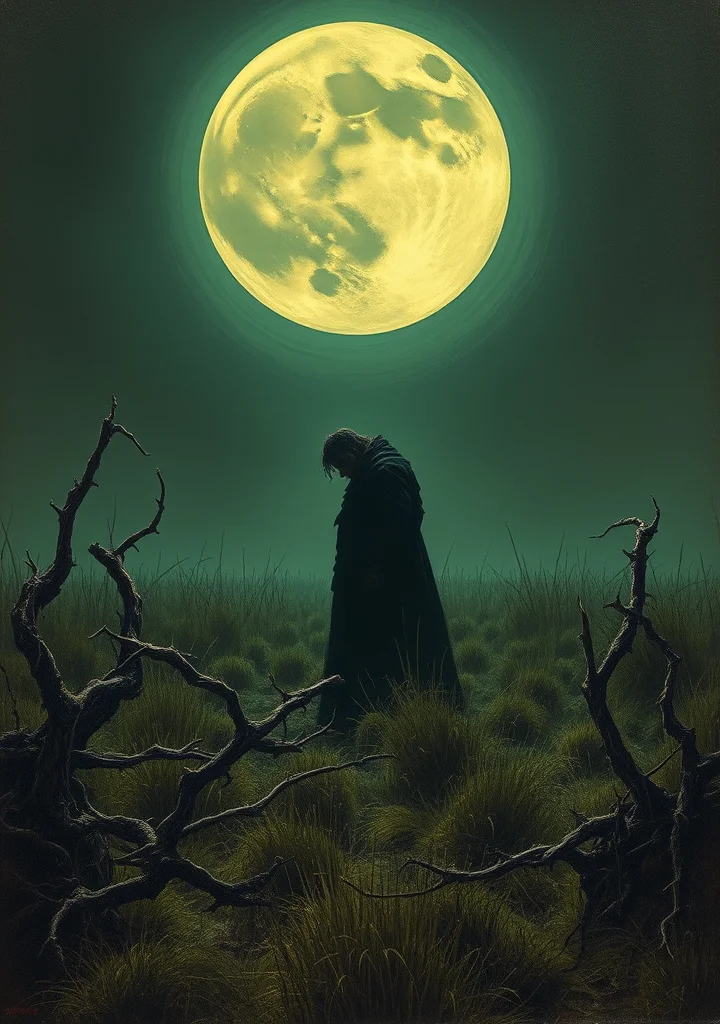
Dust motes dance in the perpetual twilight of the Algerian Sahara, clinging to the crumbling adobe walls of a forgotten fortress. Here, amidst shifting dunes and whispers of ancient Berber lore, lies Khaled, a man bound by a pact with djinn and shadowed by a legacy of blood and sand. The air itself tastes of regret, thick with the scent of myrrh and the phantom cries of generations consumed by the desert’s hunger. Crawford weaves a narrative steeped in the oppressive heat, where loyalty is a brittle thing, and the line between the living and the damned blurs with each scorching sunrise. Khaled isn’t merely a man, but a vessel for a history of violence, haunted by the spirits of those he’s sworn to protect – or to betray. The fortress becomes a suffocating tomb, echoing with the weight of forgotten oaths and the slow decay of stone. Every shadow conceals a betrayal, every whisper carries the threat of a reckoning. The landscape itself becomes a character, mirroring the fractured soul of the man at its heart. Expect not grand spectacle, but the creeping dread of isolation, the suffocating weight of tradition, and the unnerving realization that the true monsters are not those lurking in the darkness, but those born from the sun-scorched earth and the silences between breaths. The story unfolds like a slow poison, seeping into the marrow of your bones until you, too, feel the weight of Khaled’s burden, the desert’s curse, and the chilling promise of oblivion.
Copyright: Public Domain
This license allows anyone to use your story for any purpose, including printing, selling, or adapting it into a film freely.
Recommended for you
6 Part
A creeping dread clings to the shadowed streets of Paris, mirroring the decay within Béatrix’s very soul. Balzac doesn’t offer romance, but a slow, exquisite unraveling. The narrative coils around a young woman whose beauty is a fragile inheritance, purchased with a desperate bargain struck against a creeping, inherited malady. Her existence is a gilded cage, gilded with the sickly sheen of ambition and financed by a husband whose affections are as cold as the marble of his ancestral estate. The air within is thick with the scent of decaying fortunes, whispered debts, and the suffocating weight of societal expectation. Each gesture, each calculated smile, feels less like living and more like a performance staged for a ravenous audience. A pervasive sense of rot permeates every scene, not merely in the crumbling grandeur of the homes but in the hearts of those who inhabit them. The novel doesn't reveal monsters in the darkness, but exposes the monstrous compromises made in the light. The narrative is less concerned with what happens *to* Béatrix than with the subtle erosion of her spirit, a fading luminescence devoured by the insatiable hunger of the Parisian elite. It’s a story of exquisite confinement, where the only escape is a descent into a darkness more profound than the illness that threatens to consume her. The shadows lengthen, and with each passing chapter, one feels the tightening grip of a fate far more sinister than mere mortality.
21 Part
The crumbling Ralestone manor clings to the cliffs like a barnacle to a drowned wreck, perpetually shadowed by the bruised grey sky of the Northumbria coast. Within its damp stone walls, a legacy of misfortune doesn't merely linger, it *breathes*. Old Man Ralestone, they say, made a pact with the sea – trading generations of his family's prosperity for dominion over the treacherous currents. Now, his descendants inherit not wealth, but a creeping dread, a sense of being watched by something ancient and cold rising from the foam. The estate is choked with gnarled hawthorn and choked whispers of drowned sailors. Every high tide seems to drag a fragment of Ralestone's past – a chipped porcelain doll, a rusted fishing hook, a fragment of bone – to the shore. The manor house itself feels less like a dwelling and more like a lunging beast, its corridors twisting into labyrinthine shadows. A chilling, salt-laced wind howls through the empty hearths, carrying the echoes of broken promises and the scent of decay. Each room holds a portrait of a Ralestone, their faces gaunt and haunted, their eyes holding the same haunted recognition of a slow, inevitable sinking into the sea's grasp. The luck isn’t about winning or losing fortunes, but surviving until the next storm washes away another piece of the family’s sanity, leaving only the stones to remember their names. The very air is thick with the weight of a heritage that is not merely cursed, but *claimed* by the ocean’s hungry embrace.