
-
Read 337
-
0
-
Part 27
Completed, First published Mar 02, 2026
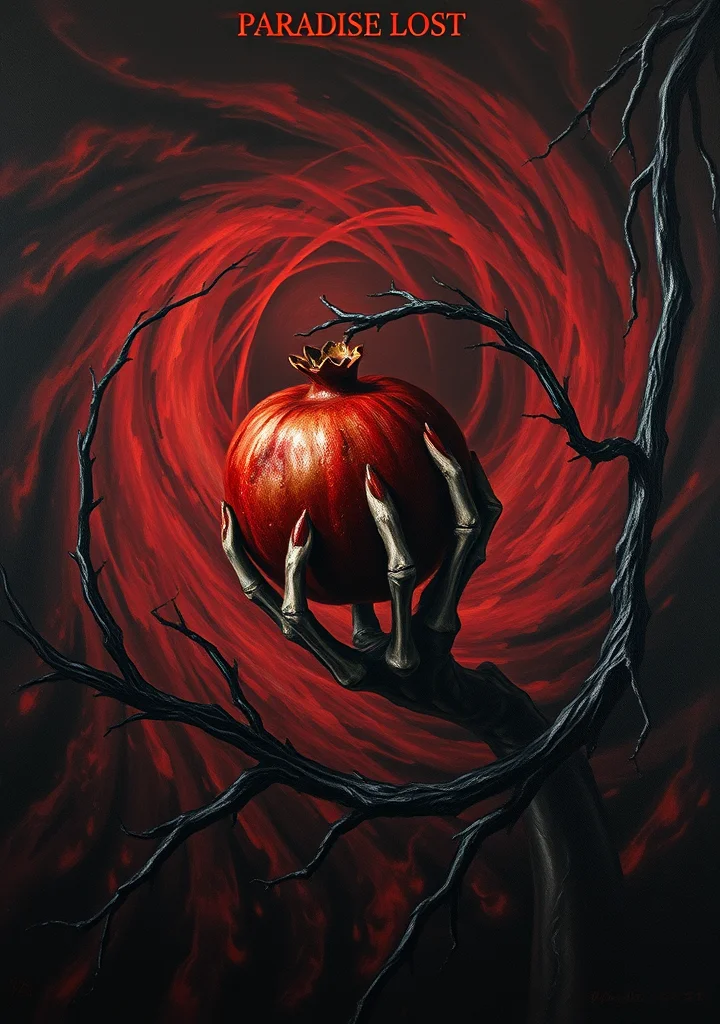
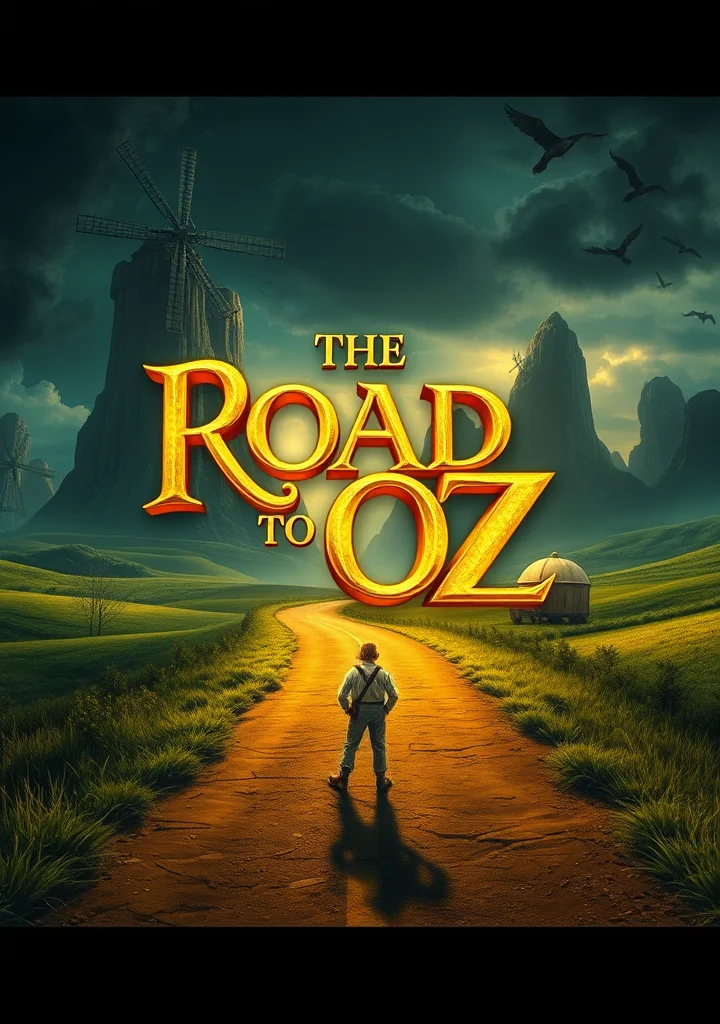
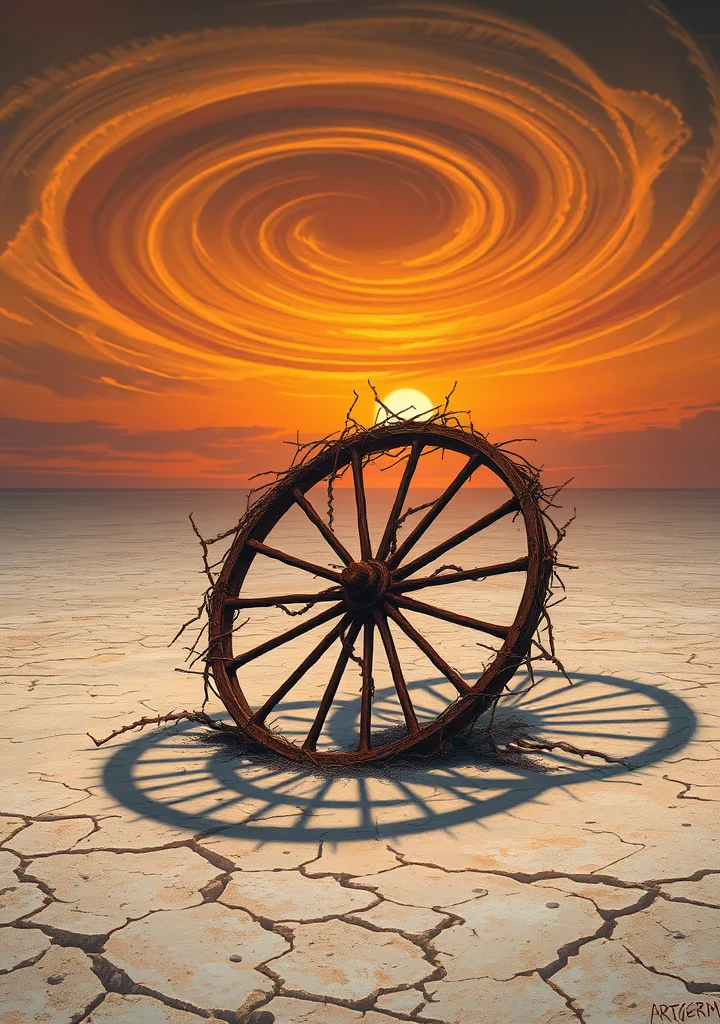
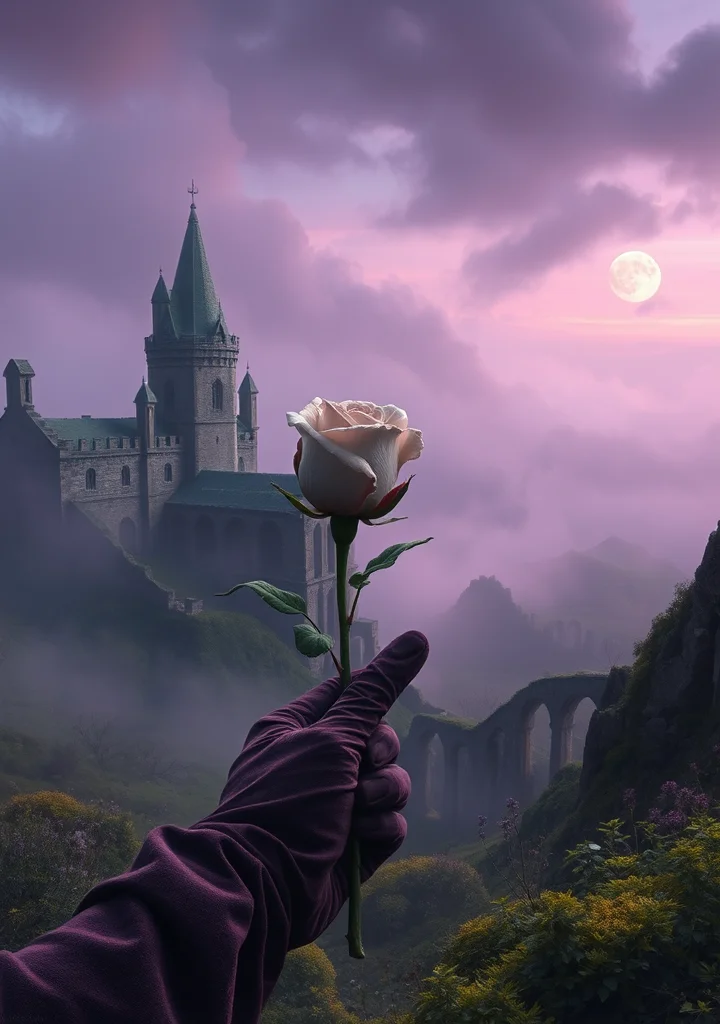
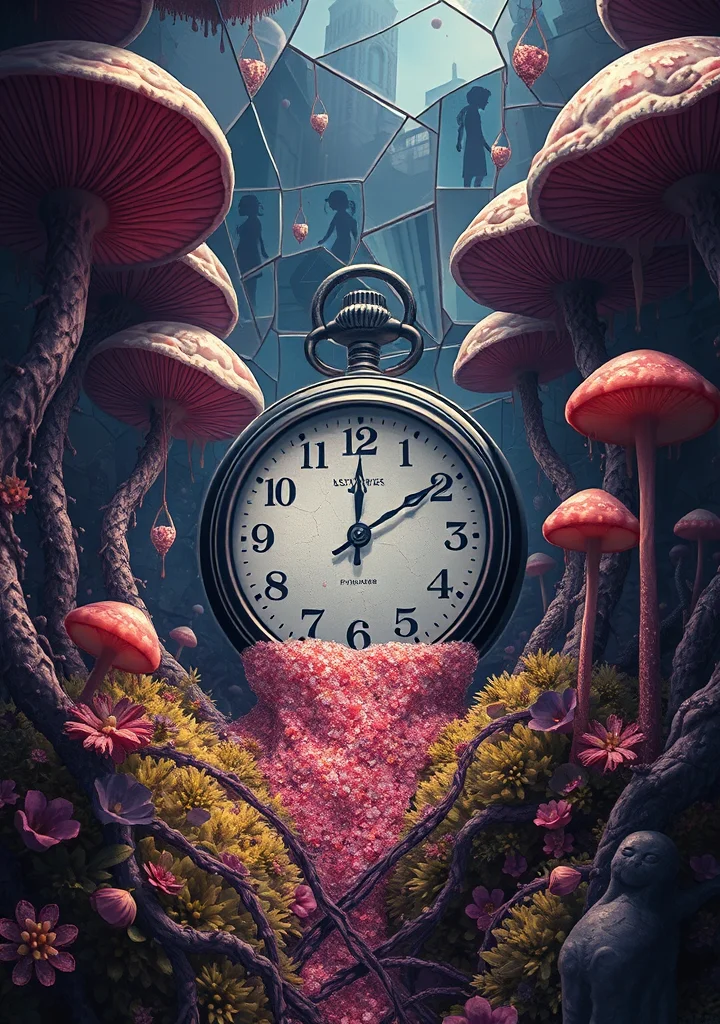
Dust-blown prairies bleed into swirling, emerald storms. A girl lifted from the grey monotony of a Kansas drought, carried not to paradise, but a fever-dream landscape stitched from longing and decay. The yellow brick road isn’t paved with gold, but with the brittle bones of forgotten hopes. Each step echoes with the rustle of unseen things in fields of poppies that promise oblivion.
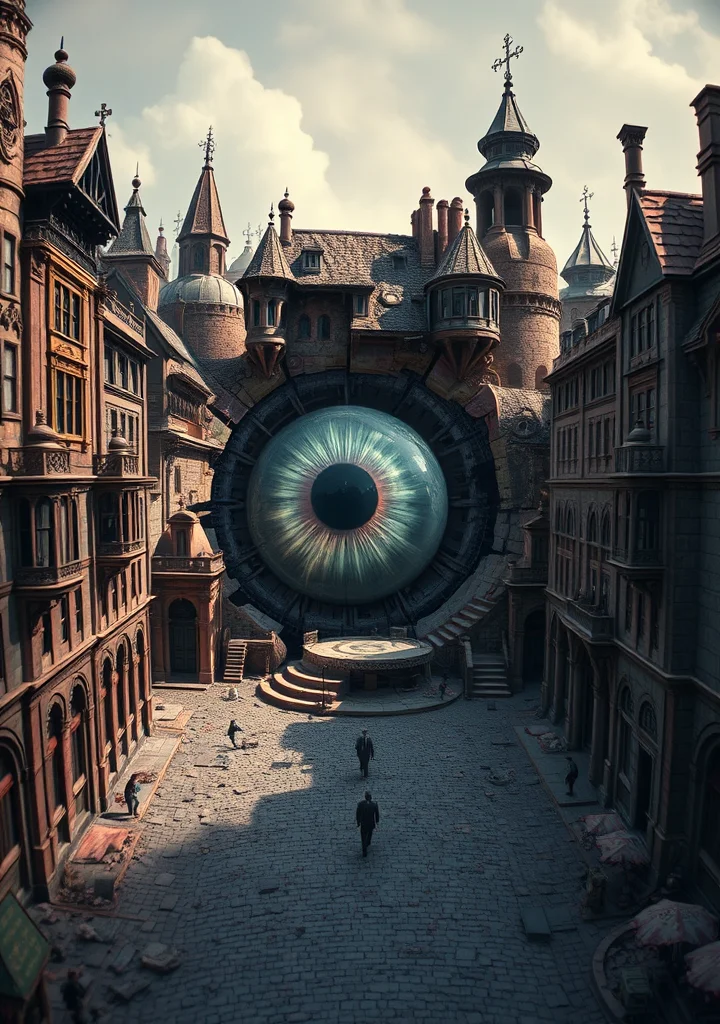
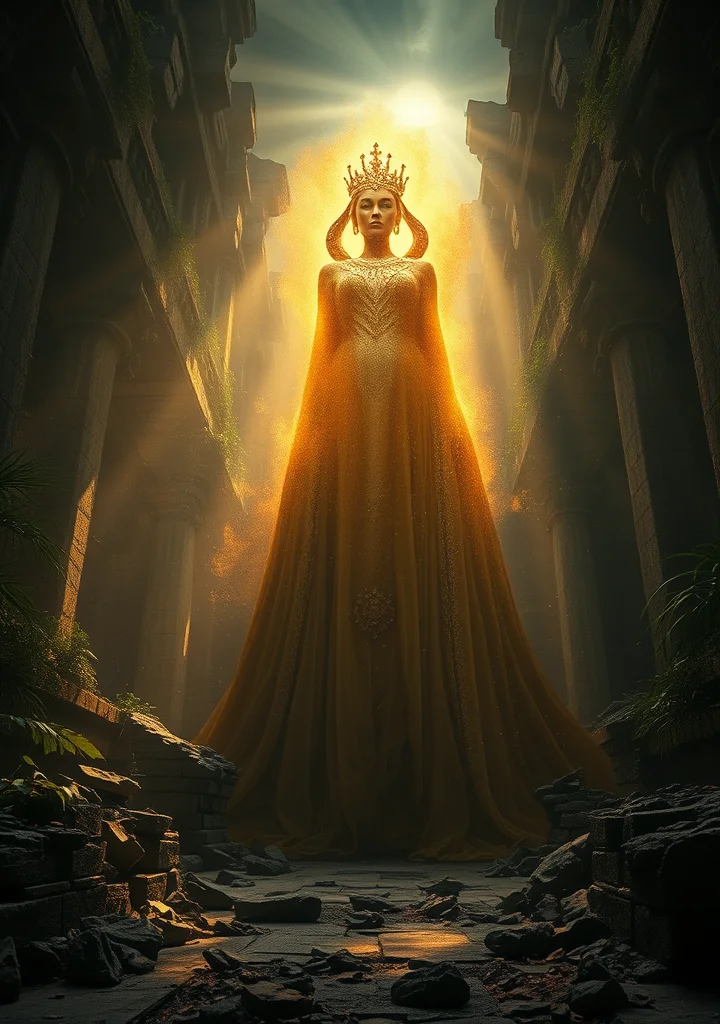
The Wizard’s city is a gilded cage, shimmering with illusion, concealing a heart of clockwork and regret. The creatures encountered are not benevolent, but desperate reflections of loneliness—a tin man corroded by grief, a scarecrow stuffed with the straw of lost intellect, a lion whose roar is only a lament.
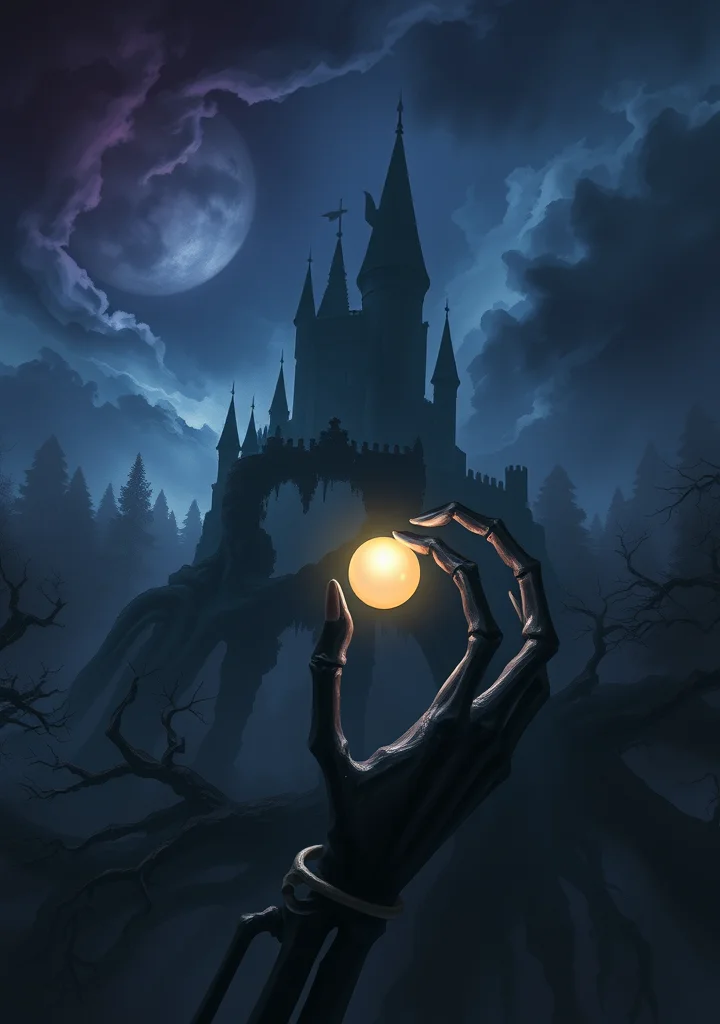
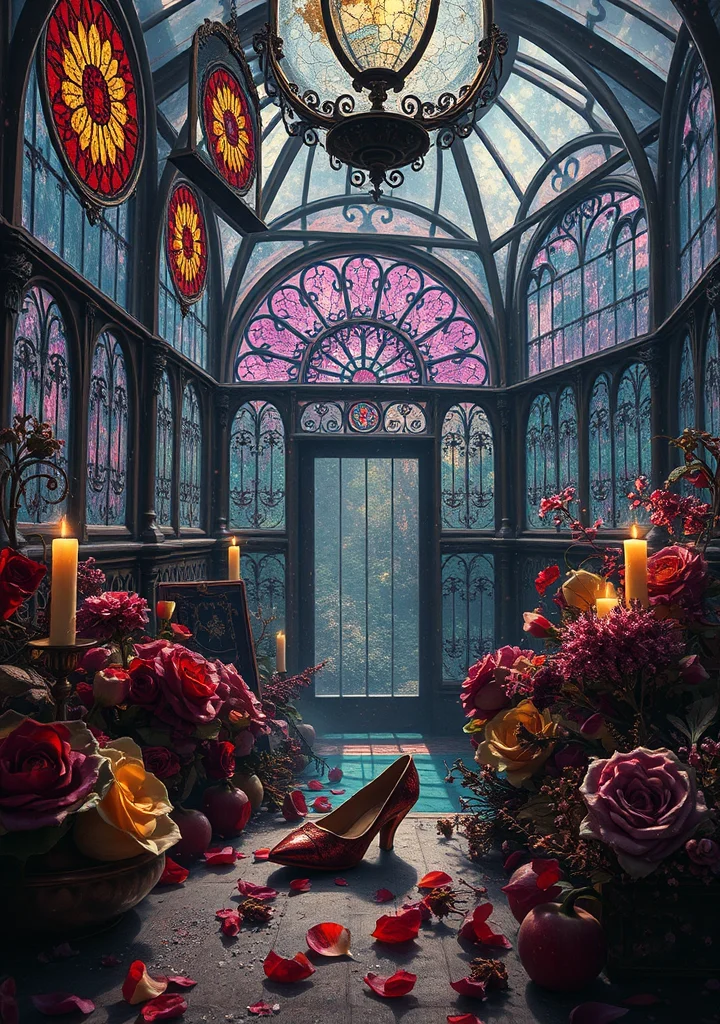
This is a land where wishes twist into thorns, and the magic feels less like enchantment and more like a desperate bargain struck with shadows. The emerald city breathes with a suffocating sweetness, and beneath the vibrant facade, the very air tastes of something lost, something *gone*. The return journey isn’t a homecoming, but a slow unraveling, a return to the monochrome reality haunted by the colors of a dream that might just be a fevered premonition of a deeper, darker void.
Copyright: Public Domain
This license allows anyone to use your story for any purpose, including printing, selling, or adapting it into a film freely.
This license allows anyone to use your story for any purpose, including printing, selling, or adapting it into a film freely.
More like this