
-
Read 515
-
0
-
Part 54
Completed, First published Mar 02, 2026
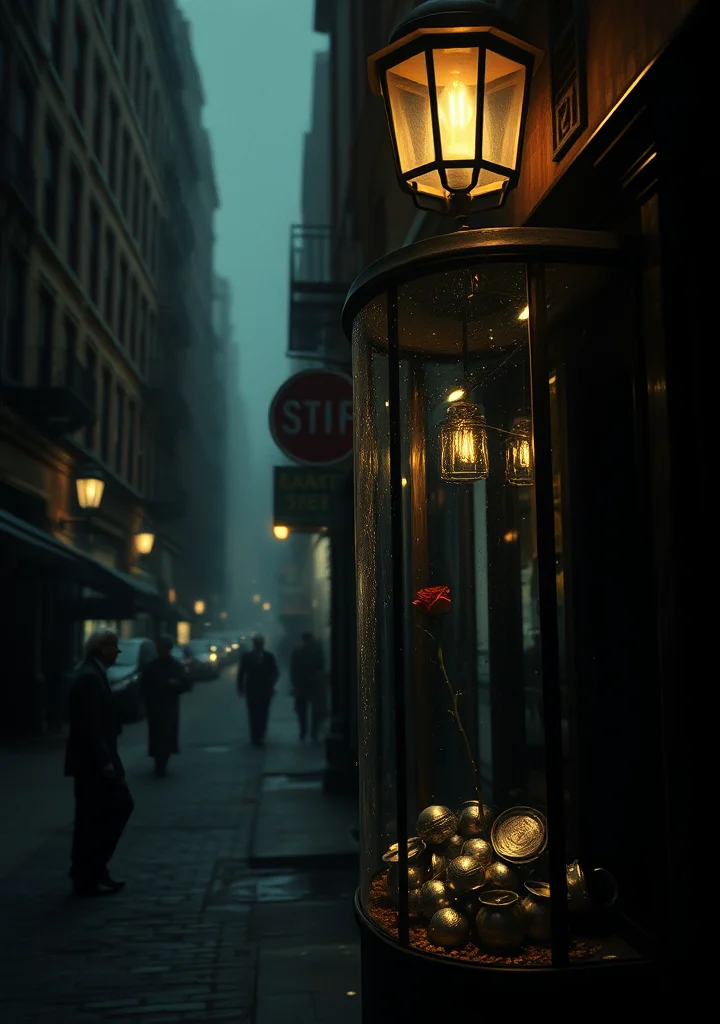
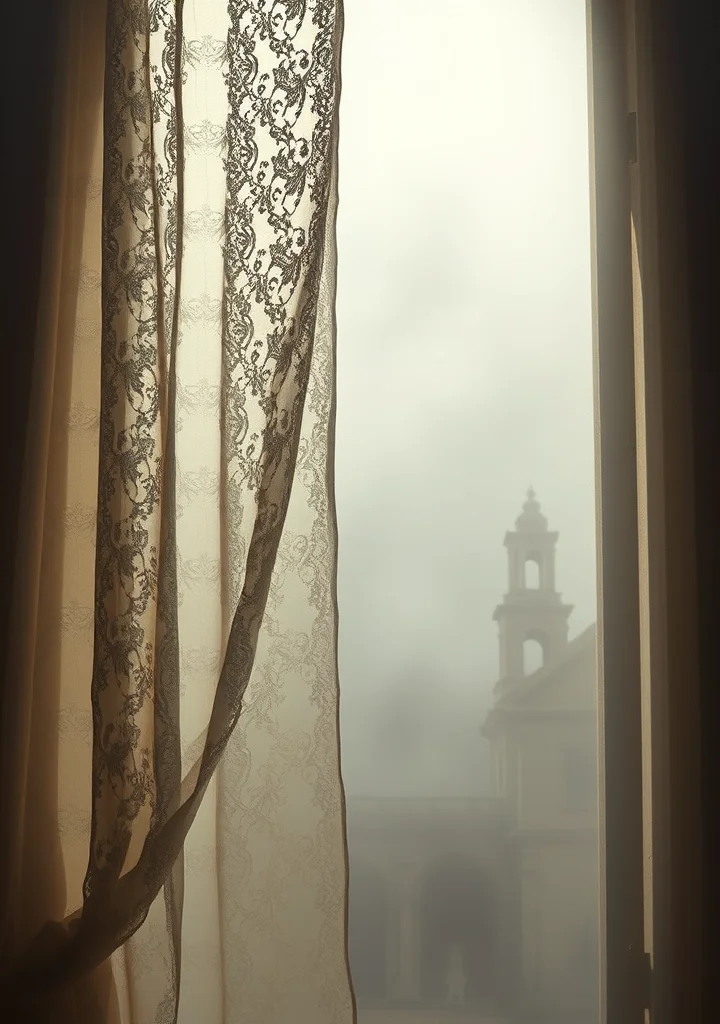
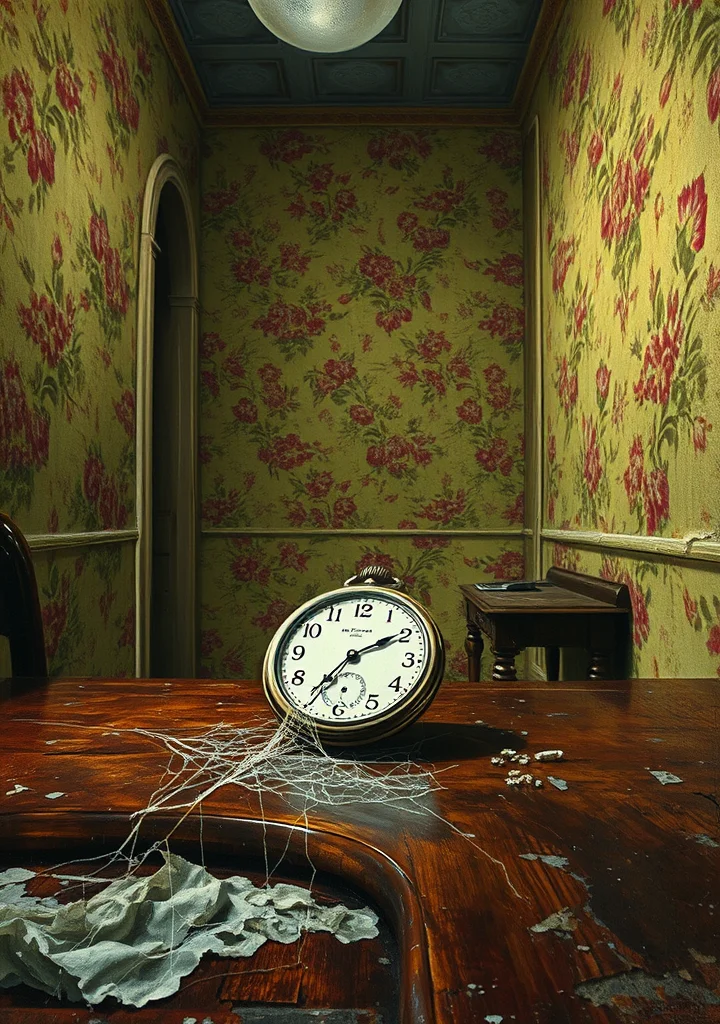
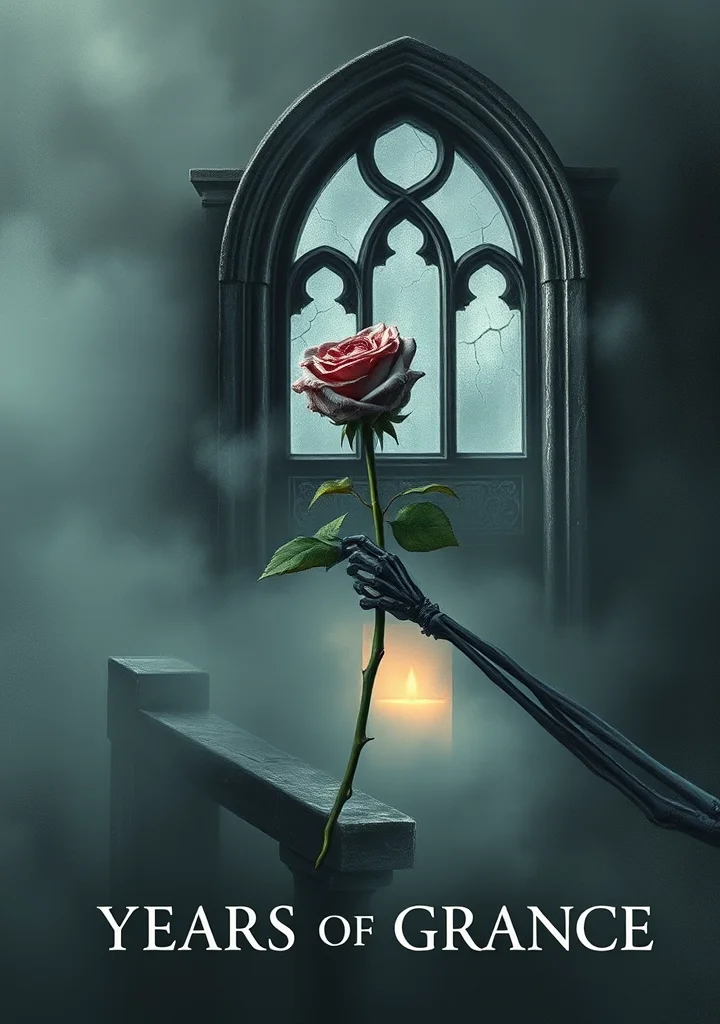
Dust hangs thick in the air, a sepia shroud over fields bleached white by sun and sorrow. Cane breathes with the languid heat of a dying season, a fractured hymn of lives splintered against the bone-dry earth of rural Georgia. The narrative unravels not as a story, but as a fever dream— fragments of faces glimpsed through gauze, the echo of laughter choked by kudzu vines, the scent of molasses and decay clinging to every shadowed corner.
Here, the boundaries between memory and desire dissolve into a haze of ritualistic longing. Men haunt the landscape like specters, their bodies sculpted from the very clay they toil in, driven by appetites that bloom and wither with the cotton’s slow rot. Women drift through these sun-drenched ruins, their voices laced with a melancholic grace that both lures and warns.
The weight of ancestral burdens—the whispered histories of stolen bodies and broken promises—presses down on every syllable. It is a world where the past isn’t merely remembered, but *felt*—a palpable ache in the blood, a phantom touch on the skin. Each vignette flickers like a dying ember, revealing glimpses of a fractured self, yearning for a wholeness that exists only in the amber glow of recollection. The cane fields themselves become a mausoleum, a testament to a lineage consumed by its own exquisite, agonizing bloom. It is a haunting, an invocation, a slow descent into the heart of a forgotten Eden.
Copyright: Public Domain
This license allows anyone to use your story for any purpose, including printing, selling, or adapting it into a film freely.
This license allows anyone to use your story for any purpose, including printing, selling, or adapting it into a film freely.
Chapter List
-
« Cane »📖 Continue Reading
-
« Chapter_3 »
-
« Chapter_4 »
-
« Foreword »
-
« Karintha »
-
« Karintha »
-
« Reapers »
-
« November Cotton Flower »
-
« Becky »
-
« Face »
-
« Cotton Song »
-
« Carma »
-
« Song of the Son »
-
« Georgia Dusk »
-
« Fern »
-
« Nullo »
-
« Evening Song »
-
« Esther »
-
« I »
-
« II »
-
« III »
-
« Conversion »
-
« Portrait in Georgia »
-
« Blood-Burning Moon »
-
« I »
-
« II »
-
« III »
-
« Seventh Street »
-
« Seventh Street »
-
« Rhobert »
-
« Avey »
-
« Beehive »
-
« Storm Ending »
-
« Theater »
-
« Her Lips Are Copper Wire »
-
« Calling Jesus »
-
« Box Seat »
-
« I »
-
« II »
-
« Prayer »
-
« Harvest Song »
-
« Bona and Paul »
-
« I »
-
« II »
-
« III »
-
« IV »
-
« Kabnis »
-
« Kabnis »
-
« I »
-
« II »
-
« III »
-
« IV »
-
« V »
-
« VI »
54
-
« Cane »
-
« Chapter_3 »
-
« Chapter_4 »
-
« Foreword »
-
« Karintha »
-
« Karintha »
-
« Reapers »
-
« November Cotton Flower »
-
« Becky »
-
« Face »
-
« Cotton Song »
-
« Carma »
-
« Song of the Son »
-
« Georgia Dusk »
-
« Fern »
-
« Nullo »
-
« Evening Song »
-
« Esther »
-
« I »
-
« II »
-
« III »
-
« Conversion »
-
« Portrait in Georgia »
-
« Blood-Burning Moon »
-
« I »
-
« II »
-
« III »
-
« Seventh Street »
-
« Seventh Street »
-
« Rhobert »
-
« Avey »
-
« Beehive »
-
« Storm Ending »
-
« Theater »
-
« Her Lips Are Copper Wire »
-
« Calling Jesus »
-
« Box Seat »
-
« I »
-
« II »
-
« Prayer »
-
« Harvest Song »
-
« Bona and Paul »
-
« I »
-
« II »
-
« III »
-
« IV »
-
« Kabnis »
-
« Kabnis »
-
« I »
-
« II »
-
« III »
-
« IV »
-
« V »
-
« VI »
More like this