
The Eight Strokes of the Clock
  • 143
  • 0
  • 12
  • Reads 143
  • 0
  • Part 12
Completed, First published Mar 02, 2026

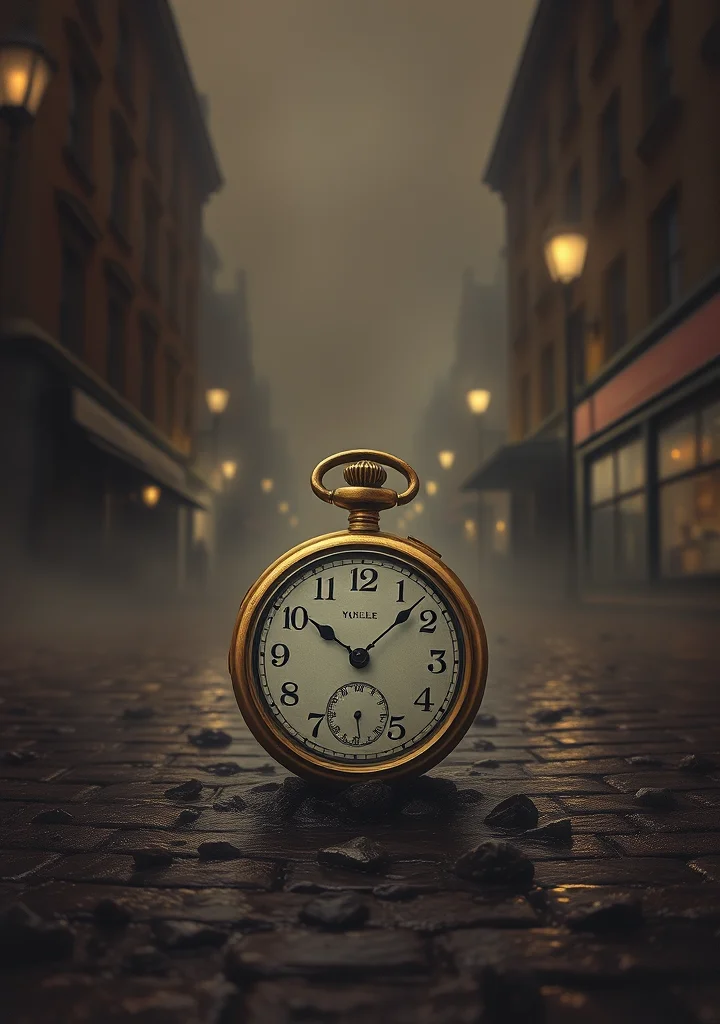
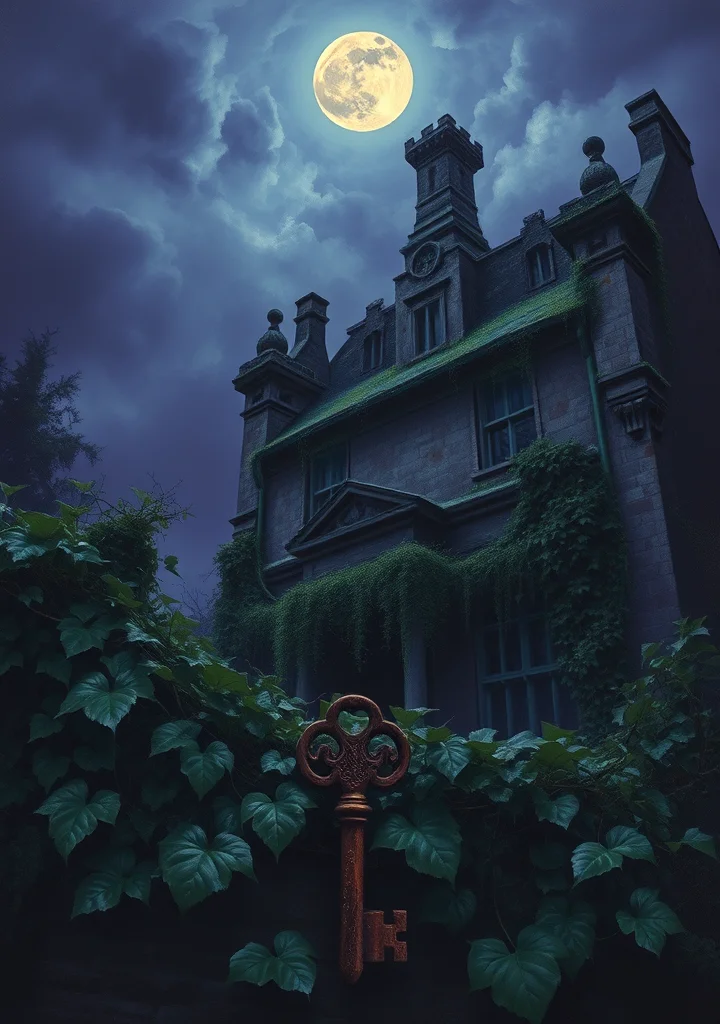
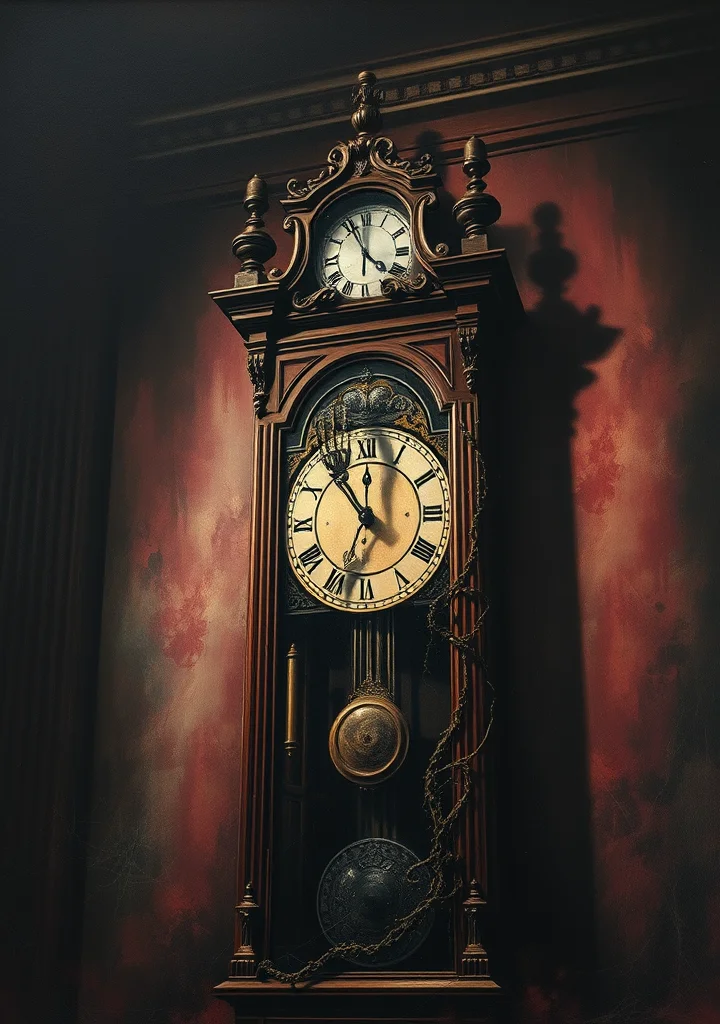
Dust motes dance in the perpetual twilight of the Leblanc estate, a crumbling manor where shadows cling to velvet draperies like mourners. Within its suffocating embrace, a lineage steeped in melancholic ritual unravels with each chime of the ancestral clock—a morbid heartbeat marking eight generations consumed by a singular, insidious obsession. The narrative bleeds into the very stone of the house, a slow corruption mirroring the decline of the family’s sanity. Each stroke of the clock doesn't measure time, but the fracturing of a soul, the unraveling of a legacy built on stolen breaths and whispered bargains with the encroaching darkness. A suffocating atmosphere of decay permeates every page, thick with the scent of wormwood and regret. The story unfolds through fragmented letters, fevered diary entries, and the increasingly erratic pronouncements of a caretaker haunted by echoes of the past. The estate itself becomes a character—a labyrinth of forgotten chambers and corridors where the air hangs heavy with unspoken horrors. The reader is drawn not towards resolution, but towards a descent into the heart of a madness that breeds in isolation, where the only true company is the relentless ticking of the clock and the chilling realization that the estate doesn't merely *contain* its ghosts—it *creates* them. The prose is a tapestry of dread, woven with the delicate threads of a family slowly dissolving into the very fabric of the house, swallowed by the echoes of eight strokes that herald not the hour, but oblivion.
Copyright: Public Domain
This license allows anyone to use your story for any purpose, including printing, selling, or adapting it into a film freely.
Recommended for you
33 Part
Dust motes dance in the perpetual twilight of a decaying Italianate palazzo, mirroring the spectral ambitions of the self-styled Emperor Hadrian. A fever-dream of aesthetic obsession, the novel unfolds through the brittle correspondence of a man consumed by a vision of restored glory—a baroque, melancholic Rome resurrected through his own meticulously curated existence. Each letter breathes the scent of incense and decay, of crumbling marble and the stifled sighs of a servitude born of artistic vanity. The air hangs thick with regret, with the weight of unfulfilled desire, and the gnawing loneliness of a man who has built his empire on the shifting sands of delusion. A creeping dread permeates the narrative, not of overt horror, but of a slow, exquisite unraveling. The palazzo itself becomes a character—a suffocating labyrinth of shadowed galleries and forgotten chambers, reflecting the labyrinth of Hadrian’s own mind. He is both architect and prisoner, a gilded cage of his own making. The prose, brittle and mannered, mimics the fragility of the objects he collects—antique reliquaries, faded tapestries, and the hollowed-out faces of those who attend his spectral court. A sense of stifled violence lingers beneath the surface, the unspoken price of beauty, the rot hidden within the gilded frame. The story is not one of grand spectacle, but of insidious decay, a slow, elegant poisoning of the soul. It is a whisper of madness, echoing through the empty corridors of a life spent chasing shadows.

384 Part
A chill wind whispers across the vast, snow-laden estates of Russia, carrying with it the scent of decaying grandeur and unspoken desires. Eugene Onegin unfolds as a spectral lament, a dance between ennui and icy longing. The narrative drifts through opulent St. Petersburg salons and desolate country landscapes, mirroring the fractured heart of its titular anti-hero. A suffocating weight of societal expectation hangs over every gilded ballroom and frozen field, breeding a pervasive melancholy that clings to the ornate interiors like frost. The story unfolds not as a rush of events, but as a slow bleed of regret, observed through the gauze of memory and regret. The characters—polished, brittle, and haunted by their own reflections—move within shadowed chambers and moonlit gardens, their passions stifled by convention. A creeping sense of doom pervades the narrative as love, ambition, and social alienation intertwine, culminating in a tragedy born not of dramatic outburst, but of quiet desperation. The prose itself breathes with the stillness of a winter forest, each phrase meticulously crafted to evoke the cold beauty of the Russian landscape and the frigid indifference of its aristocracy. It is a world of half-tones and whispered secrets, where the shadows lengthen with each passing year and the weight of unfulfilled longing threatens to consume all who dare to seek happiness within its borders. The narrative is less a tale of action, and more a haunting echo of what could have been, lingering in the frosted breath of a forgotten age.
34 Part
A suffocating humidity clings to the Louisiana sugarcane fields, thick as the bloodlines twisted by ownership. Clotel, born into a gilded cage of false promise, drifts through shadowed parlors and decaying grandeur, a living ghost haunting the periphery of white desire. The narrative unravels like Spanish moss from a crumbling portico, revealing a landscape not of romance, but of insidious ownership masquerading as affection. Each stolen glance, each whispered secret, festers in a world where beauty is a commodity, and a woman’s worth measured by the curve of her hip and the color of her skin. The story descends into a labyrinth of inherited sorrow, tracing the fractured lives of those deemed property, their identities splintered and sold with the auctioneer’s hammer. A pervasive dread bleeds from the pages—not of overt violence, but of a slow, insidious erosion of self, a haunting stillness punctuated by the crack of the whip and the stifled cries of the enslaved. Even as Clotel’s journey carries her across borders, into the heart of the nation’s capital, the weight of her past—and the chains that bind her—never fully lift. The narrative becomes a shadowed reflection of a nation built on stolen dreams, where escape offers only the illusion of freedom, and every sanctuary holds the scent of betrayal. The final chapters echo with the hollow resonance of loss, a descent into a darkness as complete as the burial of a forgotten name.
31 Part
A creeping fog clings to the cobbled streets of Windsor, thick with whispers of discontent and shadowed desires. Though laughter rings from the alehouses, it’s a brittle sound, echoing off the damp stone walls of houses where secrets fester like rot beneath floorboards. Mistress Page and Mistress Ford, pillars of their small society, find their lives curdled by a cunning malice – a desperate, disguised man, fueled by wounded pride and fueled by envy. The air smells of woodsmoke and simmering resentment, and the scent of roses in their gardens is tainted by the thorns of suspicion. The play unfolds not as merriment, but as a tightening snare. Every jest feels laced with threat, every shared confidence a potential betrayal. Sunlight feels weak and sickly, unable to penetrate the gloom that clings to the characters, mirroring the darkness within their hearts. The forest surrounding Windsor becomes a labyrinth of anxieties, where the shadows dance with the phantom of a cuckolded husband, driven to madness by the possibility of deceit. Even the fool's antics feel edged with desperation, mirroring the frantic attempts to keep a crumbling facade of respectability intact. The play is a slow suffocation under the weight of societal expectation, where the merriment is a desperate, feverish attempt to ward off a lurking dread. It's a world where a stolen glance, a whispered word, can unravel lives and leave only the hollow echo of broken trust.