
Captain Blood
  • 176
  • 0
  • 32
  • Reads 176
  • 0
  • Part 32
Completed, First published Mar 02, 2026

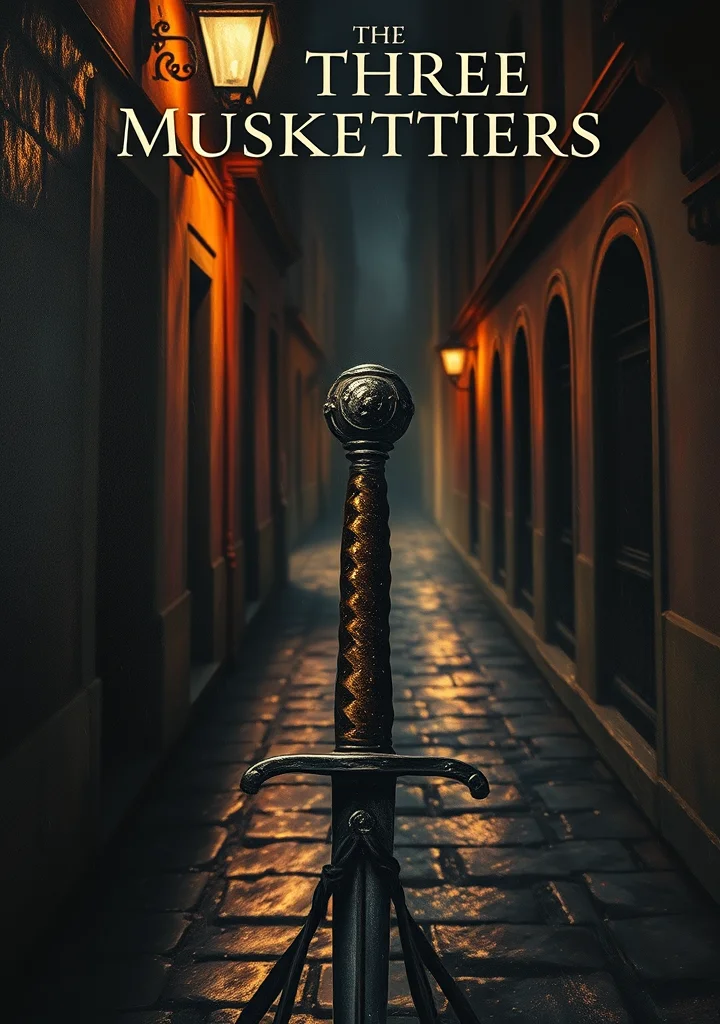
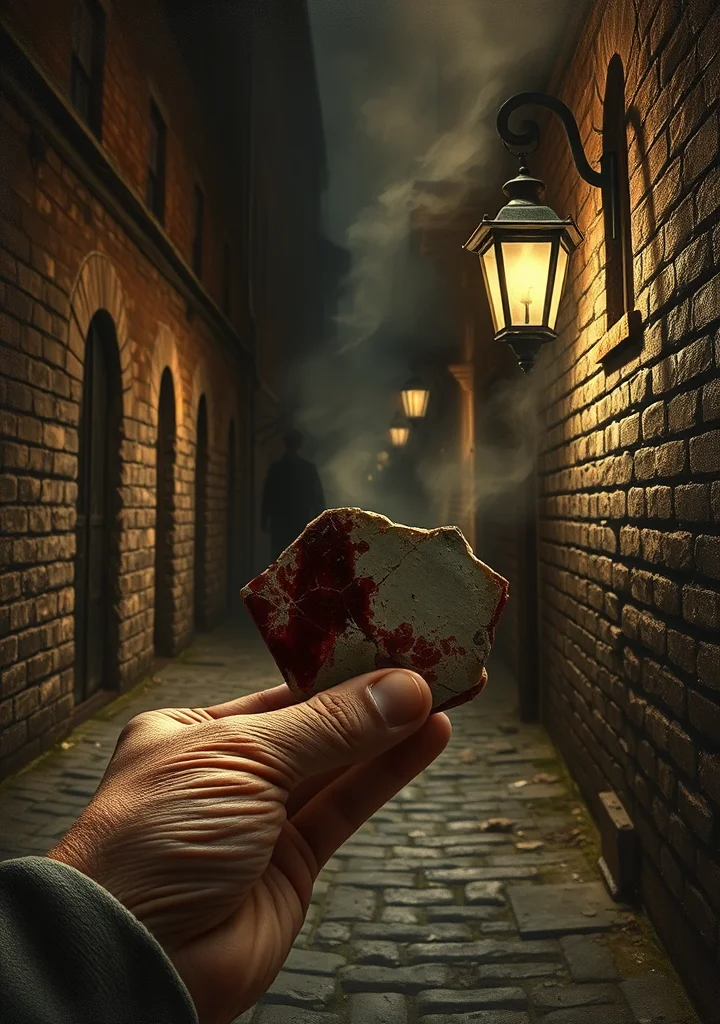
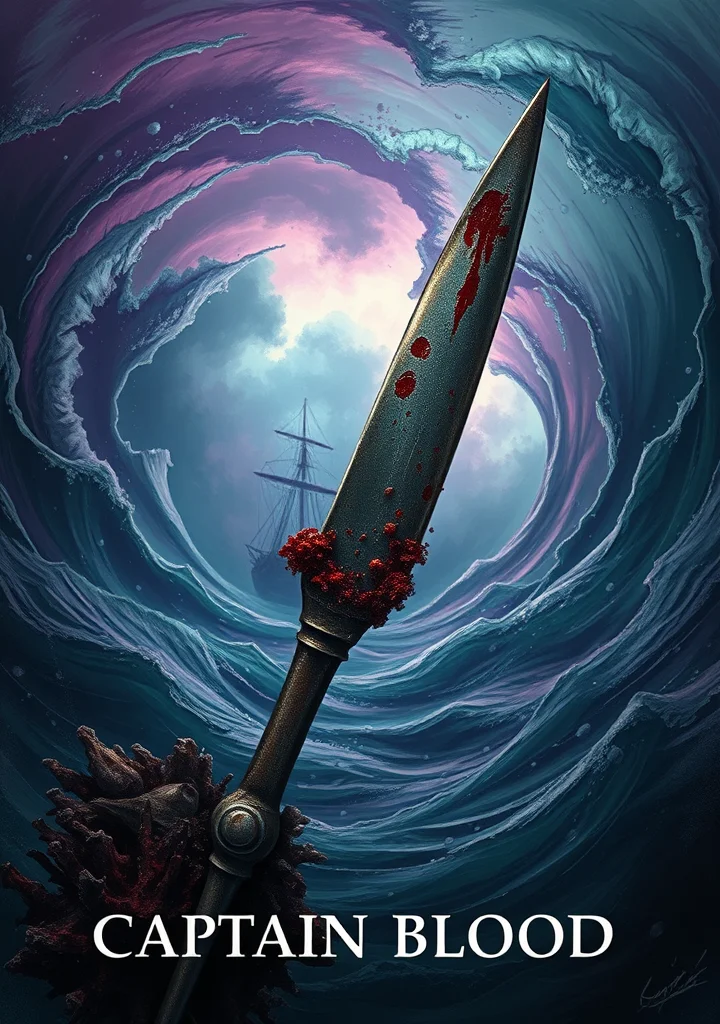
Salt hangs thick in the air, a brine-soaked grief clinging to the timbers of forgotten ships and the shadowed alleys of Port Royal. Captain Blood isn’t merely a pirate tale, but a descent into a bruised and fevered Caribbean, where honor bleeds into savagery with each lash of the cat o’ nine tails. The story unfolds under a sky perpetually bruised purple, mirroring the rage simmering within Peter Blood, a physician unjustly branded a criminal. He stalks the Spanish Main not for gold, but for a reckoning, his phantom fleet draped in the crimson of sunset and the black of vengeance. Every raid is a violation, a brutal ballet performed against the backdrop of decaying grandeur. The scent of gunpowder mingles with jasmine and decay, clinging to the humid air. The narrative coils tight around the claustrophobia of shipboard life, the creak of rigging a constant, unsettling heartbeat. Blood’s crew are specters born of desperation, their faces gaunt and haunted by the ghosts of fortunes lost. The true terror isn’t the clash of steel, but the creeping realization that even in this gilded age of piracy, a man can be utterly consumed by the darkness he seeks to defy. The ocean itself is a predator, and Blood, magnificent and terrible, has become its most alluring lure. A chilling elegance pervades the story, a sense of doom woven into every stolen jewel and whispered command.
Copyright: Public Domain
This license allows anyone to use your story for any purpose, including printing, selling, or adapting it into a film freely.
Recommended for you
11 Part
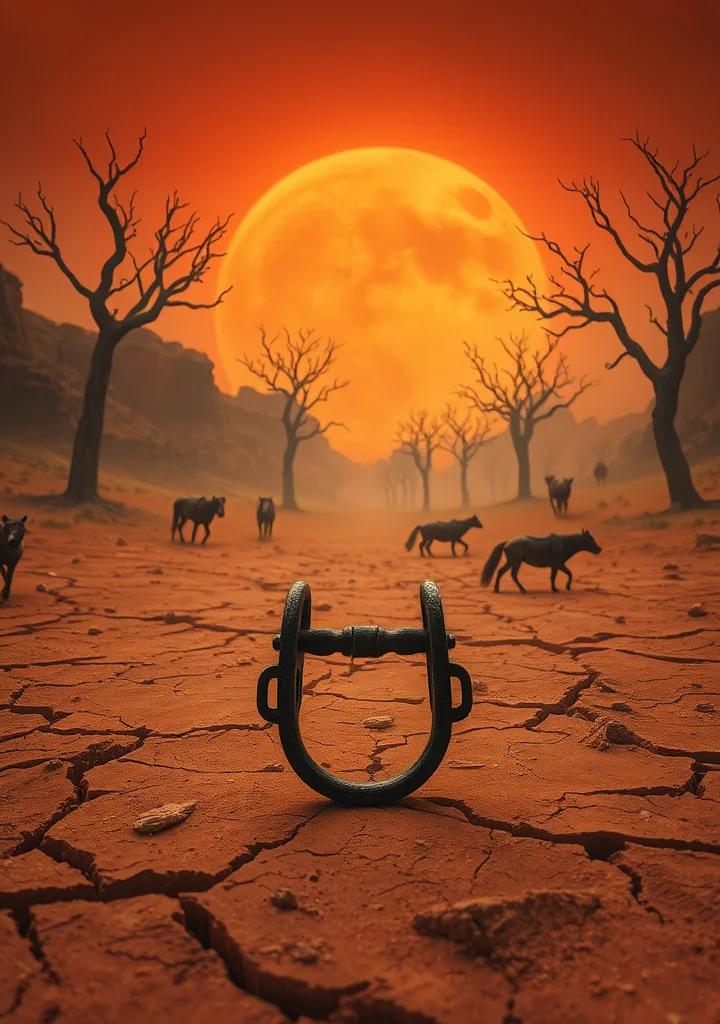
Dust clings to the sun-bleached plains of colonial Australia, mirroring the grit lodged in the throat of Thomas Mitchell, the narrative’s wandering, self-proclaimed “Philosopher.” The air shimmers with heat and the weight of unspoken histories – not grand, heroic ones, but the stifling, stifled lives of men building a nation on borrowed land. This isn’t a story of adventure, but of attrition. A slow, creeping erosion of spirit as Mitchell, and the ghosts of those he encounters – miners, shearers, the broken-hearted – trudge through a landscape both vast and suffocatingly intimate. The novel exhales a melancholic haze, thick with the scent of eucalyptus and the metallic tang of regret. It’s a world where language itself is a burden, a clumsy tool to articulate the aching emptiness of existence. Shadows stretch long and lean across the scrub, mirroring the anxieties of a society grappling with its nascent identity. A sense of profound isolation permeates every page, not from physical distance, but from the unbridgeable gulf between one man’s consciousness and another. There’s a pervasive unease here, a quiet dread woven into the fabric of the mundane. The cattle stations become purgatories, the billabongs reflect not beauty, but a shimmering, watery despair. It's a world where the only true monument is the accumulation of failure, the weight of dreams that sink into the red earth, indistinguishable from the dust they came from. The narrative doesn't rush forward; it lingers, suffocates, until you feel the same exhaustion as the men who built the roads and fences that define their own, inescapable prisons.


19 Part
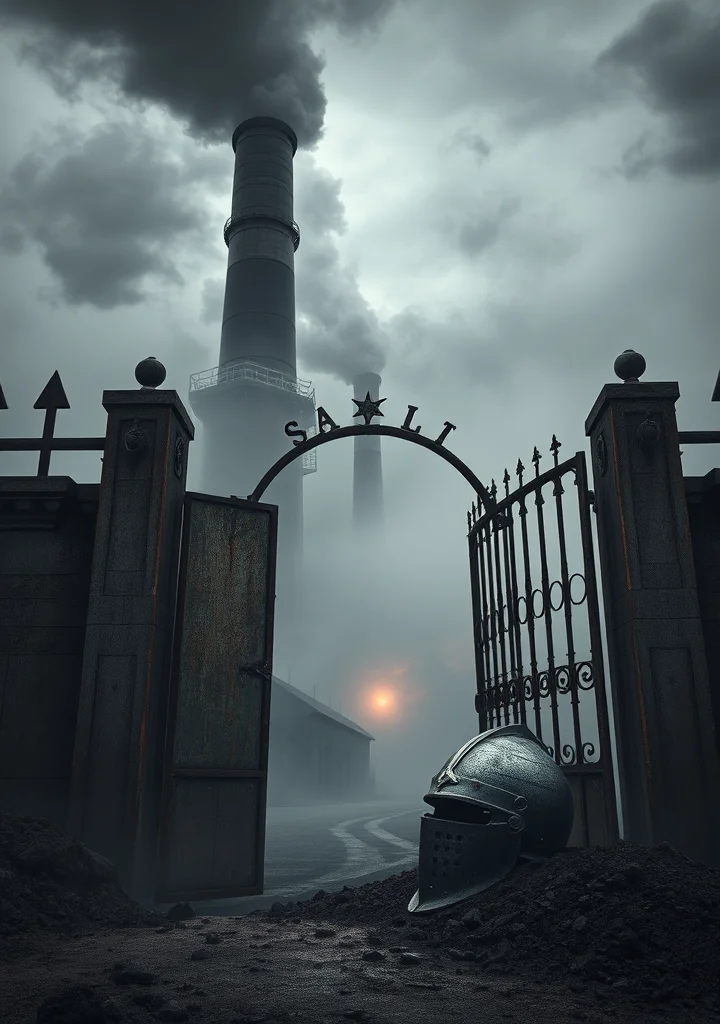
Beneath the sun-bleached stones of Sicily, a shadow descends. Not of bandits or political intrigue, but a creeping dread woven into the very fabric of ancient villas and crumbling chapels. The narrative unfolds within a labyrinth of sun-drenched courtyards concealing forgotten histories, and the scent of jasmine masking the rot of decaying grandeur. A young Englishwoman, adrift in a land of simmering passions and veiled secrets, finds herself drawn into a family’s fractured legacy—a legacy haunted by whispers of a tragic past. The air hangs thick with the weight of unfulfilled desires, and the heat breeds not just fever, but a suffocating claustrophobia. Each crumbling archway seems to observe, each darkened corridor to breathe with the ghosts of those who succumbed to melancholy. The landscape itself becomes a character—a brutal beauty that both lures and threatens. A slow unraveling of the heroine’s composure occurs as she navigates a treacherous dance between duty and desire, guided by a charismatic nobleman whose own shadow-self is barely contained. The romance, as it blooms, is laced with the venom of suspicion. Every stolen glance, every whispered confession, is shadowed by the possibility of deception. The story is less about the passion between two souls, and more about the suffocating atmosphere that threatens to swallow them both—a suffocating atmosphere born of isolation, ancient curses, and the slow, insidious decay of a noble line. The Sicilian soil itself seems to drink the light, leaving only an eternal twilight clinging to the heart of the story.