
The Son of the Wolf
  • 140
  • 0
  • 16
  • Reads 140
  • 0
  • Part 16
Completed, First published Mar 02, 2026

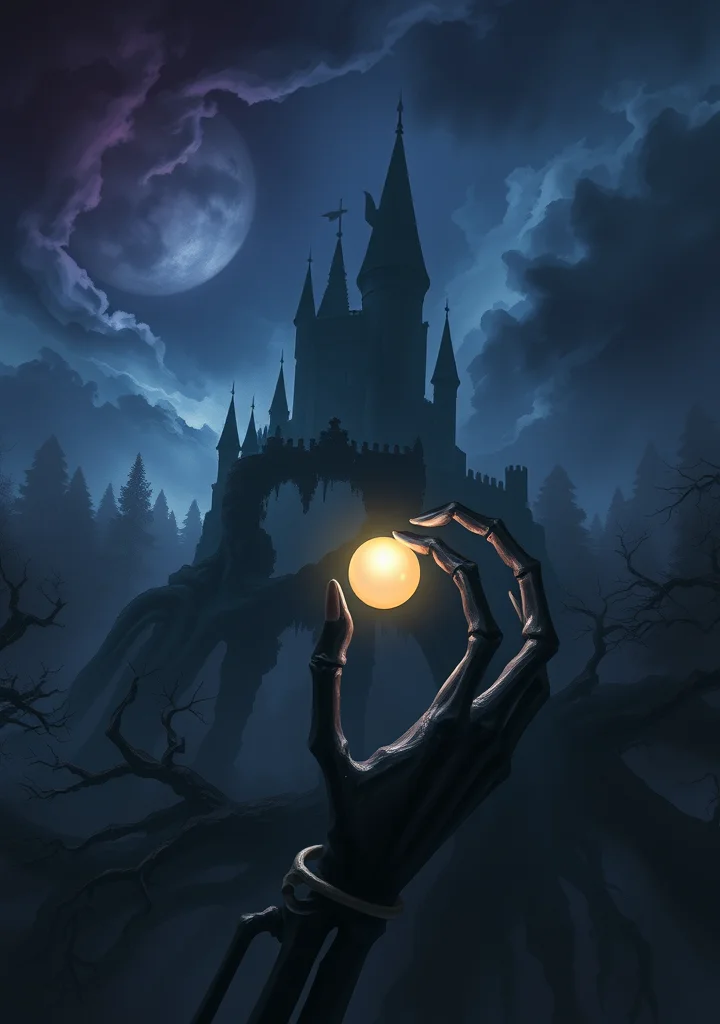
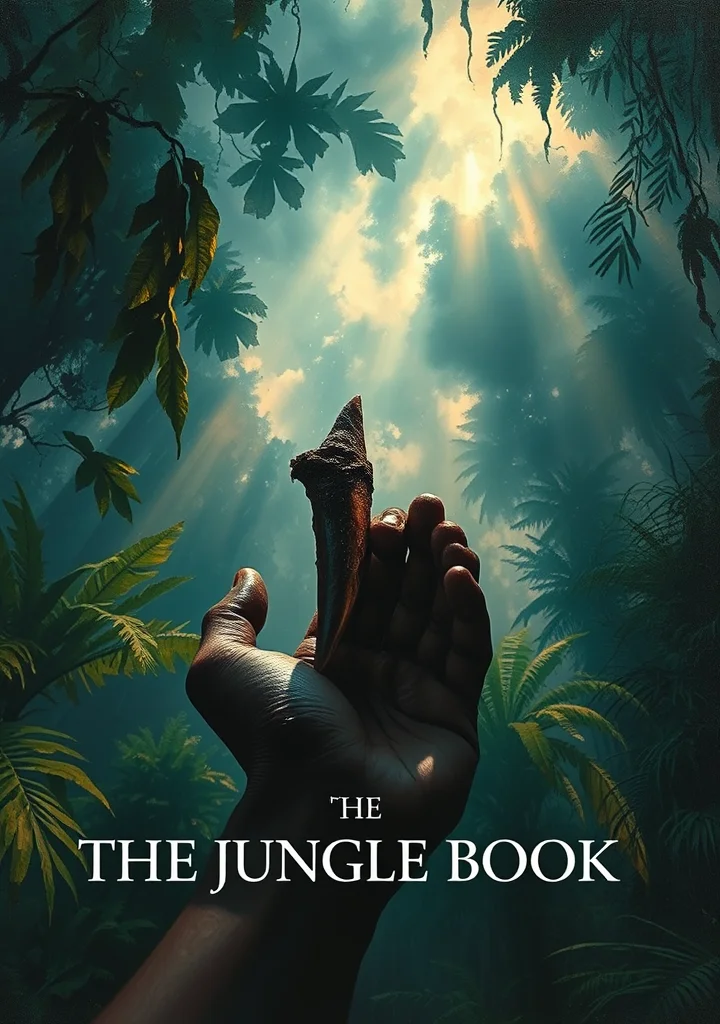
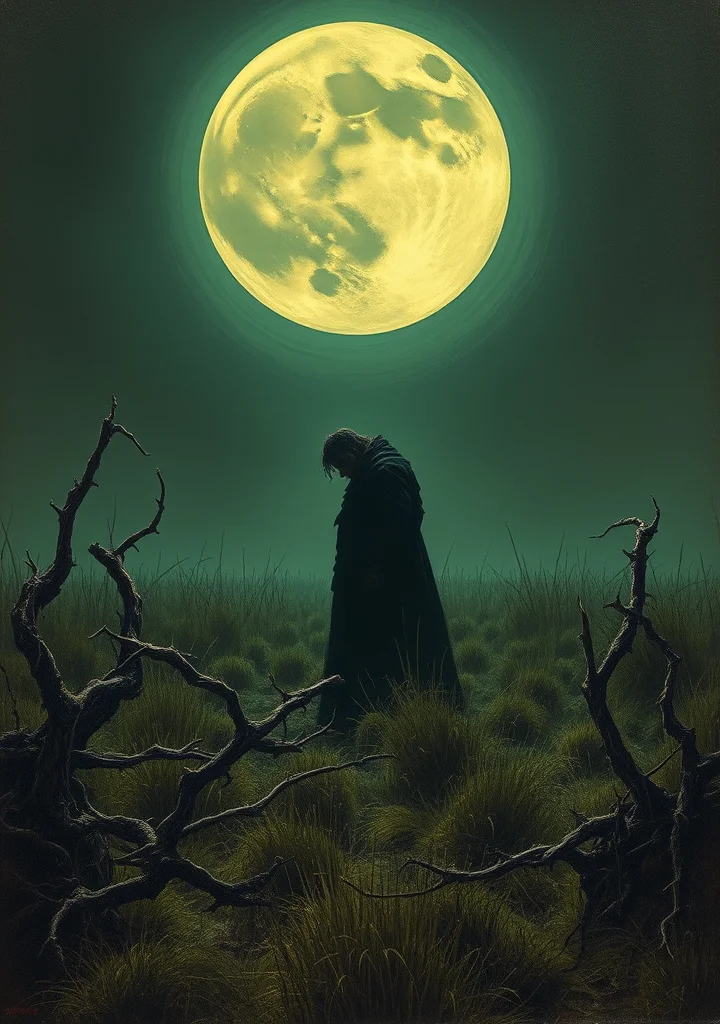
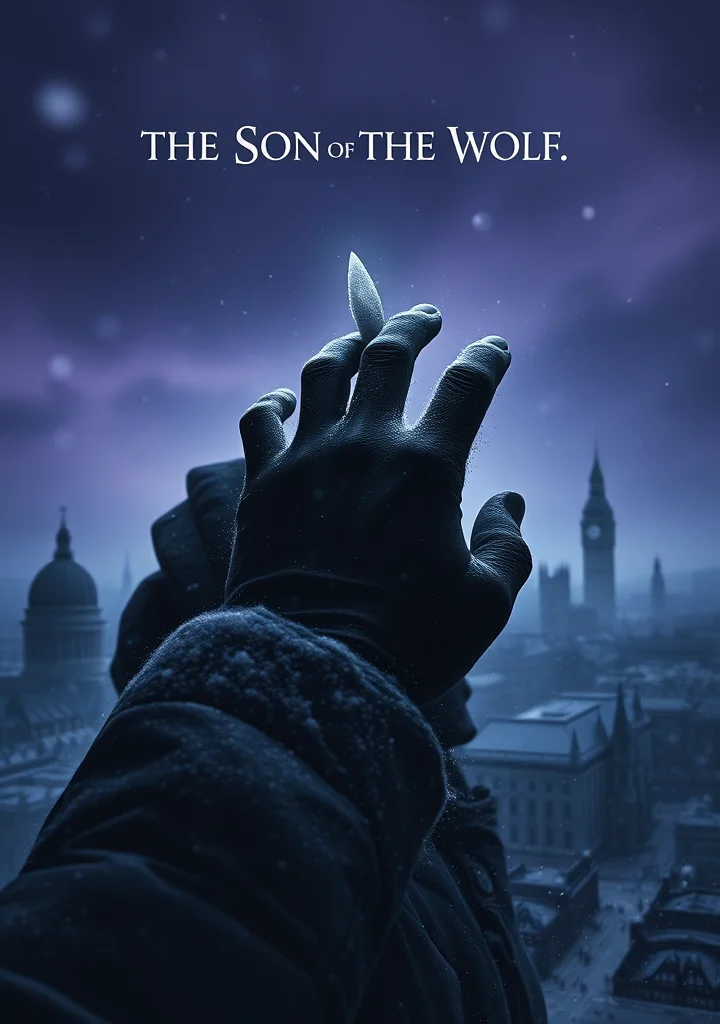
The Alaskan wilderness breathes a cold, predatory hunger into the bones of this tale. A boy, raised amongst the shadowed peaks and frosted rivers by a wolf pack, returns to the fringes of civilization—but carries the wildness within him. It isn’t a homecoming, but an intrusion. London paints a landscape steeped in perpetual twilight, where the scent of pine needles mingles with the metallic tang of blood and the silence is thick with the ghosts of forgotten men. The narrative coils around the boy’s attempts to navigate a world built on law and restraint, his instincts battling the expectations of a society he no longer understands. Every glance from a stranger feels like a challenge, every offered hand a potential snare. The air itself is laced with suspicion, mirroring the boy’s own mistrust. The story doesn’t unfold as a linear progression, but as a descent—a slow, brutal unraveling of the fragile threads connecting animal and man. A haunting presence lingers just beyond the firelight, a primal darkness that threatens to consume not just the boy, but the very foundations of the world he’s been thrust into. The wolf’s shadow stretches long across the snow, and it is not merely the boy who walks in its embrace.

Copyright: Public Domain
This license allows anyone to use your story for any purpose, including printing, selling, or adapting it into a film freely.
Recommended for you
37 Part
A creeping dread clings to the shadowed forests of colonial New York, where the boundaries of civilization fray into a wilderness haunted by loss and the ghosts of broken treaties. The air hangs thick with woodsmoke and the scent of pine, heavy with the weight of a dying wilderness and the specter of a brutal, unforgiving war. Here, amidst the towering pines and mist-veiled lakes, a fractured narrative unfolds – not of heroes triumphant, but of figures consumed by the encroaching darkness. The narrative isn't merely observed, it *bleeds* into the landscape; the very stones seem to weep with the agony of the Mohicans’ slow, agonizing disappearance. A desperate flight through a world perpetually twilight, where the rustling leaves whisper of ambush and every shadow conceals a potential grave. The story coils around the fate of a handful of souls – a stoic scout, haunted by the inevitability of his people's extinction, and the fragile bloom of love blossoming amidst the wreckage of a continent torn asunder. It is a fever dream of desperate courage, shadowed by the encroaching doom of a vanishing people. The beauty of the wilderness is not a sanctuary, but a gilded cage – a breathtaking spectacle before the final, inevitable fall into oblivion. The narrative is woven with the chilling cadence of a world fading into silence, where every victory feels like a reprieve, not a triumph, and every glance into the heart of the forest reveals a glimpse of what is lost, and what will *never* return. The reader is left with the taste of ash and the echo of a vanishing song.
17 Part
The fog clings to the Thames like a shroud, mirroring the miasma of regret that hangs over the lives of Selwyn Grey and his doomed circle. This is a London steeped in the amber light of fading gas lamps, where conversations unravel in the damp chill of drawing rooms, revealing fractures in memory and the insidious rot of unspoken desires. A man’s upright posture—a rigid attempt at self-possession—becomes a desperate defense against the unraveling of identity itself, against the creeping realization that the past is not a fixed landscape but a shifting, treacherous terrain. The narrative moves like a slow bleed, staining the present with the phantom pain of lost loves and compromised ideals. Each encounter is a half-remembered dream, a fragment of a fractured narrative pieced together through unreliable recollections and the veiled anxieties of those caught in the afterglow of Edwardian decay. The air is thick with the scent of decaying roses and the metallic tang of suppressed emotion. A claustrophobic sense of enclosure pervades, not just within the London rooms but within the very minds of those who believe themselves to be masters of their fate. The story doesn’t reveal itself; it seeps into the skin, a cold dampness that lingers long after the final page is turned, leaving you haunted by the subtle, devastating power of what has been lost—and what has never truly been known. It is a story of men and women adrift on a sea of fractured recollection, each struggling to maintain the illusion of solidity in a world where even the most steadfast foundations are revealed to be built upon sand.
18 Part
Dust hangs thick in the hollows of Havenwood, clinging to the shadowed eaves and rotting lace of the old Dunbar place. The air itself tastes of iron and regret, a perpetual twilight bleeding from the cypress swamps surrounding the crumbling mansion. Here, secrets aren’t whispered, they are *felt*—pressed against your skin like a cold hand, rising from the earth with the scent of magnolia and decay. Old Man Dunbar, they say, didn't die of fever, but of something *called* to him from the bayou, something hungry for the living breath of the house. His son, the narrator, returns to settle the estate, only to find Havenwood less a home and more a tomb, echoing with the phantom cries of those who vanished into the swamp’s embrace. Every floorboard groans with unseen footsteps, every window pane reflects a face not his own. The darkness isn't merely absence of light; it’s a presence—a suffocating weight of memory and malice. He discovers a lineage steeped in shadowed bargains, a pact made with the swamp's ancient heart. The further he delves into his father's final days, the more Havenwood seems to breathe with a life of its own, drawing him into the mire of its history. The uncalled come not as specters, but as whispers in the reeds, as faces in the water, as the slow, creeping rot that consumes all things left too long in the shadow of Havenwood. The swamp doesn’t just claim its victims; it *remembers* them, weaving their despair into the very fabric of the house, until the line between the living and the lost dissolves entirely.