
The Wood Beyond the World
  • 261
  • 0
  • 37
  • Reads 261
  • 0
  • Part 37
Completed, First published Mar 02, 2026

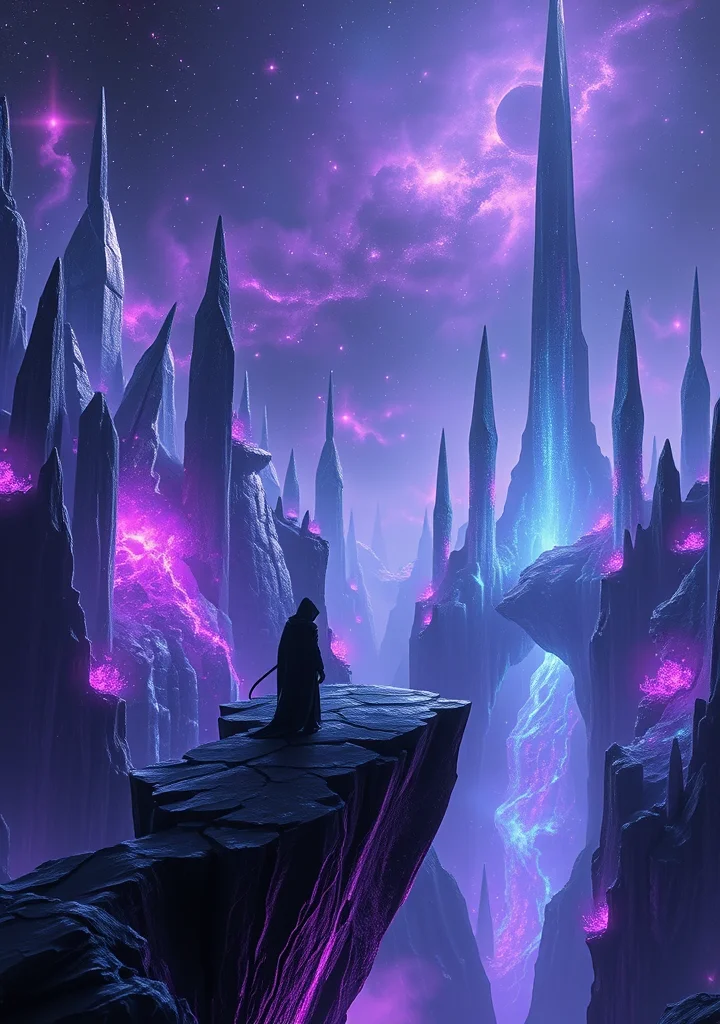
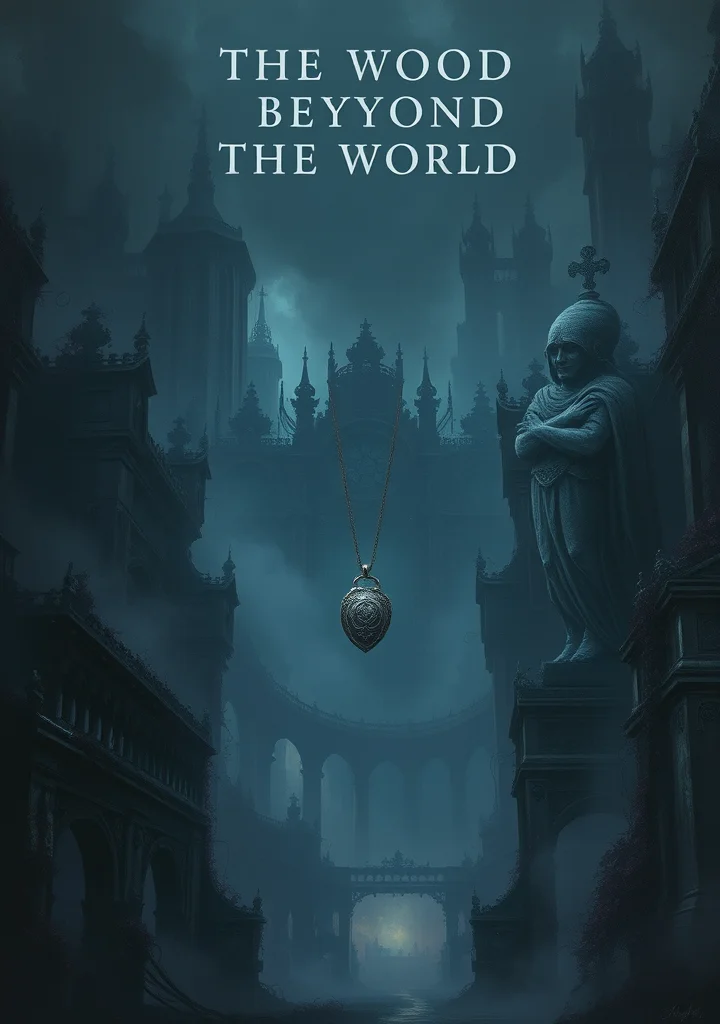
A creeping twilight clings to the last threads of a dying age. The realm of Prexus, though beautiful beyond imagining, is laced with a sorrow so profound it bleeds into the very stones of its towers. Here, the air tastes of regret and the shadows move with a will of their own. A world weary with perfection, haunted by the ghosts of its own making. The journey beyond the wood is not merely a crossing of distance, but a descent into a grief-stricken heartland where the echoes of lost loves and fractured oaths linger in every rustle of leaves. Ancient, woven tapestries whisper forgotten histories, and the faces carved in ivory seem to watch with an unbearable longing. It is a land where the boundaries between dream and waking, life and death, become blurred until one can no longer tell which is which. The very forest breathes with a melancholic pulse, drawing those who enter deeper into its labyrinthine embrace. The scent of decay and blossoming roses mingle, a bittersweet perfume promising both salvation and oblivion. A stillness, broken only by the drip of water and the sigh of unseen things, permeates everything. It is a place where the soul unravels, drawn toward a darkness both terrible and exquisitely beautiful.
Copyright: Public Domain
This license allows anyone to use your story for any purpose, including printing, selling, or adapting it into a film freely.
Recommended for you
27 Part
A creeping rot clings to the cobblestones of this unnamed city, where shadows stretch from gas lamps to strangle the last embers of hope. Jean Grave doesn't offer grand narratives of rebellion, but rather a descent into the marrow of decay, a slow unraveling witnessed through the eyes of those already half-consumed by the void. The air itself is thick with the stench of burnt ambition and the whispered anxieties of a populace fractured not by class, but by a creeping nihilism. Every alleyway breathes with the weight of forgotten gods and the hollow laughter of those who’ve traded their souls for fleeting moments of control. There’s no explosive uprising here, only the insidious bloom of apathy, a willing surrender to the encroaching darkness. Characters drift through decaying salons and labyrinthine sewers, their faces gaunt, their desires reduced to a desperate scramble for warmth and oblivion. The prose is less a story and more a haunting echo of fractured consciousness. It's a suffocating claustrophobia of crumbling brick, the metallic tang of blood on the tongue, and the chilling realization that the true anarchy isn't *against* society, but *within* it—a silent, internal crumbling of the will to resist the inevitable. This is not a revolution; it’s a slow, deliberate drowning in the silt of despair, where the last flickering embers of humanity are extinguished one by one, swallowed by the yawning maw of nothingness. The city *is* the monster, and it feeds on the ghosts of its own making.


28 Part
A creeping dread settles over the manor of Blackwood Grange with each echoing tap. The rhythm isn’t of nails against wood, but something colder, something resonating from *within* the stone itself. Old Man Hemlock, caretaker for generations, claims the taps are the rhythm of the house remembering its dead – the Blackwood line extinguished by scandal and rot. But young Alistair, summoned to settle the estate, finds the taps follow *him*. They begin subtly, a phantom knock on the bedroom door at midnight, then escalate to the insistent pulse against the hearthstone, the icy brush against his collar as he descends the shadowed stairs. The Grange is a labyrinth of dust-choked corridors and portraits with eyes that seem to judge, the scent of decay clinging to velvet hangings and worm-eaten beams. Rain lashes against the leaded windows, mirroring the frantic beat of Alistair’s heart as he uncovers fragments of the Blackwood’s past – whispered accusations of witchcraft, a bride vanishing into the peat bogs, a legacy of madness woven into the very foundation. Each tap feels less like a haunting, and more like a summons—a beckoning from something ancient and hungry, buried beneath the Grange’s suffocating silence. It isn’t a ghost that haunts Blackwood Grange, but the house itself, and Alistair is being drawn into its stone embrace, to become another echo in its dreadful, rhythmic pulse. The three taps are not a warning, but an invitation.
10 Part
A creeping twilight descends upon young Emil Sinclair as he’s drawn into the magnetic orbit of Max Demian, a figure both beautiful and terrifyingly unbound. Hesse’s narrative isn’t merely a coming-of-age, but a descent into shadowed chambers of the self, where inherited morality fractures against the raw stone of instinct. The air thickens with the scent of incense and forbidden knowledge as Sinclair’s world fractures – the rigid structure of his upbringing, the suffocating piety of his mother, all crumble beneath Demian’s gaze. Every encounter is layered with a premonition of doom, a cold wind whistling through the hollows of Sinclair’s nascent soul. The novel breathes with the claustrophobia of a gilded cage, the oppressive weight of societal expectations pressing down like lead. Dreams twist into grotesque allegories, mirroring Sinclair’s inner turmoil with unsettling clarity. Ancient symbols, unearthed from the loam of forgotten myths, become obsessions, fueling a desperate quest for liberation. The narrative is haunted by the specter of a fractured duality, a constant blurring of light and shadow, innocence and corruption. Sinclair’s journey isn’t towards enlightenment, but towards a harrowing reckoning with the darkness within—a darkness that threatens to consume him entirely as he spirals towards the inevitable, brutal severing of ties with the world he once knew. The final revelation is less a triumph, more a chilling echo in the vast, empty cathedral of his own becoming.
24 Part
A creeping dread clings to the stone of Fontainebleau, where whispers of fallen dynasties and spectral courts haunt the shadowed galleries. This is a story exhaled from the very dust of France, a slow poison of memory and ambition. The Fifth Queen, a phantom born of regicide and desperate lineage, is not sought amongst the living, but within the decaying grandeur of a palace built upon secrets. Each gilded room breathes with the weight of betrayals, each tapestry unravels a legacy of blood and stolen crowns. The narrative is a descent into fractured histories, a labyrinth of unreliable accounts and echoing obsessions. A man, driven by a fevered quest to legitimize his lineage, unravels not glory, but a rot of the soul. The air is thick with the scent of lilies and decay, the chill of marble floors mirroring the icy detachment of those who claim the throne. It is a tale of possession—not of kingdoms, but of minds. The phantom queen’s influence seeps into the present, twisting loyalties and blurring the lines between reality and the fevered dreams of a man consumed by his own ancestry. The castle itself is a character, a suffocating womb of stone and shadow where the past doesn’t merely linger, but *breathes*—a suffocating, glacial presence that promises to drown all those who dare to seek its secrets within its cold embrace. A darkness, not of the supernatural, but of something far more human and insidious, waits within the ornate chambers.