
The Airlords of Han
  • 155
  • 0
  • 17
  • Reads 155
  • 0
  • Part 17
Completed, First published Mar 02, 2026

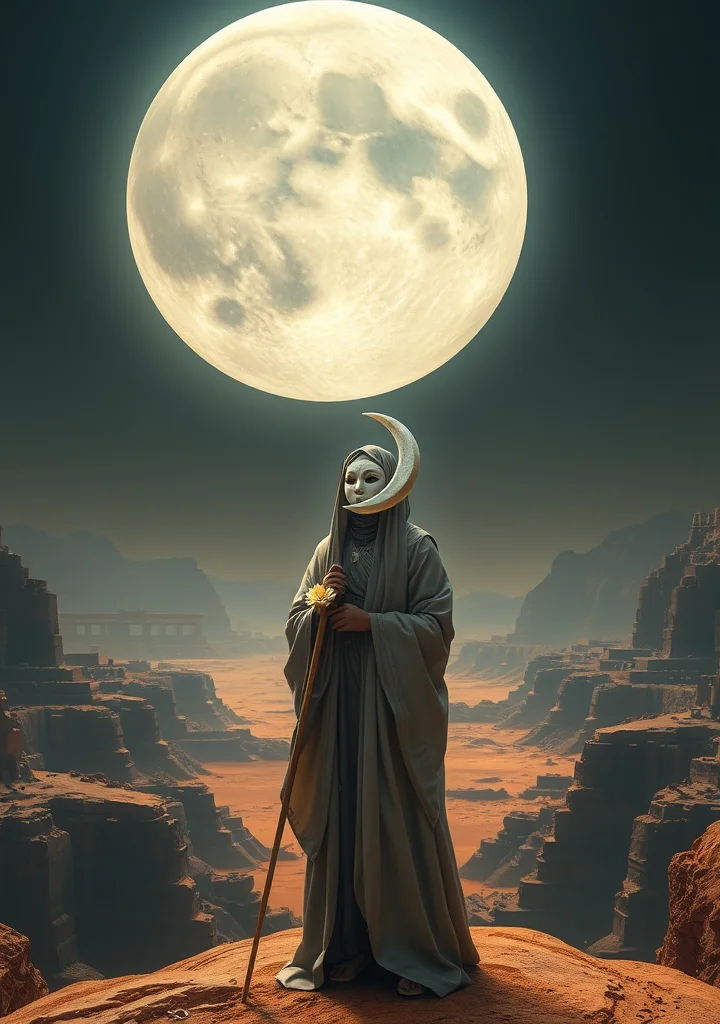
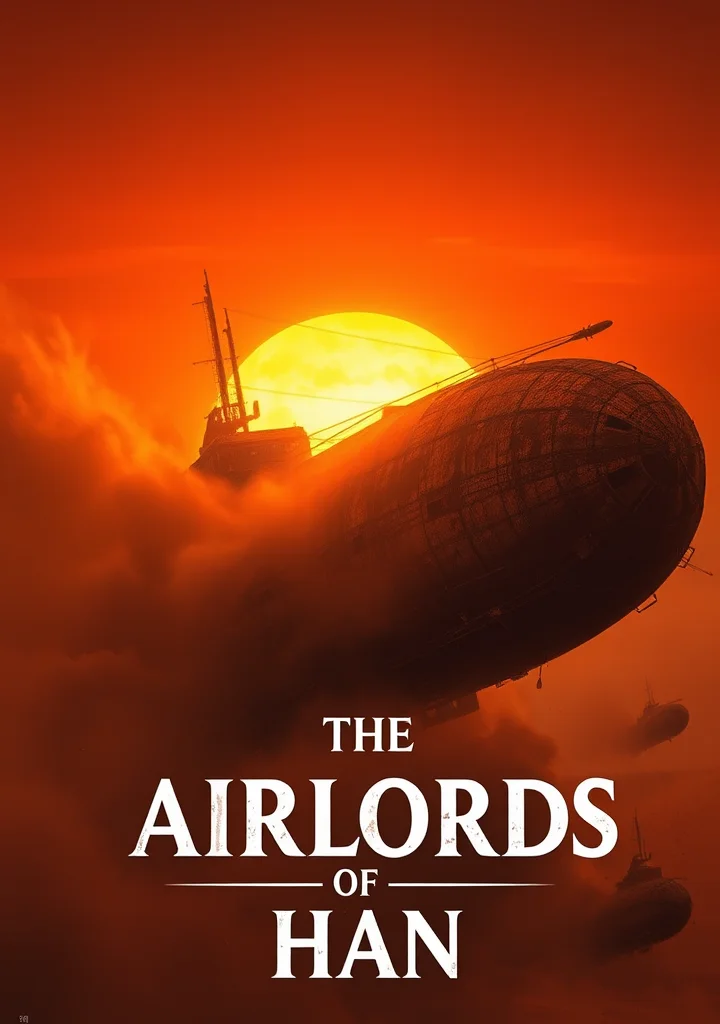
Dust motes dance in the crimson light of a dying sun over the Han, a world choked by rust-colored sands and haunted by the ghosts of forgotten empires. Above, colossal airships, the legacy of a vanished age, drift like iron leviathans, their metallic hulls groaning with the weight of centuries. This is a realm where the very air is rationed, where survival clings to the skeletal remains of ancient cities and the desperate machinations of the Airlords—men who command not just vessels of steel, but the dwindling resources of a broken world. A perpetual twilight bleeds across the cracked desert floor, mirroring the moral decay within the airship cabins. Each passing gale whispers of betrayal and ambition, of stolen air-rights and the slow suffocation of the unprivileged. The air itself tastes of ash and regret, clinging to the tongue like a shroud. The narrative unfolds within the claustrophobic confines of these floating fortresses, where shadows stretch long and lean, concealing whispered plots and the glint of polished weaponry. A suffocating silence presses down, broken only by the rhythmic thrum of engines and the hollow clang of metal on metal. Here, loyalty is a currency rarer than breathable air, and every breath taken feels like a stolen moment from a world spiraling into oblivion. The weight of a collapsing civilization, of a sky bound by iron and greed, hangs heavy as a shroud.
Copyright: Public Domain
This license allows anyone to use your story for any purpose, including printing, selling, or adapting it into a film freely.
Recommended for you
6 Part
A creeping dread clings to the shadowed streets of Paris, mirroring the decay within Béatrix’s very soul. Balzac doesn’t offer romance, but a slow, exquisite unraveling. The narrative coils around a young woman whose beauty is a fragile inheritance, purchased with a desperate bargain struck against a creeping, inherited malady. Her existence is a gilded cage, gilded with the sickly sheen of ambition and financed by a husband whose affections are as cold as the marble of his ancestral estate. The air within is thick with the scent of decaying fortunes, whispered debts, and the suffocating weight of societal expectation. Each gesture, each calculated smile, feels less like living and more like a performance staged for a ravenous audience. A pervasive sense of rot permeates every scene, not merely in the crumbling grandeur of the homes but in the hearts of those who inhabit them. The novel doesn't reveal monsters in the darkness, but exposes the monstrous compromises made in the light. The narrative is less concerned with what happens *to* Béatrix than with the subtle erosion of her spirit, a fading luminescence devoured by the insatiable hunger of the Parisian elite. It’s a story of exquisite confinement, where the only escape is a descent into a darkness more profound than the illness that threatens to consume her. The shadows lengthen, and with each passing chapter, one feels the tightening grip of a fate far more sinister than mere mortality.
28 Part
Dust motes dance in the shadowed halls of Sagamore Hill, a spectral presence clinging to the very timbers. This is not a tale of triumph, but of haunted ambition, a self-reckoning etched in the marrow of a man who wrestled beasts both within and without. Roosevelt’s chronicle unfolds like a fever dream—a wilderness of boyhood grief, a frontier of grief-stricken manhood, and the chilling precision of a hunter’s gaze turned inward. The narrative breathes with the scent of damp earth and the musk of dead game, echoing with the cries of vanished buffalo and the hollow resonance of loss. Each chapter is a shadowed room in a sprawling estate, filled with the stuffed trophies of conquered demons and the ghosts of those he left bleeding in the wilderness of his own making. He charts his life as a landscape of perpetual struggle, where the wilderness isn’t merely terrain, but a reflection of his own volatile heart. The sun-drenched plains become a canvas for the shadow play of his grief; his political battles, a war waged within the confines of his own restless spirit. The prose itself is a brittle, bone-dry thing—a meticulous inventory of wounds, both inflicted and endured. This autobiography isn’t a celebration of fortitude, but a chilling testament to the cost of it—a portrait of a man forever haunted by the specters of his own relentless drive, and the wild, untamed country that birthed it. The very pages seem to exhale the cold air of a shadowed study, where a man, even in recounting his victories, confesses to the solitude of his own magnificent, terrible dominion.
48 Part
A chill permeates the very pages, a dampness clinging to the ink like graveyard moss. Melmoth’s story unfolds not as a tale *told*, but as a slow, creeping dread unearthed from beneath crumbling stones. Ireland, perpetually shadowed, breathes with a history of pacts made and souls bartered. The Wanderer, cursed with extended life yet shadowed by a demonic compact, drifts through centuries, a spectral witness to the rot within ambition and the hollowness of salvation. Each encounter is a fragment of decay – a Spanish Inquisition’s fervor, a Prussian’s cold calculation, a monastic cell’s suffocating piety – all echoing the same desperate plea for release. The narrative isn’t linear; it fractures, mirroring Melmoth’s fragmented existence. Letters discovered in forgotten corners, confessions scrawled in feverish script, and the fragmented accounts of those he touches weave a tapestry of moral compromise. Sunlight feels like a violation here, replaced by the flickering glow of decaying candles and the oppressive weight of ancestral portraits. Every doorway promises not refuge, but a further descent into the labyrinth of Melmoth’s despair. It is a land where every act of charity breeds a monstrous debt, where faith offers no solace, and where the only escape from the burden of years is to surrender to the darkness willingly. The air itself is thick with the scent of brine and regret, a constant reminder that even in oblivion, Melmoth remains tethered to a world that has long since abandoned its own soul.
12 Part
A creeping dread clings to the cobbled streets of early 20th century Paris, where whispers follow the phantom touch of a surgeon’s steel. The air hangs thick with the scent of ether and decay, a perfume clinging to the shadowed alleys surrounding the Hôtel-Dieu. Leblanc weaves a narrative steeped in the city’s underbelly, charting the descent of Dr. Moreau, a man haunted by his own skill. His ‘cure’ for the melancholic elite is not one of scalpel and suture, but of exquisite, hollowed-out instruments – needles designed to bleed away not blood, but *feeling*. Each patient, willingly subjected to Moreau’s morbid artistry, leaves behind a fragment of their soul, meticulously extracted and preserved in glass ampoules. The doctor’s apartment, a labyrinth of anatomical charts and gleaming tools, becomes a reliquary for stolen grief. But the echoes of their lost passions begin to bleed into Moreau’s own life, manifesting as phantom pains, spectral visions, and a gnawing hunger for the very emptiness he inflicts. The novel unfolds in a suffocating claustrophobia, a slow unraveling of sanity within the gilded cages of Parisian high society. The gas lamps flicker, casting elongated shadows that dance with the ghosts of Moreau’s victims. The hollow needle doesn’t merely pierce flesh; it unlocks a void within, a darkness that threatens to consume not just the patients, but the very heart of the city itself. It’s a tale of obsession, of the grotesque beauty of sacrifice, and the terrifying weight of a soul stripped bare.