
-
Read 662
-
0
-
Part 29
Completed, First published Mar 02, 2026
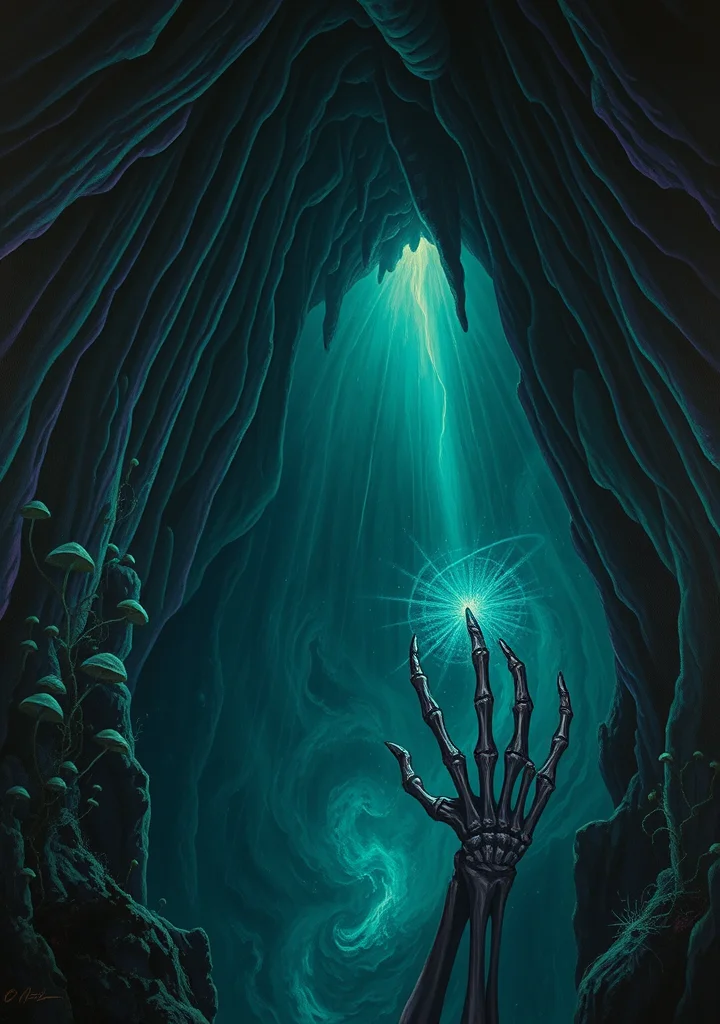
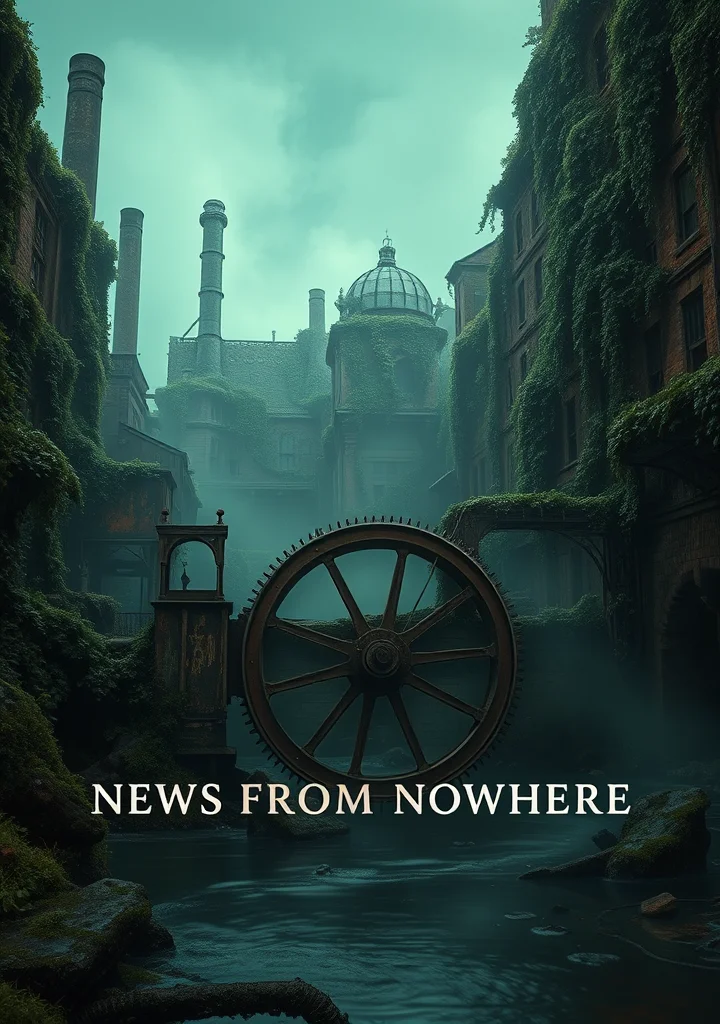
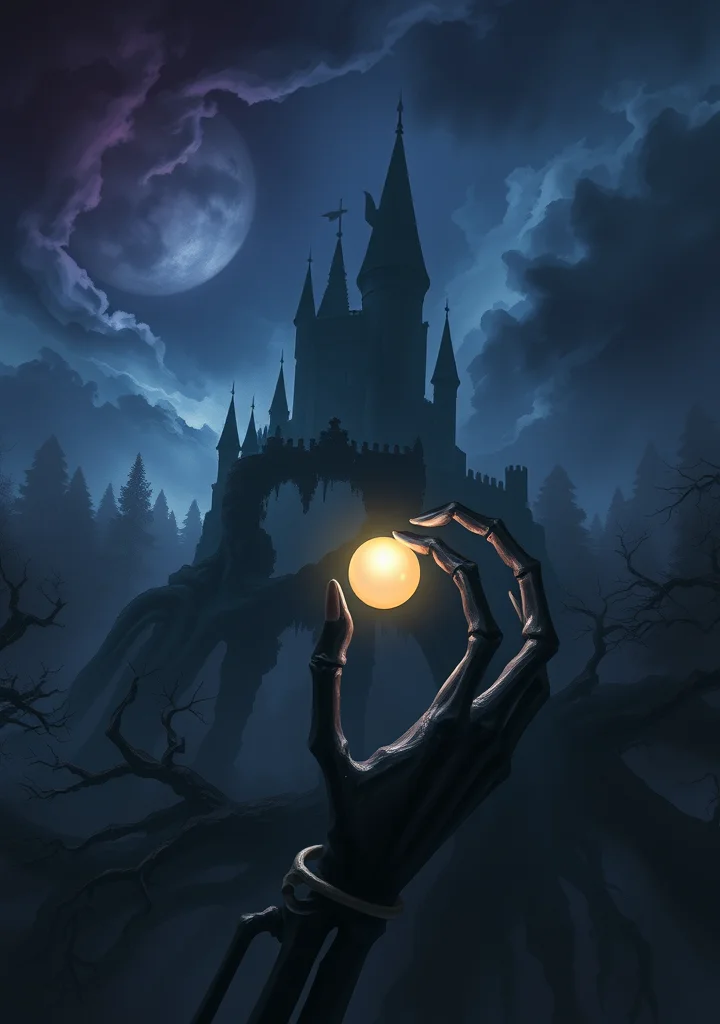
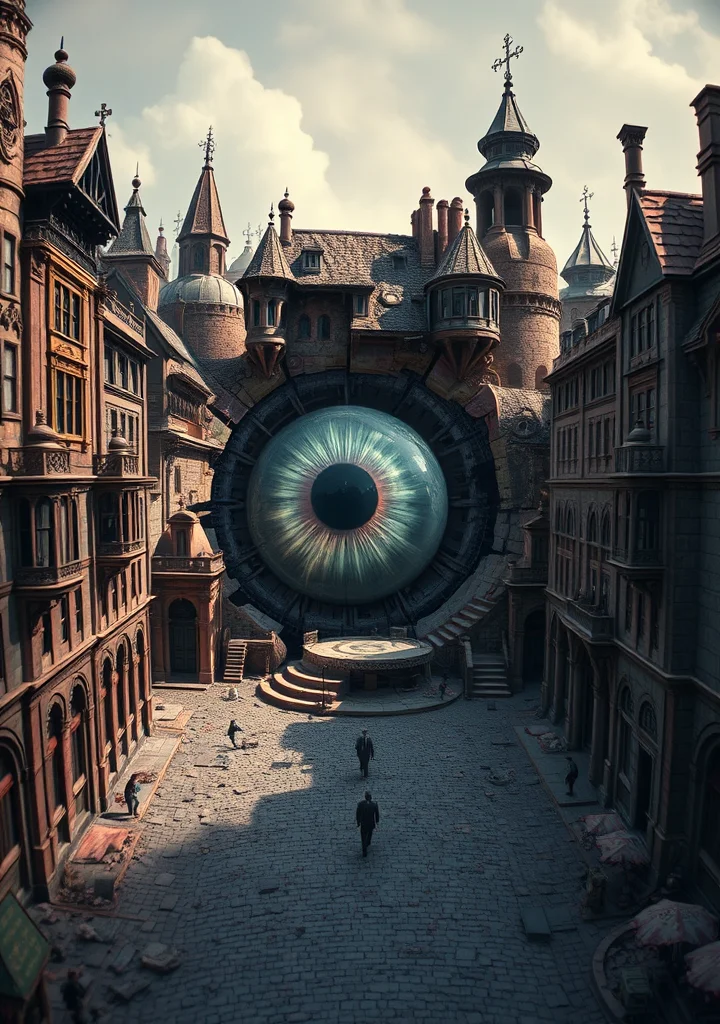
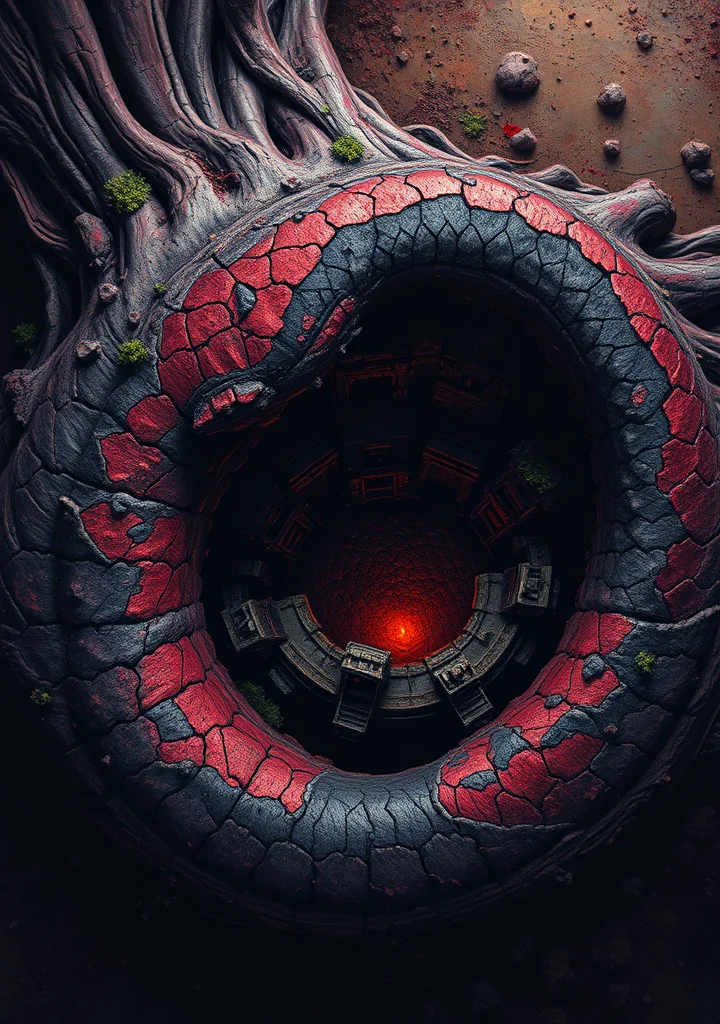
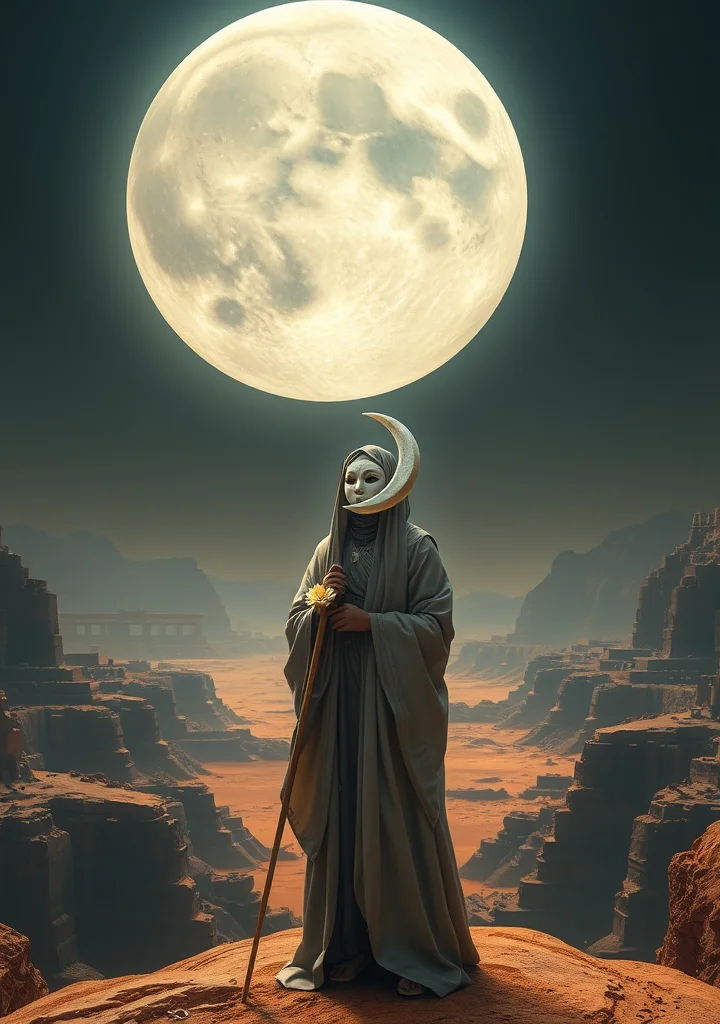
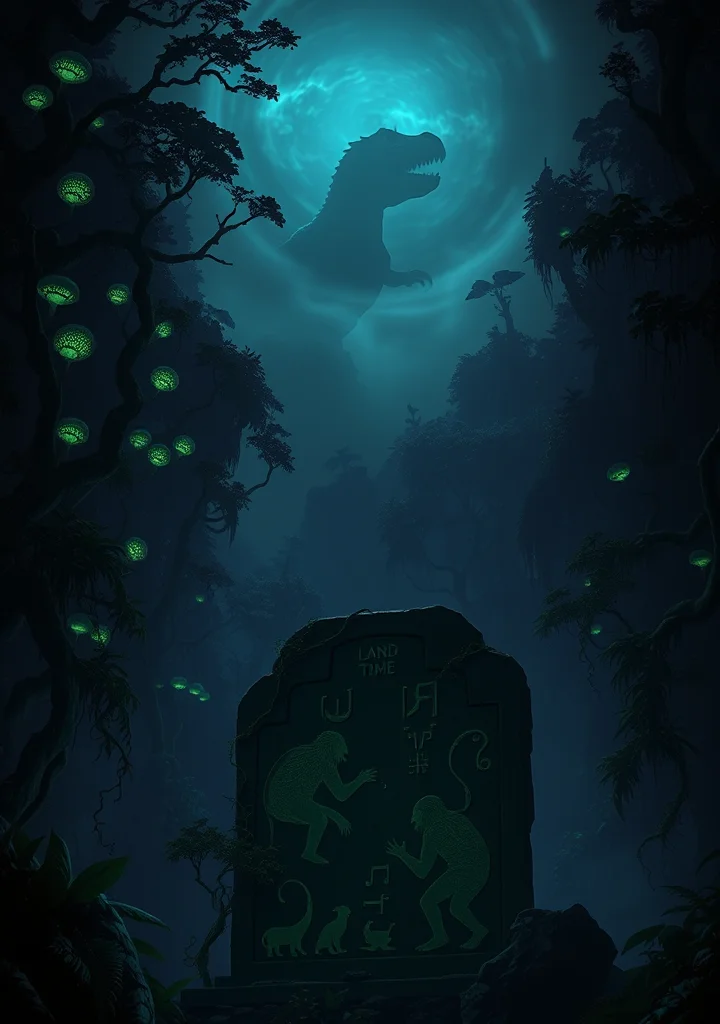
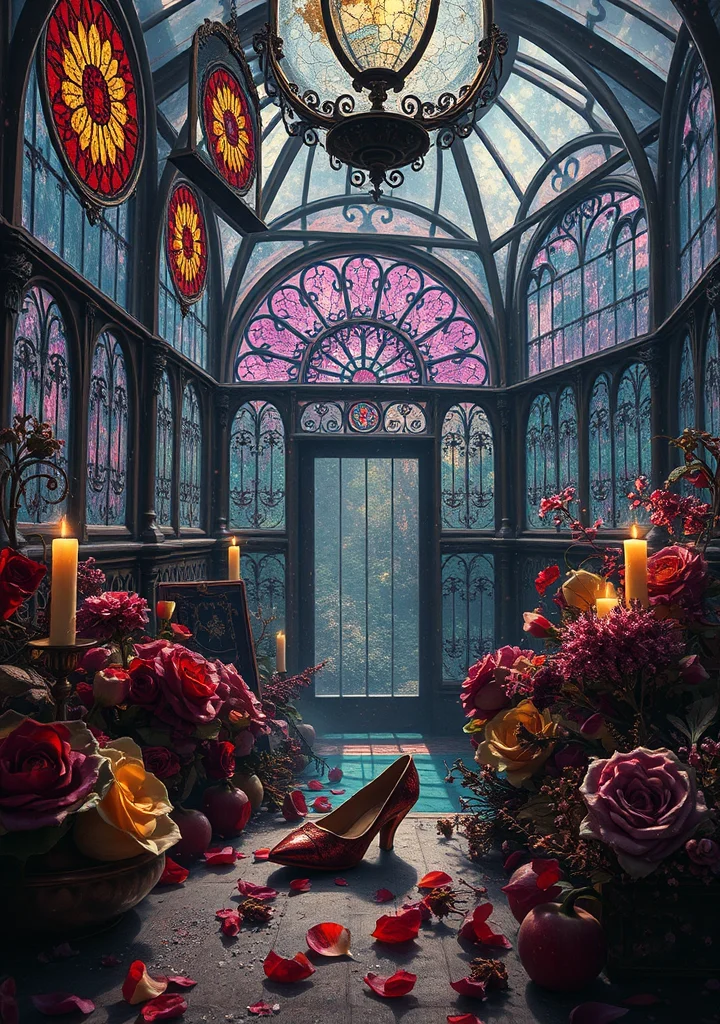
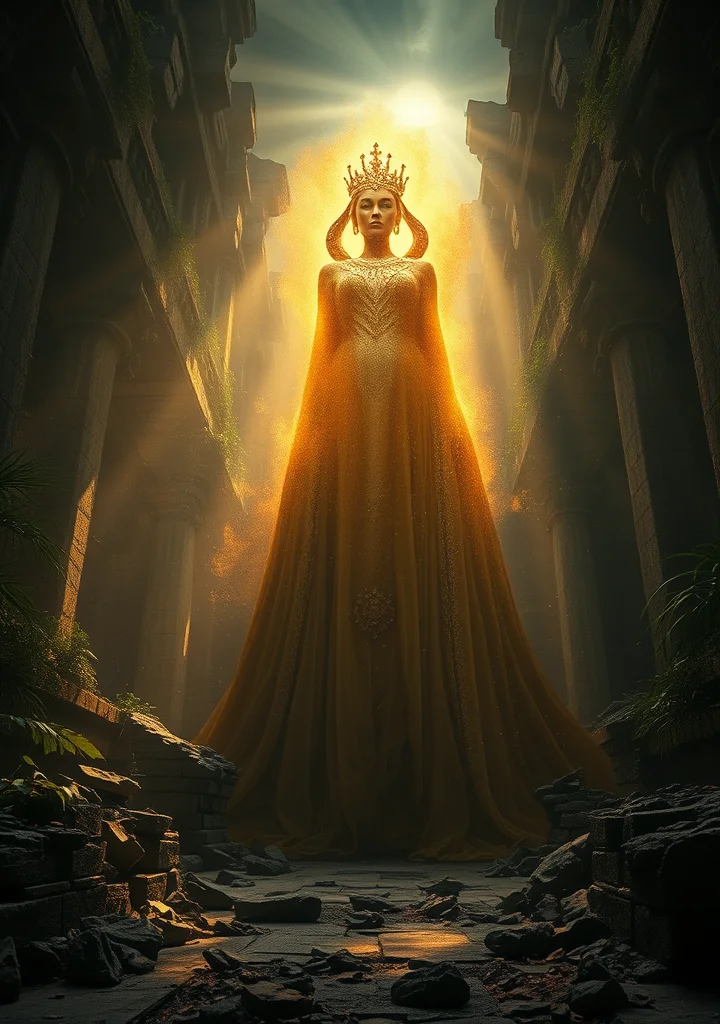
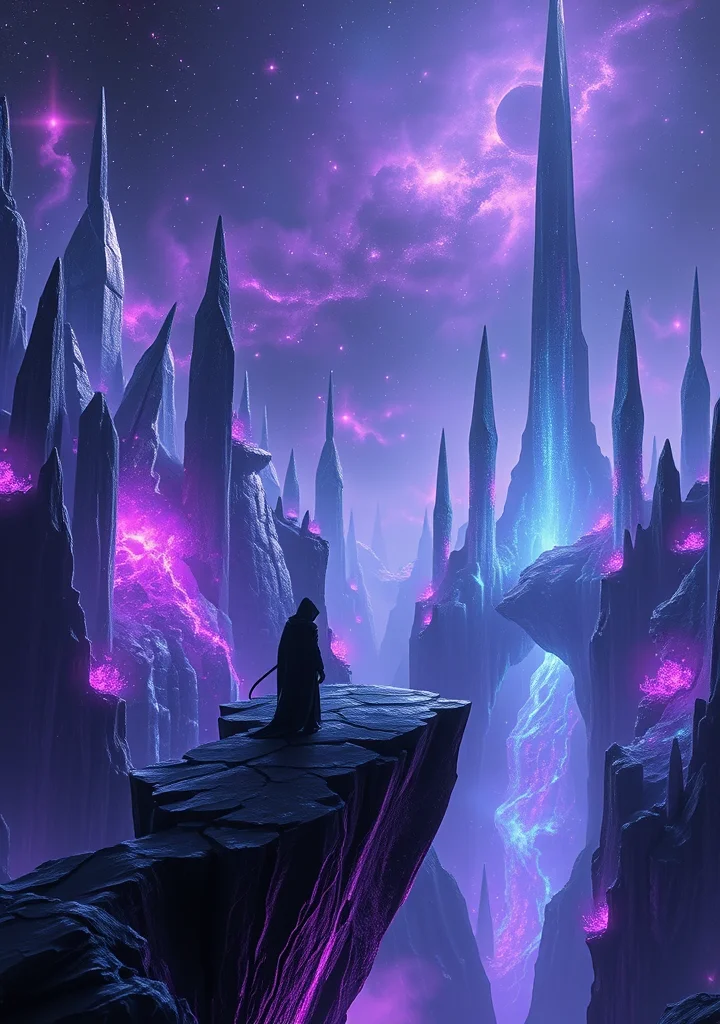
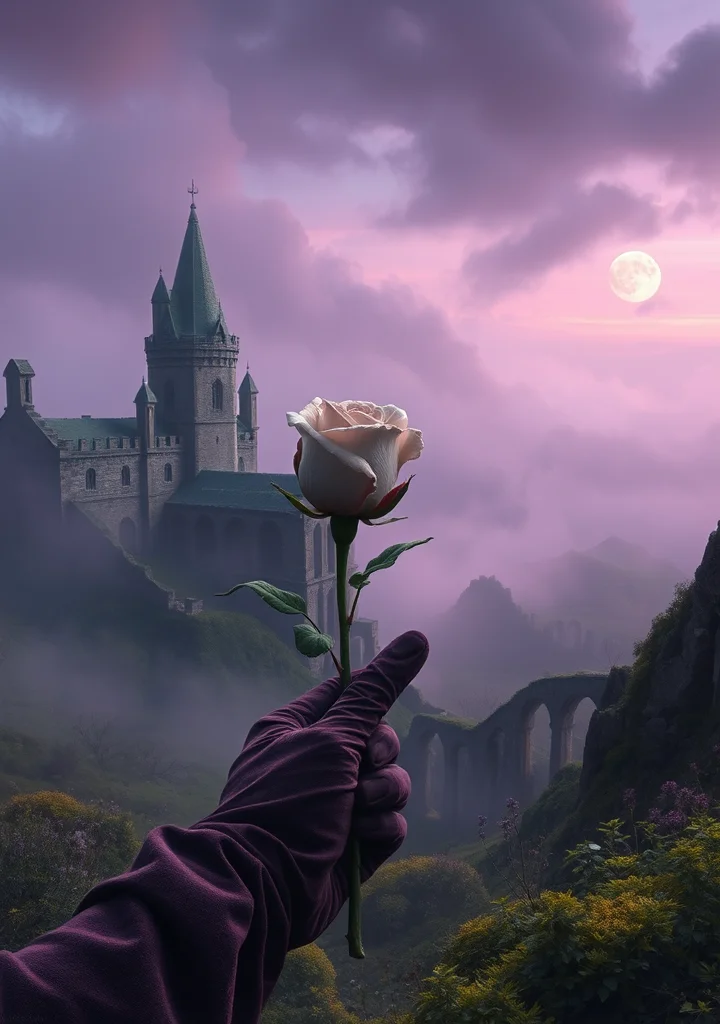
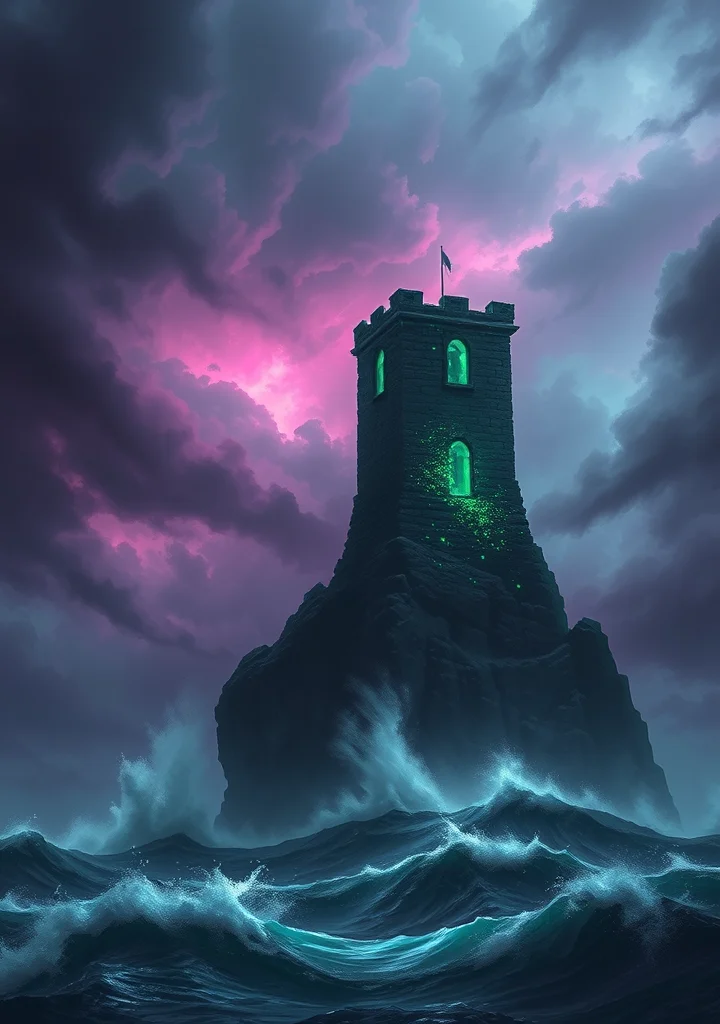
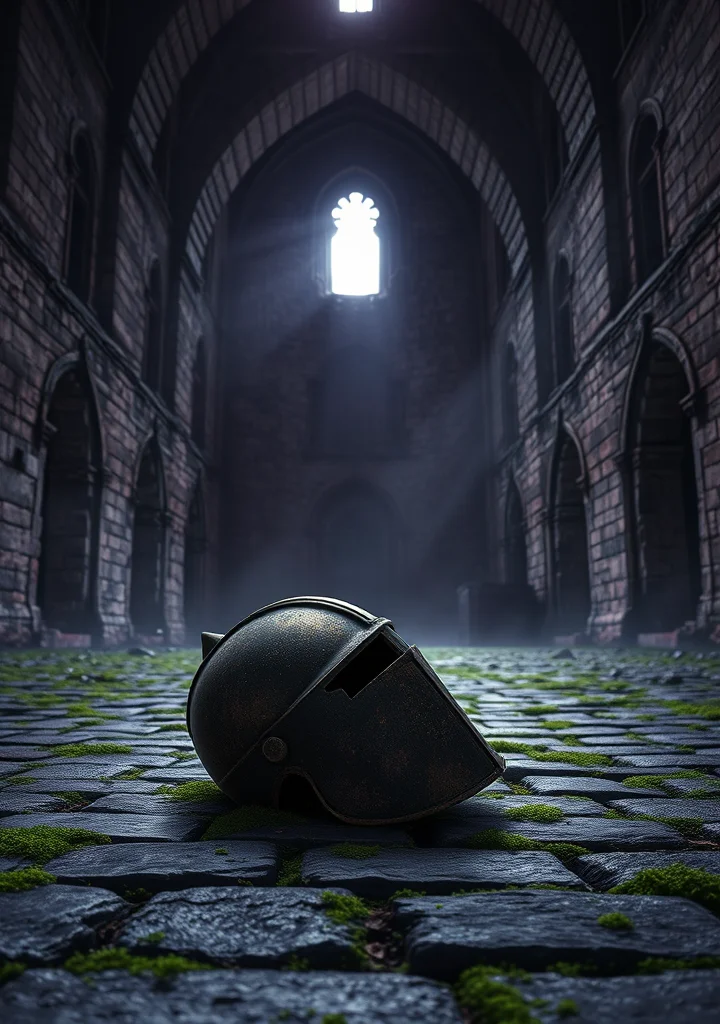
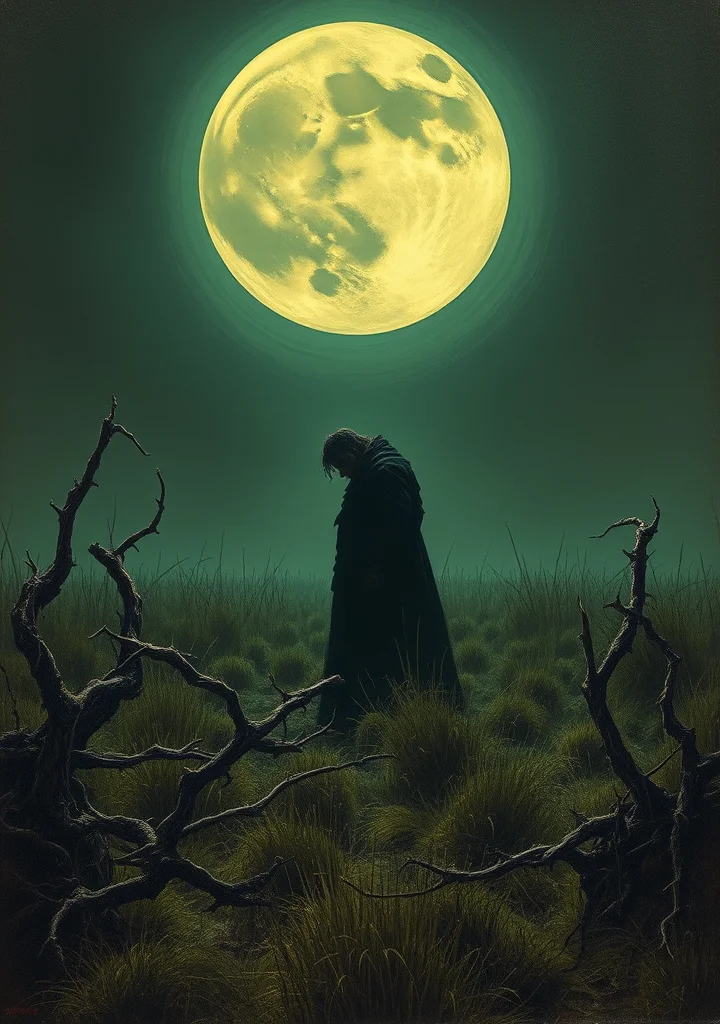
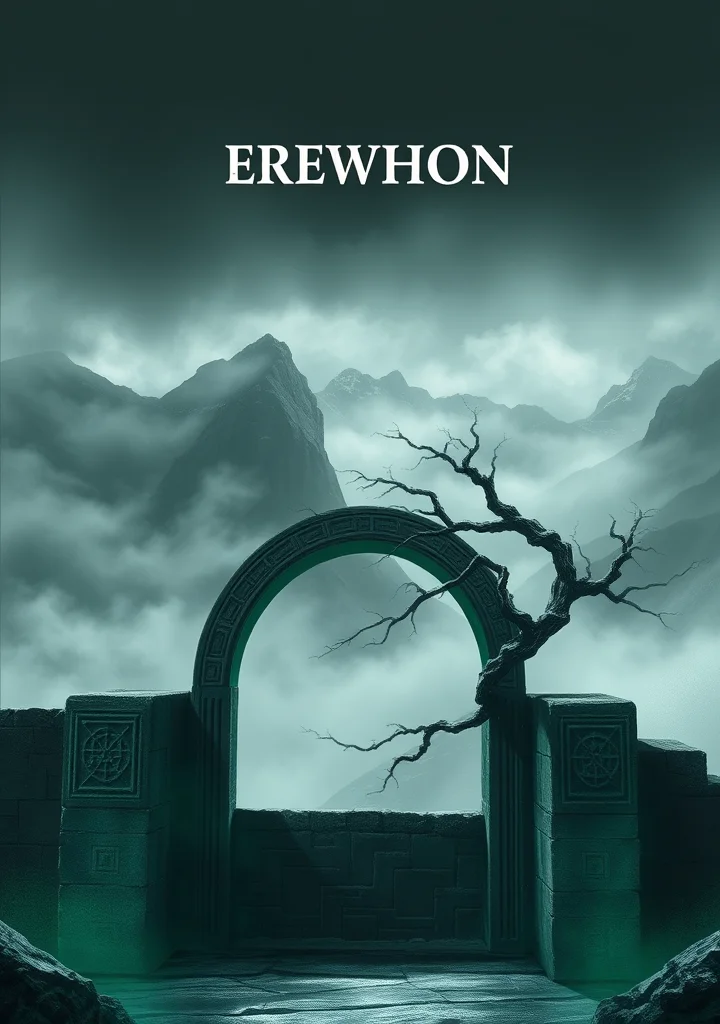
The fog clings to the mountains of Erewhon like a shroud, a perpetual dampness that seeps into the very bones of those who wander its valleys. It is a land built on inversions, where sickness is virtue and health a crime, where the echoes of a forgotten evolution haunt every stone. A creeping unease permeates the narrative, a sense of being watched by eyes unseen, by customs both alien and brutally logical. The journey into Erewhon isn't merely geographical; it’s a descent into the labyrinth of the human heart, reflecting back the shadowed corners of Victorian morality.
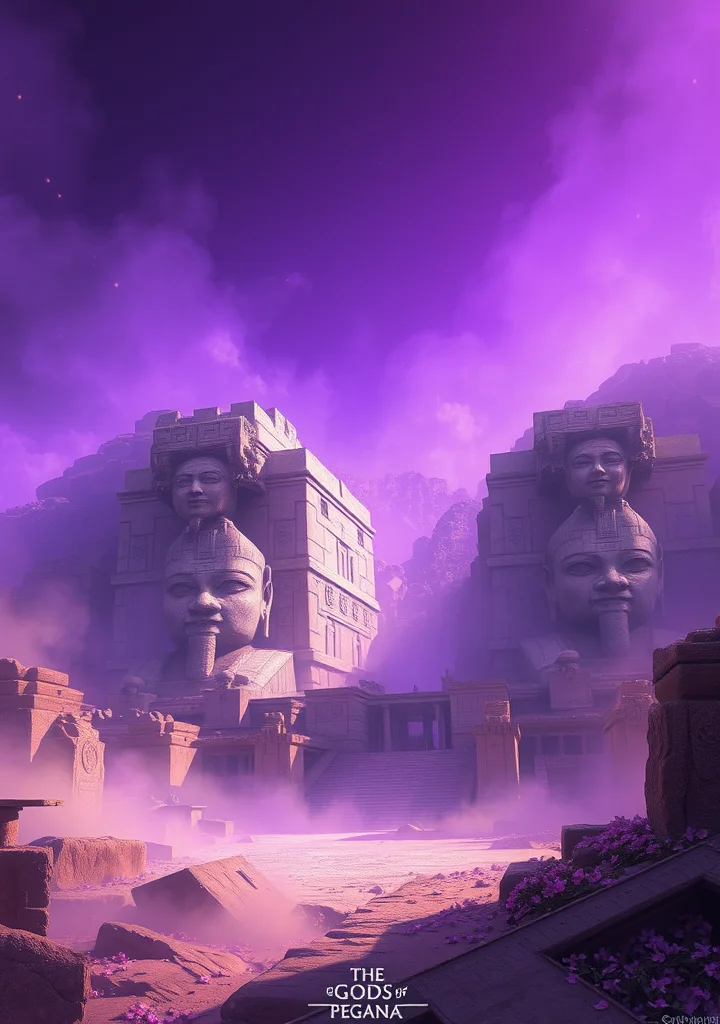
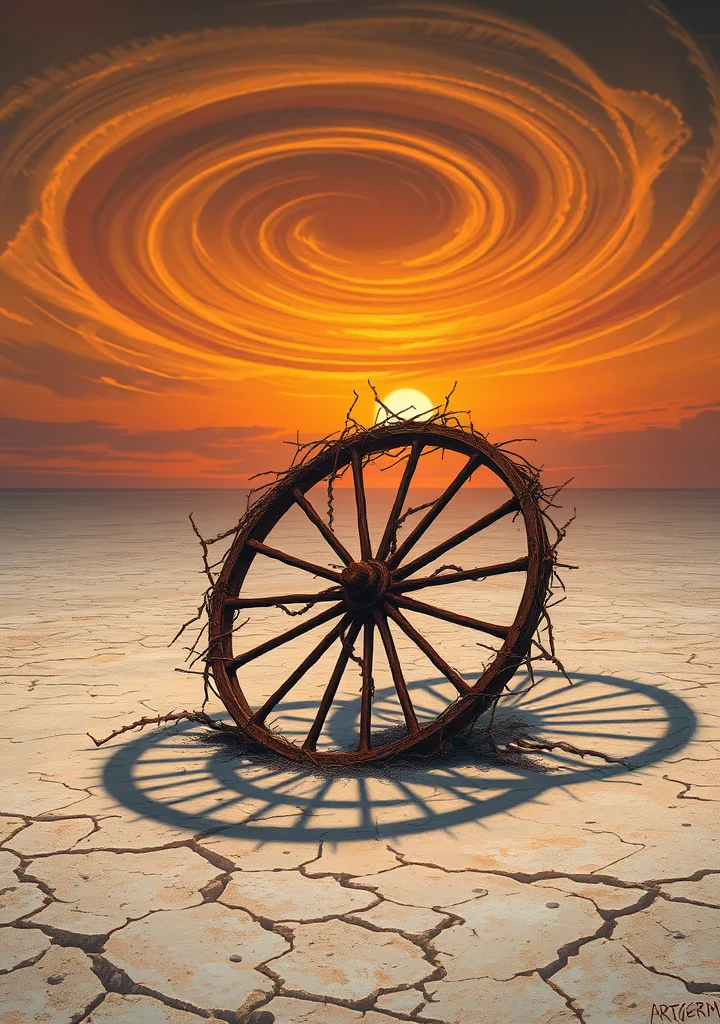
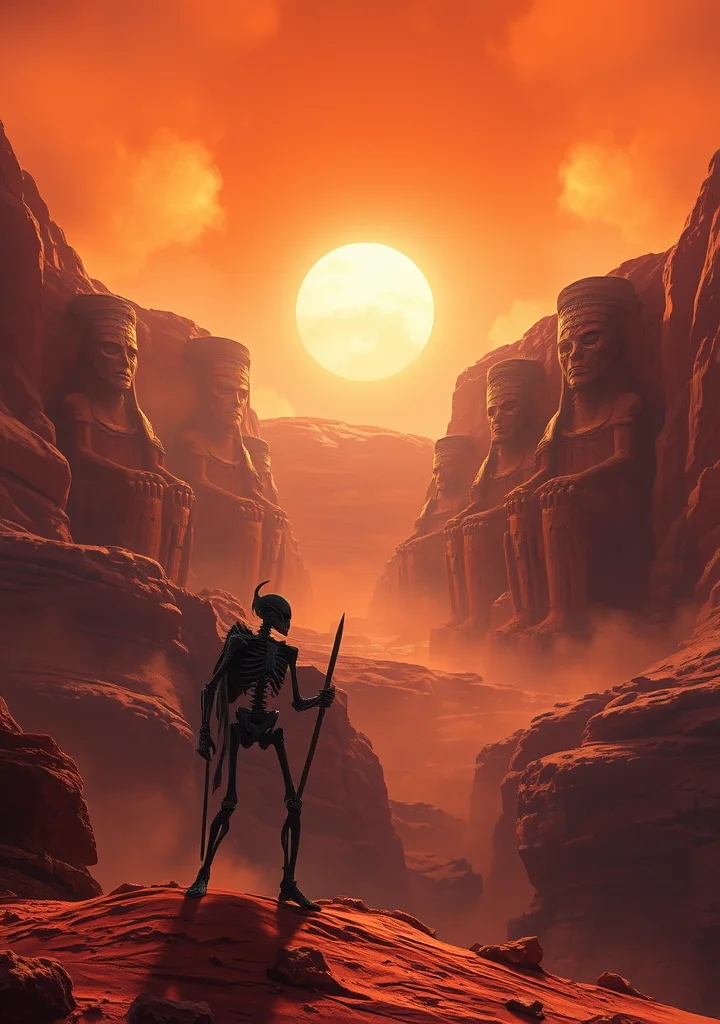
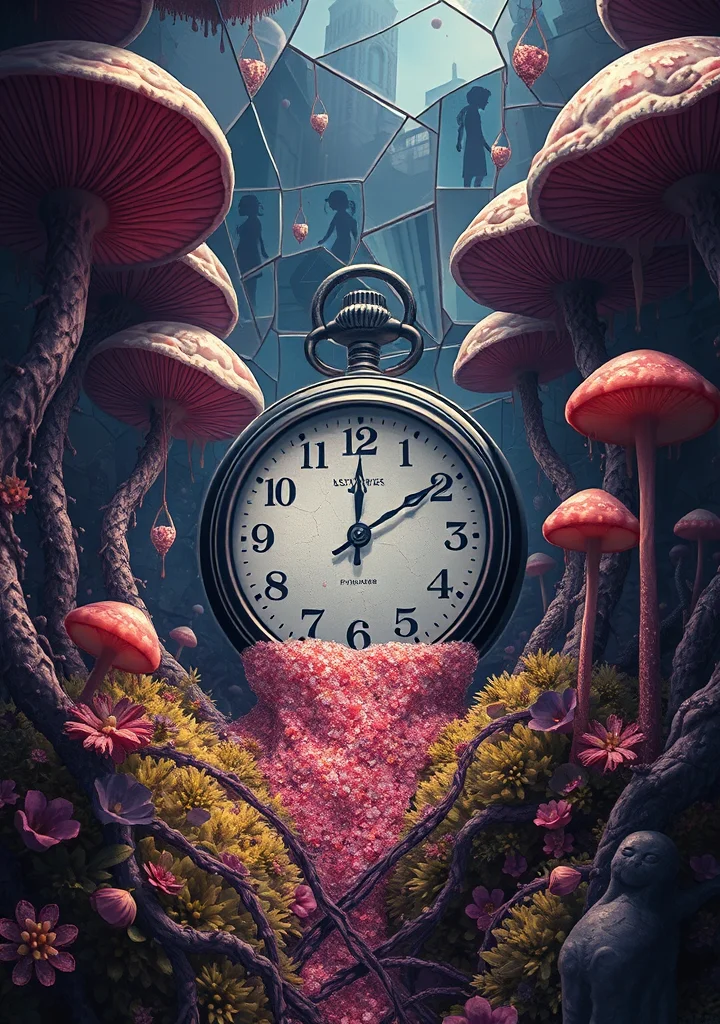
Sunken cities whisper beneath the emerald plains, their histories etched in the rust-colored earth. The air is thick with the scent of strange herbs and the low murmur of rituals performed under the pallid gaze of a dying sun. A pervasive melancholia clings to every encounter, every meticulously constructed law. It’s a land where the boundaries between sanity and delusion blur, where the very fabric of reality unravels with each step further into its deceptive calm. The reader, like the protagonist, is drawn into a suffocating stillness, a world where silence is both a refuge and a prison, and the only escape lies in understanding the monstrous beauty of its inverted logic. The landscape itself breathes a sorrowful, ancient grief, and it seeps into the soul, leaving a residue of doubt long after the final page is turned.
Copyright: Public Domain
This license allows anyone to use your story for any purpose, including printing, selling, or adapting it into a film freely.
This license allows anyone to use your story for any purpose, including printing, selling, or adapting it into a film freely.
More like this