
-
Read 238
-
0
-
Part 2
Completed, First published Mar 02, 2026
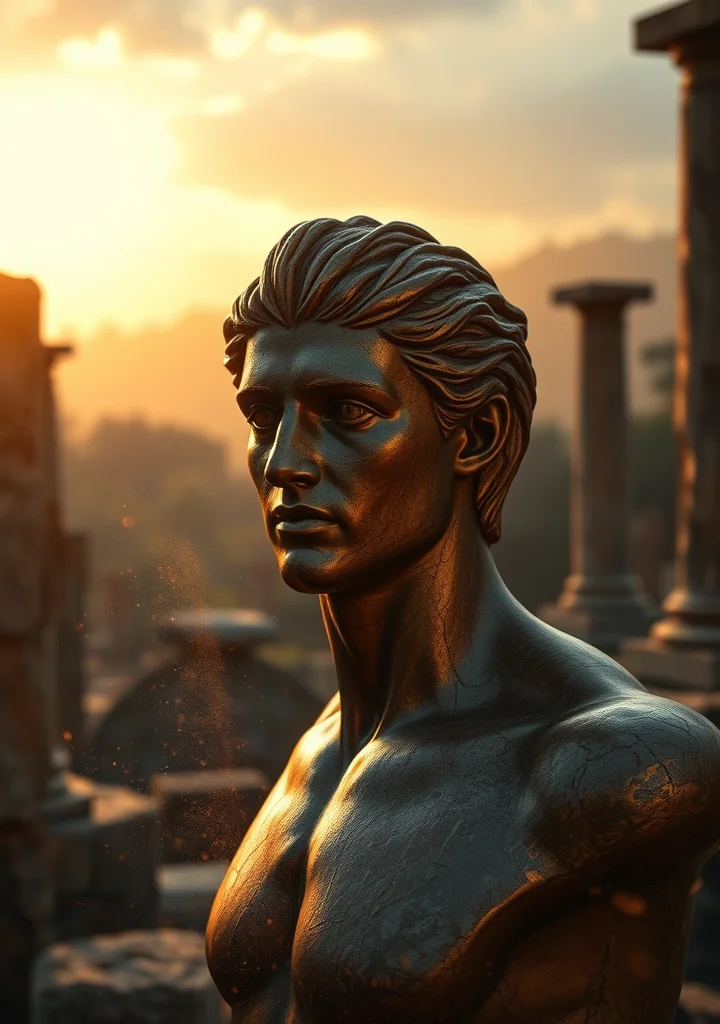
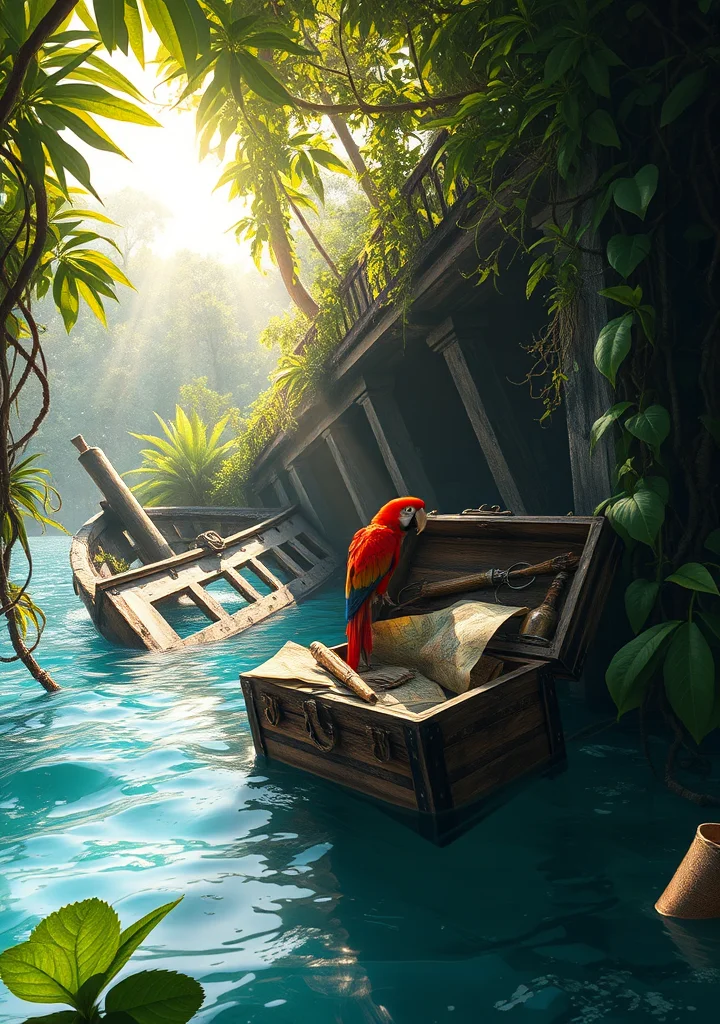
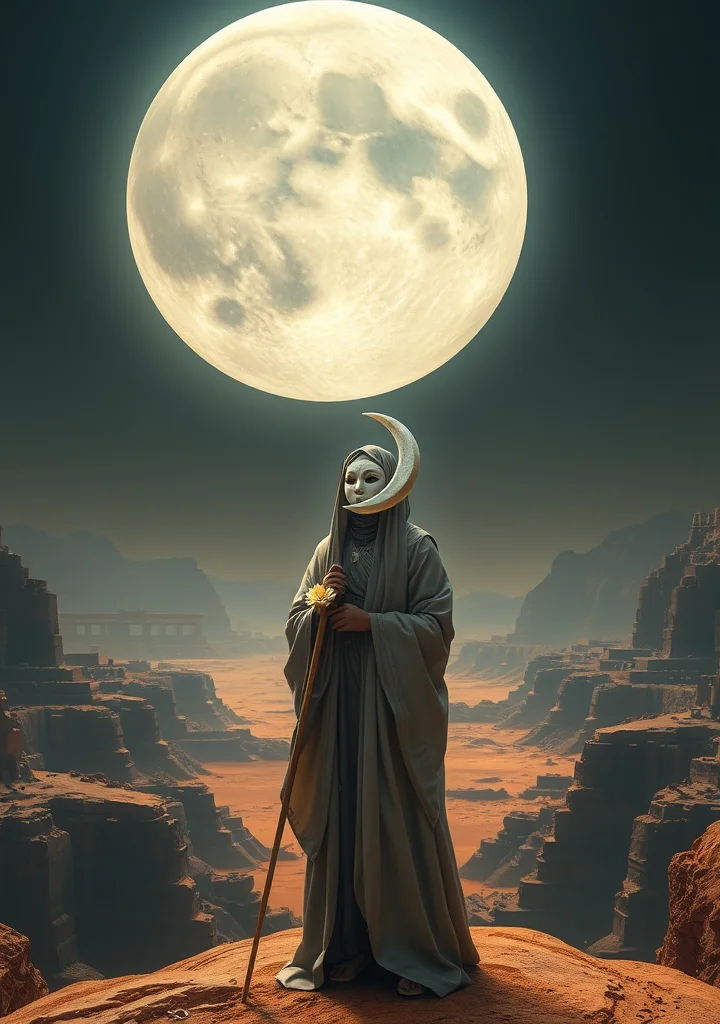
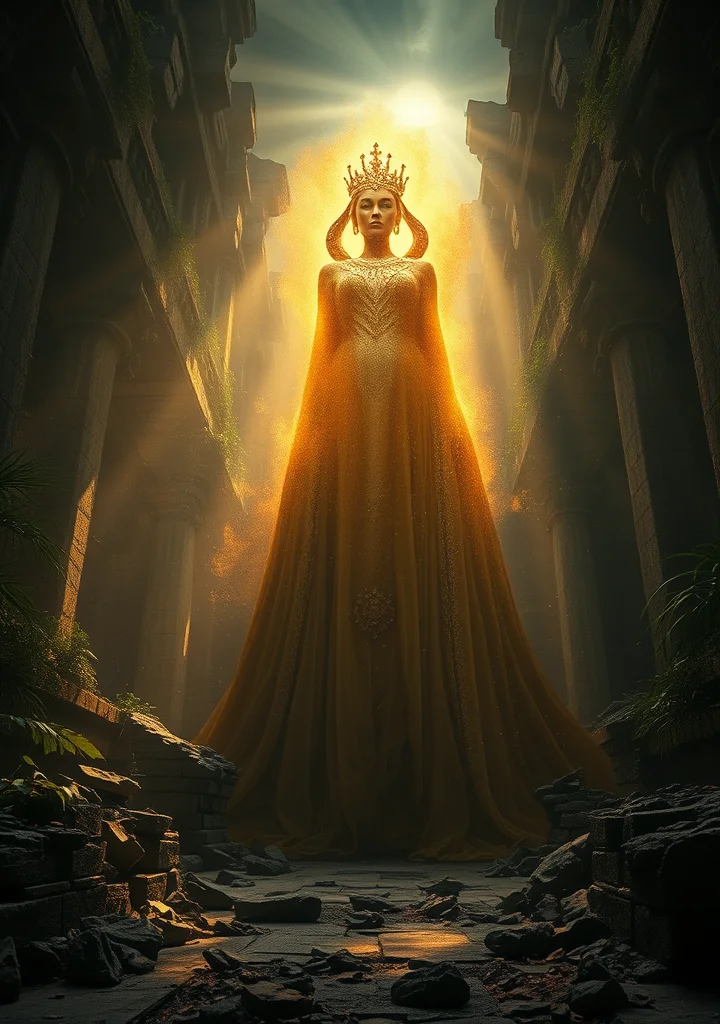
A brine-soaked wind whispers through the rigging, carrying the scent of salt and decay. This is not a tale of heroes bathed in sunlight, but one born from the shadowed heart of the sea. Argonautica unfolds as a creeping dread, a descent into the monstrous geography of myth. Each shore visited by Jason’s crew bleeds into another, blurring the line between waking nightmare and forgotten godhood. The weight of prophecy presses down like the leaden sky over Colchis, mirroring the suffocating ambition that drives Jason onward. But it is the spaces *between* the clashes—the stagnant lagoons mirroring the moon, the echoing caverns where sirens lure with sorrowful songs—that truly haunt. The landscape itself is a character, festering with ancient magic and the ghosts of those consumed by it. Expect not triumph, but a slow unraveling. The gold of Colchis is bought with the unraveling of the soul, and the voyage’s end feels less like arrival and more like a descent into the very maw of oblivion, where the cries of the dying mingle with the sighing of the sea. A darkness clings to every oar stroke, every whispered prayer to gods who offer only fleeting, cruel mercy. This is a saga steeped in the melancholic rot of forgotten empires, where even victory tastes like ash.
Copyright: Public Domain
This license allows anyone to use your story for any purpose, including printing, selling, or adapting it into a film freely.
This license allows anyone to use your story for any purpose, including printing, selling, or adapting it into a film freely.
More like this