
-
Read 676
-
0
-
Part 46
Completed, First published Mar 02, 2026
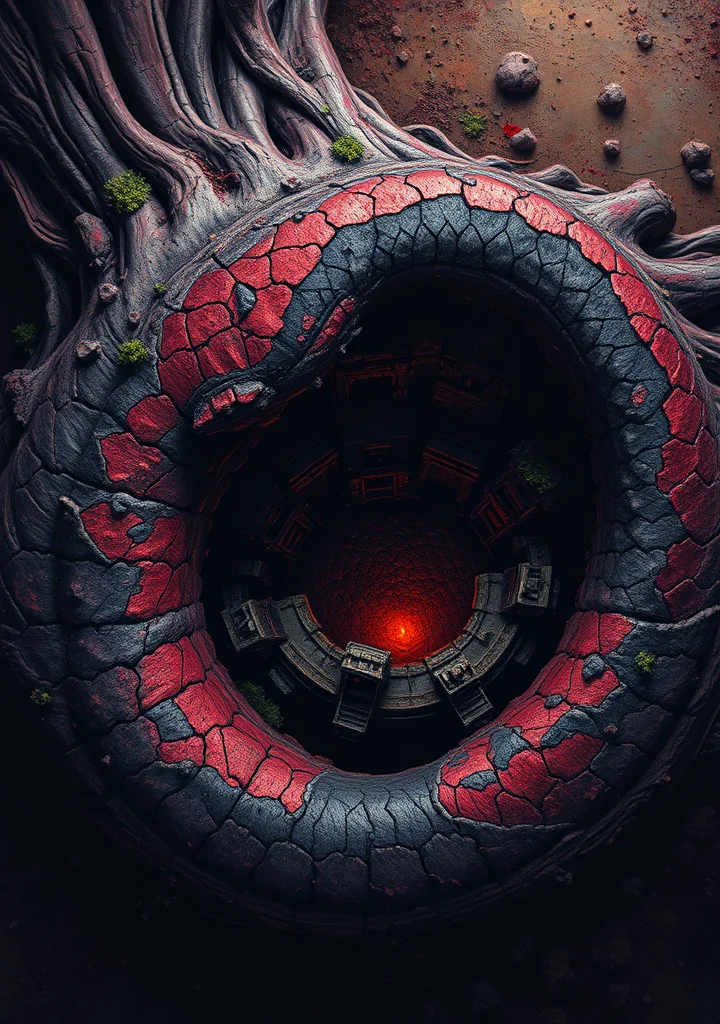
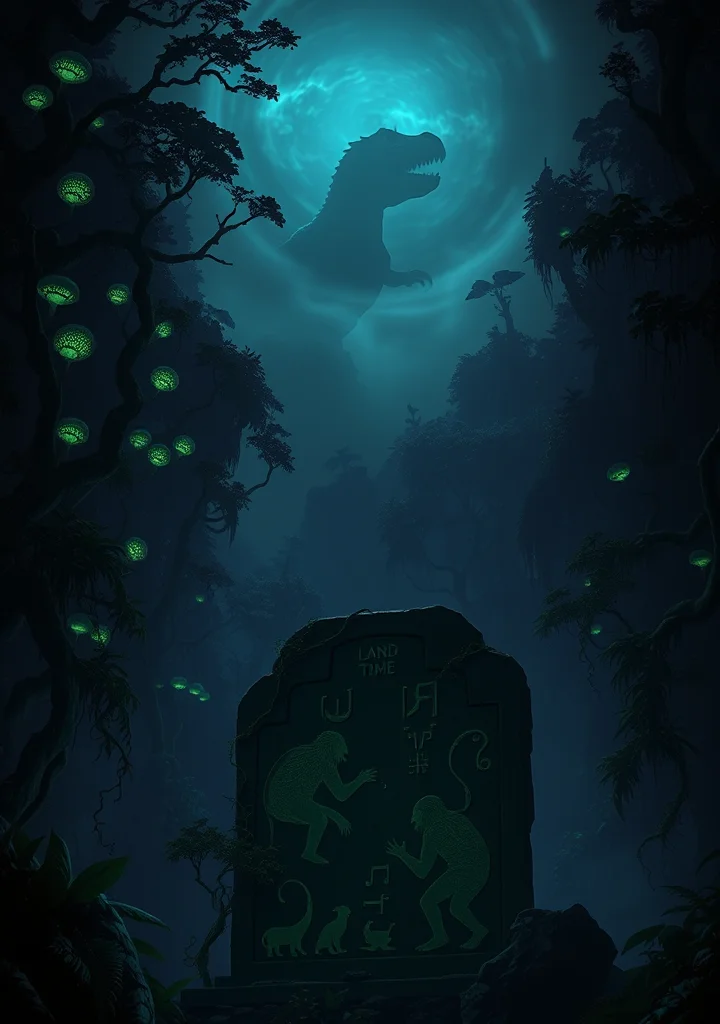
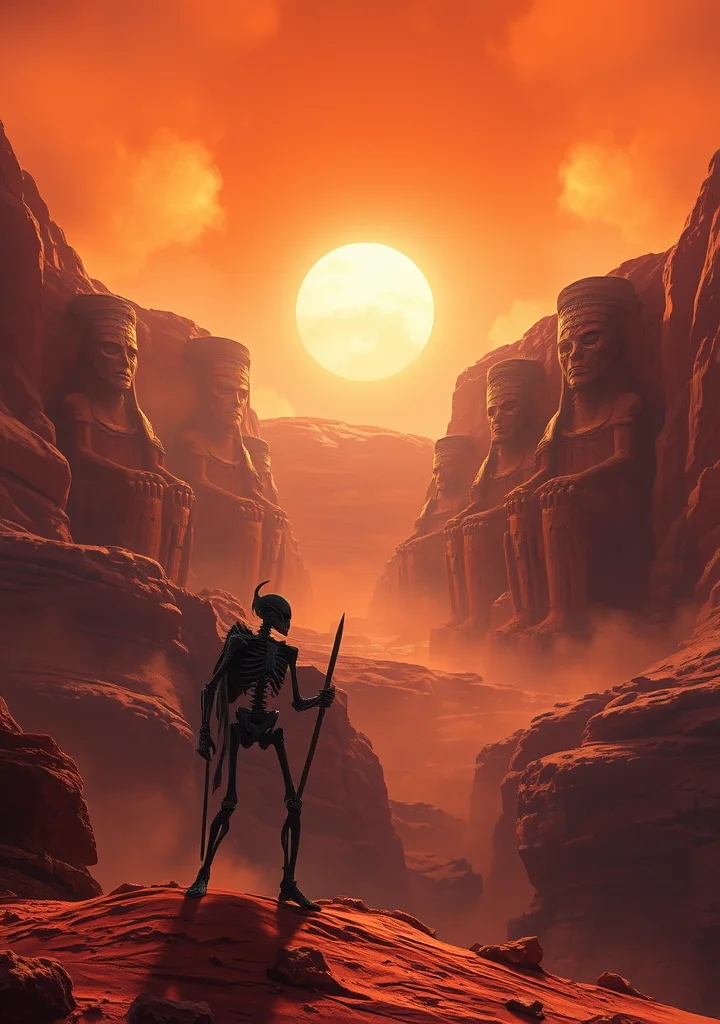
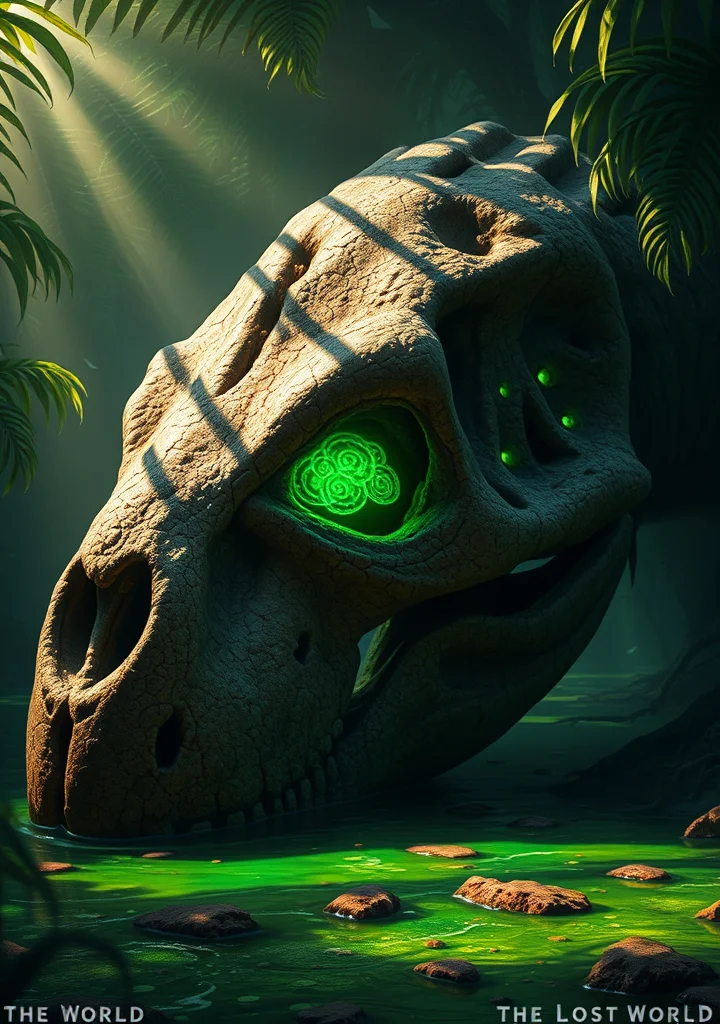
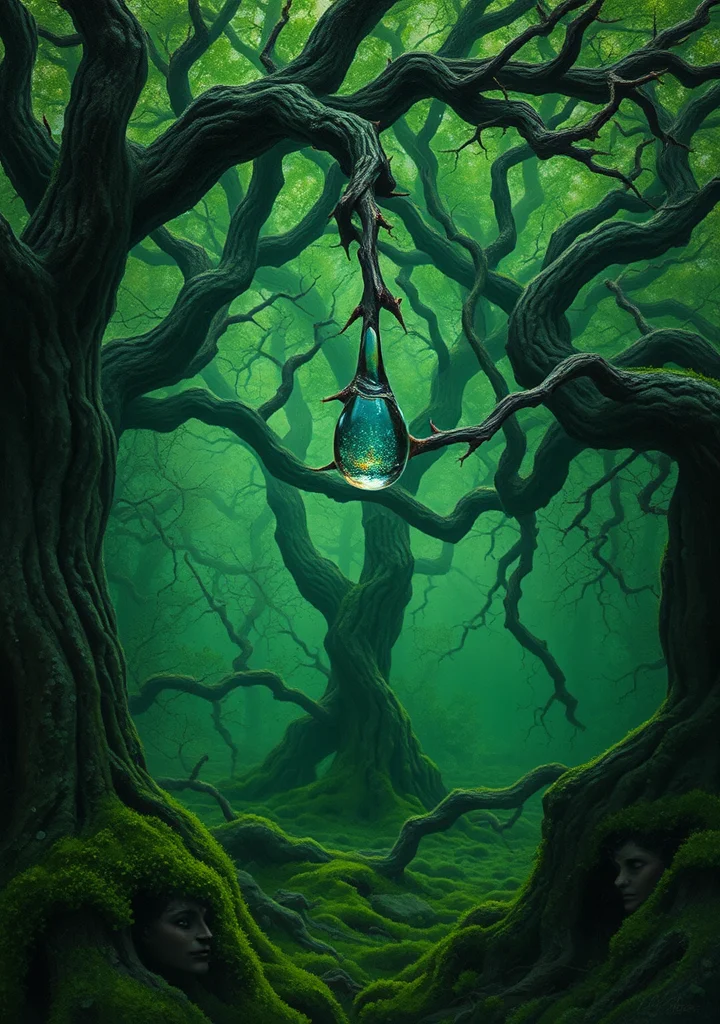
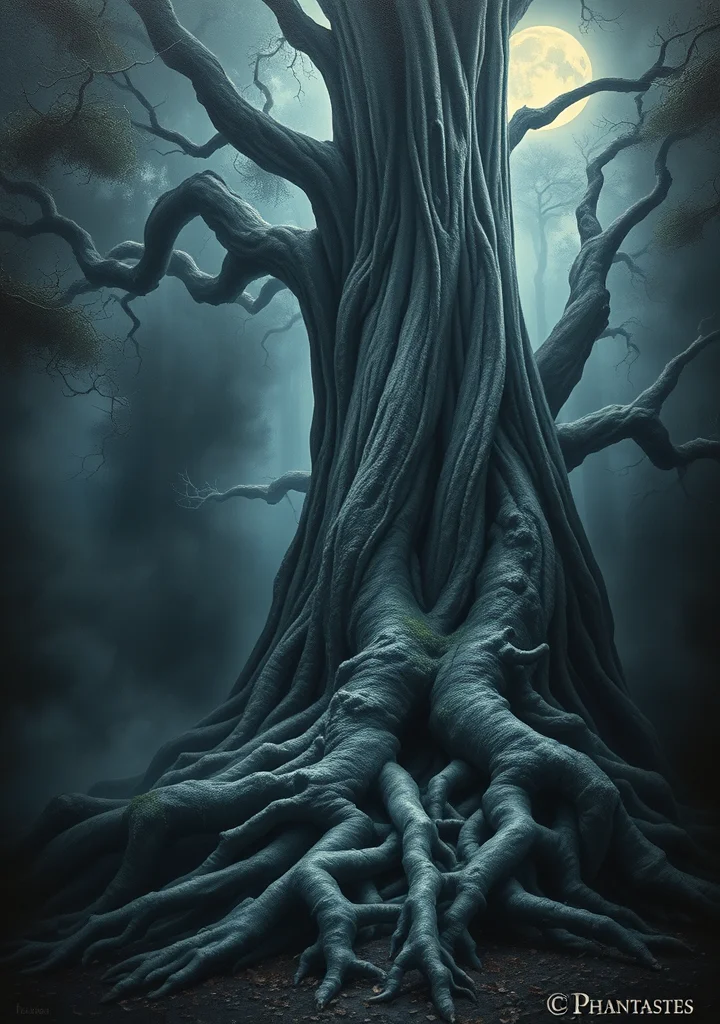
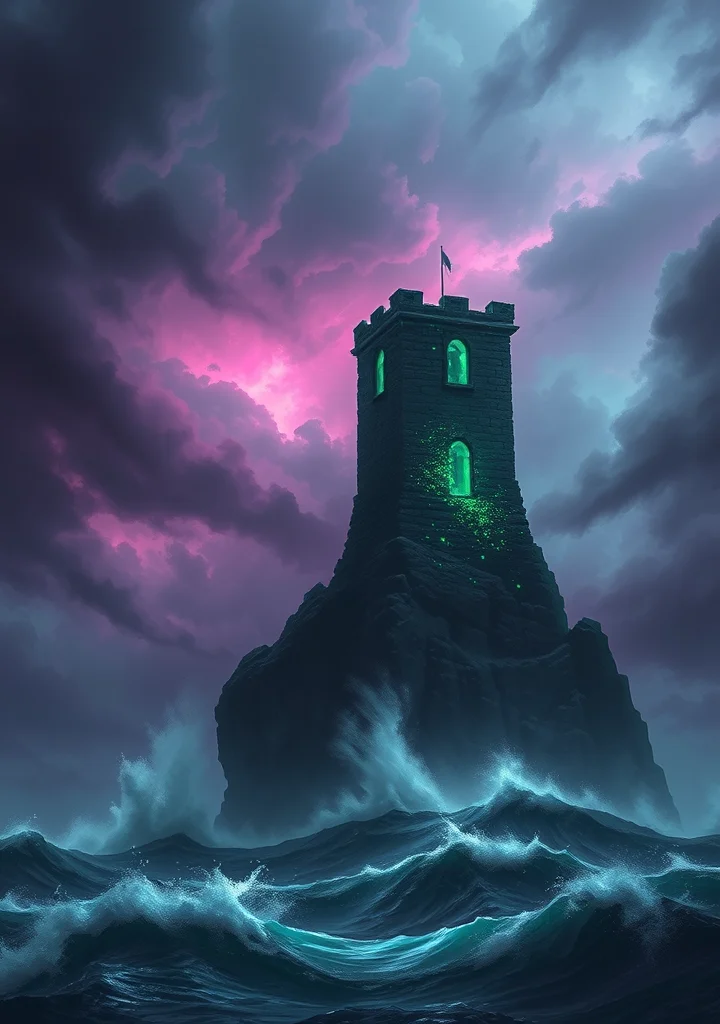
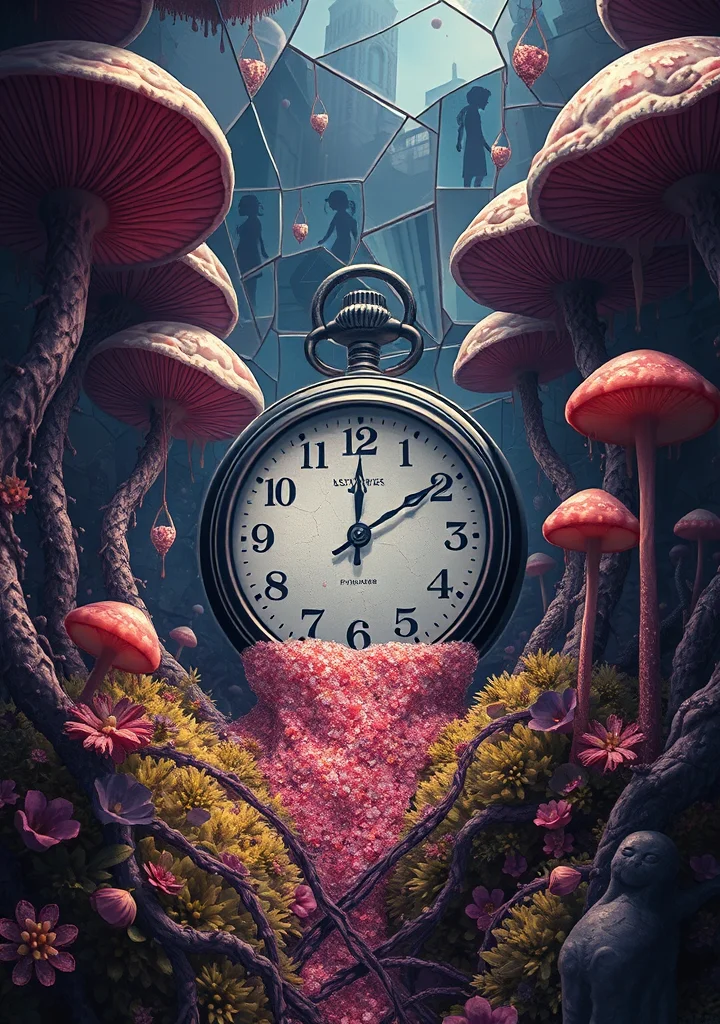
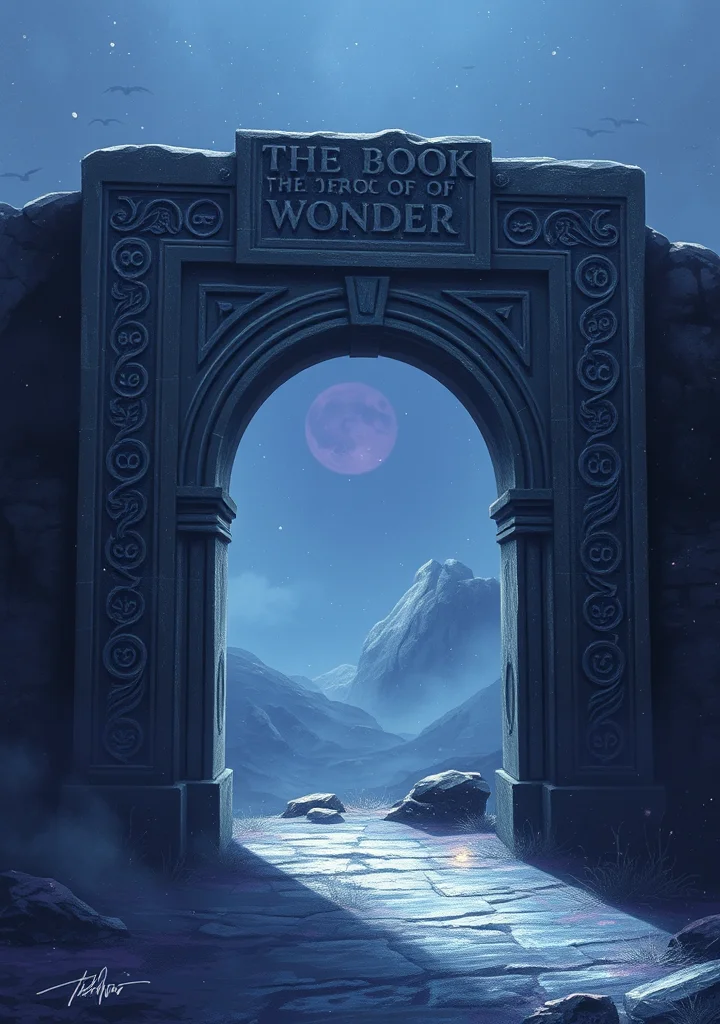
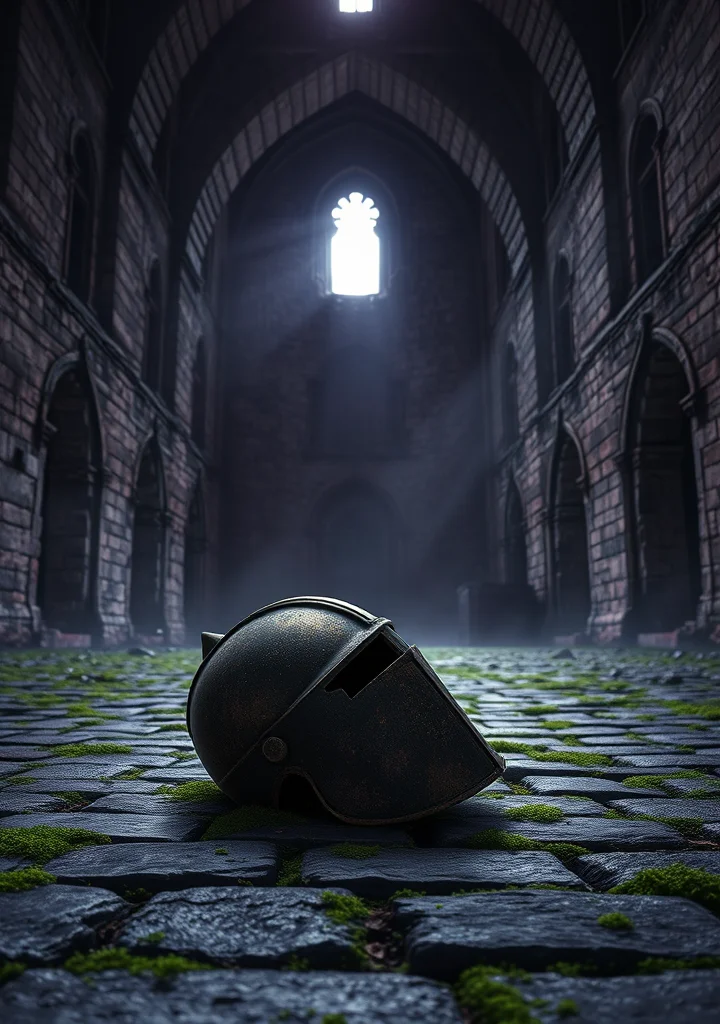
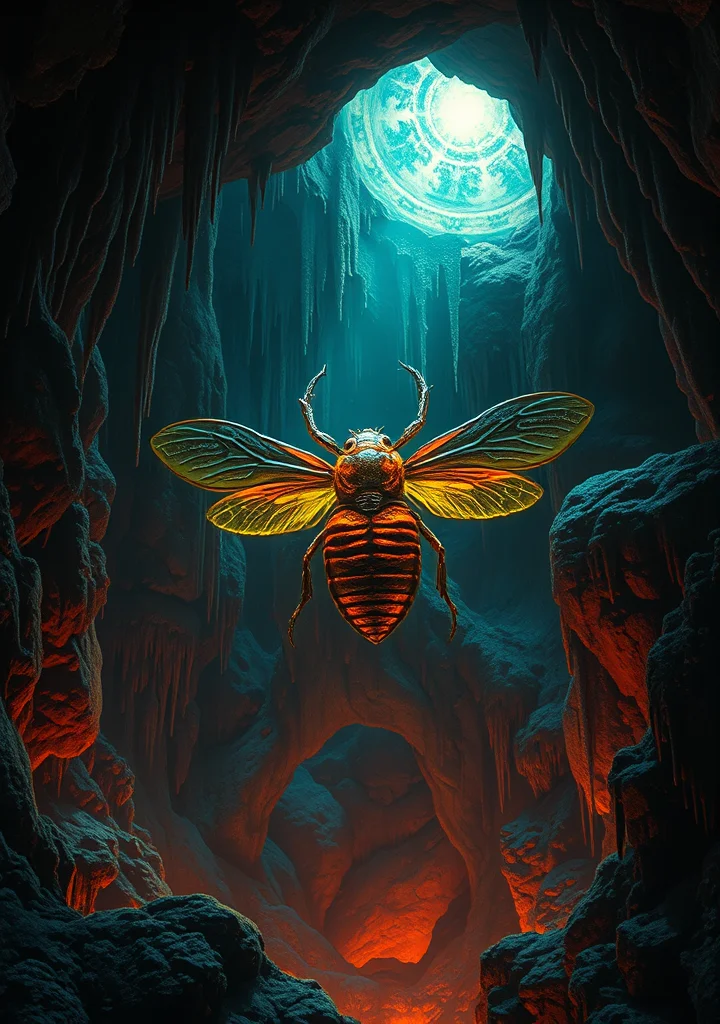
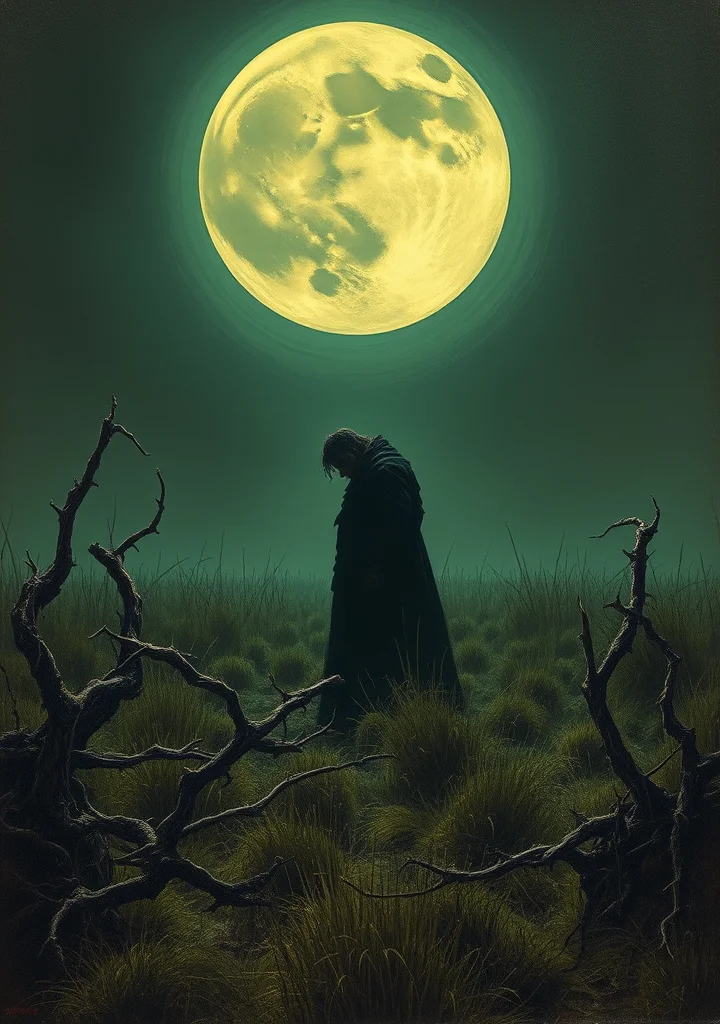
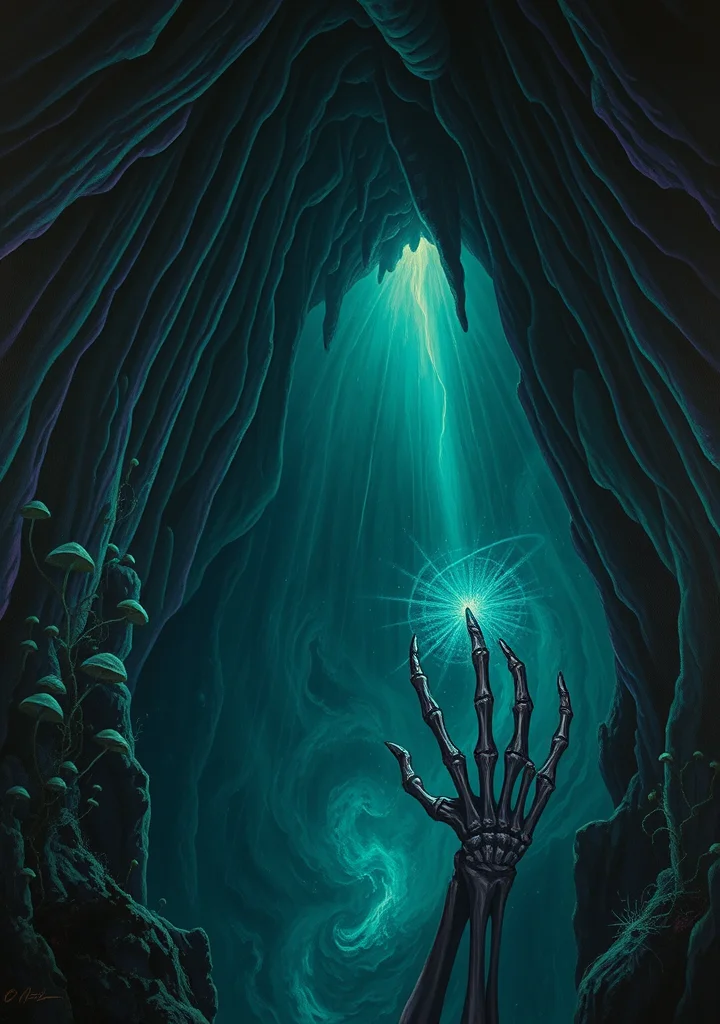
Beneath the suffocating weight of glaciers and the echoing silence of volcanic throats, Professor Lidenbrock drags us down, not into geological wonder, but into a primordial darkness. The narrative isn’t one of scientific discovery, but of descent – a spiraling fall into a world where time itself is fractured. The air thickens with the scent of prehistoric rot and the oppressive dampness clings to every bone. Here, amidst a sunless realm of crystalline caverns and phosphorescent fungi, the true horror isn’t the monsters unearthed, but the creeping realization that humanity’s place isn't above, but *within* the earth’s decaying heart. The further they descend, the more the boundaries between observer and observed blur, until the explorers are indistinguishable from the skeletal remains of forgotten ages. A claustrophobic dread permeates every passage, fueled by the knowledge that escape isn't failure, but a return to a world that suddenly feels fragile and false. The story unfolds not as adventure, but as an unraveling of sanity, a descent into a geological womb where the echoes of creation and destruction intertwine in a suffocating, echoing embrace.
Copyright: Public Domain
This license allows anyone to use your story for any purpose, including printing, selling, or adapting it into a film freely.
This license allows anyone to use your story for any purpose, including printing, selling, or adapting it into a film freely.
Chapter List
-
« Journey to the Center of the Earth »📖 Continue Reading
-
« I »
-
« II »
-
« III »
-
« IV »
-
« V »
-
« VI »
-
« VII »
-
« VIII »
-
« IX »
-
« X »
-
« XI »
-
« XII »
-
« XIII »
-
« XIV »
-
« XV »
-
« XVI »
-
« XVII »
-
« XVIII »
-
« XIX »
-
« XX »
-
« XXI »
-
« XXII »
-
« XXIII »
-
« XXIV »
-
« XXV »
-
« XXVI »
-
« XXVII »
-
« XXVIII »
-
« XXIX »
-
« XXX »
-
« XXXI »
-
« XXXII »
-
« XXXIII »
-
« XXXIV »
-
« XXXV »
-
« XXXVI »
-
« XXXVII »
-
« XXXVIII »
-
« XXXIX »
-
« XL »
-
« XLI »
-
« XLII »
-
« XLIII »
-
« XLIV »
-
« XLV »
46
-
« Journey to the Center of the Earth »
-
« I »
-
« II »
-
« III »
-
« IV »
-
« V »
-
« VI »
-
« VII »
-
« VIII »
-
« IX »
-
« X »
-
« XI »
-
« XII »
-
« XIII »
-
« XIV »
-
« XV »
-
« XVI »
-
« XVII »
-
« XVIII »
-
« XIX »
-
« XX »
-
« XXI »
-
« XXII »
-
« XXIII »
-
« XXIV »
-
« XXV »
-
« XXVI »
-
« XXVII »
-
« XXVIII »
-
« XXIX »
-
« XXX »
-
« XXXI »
-
« XXXII »
-
« XXXIII »
-
« XXXIV »
-
« XXXV »
-
« XXXVI »
-
« XXXVII »
-
« XXXVIII »
-
« XXXIX »
-
« XL »
-
« XLI »
-
« XLII »
-
« XLIII »
-
« XLIV »
-
« XLV »
More like this