
-
Read 177
-
0
-
Part 7
Completed, First published Mar 02, 2026
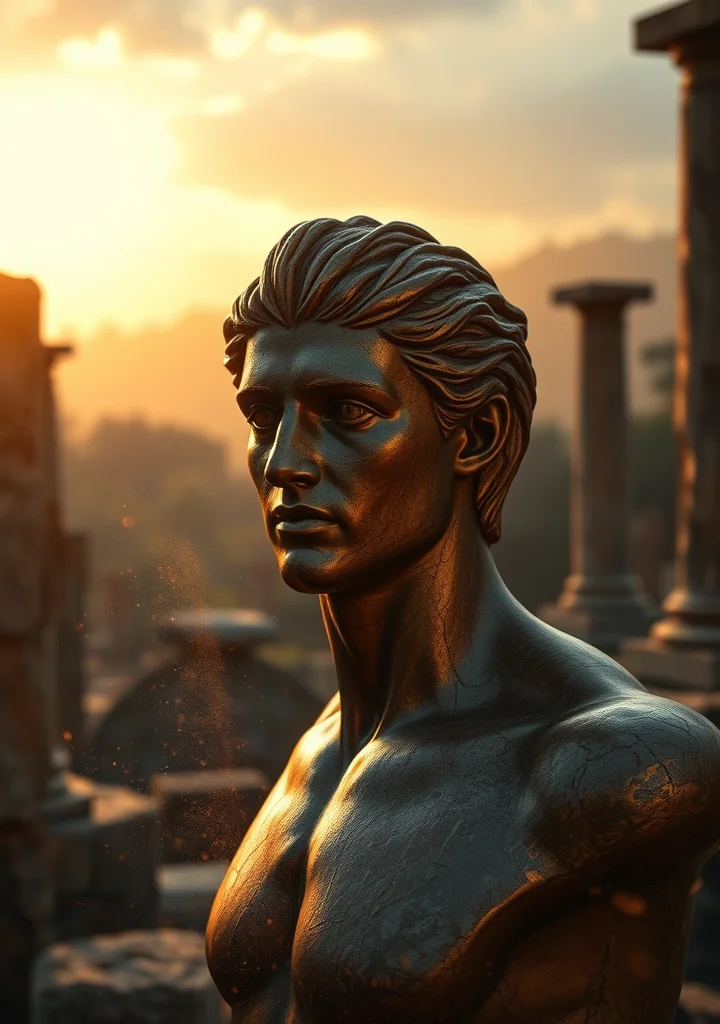
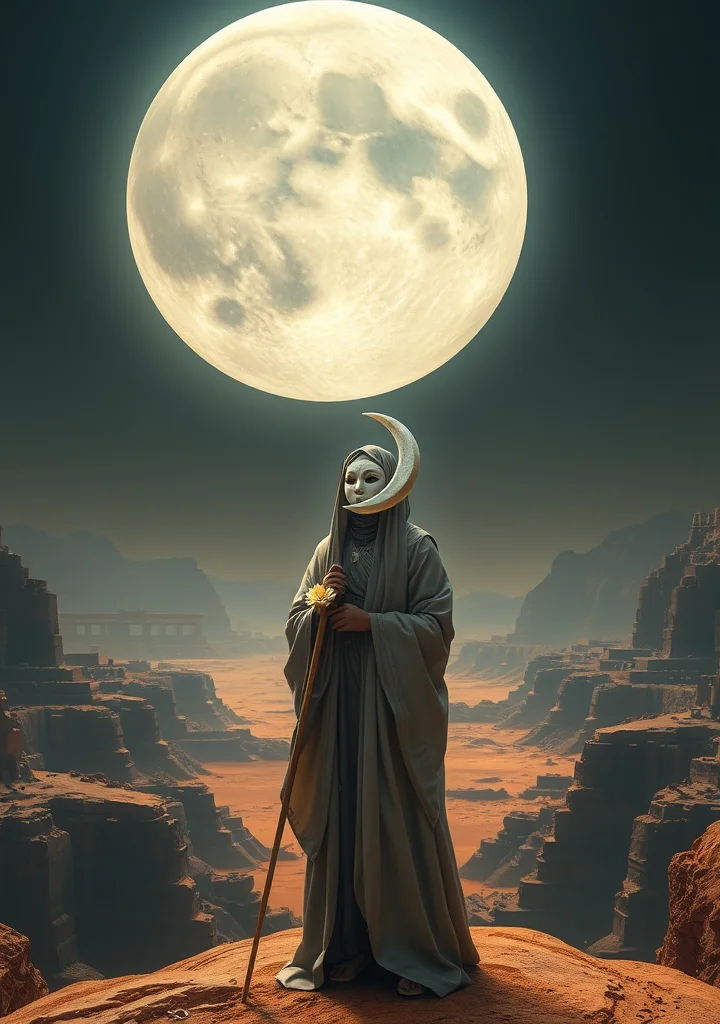
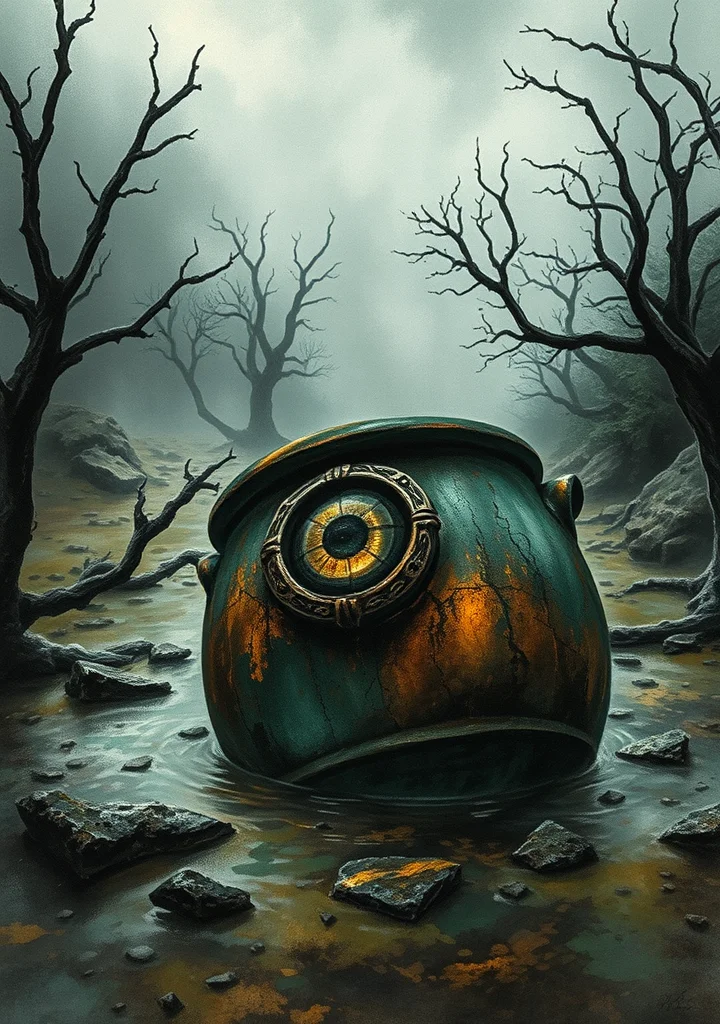
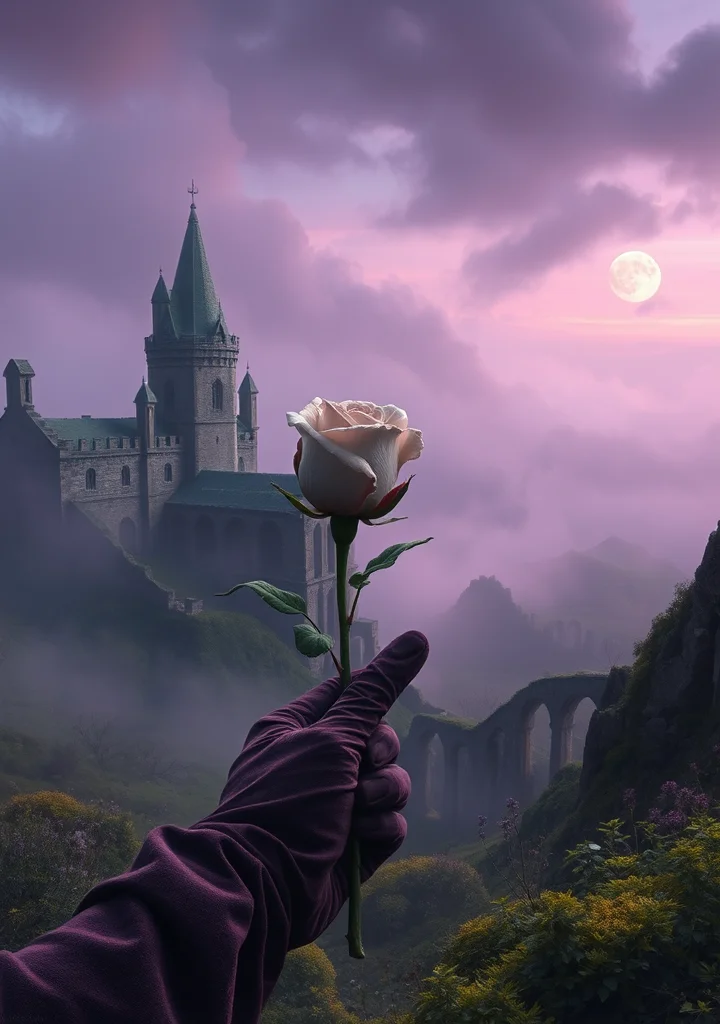
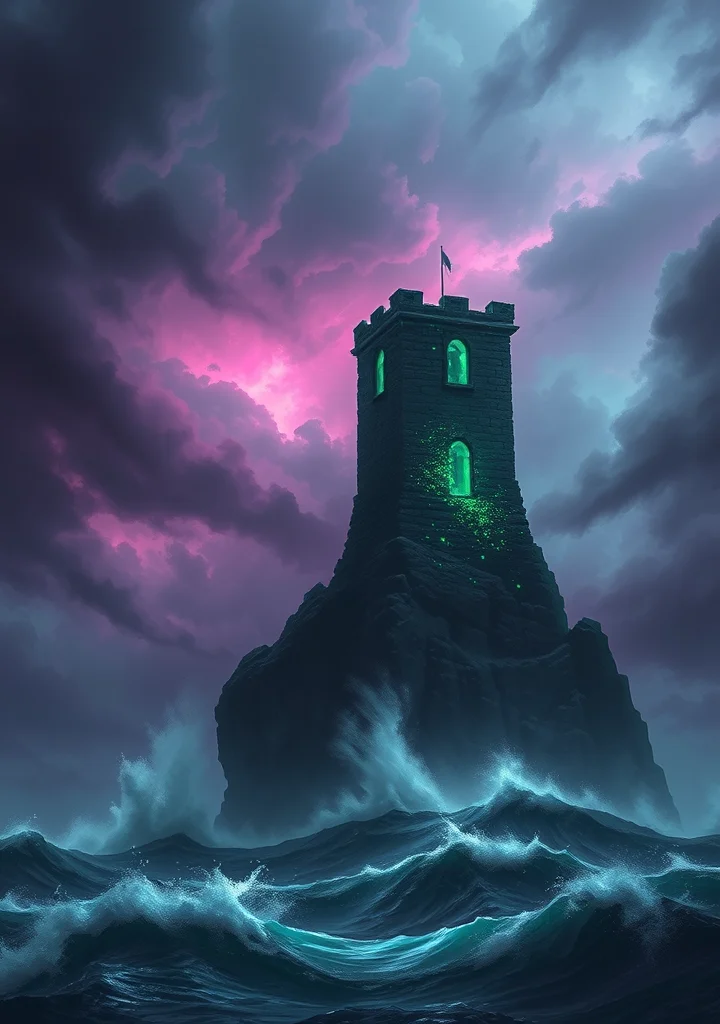
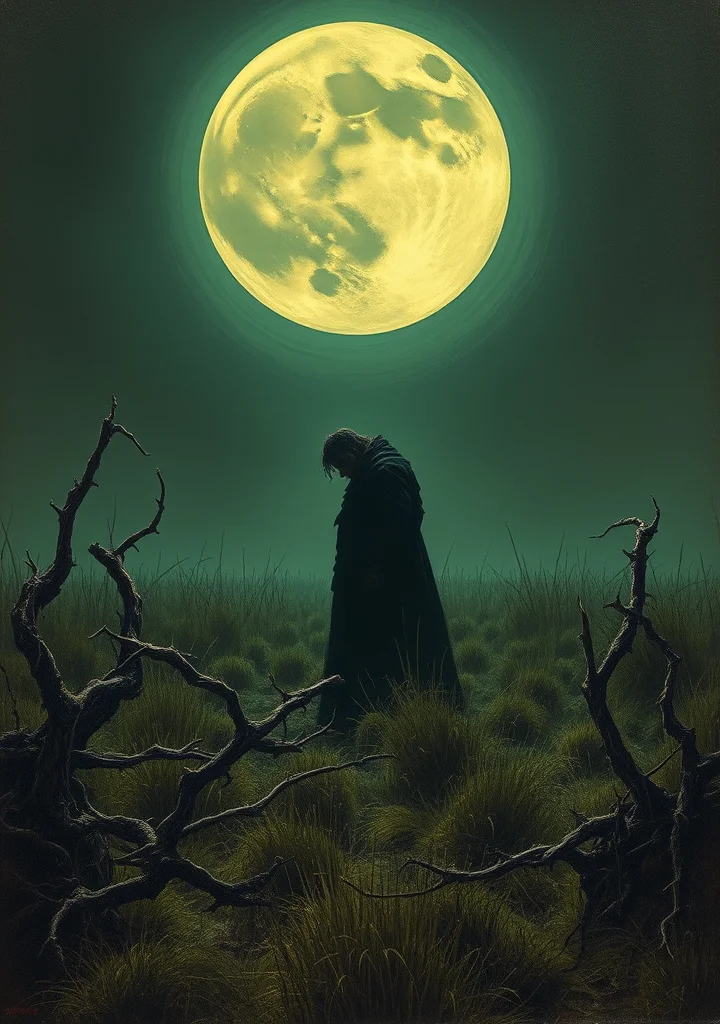
A peat-bog moon hangs low over the ragged coastline, staining the turf with a sickly luminescence. Here, in a remote Irish village clinging to the edge of the world, a stranger arrives – a mute, hulking figure claiming to have murdered his father. But the truth, like the bog itself, is a mire of ancient myth and desperate longing. The air is thick with superstition, with the scent of peat smoke and the whisper of forgotten gods. He becomes a legend overnight, a phantom emboldened by the women who crave a wild, untamed masculinity. Yet, the very act of claiming power fractures the world around him, revealing a simmering violence beneath the veneer of peasant life. The landscape itself is a character, breathing with the weight of centuries. It's a place where the boundaries between reality and folklore blur, where the primal urge to escape a father's shadow becomes a desperate, suffocating dance with fate. The play unfolds as a descent into a brutal, elemental world, haunted by the echoes of a past where men are wolves and the land demands blood. The final act is a suffocating claustrophobia, the weight of expectation and the violence of the world crushing down on the stranger's stolen identity. It leaves you with the taste of ash and the sound of the sea swallowing the last vestiges of hope.
Copyright: Public Domain
This license allows anyone to use your story for any purpose, including printing, selling, or adapting it into a film freely.
This license allows anyone to use your story for any purpose, including printing, selling, or adapting it into a film freely.
More like this