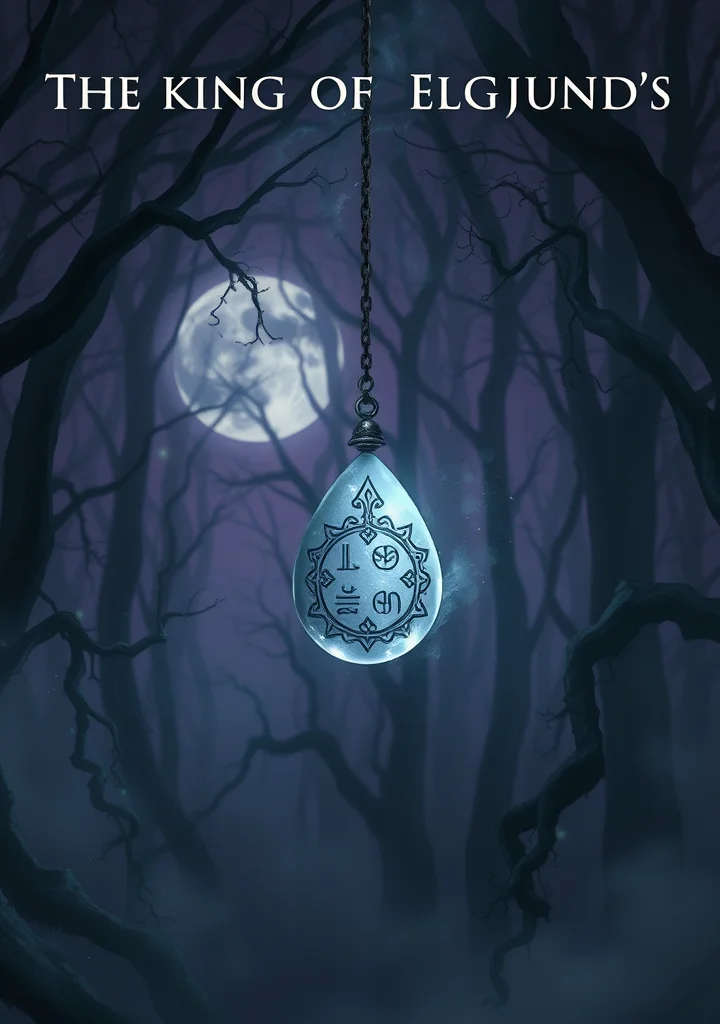

The King of Elfland’s Daughter
  • 316
  • 0
  • 38
  • Reads 316
  • 0
  • Part 38
Completed, First published Mar 02, 2026

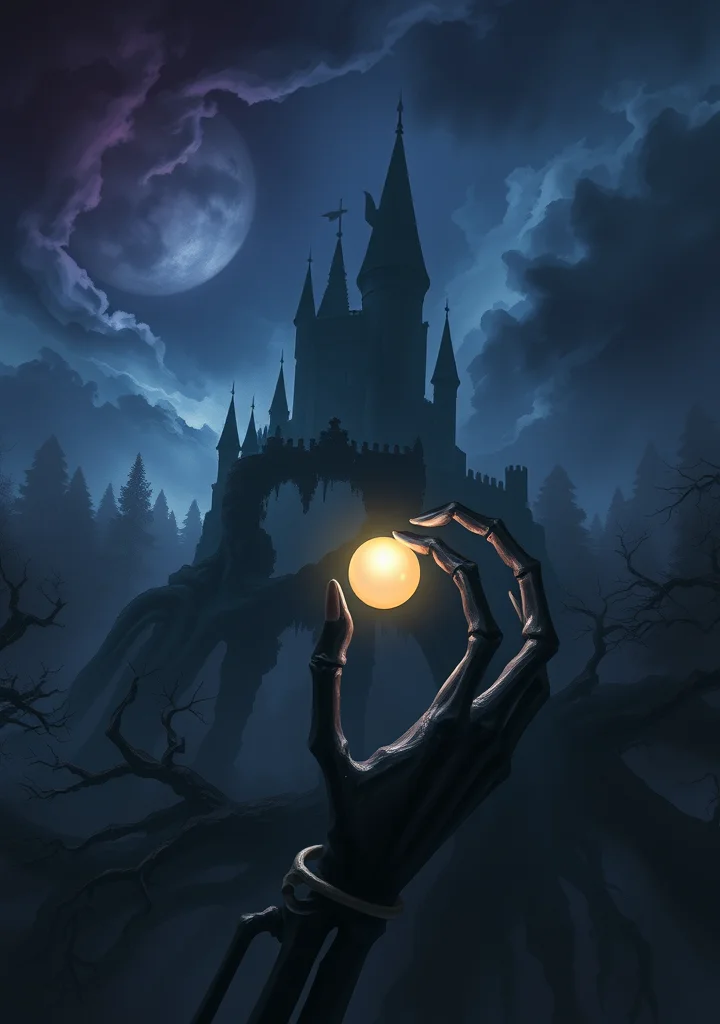
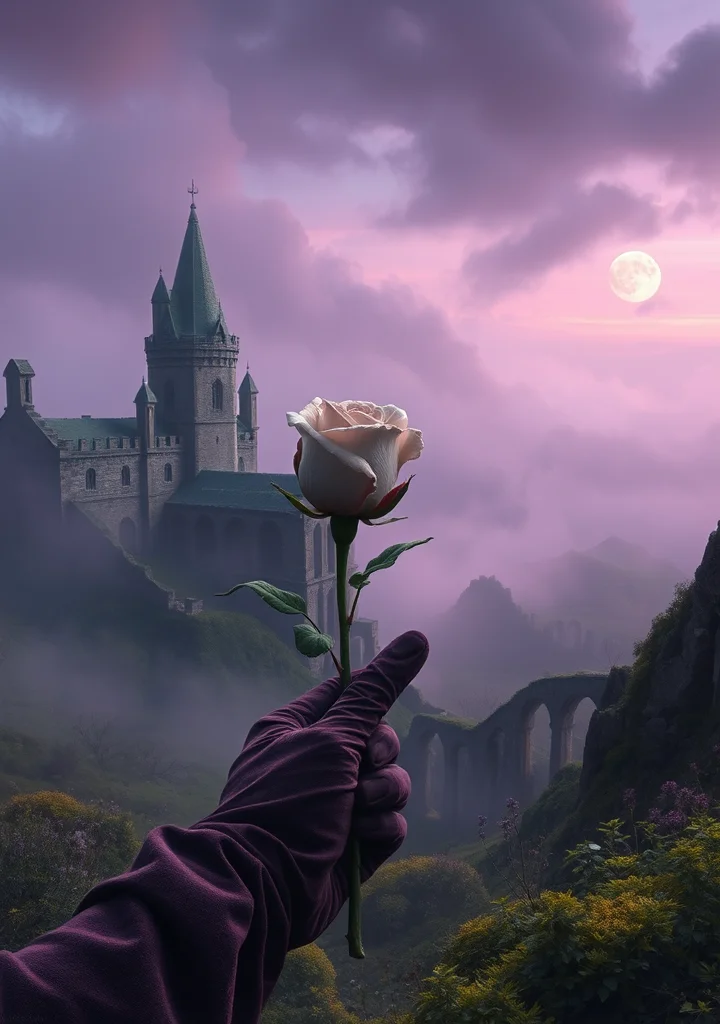
A twilight realm bleeds into waking dreams. This is a story steeped in the chill of ancient forests, where shadows cling to stone and the air tastes of forgotten magic. The daughter of the Elfland King, a creature of moon-spun silk and sorrow, descends into the mortal world, drawn by a love both perilous and inevitable. But her arrival isn’t a blessing; it’s a fracturing of worlds, a slow unraveling of the boundaries between reality and faerie. The narrative unfolds through a haze of regret and wistful longing, each chapter echoing with the rustle of leaves and the sigh of unseen things. A human world, brittle and fading, is touched by the otherworldly grace of Elfland, and its inhabitants find themselves caught in a web of enchantment and melancholy. It’s a landscape of crumbling castles, haunted woodlands, and the creeping realization that joy is always purchased with loss. The atmosphere is one of perpetual autumn, of damp earth and decaying grandeur. A creeping dread settles over the reader as the daughter's sorrow deepens, mirroring the encroaching darkness that threatens to consume not just her, but the fragile beauty of the world she touches. This is not a tale of triumph, but of inevitable fading, a story where the most beautiful things are destined to break, leaving only echoes and the bittersweet scent of what once was.
Copyright: Public Domain
This license allows anyone to use your story for any purpose, including printing, selling, or adapting it into a film freely.
Recommended for you
58 Part
A creeping damp clings to the Wiltshire lanes, a stillness broken only by the sigh of unseen birds and the rustle of leaves under a bruised, autumnal sky. This is not a tale of grand horrors, but of a slow, insidious unraveling, witnessed through the eyes of a man adrift in the pastoral heart of England. The narrative breathes with the scent of decaying woodsmoke and the chill of morning mist, clinging to the hollows of ancient oaks. It’s a story of a man’s descent into a peculiar solitude, where the boundaries between the living world and the spectral realm thin with each passing dew-soaked hour. The world feels porous, permeable—a place where the ghosts of forgotten labourers linger in the fields, and the very soil seems to remember every footstep pressed into its yielding embrace. There’s a sense of something *watching* from the hedgerows, not malice exactly, but an ancient, weary awareness. The protagonist’s mind wanders, mirroring the labyrinthine paths of the woods, losing itself in reveries that bleed into unsettling visions. Sunlight, when it pierces the gloom, feels less like warmth and more like a cold, spectral illumination, revealing the bones beneath the beauty. The narrative doesn’t rush, but *seeps* into your consciousness like the damp that stains the stone walls of forgotten cottages. It’s a world where the everyday is haunted, where the simple act of walking a field path becomes a journey into the shadowed corners of the self, and where the dew-kissed morn promises not renewal, but a quiet, melancholic surrender to the encroaching stillness.
30 Part
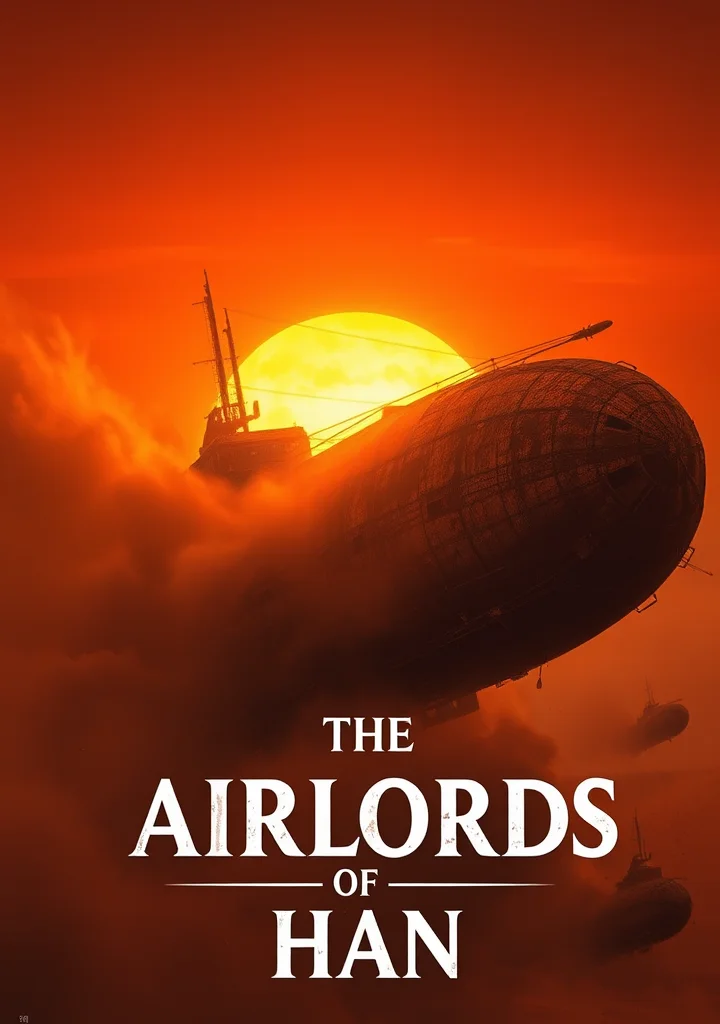
A creeping fog clings to the shattered remnants of empires, mirroring the ruinous calculations etched into every treaty line. This is not a history of battles won, but of debts accrued, of futures bartered away in gilded salons and shadowed counting houses. The air hangs thick with the scent of ash and regret, a chill seeping from the very stone of Versailles. Each paragraph feels like a slow excavation of a buried grief, uncovering the rot beneath the veneer of restoration. The narrative doesn't explode with violence, but unravels in the quiet decay of promises broken. It’s a story told in ledger books and whispered anxieties, a creeping dread that settles not in grand catacombs, but in the hollowed-out eyes of merchants and the tightening grip of creditors. A suffocating weight presses down, not of armies, but of unrealized loans and the spectral hunger of nations left to starve on the bones of their pride. The prose itself is a labyrinth of clauses and caveats, mirroring the intricate, suffocating web of obligations woven after the war. It's a world lit by the flickering gaslight of statistical tables, where every decimal point feels like a nail hammered into the coffin of stability. A subtle, pervasive despair permeates the text, the sense that even in the meticulous charting of consequence, the abyss stares back, indifferent to the logic of man. The true horror isn't found in the carnage of the guns, but in the cold, elegant precision with which hope is systematically dismantled, and the silence that follows.