
-
Read 638
-
0
-
Part 40
Completed, First published Mar 02, 2026
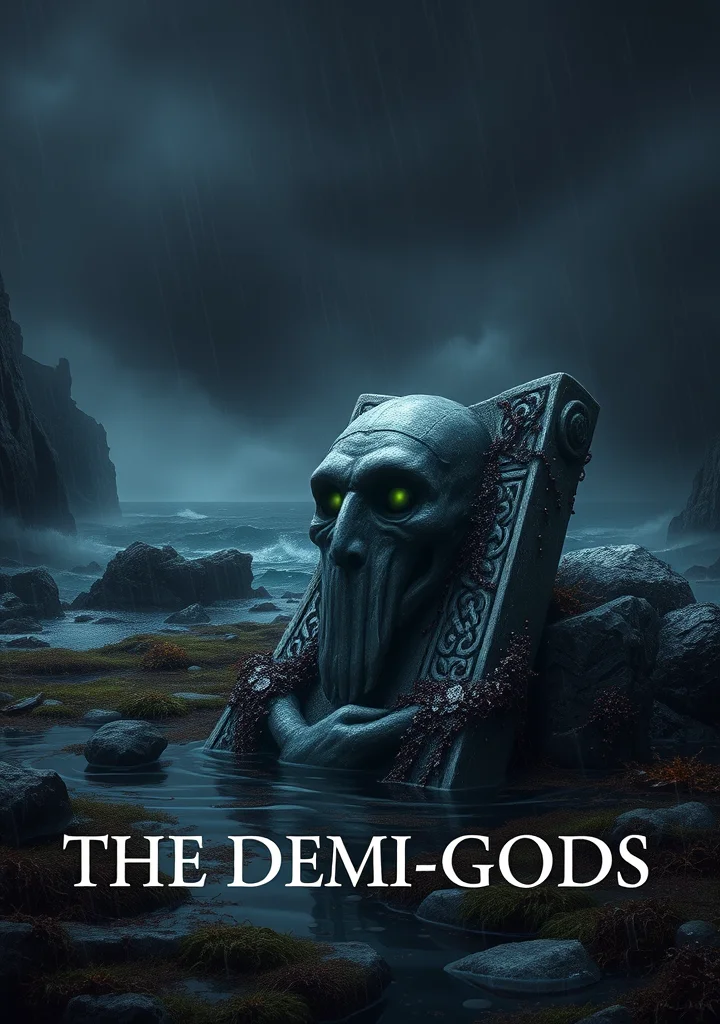
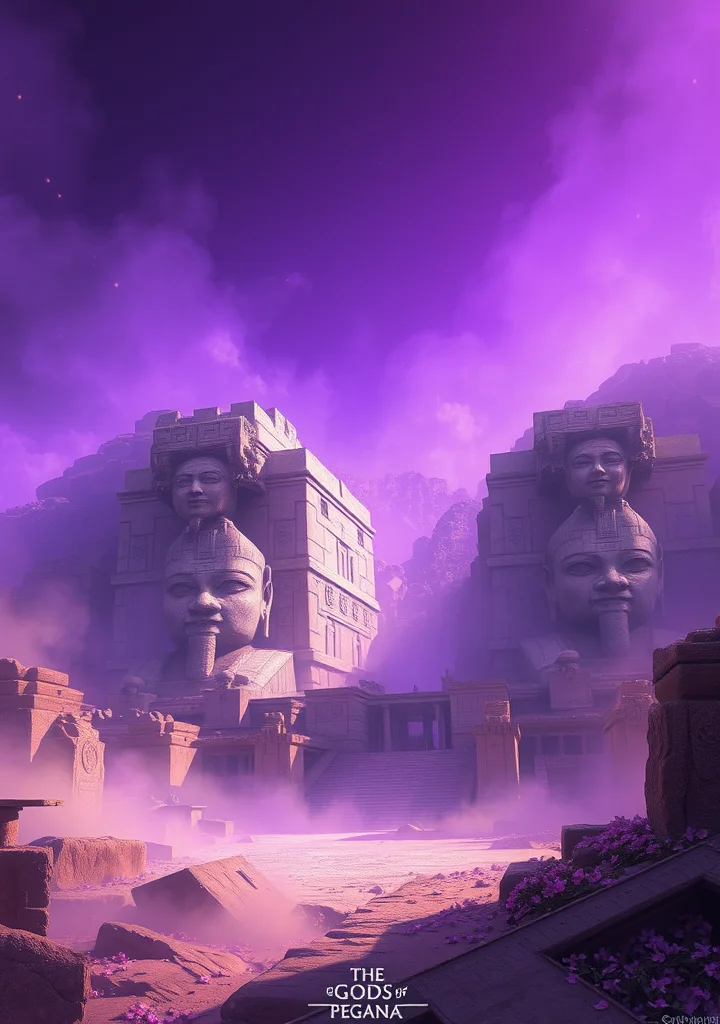
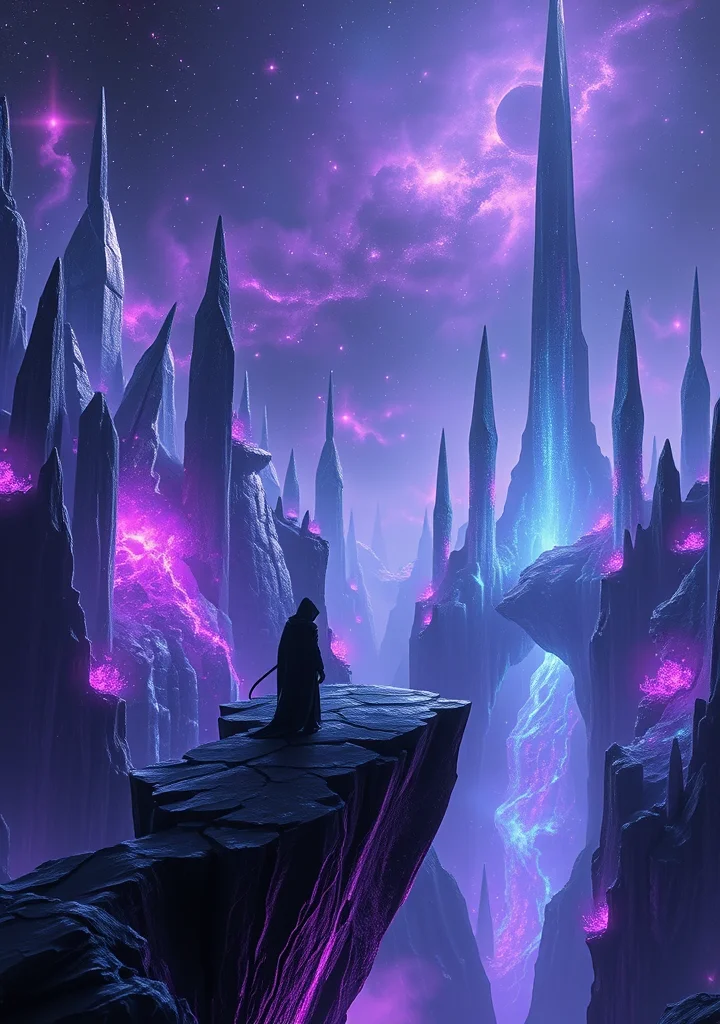
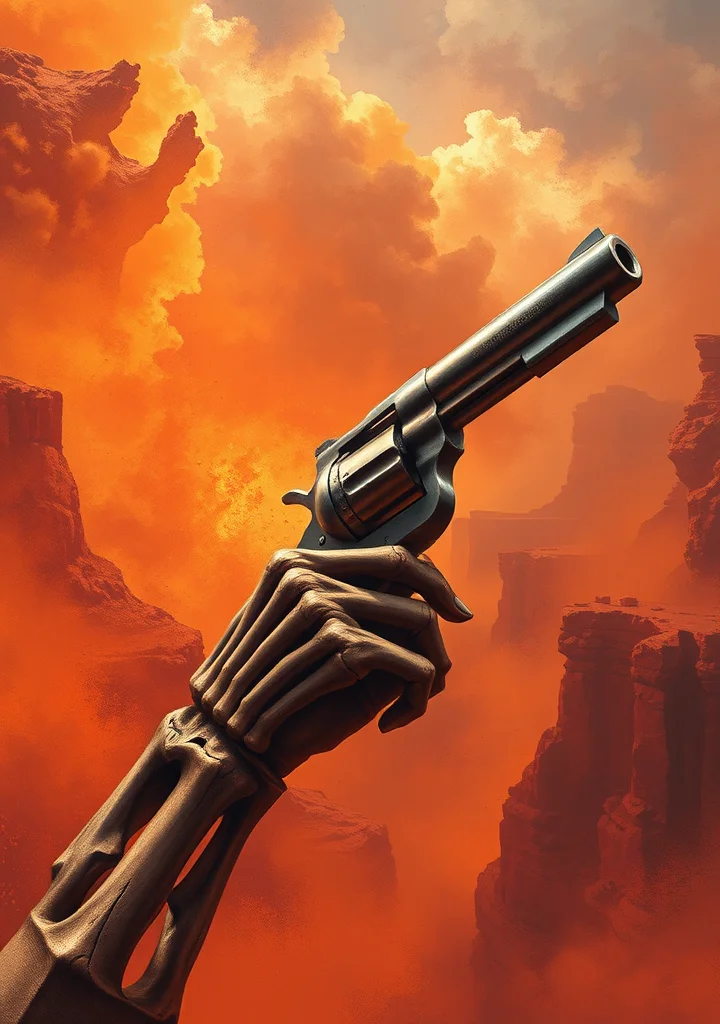
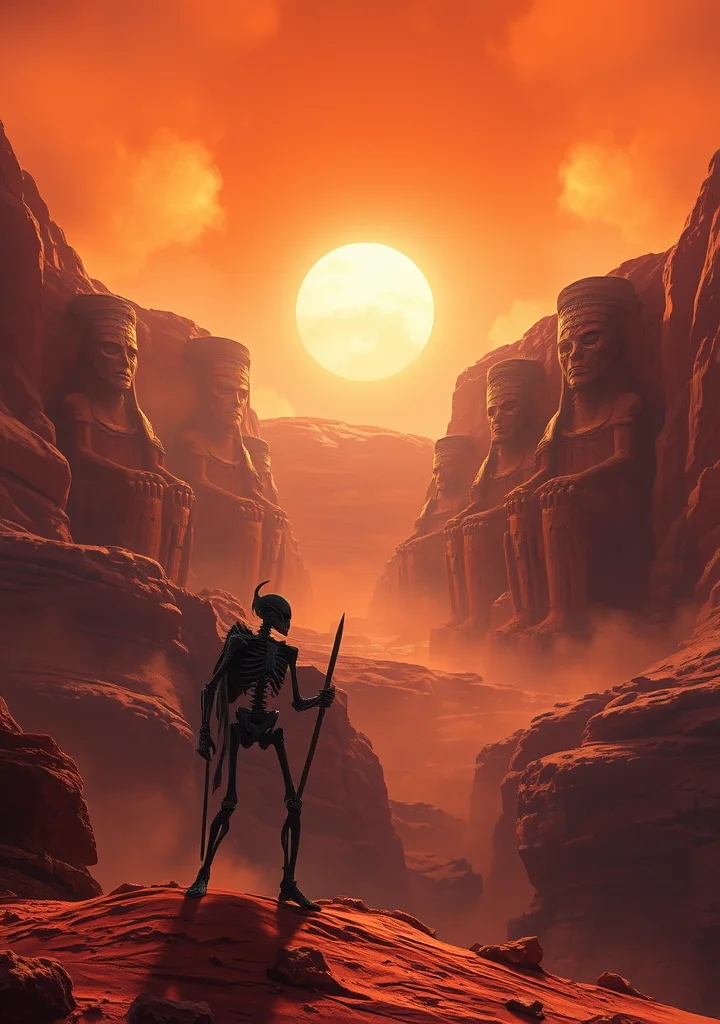
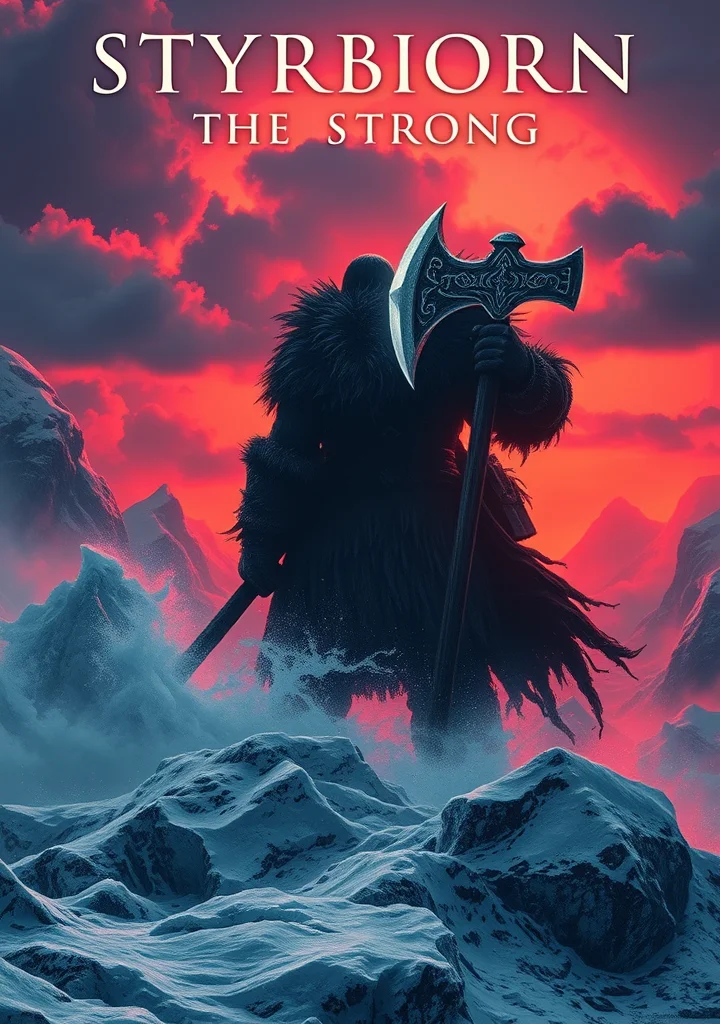
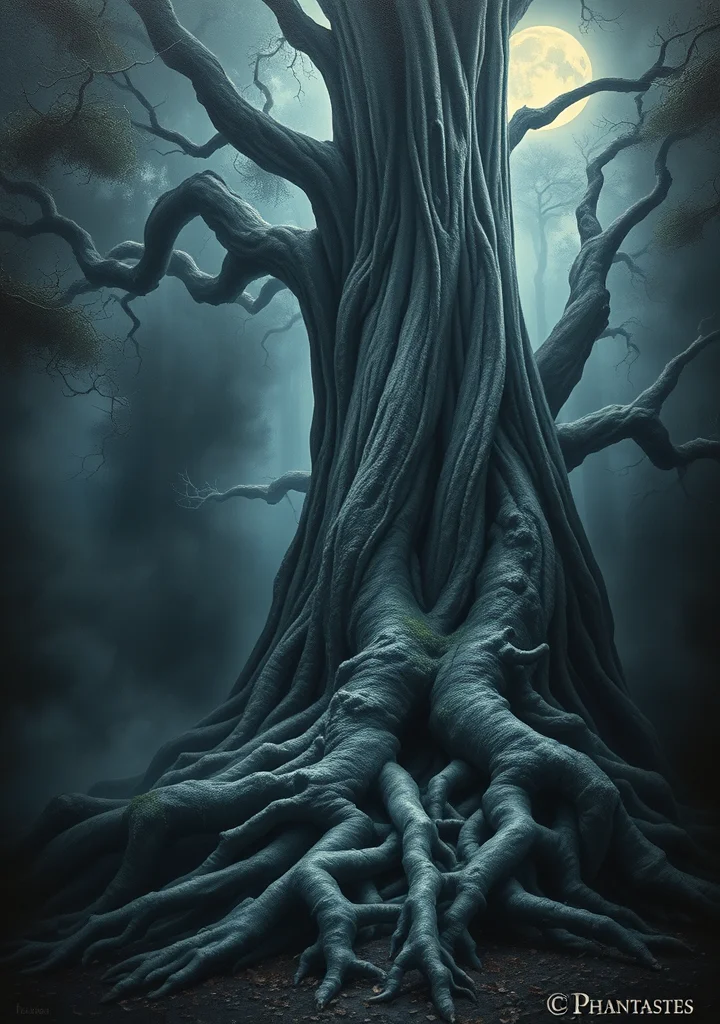
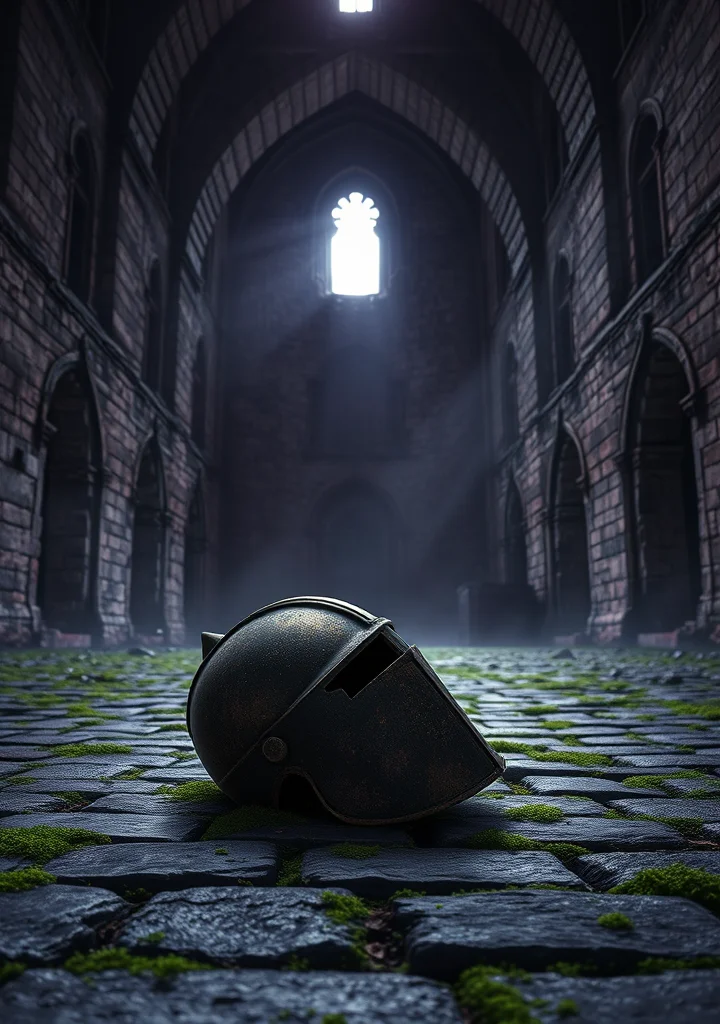
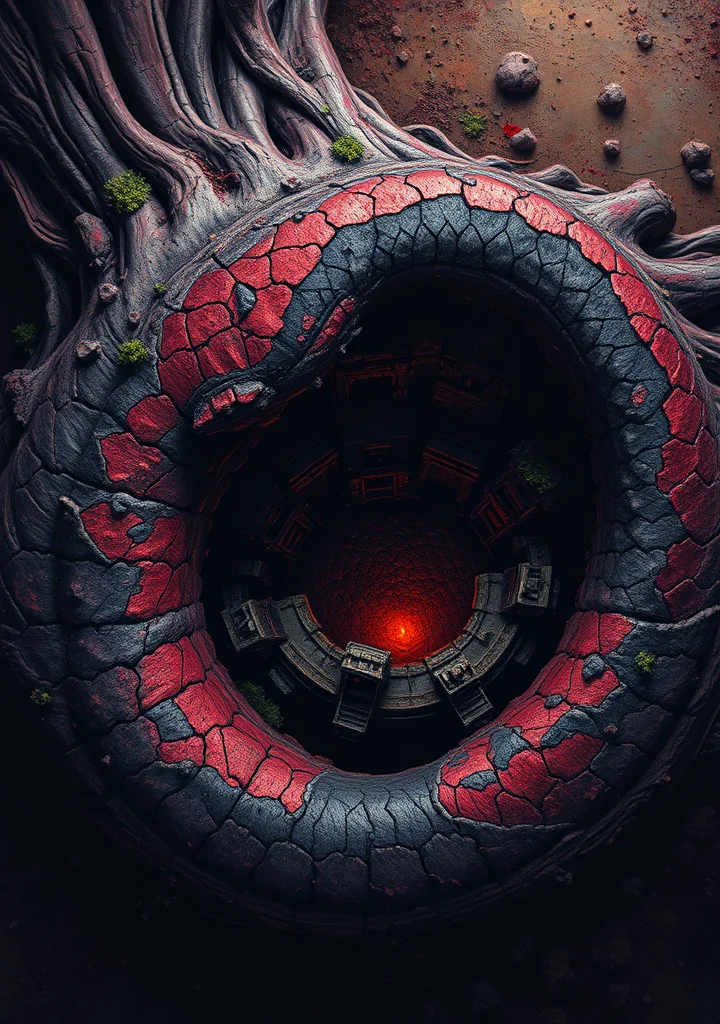
A dying empire bleeds its last glories onto a landscape haunted by the ghosts of elder gods and the shadows of encroaching, primordial darkness. Eddison weaves a tapestry of decay and desperate valor, charting the fall of Northwood and its valiant defenders against the encroaching sorcery of the Damoth King. The air tastes of ash and the scent of ancient, petrified forests. Every fortress is a crumbling bastion against an inexorable tide of malice, every victory stained with the knowledge of ultimate futility.
The narrative unfolds through a lens of archaic grandeur, echoing with the mournful chants of forgotten rites. Characters are driven by an almost fatalistic nobility, their deeds shadowed by the creeping rot that consumes all creation. A sense of doomed magnificence pervades every chapter, where the very stones weep with the weight of ages.
The story is not merely a clash of armies, but a slow unraveling of the world's foundations. The sun sets blood-red on fields littered with the remnants of divine conflict, and the wind carries whispers of the Worm Ouroboros itself – a cyclical, devouring entity that promises not annihilation, but a return to the primal chaos from which all things were born. It’s a world steeped in the melancholy of inevitable loss, where heroism is a flickering candle against an endless night.
Copyright: Public Domain
This license allows anyone to use your story for any purpose, including printing, selling, or adapting it into a film freely.
This license allows anyone to use your story for any purpose, including printing, selling, or adapting it into a film freely.
Chapter List
-
« The Worm Ouroboros »📖 Continue Reading
-
« Chapter_3 »
-
« Chapter_4 »
-
« The Worm Ouroboros »
-
« The Induction »
-
« Chapter_7 »
-
« Chapter_8 »
-
« Chapter_9 »
-
« Chapter_10 »
-
« Chapter_11 »
-
« Chapter_12 »
-
« Chapter_13 »
-
« Chapter_14 »
-
« Chapter_15 »
-
« Chapter_16 »
-
« Chapter_17 »
-
« Chapter_18 »
-
« Chapter_19 »
-
« Chapter_20 »
-
« Chapter_21 »
-
« Chapter_22 »
-
« Chapter_23 »
-
« Chapter_24 »
-
« Chapter_25 »
-
« Chapter_26 »
-
« Chapter_27 »
-
« Chapter_28 »
-
« Chapter_29 »
-
« Chapter_30 »
-
« Chapter_31 »
-
« Chapter_32 »
-
« Chapter_33 »
-
« Chapter_34 »
-
« Chapter_35 »
-
« Chapter_36 »
-
« Chapter_37 »
-
« Chapter_38 »
-
« Chapter_39 »
-
« Argument: With Dates »
-
« Bibliographical Note on the Verses »
40
-
« The Worm Ouroboros »
-
« Chapter_3 »
-
« Chapter_4 »
-
« The Worm Ouroboros »
-
« The Induction »
-
« Chapter_7 »
-
« Chapter_8 »
-
« Chapter_9 »
-
« Chapter_10 »
-
« Chapter_11 »
-
« Chapter_12 »
-
« Chapter_13 »
-
« Chapter_14 »
-
« Chapter_15 »
-
« Chapter_16 »
-
« Chapter_17 »
-
« Chapter_18 »
-
« Chapter_19 »
-
« Chapter_20 »
-
« Chapter_21 »
-
« Chapter_22 »
-
« Chapter_23 »
-
« Chapter_24 »
-
« Chapter_25 »
-
« Chapter_26 »
-
« Chapter_27 »
-
« Chapter_28 »
-
« Chapter_29 »
-
« Chapter_30 »
-
« Chapter_31 »
-
« Chapter_32 »
-
« Chapter_33 »
-
« Chapter_34 »
-
« Chapter_35 »
-
« Chapter_36 »
-
« Chapter_37 »
-
« Chapter_38 »
-
« Chapter_39 »
-
« Argument: With Dates »
-
« Bibliographical Note on the Verses »
More like this