
-
Read 1.5K
-
0
-
Part 110
Completed, First published Mar 02, 2026
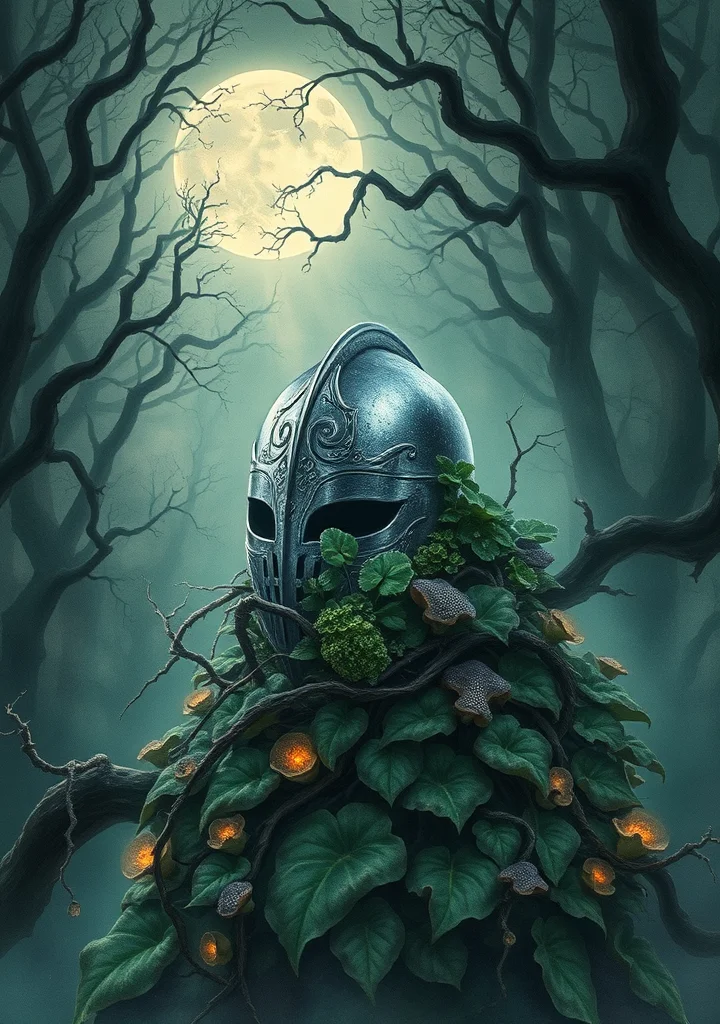
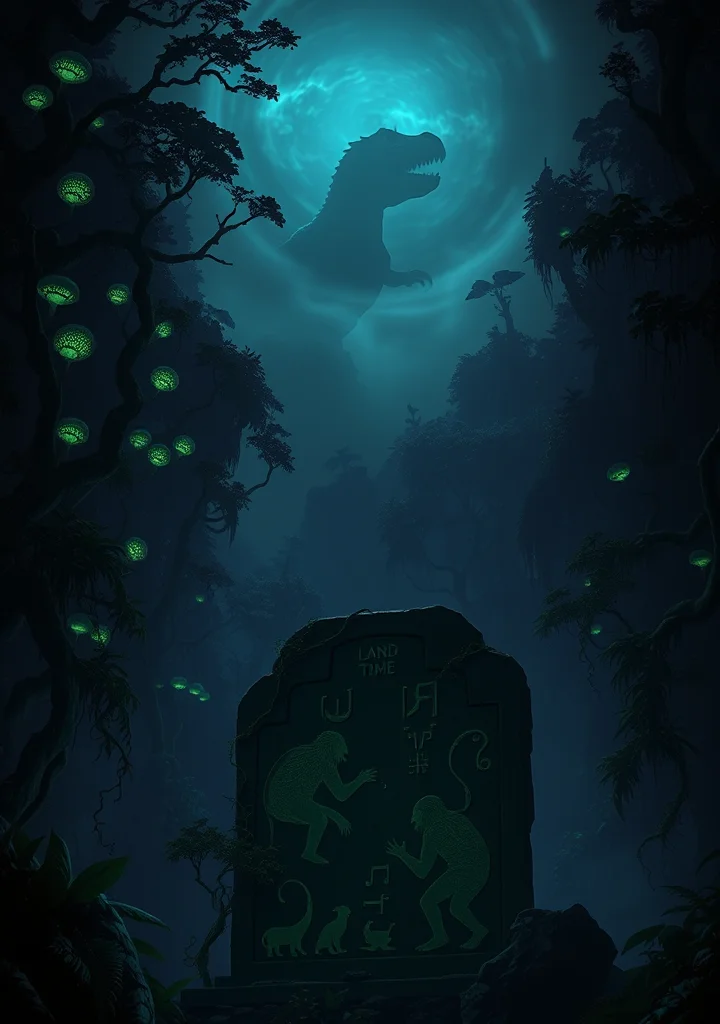
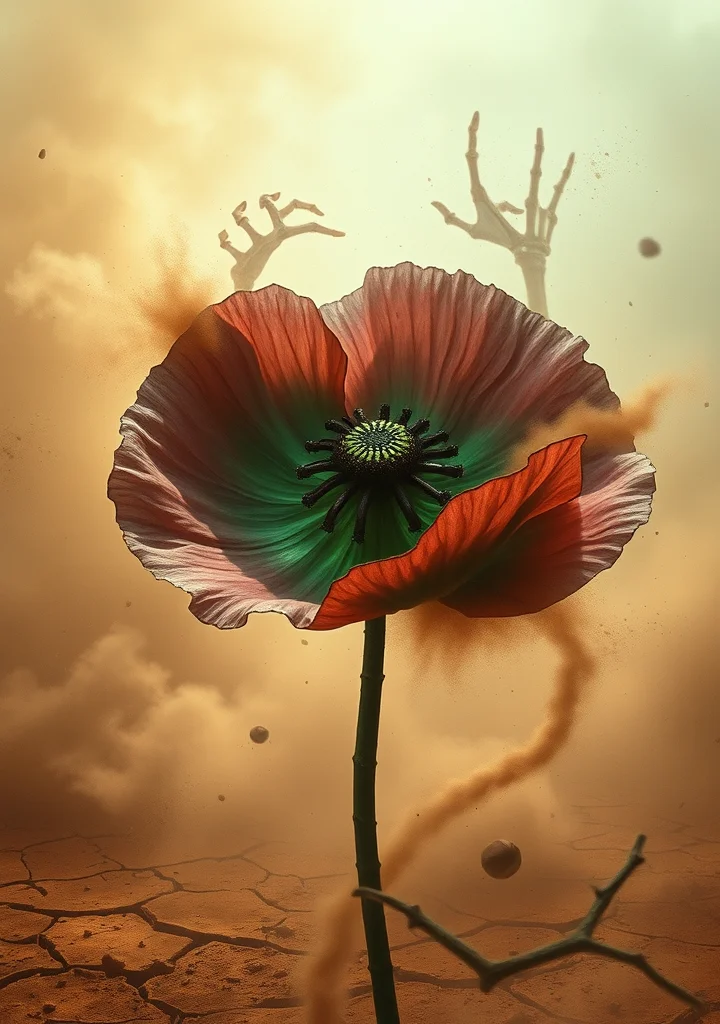
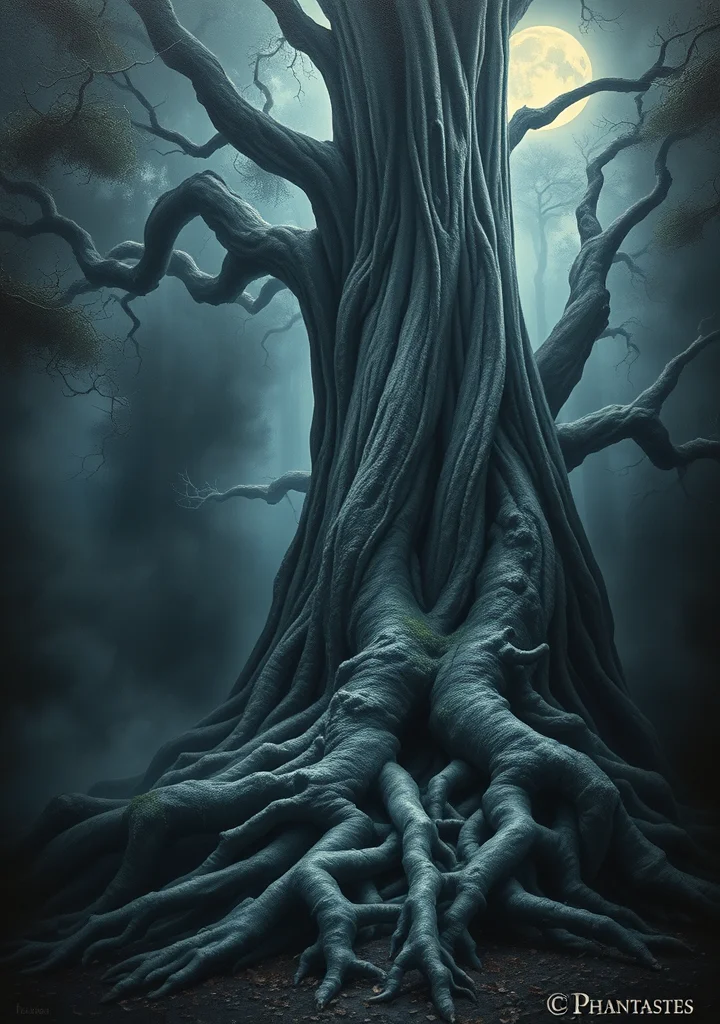
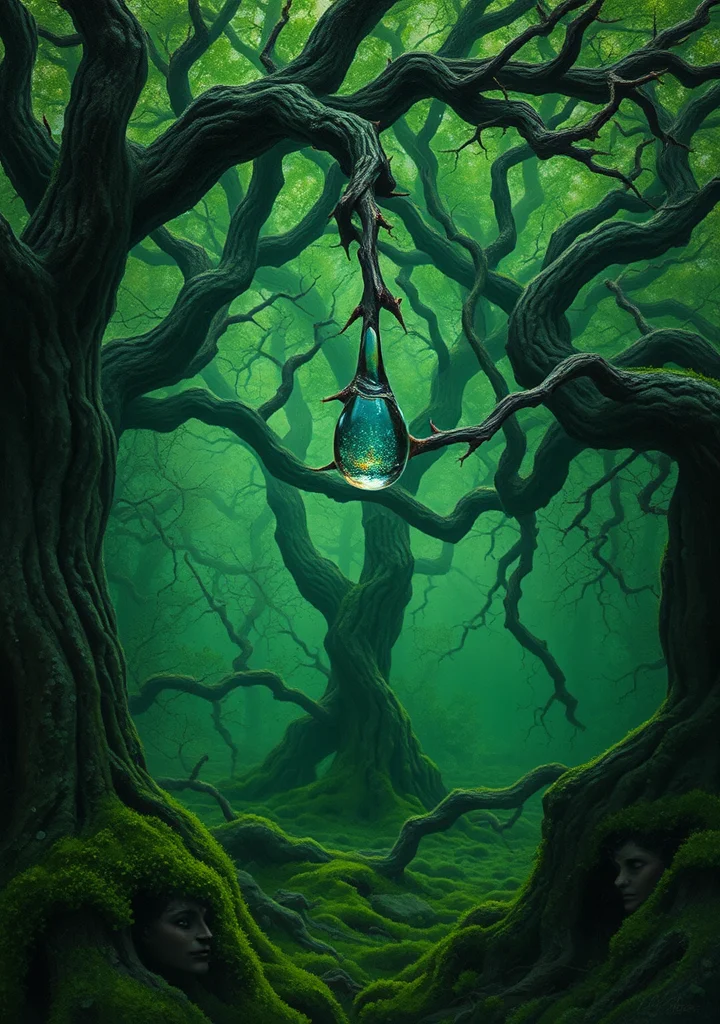
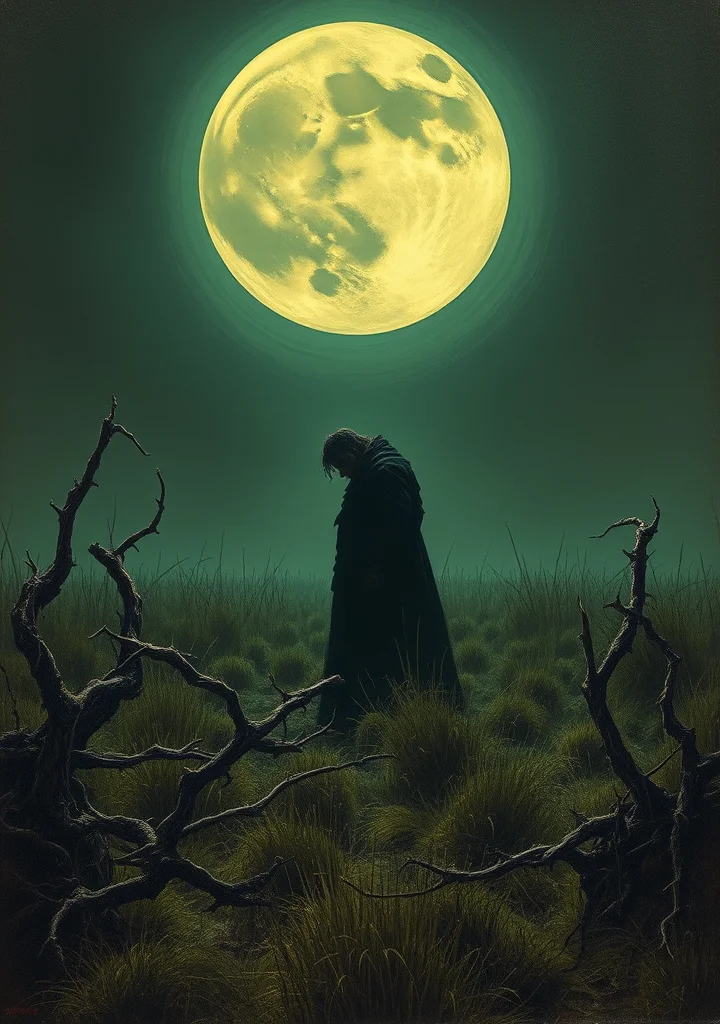
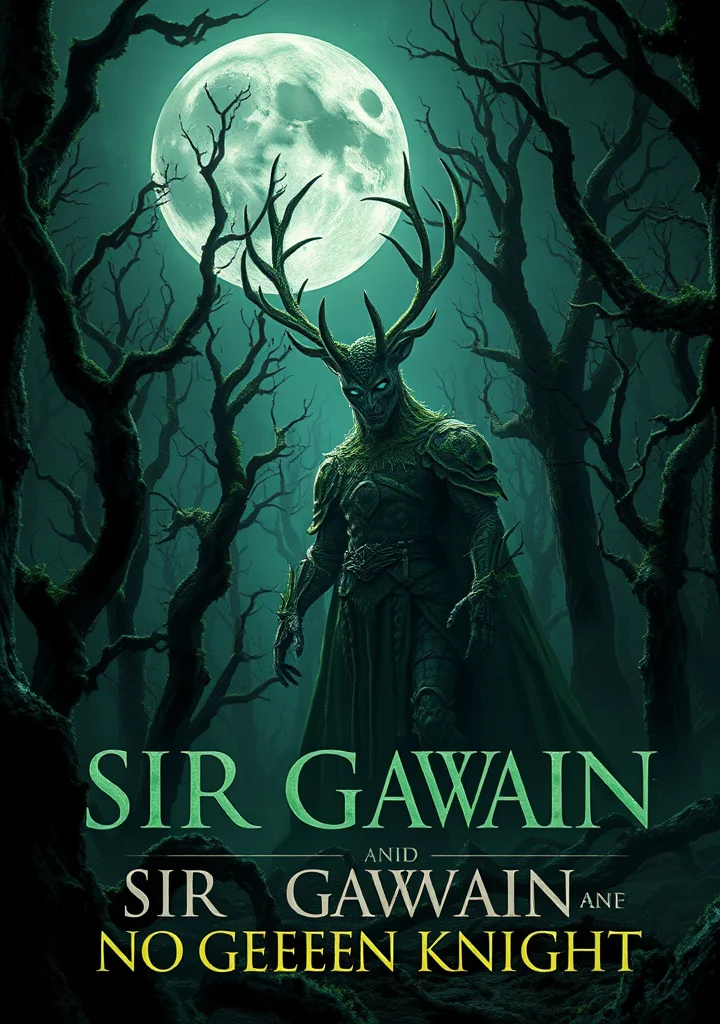
A creeping dread clings to the ancient forests of the North, where the emerald light fractures through the skeletal branches of winter trees. This is not the tale of chivalry sung by hearthside poets, but a reckoning whispered on the wind. The Green Knight rides not as challenger, but as a specter born of the bog, a verdant decay made flesh. Each exchange of honour is laced with the chill of something *other*, something woven into the very fabric of the land’s despair. Sir Gawain’s journey is less a quest for courtly love than a descent into a liminal realm, haunted by echoes of pagan rites and the gnawing hunger of the wilderness. The castle of Bercilak is not sanctuary, but a gilded cage mirroring the Knight's own spiraling descent. The tests are not of courage, but of surrender - to the beast within, the rot beneath the stone, and the slow unraveling of the self. Every dawn feels tainted with the same moss-green light, promising not redemption but a deeper entanglement in the Green Knight’s shadowed bargain. The weight of the girdle isn't gold, but a binding promise, a noose woven with the threads of a forgotten pact. It is a story where honour bleeds into oblivion, and the line between man and monster dissolves into the cold, unforgiving earth.
Copyright: Public Domain
This license allows anyone to use your story for any purpose, including printing, selling, or adapting it into a film freely.
This license allows anyone to use your story for any purpose, including printing, selling, or adapting it into a film freely.
Chapter List
-
« Sir Gawain and the Green Knight »📖 Continue Reading
-
« Preface »
-
« Introduction »
-
« Sir Gawain and the Green Knight »
-
« FitI »
-
« Chapter_7 »
-
« Chapter_8 »
-
« Chapter_9 »
-
« Chapter_10 »
-
« Chapter_11 »
-
« Chapter_12 »
-
« Chapter_13 »
-
« Chapter_14 »
-
« Chapter_15 »
-
« Chapter_16 »
-
« Chapter_17 »
-
« Chapter_18 »
-
« Chapter_19 »
-
« Chapter_20 »
-
« Chapter_21 »
-
« Chapter_22 »
-
« Chapter_23 »
-
« Chapter_24 »
-
« Chapter_25 »
-
« Chapter_26 »
-
« Chapter_27 »
-
« FitII »
-
« Chapter_29 »
-
« Chapter_30 »
-
« Chapter_31 »
-
« Chapter_32 »
-
« Chapter_33 »
-
« Chapter_34 »
-
« Chapter_35 »
-
« Chapter_36 »
-
« Chapter_37 »
-
« Chapter_38 »
-
« Chapter_39 »
-
« Chapter_40 »
-
« Chapter_41 »
-
« Chapter_42 »
-
« Chapter_43 »
-
« Chapter_44 »
-
« Chapter_45 »
-
« Chapter_46 »
-
« Chapter_47 »
-
« Chapter_48 »
-
« Chapter_49 »
-
« Chapter_50 »
-
« Chapter_51 »
-
« Chapter_52 »
-
« FitIII »
-
« Chapter_54 »
-
« Chapter_55 »
-
« Chapter_56 »
-
« Chapter_57 »
-
« Chapter_58 »
-
« Chapter_59 »
-
« Chapter_60 »
-
« Chapter_61 »
-
« Chapter_62 »
-
« Chapter_63 »
-
« Chapter_64 »
-
« Chapter_65 »
-
« Chapter_66 »
-
« Chapter_67 »
-
« Chapter_68 »
-
« Chapter_69 »
-
« Chapter_70 »
-
« Chapter_71 »
-
« Chapter_72 »
-
« Chapter_73 »
-
« Chapter_74 »
-
« Chapter_75 »
-
« Chapter_76 »
-
« Chapter_77 »
-
« Chapter_78 »
-
« Chapter_79 »
-
« Chapter_80 »
-
« Chapter_81 »
-
« Chapter_82 »
-
« Chapter_83 »
-
« Chapter_84 »
-
« Chapter_85 »
-
« Chapter_86 »
-
« Chapter_87 »
-
« FitIV »
-
« Chapter_89 »
-
« Chapter_90 »
-
« Chapter_91 »
-
« Chapter_92 »
-
« Chapter_93 »
-
« Chapter_94 »
-
« Chapter_95 »
-
« Chapter_96 »
-
« Chapter_97 »
-
« Chapter_98 »
-
« Chapter_99 »
-
« Chapter_100 »
-
« Chapter_101 »
-
« Chapter_102 »
-
« Chapter_103 »
-
« Chapter_104 »
-
« Chapter_105 »
-
« Chapter_106 »
-
« Chapter_107 »
-
« Chapter_108 »
-
« Chapter_109 »
-
« Chapter_110 »
-
« Glossary »
110
-
« Sir Gawain and the Green Knight »
-
« Preface »
-
« Introduction »
-
« Sir Gawain and the Green Knight »
-
« FitI »
-
« Chapter_7 »
-
« Chapter_8 »
-
« Chapter_9 »
-
« Chapter_10 »
-
« Chapter_11 »
-
« Chapter_12 »
-
« Chapter_13 »
-
« Chapter_14 »
-
« Chapter_15 »
-
« Chapter_16 »
-
« Chapter_17 »
-
« Chapter_18 »
-
« Chapter_19 »
-
« Chapter_20 »
-
« Chapter_21 »
-
« Chapter_22 »
-
« Chapter_23 »
-
« Chapter_24 »
-
« Chapter_25 »
-
« Chapter_26 »
-
« Chapter_27 »
-
« FitII »
-
« Chapter_29 »
-
« Chapter_30 »
-
« Chapter_31 »
-
« Chapter_32 »
-
« Chapter_33 »
-
« Chapter_34 »
-
« Chapter_35 »
-
« Chapter_36 »
-
« Chapter_37 »
-
« Chapter_38 »
-
« Chapter_39 »
-
« Chapter_40 »
-
« Chapter_41 »
-
« Chapter_42 »
-
« Chapter_43 »
-
« Chapter_44 »
-
« Chapter_45 »
-
« Chapter_46 »
-
« Chapter_47 »
-
« Chapter_48 »
-
« Chapter_49 »
-
« Chapter_50 »
-
« Chapter_51 »
-
« Chapter_52 »
-
« FitIII »
-
« Chapter_54 »
-
« Chapter_55 »
-
« Chapter_56 »
-
« Chapter_57 »
-
« Chapter_58 »
-
« Chapter_59 »
-
« Chapter_60 »
-
« Chapter_61 »
-
« Chapter_62 »
-
« Chapter_63 »
-
« Chapter_64 »
-
« Chapter_65 »
-
« Chapter_66 »
-
« Chapter_67 »
-
« Chapter_68 »
-
« Chapter_69 »
-
« Chapter_70 »
-
« Chapter_71 »
-
« Chapter_72 »
-
« Chapter_73 »
-
« Chapter_74 »
-
« Chapter_75 »
-
« Chapter_76 »
-
« Chapter_77 »
-
« Chapter_78 »
-
« Chapter_79 »
-
« Chapter_80 »
-
« Chapter_81 »
-
« Chapter_82 »
-
« Chapter_83 »
-
« Chapter_84 »
-
« Chapter_85 »
-
« Chapter_86 »
-
« Chapter_87 »
-
« FitIV »
-
« Chapter_89 »
-
« Chapter_90 »
-
« Chapter_91 »
-
« Chapter_92 »
-
« Chapter_93 »
-
« Chapter_94 »
-
« Chapter_95 »
-
« Chapter_96 »
-
« Chapter_97 »
-
« Chapter_98 »
-
« Chapter_99 »
-
« Chapter_100 »
-
« Chapter_101 »
-
« Chapter_102 »
-
« Chapter_103 »
-
« Chapter_104 »
-
« Chapter_105 »
-
« Chapter_106 »
-
« Chapter_107 »
-
« Chapter_108 »
-
« Chapter_109 »
-
« Chapter_110 »
-
« Glossary »
More like this