
-
Read 929
-
0
-
Part 68
Completed, First published Mar 02, 2026
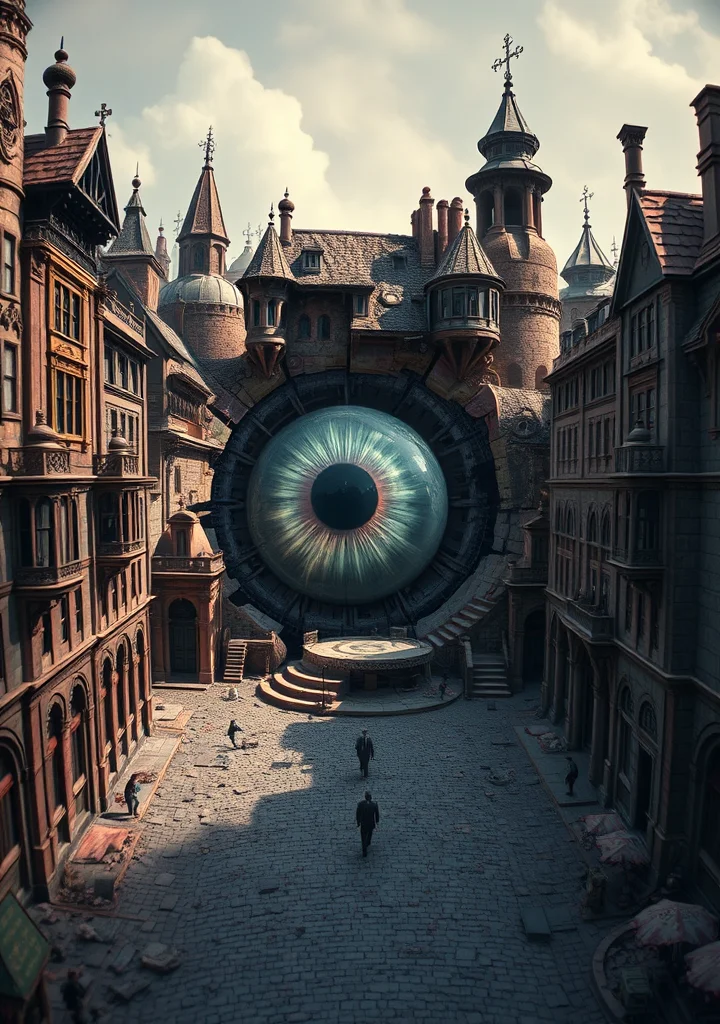
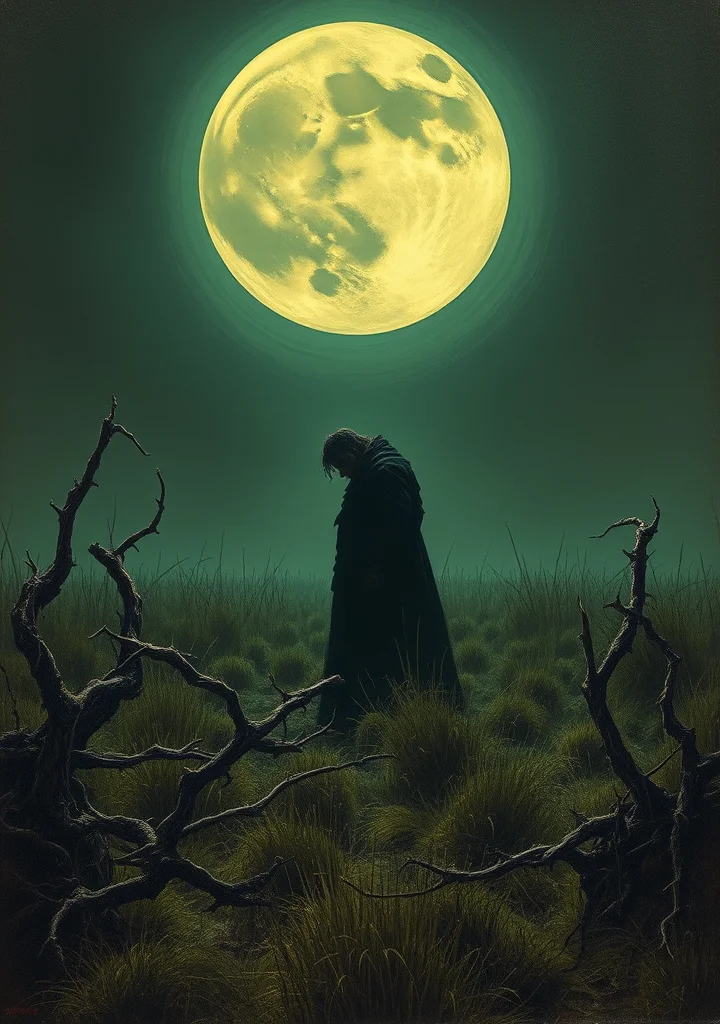
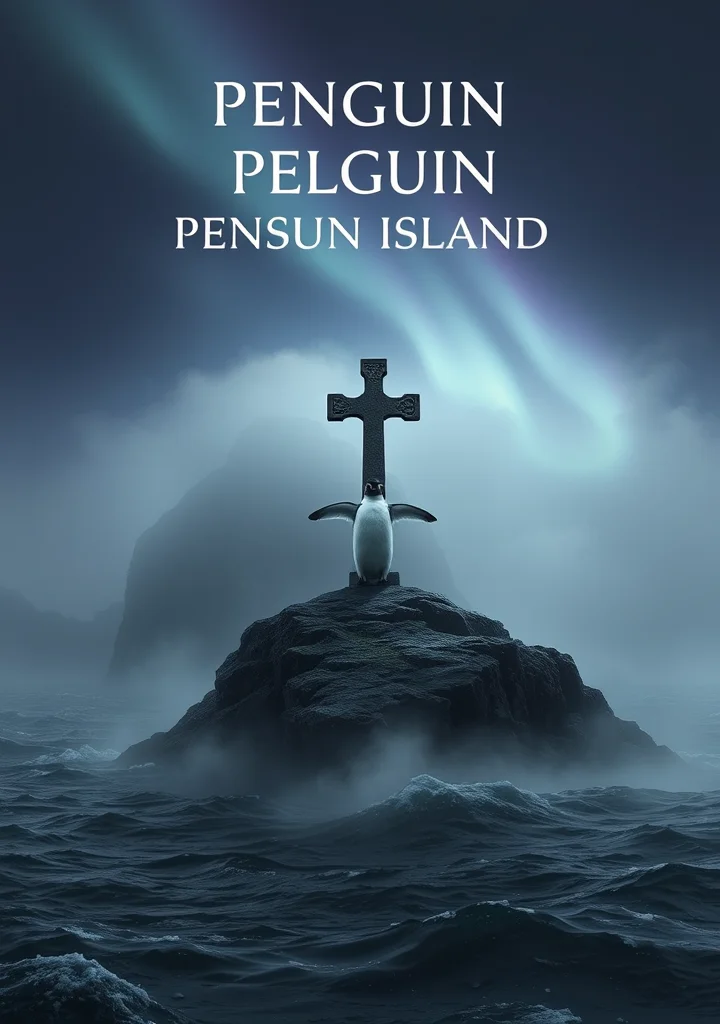
A creeping fog clings to the shores of Penguin Island, a land born not of earth but of the icy breath of the North Atlantic. The narrative drifts like wreckage on a grey sea, charting the history of a colony of penguins who, through a perverse twist of evolution and the dubious guidance of a shipwrecked priest, claim lineage from the ancient Celts. It’s a history soaked in brine and shadowed by the perpetual twilight of the Southern Ocean. The island itself is a crumbling monastery of stone and feather, where the penguin-priests chant in echoing caves, their rituals laced with a melancholic, avian piety.
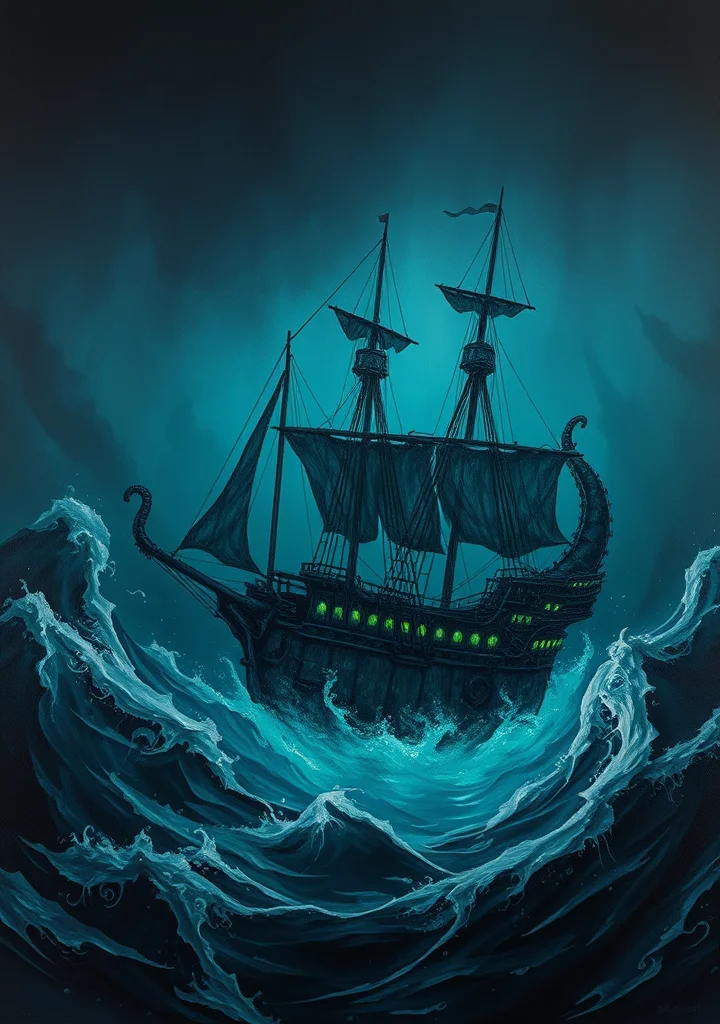
The air hangs heavy with the scent of fish and decay, a constant reminder of the island’s isolation. Each chapter unravels like a barnacle encrusting a forgotten hull, revealing a world where theological debate is punctuated by the screech of gulls and the mournful cry of the wind. A slow, deliberate rot pervades the narrative; the crumbling faith, the decaying structures, the very bodies of the penguins themselves seem destined to dissolve back into the churning, unforgiving sea. There’s a pervasive sense of the absurd, a mocking grandeur that clings to the story like seaweed to a drowned man’s limbs. It’s a gothic fable woven from salt spray, philosophical despair, and the unsettling, uncanny gaze of creatures forever poised between heaven and the icy abyss. The island doesn’t yield to understanding, it *consumes* it, leaving only a chill and the whisper of wings in the perpetual fog.
Copyright: Public Domain
This license allows anyone to use your story for any purpose, including printing, selling, or adapting it into a film freely.
This license allows anyone to use your story for any purpose, including printing, selling, or adapting it into a film freely.
Chapter List
-
« Penguin Island »📖 Continue Reading
-
« Preface »
-
« I »
-
« II »
-
« III »
-
« IV »
-
« V »
-
« VI »
-
« Chapter_12 »
-
« VIII »
-
« I »
-
« Chapter_16 »
-
« III »
-
« IV »
-
« V »
-
« VI »
-
« Chapter_21 »
-
« Chapter_22 »
-
« Chapter_23 »
-
« Chapter_24 »
-
« Chapter_25 »
-
« Chapter_26 »
-
« Chapter_27 »
-
« I »
-
« Chapter_30 »
-
« III »
-
« IV »
-
« V »
-
« Margaritone’s Vision »
-
« VI »
-
« The Descent of Marbodius Into Hell »
-
« VII »
-
« I »
-
« II »
-
« Account of the Travels of Young Djambi in Penguinia »
-
« III »
-
« I »
-
« II »
-
« III »
-
« IV »
-
« V »
-
« VI »
-
« VII »
-
« I »
-
« II »
-
« III »
-
« IV »
-
« V »
-
« VI »
-
« VII »
-
« VIII »
-
« IX »
-
« X »
-
« XI »
-
« I »
-
« II »
-
« III »
-
« IV »
-
« V »
-
« VI »
-
« VII »
-
« VIII »
-
« IX »
-
« The Zenith of Penguin Civilization »
-
« §1 »
-
« §2 »
-
« §3 »
-
« §4 »
68
-
« Penguin Island »
-
« Preface »
-
« I »
-
« II »
-
« III »
-
« IV »
-
« V »
-
« VI »
-
« Chapter_12 »
-
« VIII »
-
« I »
-
« Chapter_16 »
-
« III »
-
« IV »
-
« V »
-
« VI »
-
« Chapter_21 »
-
« Chapter_22 »
-
« Chapter_23 »
-
« Chapter_24 »
-
« Chapter_25 »
-
« Chapter_26 »
-
« Chapter_27 »
-
« I »
-
« Chapter_30 »
-
« III »
-
« IV »
-
« V »
-
« Margaritone’s Vision »
-
« VI »
-
« The Descent of Marbodius Into Hell »
-
« VII »
-
« I »
-
« II »
-
« Account of the Travels of Young Djambi in Penguinia »
-
« III »
-
« I »
-
« II »
-
« III »
-
« IV »
-
« V »
-
« VI »
-
« VII »
-
« I »
-
« II »
-
« III »
-
« IV »
-
« V »
-
« VI »
-
« VII »
-
« VIII »
-
« IX »
-
« X »
-
« XI »
-
« I »
-
« II »
-
« III »
-
« IV »
-
« V »
-
« VI »
-
« VII »
-
« VIII »
-
« IX »
-
« The Zenith of Penguin Civilization »
-
« §1 »
-
« §2 »
-
« §3 »
-
« §4 »
More like this